
Can you sharpen drill bits for metal? Yes, you can sharpen drill bits for metal, and doing so effectively can save you money and improve your drilling performance. This guide will walk you through the best methods and expert tips to bring your dull drill bits back to life.
Dull drill bits can make your DIY projects a frustrating experience. They require more force, generate excessive heat, and can even damage the material you’re working on. Learning how to restore dull drill bits is a valuable skill for any tradesperson or hobbyist. Whether you’re dealing with standard high-speed steel bits or specialized cobalt drill bit sharpening needs, this comprehensive guide will equip you with the knowledge to achieve precise and efficient results.
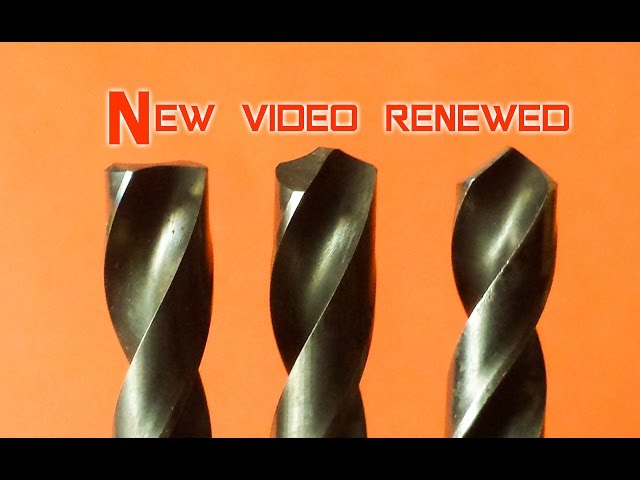
Image Source: i.ytimg.com
Why Sharpen Your Metal Drill Bits?
Sharpening your drill bits offers several key advantages:
- Improved Cutting Efficiency: Sharp bits glide through metal with ease, requiring less pressure and time.
- Reduced Heat Buildup: Dull bits create friction, generating heat that can damage the bit and the workpiece. Sharp bits cut cleaner, minimizing heat.
- Longer Bit Lifespan: Regular sharpening extends the usable life of your drill bits, saving you money on replacements.
- Cleaner Holes: Sharp bits produce precise, clean holes without rough edges or burrs.
- Reduced Strain on Tools: Less force is needed with sharp bits, putting less stress on your drill motor.
Types of Drill Bits and Their Sharpening Needs
Different drill bit materials require slightly different sharpening approaches. The most common for metal include:
- High-Speed Steel (HSS): The workhorse for general metal drilling. HSS bits are relatively tough and can be sharpened with various methods.
- Cobalt Steel: An alloy of HSS with cobalt added for increased hardness and heat resistance. This makes them ideal for drilling harder metals like stainless steel. Cobalt drill bit sharpening often requires harder abrasive materials due to their increased hardness.
- Carbide (Tungsten Carbide): Extremely hard and brittle, designed for very tough materials or high-volume drilling. Carbide drill bit sharpening is typically done with diamond abrasives, as regular sharpening stones won’t be effective.
- Bi-Metal: A combination of HSS teeth and a spring steel body, offering flexibility and durability. Sharpening focuses on the HSS cutting edges.
The most common type you’ll likely encounter is the twist drill bit, which is what most of this guide will focus on.
Essential Tools for Sharpening
To effectively sharpen your metal drill bits, you’ll need a few key tools:
- Drill Bit Sharpener: This can range from simple handheld devices to more advanced powered units.
- Sharpening Stone/Wheel: A crucial component for most sharpening methods. This could be a diamond file, a silicon carbide stone, or a diamond-coated grinding wheel. A good drill bit sharpening stone is a must-have.
- Vice or Clamp: To hold the drill bit securely during sharpening.
- Magnifying Glass or Loupe: Helpful for inspecting the cutting edges and ensuring proper alignment.
- Safety Glasses and Gloves: Always protect your eyes and hands when working with tools and abrasives.
Methods for Sharpening Metal Drill Bits
There are several effective ways to sharpen your drill bits, each with its own set of advantages. The best method for you will depend on your budget, the type of bits you have, and the tools available.
1. Manual Sharpening with a Drill Bit Sharpener
A manual drill bit sharpener is a compact, user-friendly tool designed to guide the drill bit at the correct angle against an abrasive wheel.
How it Works:
These sharpeners typically consist of a rotating abrasive wheel powered by a hand crank or a battery. You insert the drill bit into a designated slot, which is pre-set to the correct sharpening angle for metal drill bits. You then turn the crank or activate the motor, and the sharpener grinds the bit’s cutting edge.
Steps:
- Select the Correct Slot: Ensure the slot size matches your drill bit.
- Insert the Bit: Place the drill bit into the designated slot.
- Engage the Abrasive: Turn the crank or activate the power.
- Sharpen: Follow the manufacturer’s instructions, usually involving a few turns in one direction, then reversing.
- Repeat for Other Side: Sharpen both cutting edges equally.
- Inspect: Check the sharpness and ensure the cutting edges are symmetrical.
Pros:
- Easy to use, even for beginners.
- Provides a consistent sharpening angle.
- Portable and relatively inexpensive.
Cons:
- May not achieve the same level of sharpness as professional methods.
- Limited in the types of bits it can sharpen.
- Can be slow for large quantities.
2. Using a Drill Bit Grinding Jig
A drill bit grinding jig is an accessory that attaches to a bench grinder or angle grinder, allowing for more controlled sharpening of drill bits.
How it Works:
The jig holds the drill bit at a precise angle relative to the grinding wheel. You manually rotate the drill bit as you feed it into the wheel, ensuring an even grind on the cutting edges.
Steps:
- Mount the Jig: Securely attach the jig to your grinder.
- Set the Angle: Adjust the jig to the correct sharpening angle for metal drill bits (typically 118° or 135° for metal).
- Clamp the Bit: Insert and firmly clamp the drill bit into the jig.
- Grind: Turn on the grinder and slowly feed the drill bit into the spinning wheel. Rotate the bit as recommended by the jig’s instructions.
- Sharpen Both Edges: Ensure both cutting edges are ground evenly.
- Cool the Bit: Dip the bit in water frequently to prevent overheating.
- Inspect: Check for symmetry and sharpness.
Pros:
- Offers more control than simple manual sharpeners.
- Can achieve a very sharp edge.
- Works well with standard bench grinders.
Cons:
- Requires a bench grinder or similar tool.
- Has a steeper learning curve.
- Risk of overheating the bit if not done carefully.
3. Bench Grinder Drill Bit Sharpening
While a bench grinder drill bit sharpening method can be effective, it requires skill and precision to avoid damaging the bit. It’s often used in conjunction with a grinding jig for better results.
How it Works:
The drill bit is held at an angle against the spinning grinding wheel. The key is to maintain a consistent angle and avoid excessive pressure.
Steps:
- Safety First: Wear safety glasses and gloves. Ensure the grinder wheel is in good condition.
- Grasp the Bit: Hold the drill bit firmly with pliers or a bench vise.
- Set the Angle: Position the bit against the wheel at the correct sharpening angle for metal drill bits. For most general-purpose bits, this is 118 degrees. For harder metals, 135 degrees might be better.
- Grind and Rotate: Lightly touch the cutting edge to the wheel. Roll the bit backward along the wheel to form the cutting facet.
- Sharpen Both Sides: Grind both cutting edges evenly.
- Check for Symmetry: Ensure the points are aligned.
- Cool the Bit: Dip the bit in water frequently to prevent losing its temper.
Pros:
- Fast and efficient for experienced users.
- Can restore even severely damaged bits.
Cons:
- High risk of overheating and ruining the bit if not done correctly.
- Difficult to maintain the precise angle without a jig.
- Requires significant practice.
4. Using a Diamond File or Sharpening Stone
For finer adjustments and for bits that aren’t severely dulled, a diamond file or a good quality drill bit sharpening stone can be used. This is a more tactile approach.
How it Works:
You manually guide the drill bit’s cutting edge across the abrasive surface of the file or stone, maintaining the correct angle.
Steps:
- Secure the Bit: Hold the drill bit in a vise.
- Choose the Right Abrasive: A diamond file is often best for harder metals like cobalt. A silicon carbide or aluminum oxide stone can work for HSS.
- Set the Angle: Position the bit so the cutting edge aligns with the stone at the correct sharpening angle for metal drill bits.
- File/Grind: Draw the cutting edge across the stone in a smooth, controlled motion, following the flute of the bit.
- Sharpen Both Edges: Repeat for the other cutting edge, ensuring symmetry.
- Inspect: Check your work with a magnifying glass.
Pros:
- Offers a high degree of control.
- Excellent for fine-tuning and touching up edges.
- No risk of overheating.
Cons:
- Time-consuming, especially for multiple bits.
- Requires a steady hand and good feel for the angle.
- Less effective for severely damaged bits.
5. Specialized Drill Bit Sharpening Systems
Various drill bit sharpening systems are available on the market, often combining multiple features for convenience and precision. These can range from powered units with interchangeable grinding wheels to sophisticated jigs for use with bench grinders.
How it Works:
These systems are engineered to simplify the sharpening process by providing guided angles and consistent pressure. Some systems are designed for specific types of bits, like carbide drill bit sharpening systems that use diamond wheels.
Steps:
Always follow the specific instructions provided with your chosen system. Generally, they involve:
- Setup: Assembling the system and selecting the appropriate abrasive.
- Bit Placement: Inserting the drill bit into a holder or guide.
- Sharpening: Engaging the abrasive, often with a motorized or manual action, while following guided movements.
- Inspection: Checking the results.
Pros:
- Often provides the most consistent and accurate results.
- Designed for ease of use.
- Can handle a variety of bit types and sizes.
Cons:
- Can be more expensive than basic sharpeners.
- May take up more space.
Achieving the Correct Sharpening Angle
The sharpening angle for metal drill bits is crucial for proper cutting. The angle determines how efficiently the bit cuts and how much force is required.
- 118°: This is the standard angle for most general-purpose HSS drill bits used for drilling softer metals like mild steel, aluminum, and copper. It provides a good balance of cutting efficiency and clearance.
- 135°: This steeper angle is better suited for drilling harder metals such as stainless steel, titanium, and some alloys. The increased angle provides more strength to the cutting edge and can reduce the risk of chipping.
Important Considerations:
- Lip Clearance: Behind the cutting edge, there’s a relief angle, known as lip clearance. This angle prevents the heel of the bit from rubbing against the workpiece, which would create friction and heat. Too little clearance causes rubbing; too much weakens the cutting edge. Most sharpening devices are designed to set this correctly automatically.
- Point Symmetry: Ensure both cutting edges are ground to the same angle and are at the same height. An asymmetrical point will cause the drill bit to wander and drill an oversized or oval hole.
Sharpening Specific Bit Materials
Carbide Drill Bit Sharpening
Carbide drill bit sharpening presents a unique challenge due to carbide’s extreme hardness. Standard grinding wheels or stones will wear down very quickly and are generally ineffective.
- Abrasives: Diamond abrasive wheels or diamond-coated files are essential for sharpening carbide bits.
- Tools: Bench grinders equipped with diamond wheels or specialized carbide sharpeners are best. Manual methods with diamond files are possible but labor-intensive.
- Heat: Carbide is very susceptible to heat damage, which can cause it to crack or lose its hardness. Work slowly and use coolant if possible.
Cobalt Drill Bit Sharpening
Cobalt drill bit sharpening is similar to HSS but requires slightly more care due to cobalt’s higher hardness and heat resistance.
- Abrasives: Diamond wheels or very hard silicon carbide wheels are recommended. Diamond files are also effective.
- Heat: While cobalt is more heat-resistant, it can still be damaged by excessive heat. Keep the bit cool by dipping it in water frequently.
- Angles: Generally, stick to the standard 118° or 135° angles, depending on the metal you’re drilling.
Tips for Success When Sharpening
- Start with a Clean Bit: Remove any debris or metal shavings from the flutes before sharpening.
- Work Slowly and Patiently: Rushing the process can lead to overheating or inconsistent angles, potentially ruining the bit.
- Cool the Bit: Dip the drill bit in water or a cutting fluid periodically, especially when using power tools. This prevents the bit from losing its temper (hardness) due to heat.
- Inspect Regularly: Use a magnifying glass to check the cutting edges for symmetry, sharpness, and any signs of damage or overheating.
- Practice Makes Perfect: Don’t be discouraged if your first attempts aren’t perfect. The more you practice, the better you’ll become.
- Know When to Replace: Even with proper sharpening, drill bits have a finite lifespan. If a bit is severely damaged, worn down, or cracked, it’s often best to replace it.
Maintaining Your Sharpened Bits
Proper care of your sharpened drill bits ensures they retain their edge and perform optimally.
- Storage: Store your drill bits in a clean, dry place, preferably in a case or organizer to prevent damage to the cutting edges.
- Lubrication: For harder metals, using cutting oil or lubricant during drilling will extend the life of your sharpened bits.
- Clean After Use: Always clean drill bits after use to remove metal chips and any residue.
Frequently Asked Questions (FAQ)
Q: How often should I sharpen my drill bits?
A: The frequency depends on usage. If you notice increased effort required to drill, slower drilling speeds, or rougher holes, it’s time to sharpen. For frequent use on hard metals, sharpening might be needed more often.
Q: Can I use a whetstone to sharpen metal drill bits?
A: Yes, a good quality whetstone, especially one with diamond grit or silicon carbide, can be used. However, maintaining the correct angle requires more skill and practice than using a dedicated drill bit sharpening system or jig.
Q: What’s the difference between sharpening an HSS bit and a cobalt bit?
A: Cobalt bits are harder and more heat-resistant. You generally need harder abrasives (like diamond wheels) for cobalt, and you still need to be vigilant about cooling to prevent damage.
Q: My drill bit seems to be melting or smoking when I sharpen it. What am I doing wrong?
A: You are likely applying too much pressure or not cooling the bit sufficiently. Excessive heat can “draw the temper” from the metal, making the bit soft and useless. Reduce pressure and dip the bit in water frequently.
Q: How do I know if my drill bit is beyond sharpening?
A: If the cutting edges are chipped, cracked, severely worn down, or if the flute has been significantly damaged, the bit may be beyond effective sharpening. Sometimes, a bit can be sharpened to a smaller diameter if the flutes are still intact.
By following these expert tips and understanding the nuances of twist drill bit sharpening, you can significantly improve your drilling experience and extend the life of your valuable tools. Remember that practice and patience are key to mastering this skill.