
Can you sharpen a circular saw blade yourself? Yes, you can sharpen a circular saw blade at home, but it requires patience, the right tools, and a good understanding of the process. While professional sharpening services are often the best option for optimal results and blade longevity, DIY saw blade sharpening is a viable alternative for those who are comfortable with detail-oriented tasks and want to save money. This guide will walk you through the essentials of circular saw blade sharpening, from basic principles to advanced techniques.
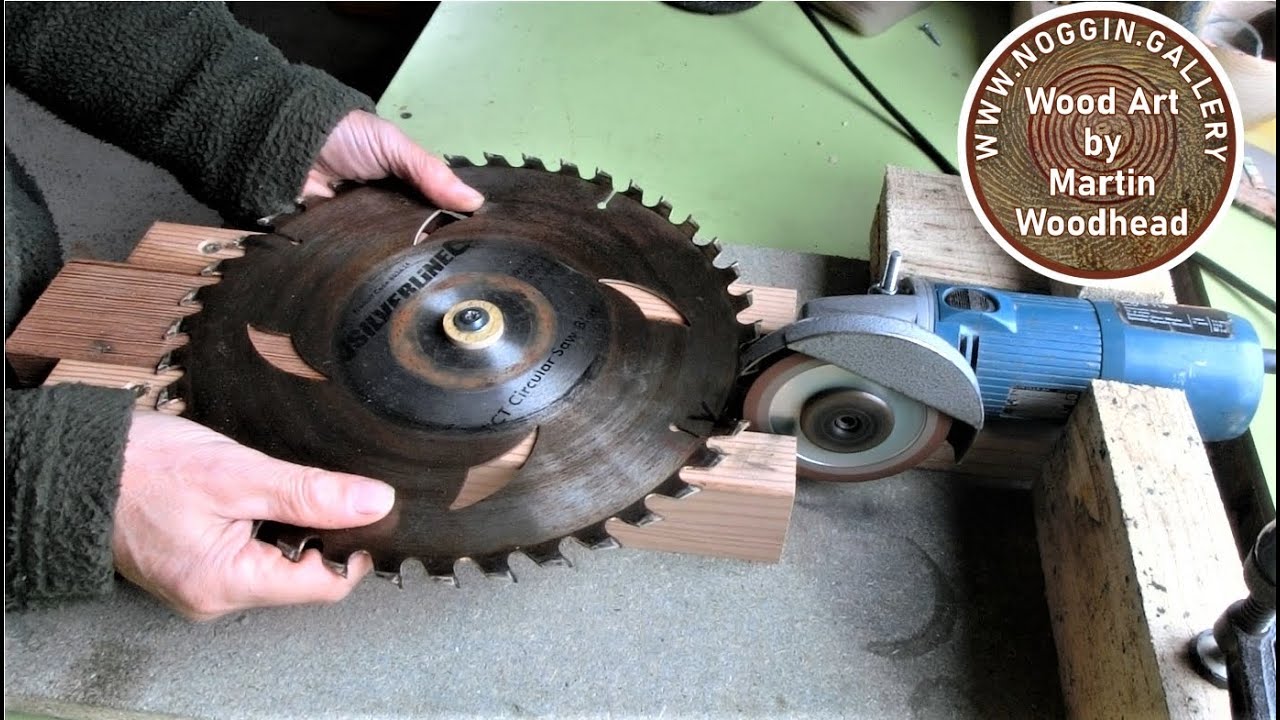
Image Source: i.ytimg.com
Why Sharpen Your Circular Saw Blade?
A dull circular saw blade is more than just an inconvenience; it’s a safety hazard and a detriment to your woodworking projects. When your blade starts to struggle, you’ll notice several tell-tale signs:
- Increased Effort: You have to push harder to get the saw through the material. The saw feels like it’s bogging down.
- Rough Cuts: The edges of your cuts are ragged, splintered, or burned. This means more sanding and finishing work for you.
- Blade Wander: The blade doesn’t cut a straight line. It drifts off course, ruining your precision.
- Excessive Vibration: The saw vibrates more than usual, making it harder to control and potentially causing fatigue.
- Burning: The wood, and sometimes the blade itself, gets scorched during the cut. This is a clear indicator of excessive friction from dull teeth.
Regular saw blade maintenance, including sharpening, ensures your tools perform at their best, leading to cleaner cuts, less strain on your saw, and a safer working environment.
When is it Time to Sharpen?
It’s time to consider circular saw blade sharpening when you observe any of the symptoms mentioned above. Even if your blade isn’t completely dull, a touch-up can improve its performance significantly. For carbide saw blade sharpening, it’s generally recommended to sharpen them after they’ve been used for a certain number of cuts or when their cutting ability noticeably degrades. The lifespan of a blade between sharpenings depends on the type of material you’re cutting, the quality of the blade, and how often you use it.
The Basics of Circular Saw Blade Sharpening
Sharpening a circular saw blade involves restoring the cutting edge of each tooth. This is achieved by removing a small amount of metal from the bevel and the face of each tooth. The goal is to recreate the original angle and sharpness without removing too much material, which would shorten the blade’s overall lifespan.
Types of Blades and Sharpening Considerations
Most circular saw blades use carbide saw blade sharpening. These blades have small carbide tips brazed onto steel bodies. The carbide tips are much harder than the steel and hold their edge longer. When sharpening, you are primarily sharpening these carbide tips. Steel blades are also sharpenable, but they dull much faster and typically require more frequent sharpening or replacement.
Essential Tools for Sharpening
Before you start sharpening, gather the necessary tools:
- Circular Saw Blade: The blade you intend to sharpen.
- File: A high-quality metal file, often a specific type for metal, such as a mill file or a diamond file for carbide tips. The size and coarseness of the file depend on the teeth size and the desired finish.
- Sharpening Jig or Guide: While not strictly mandatory for basic filing, a sharpening jig for circular saw can greatly improve accuracy and consistency, especially for DIY saw blade sharpening. These jigs help hold the blade at the correct angle.
- Bench Vise: To securely hold the blade while you work.
- Marking Tool: A marker to identify teeth you’ve already sharpened.
- Safety Glasses: Crucial for protecting your eyes from metal filings.
- Gloves: To protect your hands.
- Cleaning Supplies: A wire brush and degreaser to clean the blade before sharpening.
- Blade Alignment Tool (Optional): To ensure the blade runs true.
How to Sharpen Circular Saw Blade: Step-by-Step
The most common DIY method for sharpening circular saw blades involves using a file. This technique focuses on maintaining the correct tooth geometry.
Step 1: Cleaning the Blade
Begin by thoroughly cleaning the blade. Use a wire brush and a degreaser to remove any sawdust, resin, or old lubricants. A clean blade ensures that your file makes direct contact with the metal and allows you to see the edges clearly.
Step 2: Securing the Blade
Mount the circular saw blade securely in your bench vise. It’s best to clamp it by the kerf (the width of the cut the blade makes) or by the arbor hole, being careful not to damage the teeth. Some prefer to clamp the blade between two pieces of wood in the vise to protect the teeth from the vise jaws.
Step 3: Identifying the Starting Point
To ensure consistency, pick a tooth to start with. Some people mark this tooth with a marker. You’ll be sharpening each tooth, working your way around the blade.
Step 4: Filing the Teeth
This is the core of circular saw blade sharpening.
* Determine the Tooth Angle: The key to effective sharpening is maintaining the original tooth angle (the bevel). Most circular saw blades have a specific bevel angle, often between 10-20 degrees for general-purpose blades. If you have the original packaging or can find specifications online for your blade model, check the recommended angles. If not, you’ll need to visually match the existing bevel on the teeth.
* Position the File: Place the file against the beveled face of the tooth. The file should be at the same angle as the tooth’s bevel.
* File in One Direction: Always file in one direction, away from the body of the tooth, and always on the bevel. Do not saw back and forth. A smooth, controlled stroke is best.
* Apply Consistent Pressure: Apply even pressure as you file. You’re aiming to remove a small amount of metal to restore the sharp edge.
* Sharpen Each Tooth: Work your way around the blade, sharpening each tooth with the same number of strokes and the same pressure. It’s crucial to be consistent. You want to remove the same amount of metal from each tooth.
* Watch for the Burr: As you sharpen a tooth, a small burr (a thin, rough edge) will form on the opposite side of the cutting edge. This burr indicates you’ve sharpened that side effectively. You’ll want to remove this burr in a subsequent step.
Common Filing Techniques:
- Single Pass Filing: Some advocate for a single, clean pass with the file on each tooth’s bevel. This minimizes metal removal and preserves the blade’s life.
- Restoring the Bevel: Focus on matching the existing bevel. If you over-file or change the angle, you compromise the blade’s cutting performance and can create stress points.
Step 5: Addressing the Gullets
The gullets are the spaces between the teeth. While the primary sharpening happens on the bevel, sometimes the gullets can become nicked or dulled. You can use the edge of the file or a smaller, round file to gently clean up the gullets, ensuring they don’t interfere with the cutting action. Be careful not to alter the shape of the gullet, as this can affect chip removal.
Step 6: Removing the Burrs
After sharpening all the teeth, you’ll need to remove the burrs.
* Reverse Filing: With the same file, gently pass it over the teeth in the opposite direction, this time on the non-beveled side. Again, use light pressure and file away from the gullet.
* Blade Dressing: Some sharpening jigs include a small stone or dressing wheel to lightly pass over the teeth to remove any remaining burrs and slightly hone the edge.
Step 7: Checking and Testing
Once you’ve filed all the teeth and removed the burrs, inspect each tooth. They should all appear to have a sharp edge. If you have a sharpening jig, this is where you might check for consistency in tooth height and angle.
Before putting the blade back on your saw, it’s a good idea to give it a quick spin to ensure it’s balanced and doesn’t vibrate excessively. You can do this by holding the blade and spinning it, or by mounting it loosely on your saw and spinning it by hand.
Using a Sharpening Jig for Circular Saw
For those looking for more precise circular saw blade sharpening, a sharpening jig for circular saw is a valuable investment. These jigs provide a stable platform and a guide for the file or grinding wheel, ensuring consistent angles and tooth spacing.
How Sharpening Jigs Work
A typical jig will have a mechanism to hold the blade securely and an adjustable arm or guide that holds the file or grinding wheel. This arm can be set to the precise bevel angle and moved along a track to file each tooth identically. Some more advanced jigs are designed for power tool sharpening and use a small grinding wheel instead of a file.
Benefits of Using a Jig:
- Consistency: Ensures all teeth are sharpened to the same angle and depth.
- Accuracy: Helps maintain the original tooth geometry, crucial for clean cuts.
- Speed: While still a manual process, a jig can make the sharpening process more efficient.
- Safety: Provides a more stable setup, reducing the risk of slips.
Filing Circular Saw Blade: Advanced Tips
- Tooth Count and TPI: The number of teeth on your blade (and thus teeth per inch, or TPI) affects how you sharpen. Blades with more teeth require finer files and more passes per tooth.
- Blade Material: Carbide saw blade sharpening is different from sharpening steel blades. Carbide is very hard and requires specific files (like diamond files) or grinding wheels designed for it. Steel blades can be sharpened with standard metal files.
- Blade Grinding vs. Filing: For those who want to achieve a factory-like sharpness and are willing to invest in more specialized equipment, saw blade grinding machines or bench grinders with appropriate grinding wheels are an option. This method typically uses a diamond-coated grinding wheel to shape the teeth. However, it’s much easier to remove too much material with grinding, so extreme care and knowledge are needed.
Alternative Methods: Professional Sharpening Services
If DIY saw blade sharpening seems daunting or you want the absolute best results, consider professional sharpening services.
Why Choose Professional Sharpening?
- Expertise: Professionals have specialized equipment and the knowledge to sharpen blades correctly, preserving their lifespan.
- Precision: They can accurately restore the original tooth geometry, including the bevel and gullet shape.
- Specialized Equipment: They use high-speed grinders with diamond or CBN (cubic boron nitride) wheels that are ideal for carbide.
- Resharpening vs. Salvaging: They can often resharpen blades that have been damaged or are significantly dull, which might be difficult to achieve with basic filing.
What to Look For in a Service:
- Experience with Carbide: Ensure they specialize in sharpening carbide saw blades.
- Turnaround Time: How long will it take to get your blade back?
- Cost: Compare prices, but remember that quality is paramount.
- Service Options: Do they offer sharpening only, or can they also repair damaged teeth or re-braze carbide tips?
Maintaining Your Sharpened Blade
Proper saw blade maintenance extends the life of your sharpened blade and ensures it continues to cut effectively.
- Store Blades Properly: Store blades in protective sleeves or cases to prevent damage to the teeth. Avoid stacking them loosely.
- Clean After Use: Always clean your blades after each use to remove sawdust and pitch. This prevents build-up that can affect cutting performance and promote rust.
- Avoid Cutting Abrasive Materials: Cutting materials like dirt-covered lumber or concrete will rapidly dull your blade.
- Use the Right Blade for the Job: Using a blade with the correct tooth count and configuration for the material you’re cutting will reduce wear and tear.
- Check for Damage: Inspect blades regularly for bent teeth, cracks, or missing carbide tips. These issues can often be repaired by a professional, but severe damage might mean the blade needs replacement.
Frequently Asked Questions (FAQ)
How often should I sharpen my circular saw blade?
This depends on usage. For frequent DIY use, sharpening might be needed every few months. For heavy professional use, it could be weekly. The best indicator is the performance of the blade – when it starts to cut poorly, it’s time for sharpening.
Can I use a Dremel to sharpen a circular saw blade?
While a Dremel with a grinding stone can be used for very light touch-ups on small blades, it’s generally not recommended for full circular saw blade sharpening. The control and precision needed for the correct angles are difficult to achieve with a Dremel, and you risk damaging the carbide tips or altering the tooth geometry.
What is the best way to sharpen carbide saw blades?
The best way for professionals is with specialized grinding machines using diamond or CBN wheels. For DIY, a high-quality file specifically designed for carbide, often used with a sharpening jig for circular saw, is the most practical method.
How many times can a circular saw blade be sharpened?
This varies greatly depending on the blade quality, the type of material cut, the skill of the sharpener, and the amount of metal removed during each sharpening. A good quality carbide blade can often be resharpened 5-15 times before the carbide tips become too small or the steel body weakens.
What happens if I don’t sharpen my circular saw blade?
A dull blade requires more force to cut, leading to increased strain on your saw and the user. It also results in rough, splintered cuts, burns on the wood, and can even cause the blade to wander, making accurate cuts impossible. This also presents a safety risk as the saw can bind or kickback more easily.
Is DIY saw blade sharpening worth the effort?
For cost-conscious individuals who enjoy hands-on work and have the patience for detail, DIY saw blade sharpening can be very rewarding. It saves money compared to professional services and gives you a direct connection to maintaining your tools. However, if you’re not confident in your ability to maintain precise angles, or if you need consistently perfect results for critical woodworking, professional sharpening is often the better choice.
By following these expert tips on circular saw blade sharpening, you can extend the life of your blades, improve your cutting performance, and ensure a safer woodworking experience. Remember that consistent saw blade maintenance is key to keeping your tools in top condition.