
Can you rip long boards on a table saw? Yes, you absolutely can, and with the right techniques and safety precautions, it’s a common and effective way to process lumber and sheet goods. This guide will walk you through the best practices for ripping long boards on a table saw, covering everything from breaking down large panels to achieving precise cuts on long stock. We’ll explore essential tools, safety measures, and techniques to help you rip large sheet goods and cut plywood on table saw with confidence.
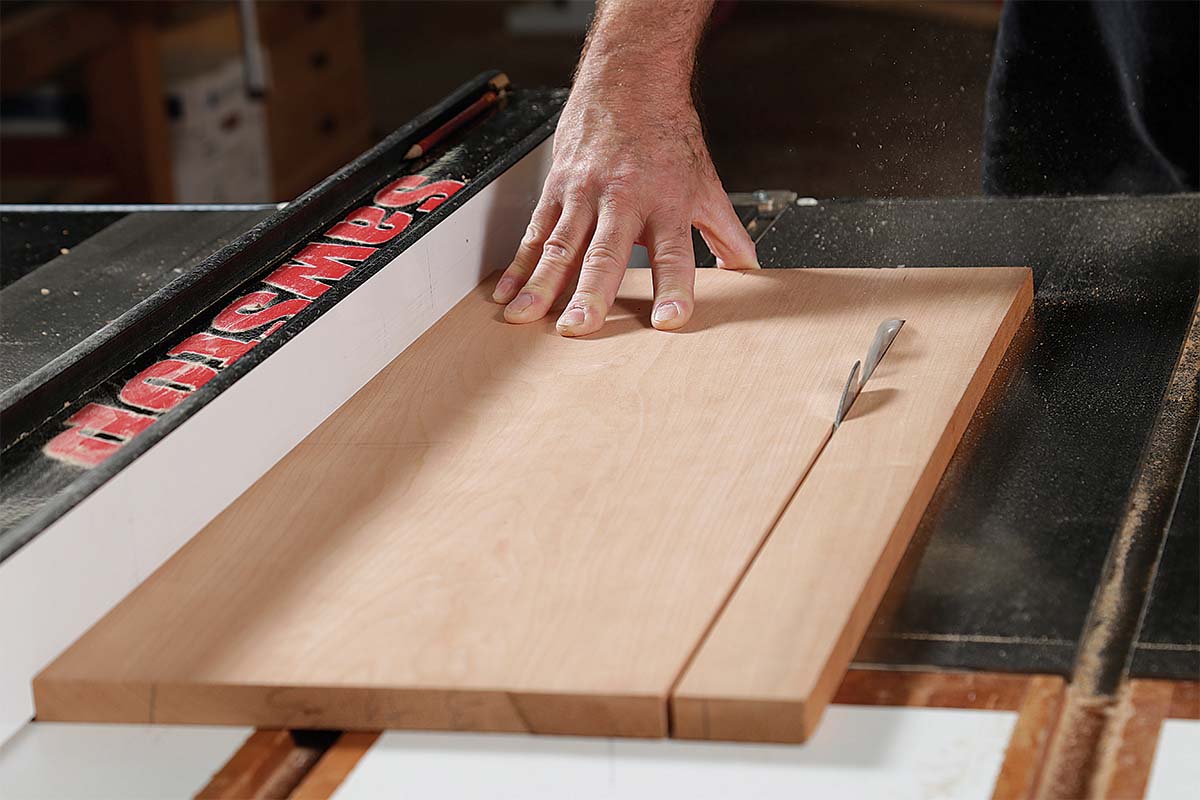
Image Source: images.finewoodworking.com
Why Ripping Long Boards is Important
Working with lumber often means you’ll encounter pieces that are longer than your standard table saw fence allows for safe and accurate ripping. Whether you’re breaking down lumber for furniture making, needing to create narrower strips from wider boards, or cutting large panels like MDF or plywood, the ability to safely and accurately rip long pieces is crucial. This process, often referred to as long panel ripping or long stock ripping techniques, requires a slightly different approach than ripping shorter pieces.
Safety First: The Paramount Concern
Before we dive into the techniques, let’s emphasize safety. Table saws are powerful tools, and when dealing with long, unwieldy materials, the risks are amplified. Always prioritize safety.
Essential Safety Gear
- Safety Glasses: Protect your eyes from flying sawdust and debris.
- Hearing Protection: Table saws are loud; earplugs or muffs are essential.
- Dust Mask or Respirator: Sawdust can be harmful to your lungs.
- Closed-Toe Shoes: Protect your feet from dropped tools or lumber.
Table Saw Safety Best Practices for Long Stock
- Never Reach Over the Blade: This is the golden rule. If you can’t keep your hands a safe distance from the blade, stop the saw and reposition.
- Maintain a Safe Distance from the Blade: Keep your body and hands out of the direct path of the blade.
- Use Push Sticks and Push Blocks: These are your best friends for guiding wood and keeping your hands away from danger.
- Ensure Proper Blade Height: The blade should extend just enough to clear the wood. A blade set too high increases the risk of kickback.
- Check Your Blade: Make sure the blade is sharp and properly installed. A dull blade can lead to kickback.
- Know Your Saw’s Limits: Don’t force the material through the saw.
- Clear Your Work Area: Remove any obstructions that could cause you to trip or stumble.
- Never Leave the Saw Running Unattended: Always turn off the saw when you step away.
Tools and Accessories for Long Board Ripping
Successfully ripping long boards often requires more than just your table saw. Specific jigs and accessories can make the process safer and more accurate.
Essential Table Saw Accessories
- Table Saw Fence: The built-in fence is your primary guide.
- Zero Clearance Insert: This helps support the workpiece and reduce tear-out, especially important when cutting plywood on table saw.
- Dado Stack (Optional): For cutting wider grooves or dados.
- Push Sticks and Push Blocks: As mentioned, these are non-negotiable.
- Blade Wrench: For blade changes.
Key Accessories for Long Board Ripping
- Table Saw Extension Table: This expands the support surface of your table saw, crucial for handling long boards and cutting large panels.
- Outfeed Table or Roller Stand: Provides support for the back end of the board as it exits the saw, preventing the cut-off piece from falling and jamming. This is essential for long panel ripping.
- Crosscut Sled (Modified): A standard crosscut sled can be modified to accommodate longer stock, or you can build a dedicated long-stock crosscut sled.
- Table Saw Jig for Long Cuts: This is where specialized jigs come into play. We’ll explore these in detail.
- Table Saw Fence Extension: Some aftermarket or DIY fence extensions can increase the capacity of your existing fence, especially useful for ripping wide boards.
Techniques for Ripping Long Boards
There are several methods for ripping long boards, each suited to different situations and lengths of material.
1. The Standard Rip with Support
This is the most straightforward method, but it requires careful attention to support.
Steps for Standard Rip with Support
- Set Up Support: Position an outfeed table or roller stand behind the table saw. Ensure it’s at the same height as the saw table. This is vital for preventing the long board from tipping or binding.
- Adjust Blade Height: Set the blade height so it extends about 1/8 to 1/4 inch above the top of the wood.
- Set Fence: Measure from the blade to the fence to set your desired rip width. Double-check with a tape measure.
- Guide the Wood: Place the long board on the table saw, with the edge you want to rip against the fence.
- Start the Cut: Turn on the saw and let it reach full speed.
- Feed the Wood: Begin feeding the board into the blade. Use a push stick to keep your fingers a safe distance from the blade.
- Support the Exit: As the board moves through, the outfeed support will catch the cut piece. Continue pushing until the entire board has passed through the blade.
- Finish the Cut: Once the cut is complete, turn off the saw.
Table 1: Considerations for Standard Rip with Support
| Factor | Detail | Impact on Long Boards |
|---|---|---|
| Outfeed Support | Crucial for stability, prevents tipping and binding. | Essential to prevent accidents and ensure clean cuts. |
| Blade Height | 1/8 to 1/4 inch above the wood. | Too high increases kickback risk; too low can cause overheating or poor cut quality. |
| Fence Setting | Accurate measurement from blade to fence. | Determines the width of your ripped piece. |
| Push Sticks/Blocks | Keep hands away from the blade. | Mandatory for safe operation. |
| Blade Condition | Sharp and clean blade. | Prevents binding and tear-out, especially when cutting MDF on table saw. |
2. Using a Table Saw Jig for Long Cuts (The Crosscut Sled Method)
For even greater stability and accuracy when ripping long boards on table saw, a modified crosscut sled can be adapted. While primarily for crosscutting, with some adjustments, it can be a valuable tool for ripping long, narrow pieces, especially when you need to be precise.
Adapting a Crosscut Sled for Long Rips
- Longer Fences: Ensure the sled’s fences are long enough to extend beyond the length of your board.
- Hold-Downs: Incorporate hold-down clamps or clamps that can secure the wood to the sled.
- Sacrificial Zero Clearance: A zero-clearance insert on the sled is highly beneficial.
Process with a Modified Sled
- Secure the Board: Place your long board on the modified sled and secure it firmly with clamps. Ensure the edge to be ripped is perfectly aligned with the sled’s fence (or a secondary fence attached to the sled).
- Position the Sled: Slide the sled, with the secured board, onto the table saw. The sled’s fence (or the attached secondary fence) will act as your guide against the table saw’s main fence.
- Blade Alignment: Ensure the blade is set to the correct height and aligned with the cut line.
- Feed the Sled: Push the sled smoothly through the blade. The sled’s design provides excellent stability.
- Support the Exit: As with the standard method, have outfeed support in place.
This method is particularly useful when breaking down lumber into very narrow strips where precise width is critical.
3. The Panel Ripping Sled
This is a dedicated table saw jig for long cuts designed specifically for ripping long boards on table saw and cutting large panels like plywood and MDF. These sleds typically feature a long, straight edge that runs along the table saw’s fence, and a fence or guide for the panel itself.
Building a Panel Ripping Sled
Building one of these requires some woodworking skill, but the benefits for long panel ripping are immense. The key components are:
- Base: A flat, stable material like MDF or a similar composite.
- Guide Fence: A long, straight piece of hardwood or MDF that runs parallel to the saw blade and slides along the table saw’s fence. This guide fence is critical for accuracy.
- Panel Fence: A perpendicular fence attached to the base that holds the panel you’re ripping against the guide fence.
Using a Panel Ripping Sled
- Align the Guide Fence: Place the sled on your table saw and align its guide fence perfectly parallel with the blade. Use a table saw alignment tool or a dial indicator for precision.
- Set the Rip Width: Measure from the blade to the panel fence to set your desired cut width.
- Position the Panel: Place your large sheet good or long board against the panel fence.
- Secure the Panel: Use clamps to hold the panel firmly to the sled.
- Feed the Sled and Panel: Push the entire assembly through the saw. The sled’s design ensures the panel moves in a straight line relative to the blade.
- Outfeed Support: Always use outfeed support.
This method is excellent for ripping large sheet goods and for cutting MDF on table saw where dimensional stability is important.
4. Using a Table Saw Fence Extension
For ripping wide boards or when your table saw’s built-in fence is simply too short for the length of your material, a table saw fence extension is invaluable. These can be purchased or DIYed.
DIY Table Saw Fence Extension
A common DIY approach involves using a long, flat piece of plywood or MDF. You’ll attach a hardwood strip to the underside that rides along the edge of your existing fence.
Attaching and Using a Fence Extension
- Attach the Extension: Securely attach your fence extension to the outfeed side of your existing fence. Ensure it is perfectly parallel.
- Set the Fence: Position the extended fence to your desired rip width.
- Support the Material: Use outfeed support as usual.
- Rip the Board: Feed the long board, keeping its edge against the extended fence.
This is a practical solution for increasing your table saw’s capacity without needing a completely new saw. It’s particularly helpful for breaking down lumber where the width of the cut is manageable but the length is extreme.
5. The Rip Clamping Jig
This jig is designed to hold your workpiece securely against the table saw fence for repetitive ripping operations or when you need extra assurance that the wood won’t move.
How a Rip Clamping Jig Works
This jig typically consists of a long bar that clamps to the table saw fence and a mechanism to clamp the workpiece to this bar. This effectively creates a movable, secure fence.
Benefits of a Rip Clamping Jig
- Enhanced Safety: Prevents the workpiece from shifting.
- Accuracy: Ensures consistent rip widths.
- Repetitive Cuts: Ideal for making multiple identical narrow strips.
When using this, you’ll clamp your long board to the jig’s arm, which is itself clamped to the main fence. You then feed the board with the jig acting as your extended fence. This is a very effective table saw jig for long cuts.
Specific Materials and Considerations
Different materials require slightly different approaches and blade choices.
Cutting Plywood on Table Saw and Cutting Large Panels
When cutting large panels like plywood or MDF, tear-out is a common issue.
- Blade Choice: Use a fine-tooth blade (60-80 teeth) designed for crosscuts or panel cutting. These blades create cleaner cuts with less tear-out.
- Zero Clearance Insert: Absolutely essential for supporting the wood fibers right next to the blade.
- Scoring: For critical cuts, score the cut line with a utility knife before ripping.
- Tape: Apply painter’s tape along the cut line to help minimize tear-out.
Cutting MDF on Table Saw
MDF is dense and abrasive, producing a lot of fine dust.
- Blade Choice: A carbide-tipped blade with at least 60 teeth is recommended. Consider blades specifically designed for MDF or particle board.
- Dust Collection: Excellent dust collection is paramount. MDF dust is very fine and can clog filters and be harmful.
- Blade Height: Ensure the blade height is set correctly.
Table Saw Blade Maintenance for Long Ripping
A sharp, clean blade is crucial for safe and efficient ripping, especially with long stock where the blade is engaged for a longer period.
Blade Sharpening and Cleaning
- Sharpening: Dull blades bind, create heat, and increase the risk of kickback. Have your blades professionally sharpened or invest in a good sharpening system.
- Cleaning: Resin and pitch buildup can also affect blade performance. Use a good blade cleaner.
Blade Types for Ripping
- Rip Blades: These blades have fewer teeth (24-30 teeth) and larger gullets, designed for efficient removal of wood along the grain. They are ideal for ripping wide boards.
- Combination Blades: Offer a balance between ripping and crosscutting. A 50-tooth blade can often do a good job for general ripping and even some panel work.
Advanced Tips and Techniques
- Repeatability: For making multiple identical rips, set your fence once and use it for all boards. If you’re ripping a very long board into narrower strips, consider ripping the first strip, then repositioning the fence for the second, and so on.
- Table Saw Fence Alignment: Ensure your fence is perfectly parallel to the blade. An out-of-square fence can cause binding and kickback. Use a dial indicator for precise alignment.
- Featherboards: Featherboards are excellent for holding the workpiece against the fence. They apply gentle, consistent pressure, reducing the chance of the wood shifting and improving cut quality. You can mount them directly to the table saw wings or to a sacrificial fence attached to the table.
- Magnetic Featherboards: These are particularly useful as they attach directly to the cast iron table and fence, providing a stable and adjustable hold.
- Running the Motor at Speed: Always let your table saw motor reach full speed before starting the cut. This ensures the blade has maximum power and stability.
- Controlled Feed Rate: Don’t rush the cut. A steady, controlled feed rate is key to a clean cut and prevents the blade from bogging down.
Troubleshooting Common Issues
Kickback
Kickback is when the wood is violently thrown back towards the operator. It’s the most dangerous table saw hazard.
Causes of Kickback When Ripping Long Boards
- Blade Binding: The wood pinches the blade. This can happen if the kerf closes behind the blade.
- Feeding Too Slowly: Allows the blade to grab the wood.
- Outfeed Support Failure: The cut-off piece drops and jams the blade.
- Fence Not Parallel: Causes the wood to bind against the blade.
- Dull Blade: Leads to binding and increased friction.
- Twisted or Warped Stock: The wood tries to twist into the blade.
Preventing Kickback
- Use outfeed support.
- Use featherboards to keep the wood against the fence.
- Ensure the fence is parallel to the blade.
- Use sharp blades.
- Never rip freehand without a fence.
- Use push sticks and blocks.
Tear-Out
Tear-out is when wood fibers are pulled out of the surface of the cut.
Causes of Tear-Out
- Dull Blade: The primary cause.
- Incorrect Blade Type: Using a ripping blade for a crosscut or vice-versa.
- Blade Height Too High: The blade’s teeth are biting too deeply into the wood before it’s supported.
- Lack of Support: Not using a zero-clearance insert or support on the exit side.
Minimizing Tear-Out
- Use sharp, appropriate blades.
- Use a zero-clearance insert.
- Adjust blade height correctly.
- Use painter’s tape along the cut line.
- Use featherboards to hold the wood down and against the fence.
Frequently Asked Questions (FAQ)
Q: What is the maximum length of a board I can rip on my table saw?
A: The maximum length is dictated by your table saw’s support system, particularly the length of your fence and the availability of outfeed support. With proper outfeed tables or roller stands, you can effectively rip boards much longer than your saw’s cast iron bed.
Q: Can I rip long boards with a standard table saw fence?
A: Yes, but it requires diligent use of outfeed support (roller stands, outfeed tables) to keep the board stable and prevent it from tipping or binding. Using featherboards is also highly recommended.
Q: What’s the best type of blade for ripping long boards?
A: For general ripping of solid lumber, a dedicated rip blade (24-30 teeth) is excellent. For panel goods like plywood or MDF, a higher tooth count blade (50-80 teeth) designed for clean cuts is preferred, often a combination blade works well for general use.
Q: How do I ensure my rip cut is perfectly straight when ripping a very long board?
A: Ensure your table saw’s fence is perfectly parallel to the blade. Use a table saw alignment tool or a dial indicator for precision. Also, use a jig, such as a panel ripping sled or a rip clamping jig, for maximum stability and accuracy.
Q: Is it safe to rip a board that is longer than my table saw bed?
A: Yes, it is safe as long as you have adequate outfeed support to prevent the board from tipping or falling, and you use appropriate safety techniques and accessories like push sticks and featherboards.
Q: What if my board is bowed or twisted?
A: Ripping bowed or twisted boards can be very dangerous due to the increased risk of kickback. It’s best to flatten or straighten such stock before ripping. If you must rip it, use extreme caution, good outfeed support, and featherboards to help control the wood’s movement.
Conclusion
Ripping long boards on a table saw is a fundamental woodworking skill. By understanding the safety precautions, utilizing the right tools and accessories like table saw jigs for long cuts and table saw fence extensions, and practicing the correct techniques for long stock ripping techniques, you can confidently tackle projects that involve breaking down lumber and cutting large panels. Whether you’re ripping wide boards or cutting plywood on table saw, safety and precision should always be your guiding principles. With this guide, you’re well-equipped to master the art of long board ripping.