
Can you remove a drill bit from a Black Decker drill? Yes, you absolutely can remove a drill bit from a Black Decker drill. The process is generally straightforward and depends on the type of drill chuck your Black Decker drill has. This guide will walk you through the steps for both keyless chucks and those that require a chuck key, along with troubleshooting for a stuck drill bit and general drill maintenance tips.
Drilling is a fundamental task, whether you’re hanging a picture, assembling furniture, or undertaking a more complex DIY project. A crucial part of this process is correctly inserting and, importantly, removing the drill bit. Sometimes, however, a drill bit can become stubborn, making removal a bit of a challenge. This guide is designed to help you tackle this common issue with your Black Decker drill. We’ll cover everything from the basic mechanics of the drill chuck to what to do when things don’t go as planned.
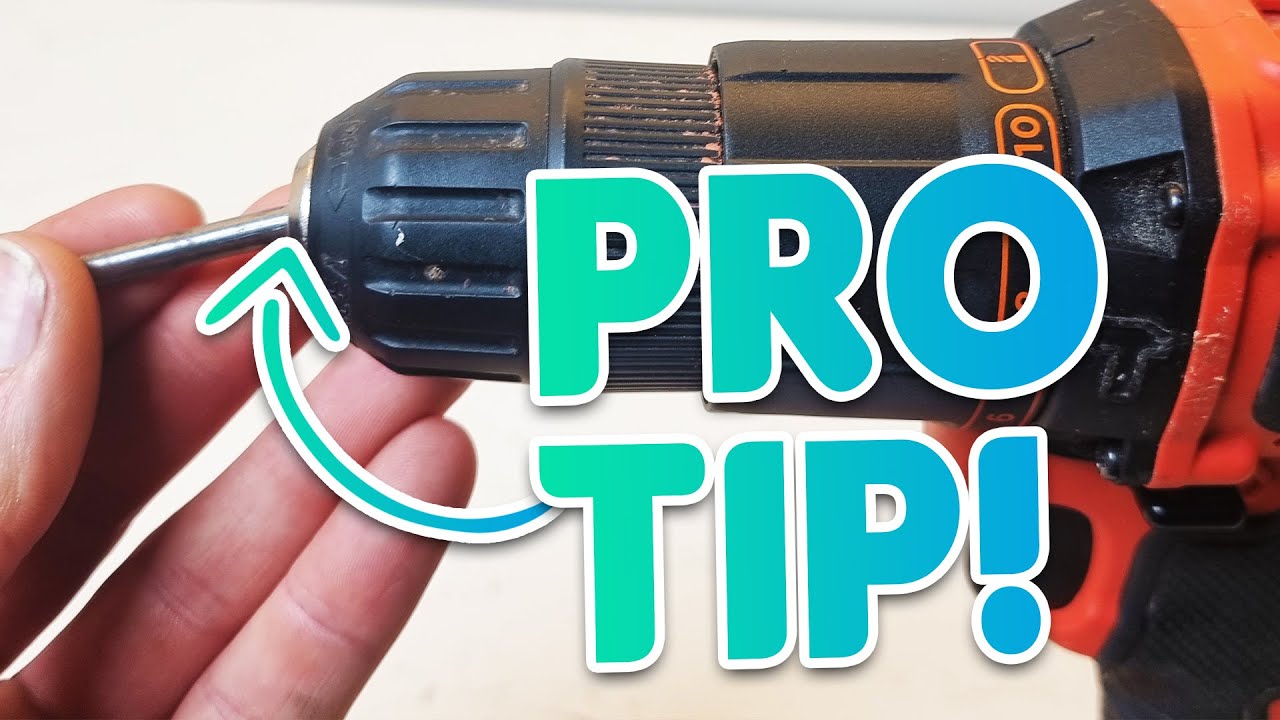
Image Source: i.ytimg.com
The Anatomy of Your Drill Chuck
Before we dive into the removal process, it’s helpful to know a little about the part that holds the drill bit: the drill chuck. The drill chuck is the part of the drill that grips the drill bit. It’s like the hand that holds the tool. Black Decker drills typically come with one of two main types of chucks:
Keyless Chucks
Most modern Black Decker drills feature a keyless chuck. This is a popular design because it allows for quick and easy bit changes without needing a separate tool.
- How it works: A keyless chuck has jaws that are opened and closed by twisting a collar around the front of the chuck. When you tighten the chuck, these jaws close in to grip the drill bit shank securely. To loosen it, you twist the collar in the opposite direction.
Chuck Key Operated Chucks
Some older or more basic Black Decker models might have a chuck that requires a chuck key.
- How it works: This type of chuck has small holes around its circumference. The chuck key is a small, T-shaped tool that fits into these holes. By turning the chuck key in one direction, you tighten the jaws onto the drill bit. Turning it the other way loosens the jaws.
How to Remove a Drill Bit: Step-by-Step
The method for removing a drill bit from your Black Decker drill depends on which type of chuck you have.
Removing a Bit from a Keyless Chuck
This is the most common scenario for many Black Decker drill owners.
- Ensure the Drill is Off: Always make sure the drill is switched off and unplugged (if corded) or the battery is removed (if cordless) before attempting to change or remove a drill bit. Safety first!
- Locate the Chuck Collar: Identify the collar at the front of the drill chuck. This is the part you’ll twist.
- Grip the Drill Body: Hold the main body of the drill firmly with one hand. This provides stability and prevents the drill from spinning if there’s any residual power.
- Twist the Chuck Collar: With your other hand, grip the chuck collar. You will need to twist it counter-clockwise (lefty-loosey) to loosen the jaws.
- Apply Steady Pressure: Apply firm, steady pressure as you twist. You might feel some resistance, especially if the bit has been in for a while or subjected to high torque.
- Open the Jaws: Continue twisting the collar until the jaws inside the chuck open up enough to release the drill bit. You’ll often hear a clicking sound as the jaws retract.
- Pull Out the Drill Bit: Once the jaws are sufficiently open, you should be able to pull the drill bit straight out of the chuck.
Removing a Bit from a Chuck Key Operated Chuck
If your Black Decker drill has the older style chuck, you’ll need your chuck key.
- Safety First: Just like with a keyless chuck, ensure the drill is turned off and unplugged or has its battery removed.
- Locate the Chuck Key Holes: Look for the small holes around the perimeter of the drill chuck.
- Insert the Chuck Key: Take your chuck key and insert the pointed end into one of the holes.
- Hold the Drill Body: Firmly grip the body of the drill with your other hand.
- Turn the Chuck Key: Rotate the chuck key counter-clockwise (lefty-loosey) to loosen the jaws. You might need to insert the key into different holes to get the best leverage.
- Loosen Sufficiently: Keep turning until the jaws are wide enough to release the drill bit.
- Remove the Drill Bit: With the jaws open, carefully pull the drill bit straight out.
Troubleshooting a Stuck Drill Bit
Sometimes, even with the right technique, a drill bit might refuse to budge. A stuck drill bit can be frustrating, but there are several things you can try.
Common Reasons for a Stuck Bit
- Over-tightening: If the chuck was tightened too much, the jaws might be gripping the bit very firmly.
- Heat Expansion: Drilling can generate heat, causing the metal of the bit and chuck to expand slightly, which can make removal difficult.
- Debris or Rust: Small metal shavings, dust, or rust can get lodged between the jaws and the bit, preventing them from opening properly.
- Worn Jaws: Over time, the jaws of the chuck can wear down, reducing their grip and potentially leading to sticking.
Strategies for Removing a Stuck Bit
Here are some methods to try when a drill bit is stuck:
- Apply More Force (Carefully): Sometimes, you just need a bit more leverage. Ensure you’re gripping the drill body and the chuck collar (or chuck key) as securely as possible. If using a keyless chuck, try gripping the collar with a pair of pliers for extra grip, but be gentle to avoid damaging the collar.
- Tap the Chuck: With the drill powered off and the bit still in place, gently tap around the chuck collar with a rubber mallet or the handle of a screwdriver. The vibrations can help dislodge any debris or break the seal holding the bit. After tapping, try loosening the chuck again.
- Use Penetrating Oil: For stubborn bits, a small amount of penetrating oil (like WD-40) can be very effective. Apply a few drops directly to the chuck jaws and the area where the bit enters the chuck. Let it sit for 5-10 minutes to allow the oil to work its way in. Then, try to loosen the chuck again. Important: Wipe away any excess oil before attempting to drill with a new bit to avoid slippage.
- Reverse the Gripping Force (for Keyless Chucks): If you’re struggling to twist the collar, try gripping the drill’s motor housing firmly and then using a wrench or pliers on the chuck collar to provide a more powerful counter-clockwise twist. Be cautious not to apply so much force that you damage the drill.
- Heat (Use with Extreme Caution): In rare, very stubborn cases, a tiny amount of heat applied to the chuck collar (not the drill bit itself) might help expand the collar slightly, breaking the grip. This is a last resort and should be done with extreme caution. Use a heat gun on a low setting and heat only the collar for a very short period. Always allow the chuck to cool before attempting removal, and be aware of potential damage to plastic parts or internal lubricants.
- Check the Drill Chuck Removal: If the entire drill chuck seems to be the problem, or if you suspect the chuck itself is damaged, you might need to consider drill chuck removal. This is a more advanced procedure usually involving a screw inside the chuck that needs to be loosened (often reverse-threaded). If you’re not comfortable with this, it’s best to seek professional help or consider replacing the chuck.
Maintaining Your Black Decker Drill for Longevity
Proper drill chuck maintenance is key to preventing issues like stuck drill bits and ensuring your Black Decker drill performs reliably.
Regular Cleaning
- After Each Use: Wipe down the chuck and the drill bit after each use. This removes dust, metal shavings, and moisture that can lead to rust or debris buildup.
- Periodic Deep Cleaning: Every few months, or if you notice any stiffness or debris, use a small brush (like an old toothbrush or a brass brush) to clean the chuck jaws and the chuck collar. You can use a bit of compressed air to blow out any loose particles.
Lubrication
- Chuck Mechanism: Over time, the internal mechanism of the chuck can become dry. A very small amount of light machine oil or silicone lubricant applied to the moving parts of the chuck (where the jaws slide) can help keep it operating smoothly. Do not over-lubricate, as excess oil can attract dirt.
- Chuck Key Threads: If your drill has a chuck key operated chuck, a small amount of grease on the threads of the chuck key can make it easier to insert and turn.
Inspecting for Wear
- Jaw Condition: Periodically inspect the jaws of the chuck. If they appear chipped, worn down, or have deep nicks, they might not be gripping bits effectively, and the chuck may need replacing.
- Collar Smoothness: Ensure the collar on a keyless chuck twists smoothly. If it feels gritty or binds, cleaning and light lubrication might help.
Proper Storage
- Dry Environment: Store your Black Decker drill in a dry place. Moisture is the enemy of metal parts and can lead to rust, making removal of drill bits more difficult.
- Protect the Chuck: Avoid storing the drill where the chuck can be easily damaged or impacted.
Drill Bit Replacement and Types
Knowing how to remove an old drill bit is just one part of the process. Understanding different drill bit types and how to properly replace them is also essential for effective drilling.
Common Drill Bit Types
- Twist Bits: The most common type, used for drilling holes in wood, metal, and plastic.
- Spade Bits (Paddle Bits): Flat bits with a pointed tip, designed for drilling larger holes in wood.
- Masonry Bits: Have a carbide tip designed for drilling into concrete, brick, and stone.
- Wood Bits: Specifically designed for drilling clean holes in wood, often featuring a pilot point.
- Forstner Bits: Used to drill clean, flat-bottomed holes in wood.
When to Replace a Drill Bit
Drill bits wear out. You’ll know it’s time for a drill bit replacement when:
- Drilling Becomes Slower: The bit is struggling to cut through material.
- Overheating: The bit or the material you’re drilling gets excessively hot.
- Rough Holes: The holes produced are jagged or imprecise.
- Broken Tip: The tip of the bit is chipped or broken.
- Dullness: You can’t feel the “bite” of the bit when you start drilling.
Black Decker Drill Maintenance Checklist
Here’s a quick checklist to help with your Black Decker drill maintenance:
| Task | Frequency | Notes |
|---|---|---|
| Clean Chuck | After each use | Wipe away dust and debris. |
| Inspect Chuck Jaws | Monthly | Check for wear, damage, or debris. |
| Lubricate Chuck | Every 6 months | Lightly oil moving parts if needed. |
| Clean Drill Body | Monthly | Wipe down the exterior to remove dust. |
| Check Cord/Battery | Monthly | Inspect for damage. |
| Store Properly | Always | Keep in a dry, protected environment. |
Frequently Asked Questions (FAQ)
Q1: Can I use pliers to remove a drill bit from my Black Decker drill?
A: Yes, for a keyless chuck, you can use pliers to grip the chuck collar for extra leverage when loosening. However, be gentle to avoid damaging the collar. For chuck-key models, pliers are not applicable as you use the chuck key.
Q2: My Black Decker drill chuck won’t open. What should I do?
A: If the chuck won’t open, it might be stuck due to debris or over-tightening. Try tapping the chuck collar gently with a rubber mallet to dislodge anything. If that doesn’t work, apply a small amount of penetrating oil to the jaws, let it sit, and then try again.
Q3: How often should I lubricate my Black Decker drill chuck?
A: Lubrication isn’t usually needed frequently. If you notice the chuck collar becoming stiff or difficult to turn, a very small amount of light machine oil or silicone lubricant on the moving parts of the jaws can help. Over-lubrication can attract dust, so use it sparingly.
Q4: What is the difference between a keyless chuck and a chuck key chuck?
A: A keyless chuck allows you to tighten and loosen the drill bit by simply twisting a collar on the chuck itself. A chuck key chuck requires a separate T-shaped tool (the chuck key) that inserts into holes on the chuck to tighten or loosen the jaws.
Q5: Is it normal for the drill chuck to get hot during use?
A: Yes, it’s normal for the drill chuck to get warm, especially during prolonged drilling or when drilling hard materials. Excessive heat could indicate a dull drill bit or that you’re pushing the drill too hard.
By following these steps and tips for Black Decker drill maintenance, you can ensure that removing drill bits remains a simple, hassle-free part of your DIY projects. Remember, proper care of your tools leads to better performance and a longer tool life.