
Can you change a Skill Saw blade yourself? Yes, you absolutely can change a Skill Saw blade yourself with a few simple tools and by following safety guidelines. This guide will walk you through the process of removing and replacing your Skill Saw blade safely and efficiently, ensuring your DIY skill saw maintenance is a breeze. We’ll cover everything you need to know about changing a saw blade, from preparing your tool to the final installation of a cutting disc change.
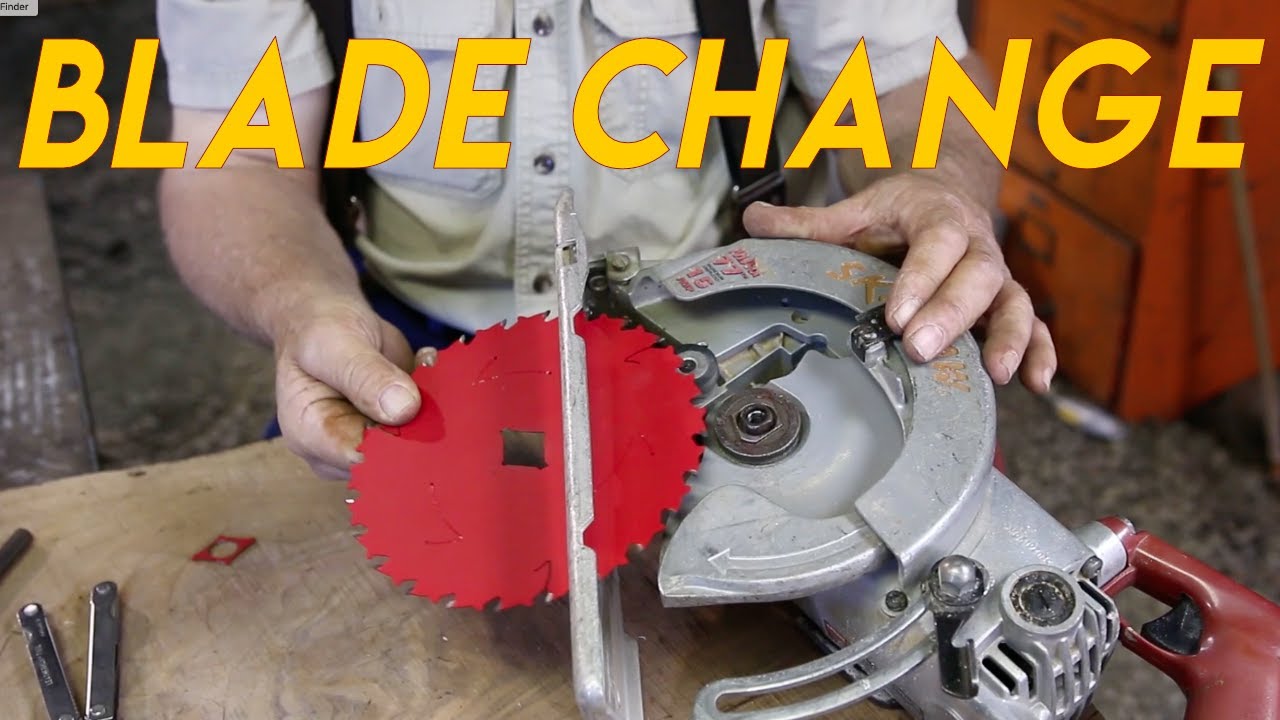
Image Source: i.ytimg.com
Preparing Your Skill Saw for Blade Removal
Before you even think about touching your Skill Saw, safety is paramount. The most critical first step when removing a blade from any power tool is to ensure it’s completely de-energized. This means unplugging the saw blade from its power source. Whether your Skill Saw is corded or battery-powered, always disconnect it. For corded saws, remove the plug from the wall outlet. For cordless models, take the battery out. Never assume the tool won’t accidentally turn on. This simple act is the cornerstone of safe tool blade removal.
Beyond power disconnection, wear the right safety gear. This includes:
- Safety Glasses or Goggles: Essential to protect your eyes from any flying debris or accidental blade contact.
- Work Gloves: Provide a better grip and protect your hands from sharp edges.
- Hearing Protection: While not directly related to blade removal, it’s good practice if you’ll be running the saw soon after.
Clear your workspace. Make sure there’s enough light and that the area is free from clutter. You don’t want anything to obstruct your movement or cause you to trip while handling the tool.
Tools You’ll Need for Skill Saw Blade Replacement
Having the right tools makes the job much easier and safer. For most Skill Saw blade replacement tasks, you’ll typically need:
- The correct replacement blade: Ensure it’s the right size and type for your specific Skill Saw model and the material you intend to cut.
- A wrench or hex key: Most Skill Saws come with a specific wrench or hex key that fits the blade arbor nut. If you’ve misplaced yours, check your owner’s manual or the manufacturer’s website for the correct size. Some models use a spindle lock button that, when pressed, allows you to turn the arbor nut with just a wrench.
- A flathead screwdriver or pry tool (optional): In some cases, you might need this to gently pry off a stubborn blade.
Steps to Safely Remove a Skill Saw Blade
Removing a circular saw blade involves a few key steps, all centered around ensuring the blade is securely held while you loosen the retaining nut.
Step 1: Secure the Saw
Place your Skill Saw on a stable, flat surface. It’s best to have the base plate (the part that rests on the material being cut) facing upwards. This gives you better access to the blade and makes it easier to apply pressure.
Step 2: Engage the Spindle Lock (If Applicable)
Many modern Skill Saws have a spindle lock button. This button engages a mechanism that prevents the spindle from rotating, making it much easier to loosen the arbor nut. Locate this button (often near the motor housing or blade guard) and press it firmly.
Step 3: Loosen the Arbor Nut
Now, with the spindle lock engaged, use the appropriate wrench or hex key to turn the arbor nut counter-clockwise. Remember the common adage for screws and nuts: “righty-tighty, lefty-loosey.” Apply steady pressure. If the nut is tight, you might need a bit of force.
- Important Note: If your Skill Saw doesn’t have a spindle lock, you might need to use a block of wood to hold the blade in place while you turn the nut. Place a piece of wood against the teeth of the blade and then use your wrench to turn the nut. Be careful not to apply too much force that could damage the blade teeth or your workpiece.
Step 4: Remove the Arbor Nut and Outer Flange
Once the nut is loose enough, you can unscrew it by hand. Keep the nut and the outer flange (the metal washer that sits on top of the blade) together, as you’ll need them for the new blade.
Step 5: Remove the Blade
With the arbor nut and outer flange removed, the old blade should now be free. Carefully slide it off the spindle. Be mindful of the sharp edges.
Changing Saw Blade: Installing the New Blade
Now that you’ve successfully removed the old blade, it’s time for skill saw blade replacement. The process is essentially the reverse of removal.
Step 1: Inspect the Spindle and Flanges
Before installing the new blade, take a moment to check the spindle for any debris or damage. Also, examine the inner and outer flanges. Ensure they are clean and free from burrs. If either flange is damaged, it’s best to replace it to ensure the new blade runs true.
Step 2: Position the New Blade
Align the new blade with the spindle. Many blades have a directional arrow indicating the direction of rotation. Ensure this arrow points in the same direction as the original blade was mounted. The blade should fit snugly onto the spindle.
Step 3: Reattach the Outer Flange and Arbor Nut
Place the outer flange back onto the spindle, followed by the arbor nut. Thread the nut on by hand, ensuring it’s going on straight and not cross-threading.
Step 4: Tighten the Arbor Nut
Using the wrench or hex key, tighten the arbor nut clockwise. Again, engage the spindle lock if your saw has one. Tighten the nut securely, but avoid overtightening, as this can damage the blade or the spindle. A good firm snug is usually sufficient.
Step 5: Test the Blade Rotation
Spin the blade by hand to ensure it rotates freely without any wobbling or catching. Check that the blade guard operates smoothly.
Common Issues and Troubleshooting During Tool Blade Removal
Sometimes, things don’t go as smoothly as planned. Here are a few common issues you might encounter during tool blade removal and how to address them:
- Stubborn Arbor Nut: If the arbor nut is exceptionally tight, you can try a penetrating oil (like WD-40) applied to the threads. Let it sit for a few minutes before trying to loosen it again. Ensure you have a good grip on the wrench.
- Spindle Lock Not Engaging: If the spindle lock button won’t engage, the internal mechanism might be jammed. Try wiggling the blade slightly while pressing the button. If it still doesn’t work, you might need to consult your saw’s manual or seek professional help.
- Blade Guard Obstruction: Sometimes the blade guard can get in the way of accessing the arbor nut. Most guards are spring-loaded and can be pushed out of the way to access the blade.
Types of Skill Saw Blades and When to Change Them
Choosing the right blade is as important as knowing how to change it. Different blades are designed for different materials and cutting tasks.
| Blade Type | Teeth Count | Best For |
|---|---|---|
| General Purpose | 24-30 | Rough cuts in wood, plywood, particleboard |
| Fine Finish | 40-60 | Smooth cuts in wood, laminates, veneers |
| Metal Cutting | 60+ | Non-ferrous metals, plastics |
| Drywall/Masonry | Diamond Grit | Drywall, tile, concrete, brick |
You should consider changing your Skill Saw blade when:
- It’s dull: A dull blade makes cutting harder, produces rougher cuts, and can put extra strain on your saw.
- It’s damaged: Cracked or chipped teeth can be dangerous and will result in poor cut quality.
- You’re switching materials: Using a wood blade to cut metal, for example, will quickly ruin the blade and produce unsafe results.
- You need a specific type of cut: A fine-finish blade won’t work well for ripping lumber, and a general-purpose blade won’t give you a smooth edge on plywood.
Power Saw Blade Installation: Fine-Tuning Your Cut
The process of power saw blade installation can significantly impact the quality of your cuts. Beyond just tightening the nut, ensure the blade is seated correctly on the spindle and that the flanges are clean and flat.
- Blade Runout: A bent or warped blade will cause “runout,” meaning the blade doesn’t spin perfectly true. This leads to wavy cuts and can be dangerous. Always check for runout by gently spinning the blade by hand after installation.
- Balancing: Some high-end blades are designed for better balance to reduce vibration. Ensure you’re installing the blade correctly according to the manufacturer’s instructions.
Safe Blade Swap: Essential Safety Practices Recap
To recap the most critical aspects of a safe blade swap:
- Always disconnect power. This is non-negotiable.
- Wear appropriate safety gear. Protect your eyes and hands.
- Use the correct tools. The right wrench or hex key makes the job easier and safer.
- Engage the spindle lock. If your saw has one, use it!
- Ensure the new blade is correctly oriented. Check for directional arrows.
- Tighten the arbor nut securely but do not overtighten.
- Test the blade for free rotation.
Maintaining Your Skill Saw Parts
Proper maintenance extends beyond just blade changes. Keeping your Skill Saw parts clean and in good working order will prolong the life of your tool and ensure safer operation.
- Blade Guard: Ensure the blade guard moves freely and retracts and returns to its protective position properly after each cut. If it’s stiff or damaged, it needs repair or replacement.
- Base Plate: Keep the base plate clean. Dust and debris can affect the stability of the saw on your workpiece.
- Ventilation: Ensure the motor vents are clear of dust and debris. Overheating can damage the motor.
Frequently Asked Questions About Skill Saw Blade Removal
Q1: How often should I change my Skill Saw blade?
A1: The frequency depends on how much you use your saw and what materials you cut. A good rule of thumb is to change it when you notice dullness, difficulty cutting, or a rough finish on your cuts. For heavy use, you might need to replace it every few months.
Q2: Can I use a different brand of blade on my Skill Saw?
A2: Generally, yes, as long as the blade’s arbor size (the hole in the center) matches your saw’s spindle, and the blade diameter is appropriate for your saw model. Always check your Skill Saw’s manual for recommended blade specifications.
Q3: What if I lose the wrench that came with my Skill Saw?
A3: You can usually find replacement wrenches or the correct size hex keys at your local hardware store. Check your Skill Saw’s manual for the exact size needed.
Q4: Is it dangerous to change a Skill Saw blade if I’m not experienced?
A4: While it’s a straightforward process, it’s crucial to follow safety precautions diligently. If you’re unsure, practice with an unplugged saw first, or ask a more experienced friend or a professional for guidance. The key is always to disconnect power before starting.
By following these detailed steps and safety guidelines, you can confidently perform skill saw blade replacement and keep your tool in excellent working condition for all your cutting projects. Remember, a sharp blade and a well-maintained saw are your best allies for safe and effective DIY work.