
What is table saw kickback? Table saw kickback is when the wood you’re cutting is violently thrown back towards you by the spinning blade. Can I prevent it? Yes, you absolutely can prevent table saw kickback by using proper techniques, safety equipment, and maintaining your saw. Who is at risk? Anyone using a table saw, especially beginners, is at risk if proper safety measures are not followed.
The table saw is a powerful and versatile tool for woodworking, but it can also be dangerous if not used correctly. One of the most serious hazards is kickback. Understanding how to prevent table saw kickback is crucial for any woodworker’s safety. This detailed guide will walk you through the essential steps to keep yourself safe and your projects on track.
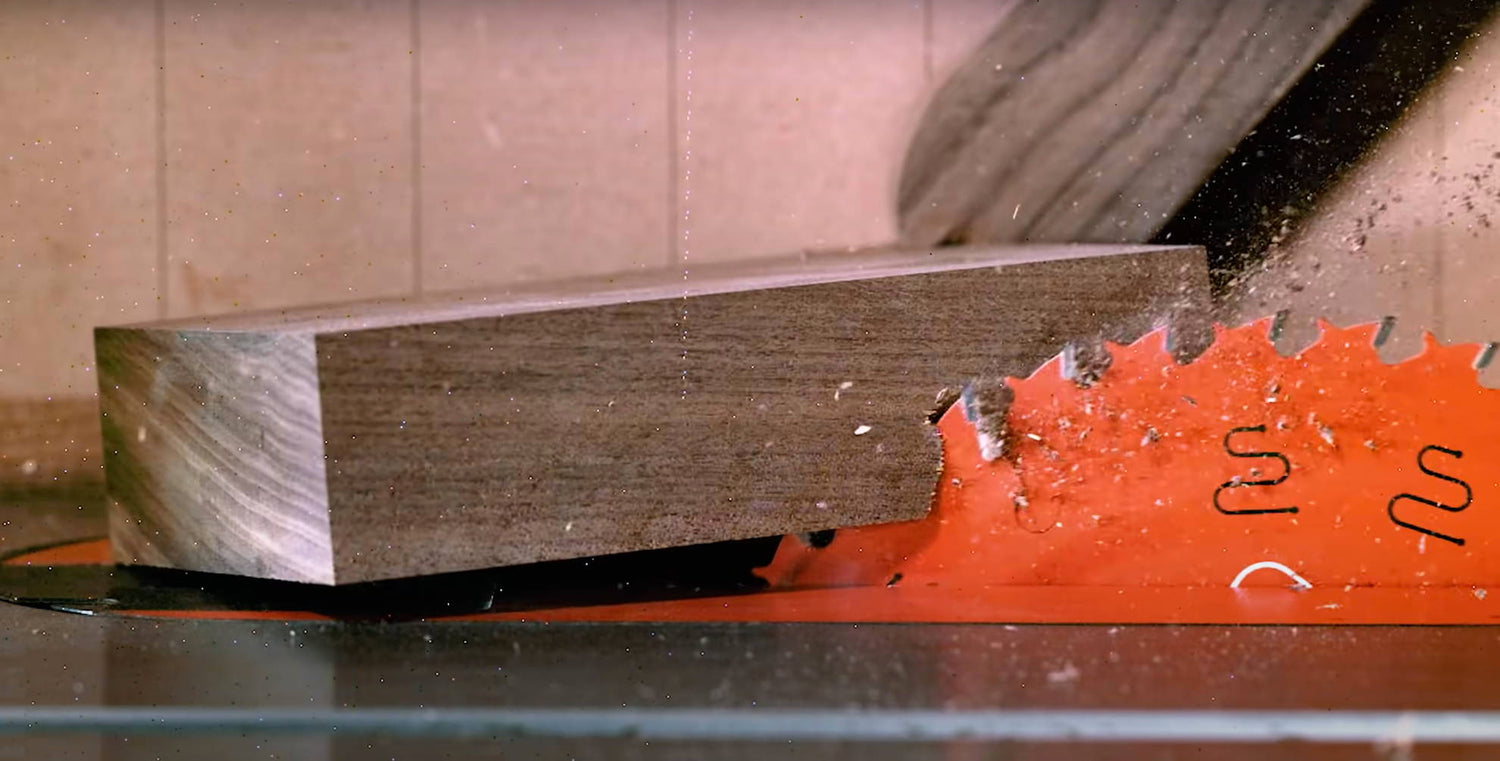
Image Source: kmtools.com
What Causes Table Saw Kickback?
Kickback happens when the spinning blade grabs the wood and forces it back at high speed. This can occur for several reasons:
- Wood Binding: The wood pinches the blade as it passes through. This can happen if the wood is warped, has internal stresses, or if the cut is not kept properly open.
- Blade Contact: The offcut piece of wood touches the back of the spinning blade after it has been cut.
- Improper Setup: The blade guard or riving knife is not properly aligned or is missing.
- Incorrect Feeding: Pushing the wood too fast or too slow, or at an improper angle, can lead to binding.
- Warped or Twisted Stock: Using wood that is not flat can cause it to twist and bind against the blade.
Essential Safety Gear and Saw Features
Your table saw is equipped with several safety features designed to prevent kickback. Making sure these are present, in good working order, and used correctly is your first line of defense.
The Importance of the Blade Guard
The blade guard is a crucial component. It shields the blade from above and helps contain debris and wood chips. A good blade guard also often incorporates dust collection, which is a double win for safety and a clean workspace.
- Function: Protects the user from accidental contact with the spinning blade.
- Kickback Prevention: Some guards are designed to help prevent the offcut from rising and contacting the back of the blade.
- Maintenance: Ensure it is properly attached and adjusted. Never remove it unless absolutely necessary for specific tasks (and even then, proceed with extreme caution and use other safety measures).
The Crucial Role of the Riving Knife
The riving knife is arguably the most important component for preventing kickback. It’s a thin piece of metal that sits behind the blade, aligned with the kerf (the width of the cut).
- Function: It follows the blade and keeps the kerf open after the wood has been cut, preventing the offcut from closing and binding on the back of the blade.
- Types:
- Fixed Riving Knives: These are set at a specific height and are suitable for most common cuts.
- Splitter Riving Knives: These are similar to fixed knives but can be adjusted for different blade thicknesses.
- Variable Height Riving Knives: These can be raised or lowered to match the blade height, offering the most versatility.
- Selection: Always use a riving knife that is thinner than or equal to the blade’s kerf. It should also be slightly thicker than the blade body itself.
- Maintenance: Ensure it is straight, not bent, and properly aligned with the blade.
Anti-Kickback Pawls: Your Last Line of Defense
Anti-kickback pawls, also known as pawls or dogs, are small, toothed devices that are often mounted on the blade guard or as a separate accessory.
- Function: If kickback occurs and the wood starts moving backward, the pawls dig into the wood, preventing it from being thrown back further.
- Placement: They are designed to engage with the wood only when it moves backward.
- Operation: They are spring-loaded and pivot to allow forward movement of the wood but catch it if it moves in reverse.
- Importance: While they are a critical safety feature, they are considered a secondary defense. Preventing kickback in the first place is always the primary goal.
The Necessity of Push Sticks and Push Blocks
While not attached to the saw itself, push sticks and push blocks are essential tools for safely guiding wood through the blade, especially for smaller pieces or when your hands would otherwise be too close to the blade.
- Push Sticks: Long, thin pieces of wood or plastic with a notch that hooks over the edge of the workpiece, allowing you to push it forward.
- Push Blocks: Solid blocks of wood or plastic with a handle and a gripping surface on the bottom. They provide more downward pressure and control.
- Usage: Always use them when your hands are within 6 inches of the blade. Never use your fingers to push the wood.
Zero Clearance Inserts: Enhancing Support
A zero clearance insert is a custom insert for your table saw that fits snugly around the blade.
- Function: It provides better support for the workpiece, especially for veneers or thin materials, reducing the chance of them falling into the gap around the blade and causing binding.
- Benefit: It minimizes the gap around the blade, preventing small pieces from falling through and helping to keep the workpiece stable during the cut.
Safe Operating Procedures to Prevent Kickback
Beyond the equipment, your actions and the way you handle the wood are paramount in preventing kickback.
Achieving Proper Workpiece Control
Workpiece control is about maintaining constant, steady contact between the wood and the table and fence.
- Maintain Contact: Always keep the workpiece pressed firmly against the table and the rip fence (for ripping operations) or against the miter gauge (for crosscutting).
- Avoid Freehand Cutting: Never attempt to cut freehand without a fence or miter gauge. This significantly increases the risk of the wood binding.
- Support the Offcut: Ensure the offcut piece is supported and doesn’t fall or twist, which could cause it to contact the back of the blade.
Maintaining the Correct Stance
Your proper stance provides stability and allows you to apply consistent pressure.
- Balance: Stand to the side of the blade, not directly in line with it. This way, if kickback occurs, the wood will be thrown away from your body.
- Stable Footing: Have your feet shoulder-width apart and balanced. Avoid standing too close to the saw.
- Lean In: Lean slightly into the workpiece to help maintain steady pressure as it moves through the blade.
Controlling the Feed Rate
The feed rate is the speed at which you push the wood through the blade.
- Too Fast: Feeding too quickly can cause the blade to bog down and bind.
- Too Slow: Feeding too slowly can cause the wood to scorch and can also lead to the blade grabbing the wood.
- Consistency: Aim for a smooth, consistent feed rate. Listen to the sound of the saw; a consistent hum usually indicates a good feed rate. If the motor struggles, you are feeding too fast. If the wood is scorching, you are feeding too slowly.
- Helper: For larger pieces, have a helper to guide the outfeed end, ensuring it stays supported and doesn’t twist.
Setting the Correct Blade Height
The blade height is crucial for both safety and cut quality.
- Ideal Height: The top of the blade teeth should extend no more than 1/4 inch to 1/2 inch above the surface of the workpiece.
- Why it Matters:
- Too High: Exposes more of the blade, increasing the risk of contact and making it more prone to grabbing and throwing the wood.
- Too Low: Can lead to inefficient cutting and might not provide enough clearance for thicker materials, potentially causing binding.
- Adjustment: Always disconnect power to the saw before adjusting the blade height.
Safe Cutting Techniques
Specific cutting methods require attention to detail to prevent kickback.
Ripping Operations
Ripping is cutting wood along its grain, typically using the rip fence.
- Rip Fence Use: Always use the rip fence to guide the wood. Ensure it is parallel to the blade.
- Push Block Essential: For narrower rips (less than 6 inches), always use a push stick or push block to keep your hands away from the blade.
- Avoid Ripping Short Pieces: Never rip pieces that are too short to be safely guided by a push stick or block.
- Supporting Long Boards: For long boards, have someone to support the outfeed end, or use outfeed tables or roller stands.
- Warped Wood: Avoid ripping warped or twisted boards. If you must, try to straighten them first or use a jig.
Crosscutting Operations
Crosscutting is cutting wood across its grain, typically using a miter gauge or a crosscut sled.
- Miter Gauge: Always use the miter gauge. Ensure it is set accurately to the desired angle.
- Support the Offcut: For crosscuts, especially when cutting smaller pieces, use a stop block on the fence or miter gauge to support the offcut. This prevents it from falling and binding on the back of the blade.
- Crosscut Sleds: These are excellent for stability and control, especially for small or irregularly shaped pieces.
- Table Saw Crosscut Jigs: Numerous jigs can be made or purchased to assist with safe crosscutting.
Avoiding Common Kickback Traps
Certain situations are more prone to causing kickback. Be aware of these and take extra precautions.
- Cutting Grooves or Dados Without Proper Jigs: Cutting wide grooves with a standard blade can be tricky. Consider using a dado blade set carefully, or making multiple passes with a standard blade, ensuring the kerf stays open.
- Cutting Round Stock: Round stock can easily roll. Always use a jig or clamp to secure it firmly to the fence or miter gauge.
- Ripping Plywood Without Support: Thin plywood can flex and bind. Support both sides of the sheet, especially the offcut.
- Cutting with a Dull Blade: A dull blade requires more force to cut, increasing the likelihood of binding and kickback. Keep your blades sharp.
Maintaining Your Table Saw for Safety
A well-maintained table saw is a safer table saw.
Blade Maintenance: Sharpness and Alignment
- Sharp Blades: Regularly check and sharpen your table saw blades. A sharp blade cuts cleanly and requires less force, reducing the chance of binding.
- Blade Alignment: Ensure the blade is perfectly square to the table and the fence. Misalignment can lead to binding and inaccurate cuts.
- Blade Type: Use the appropriate blade for the type of cut. Ripping blades have fewer teeth and aggressive gullets, while crosscut blades have more teeth for a cleaner cut.
Fence Calibration
- Parallelism: The rip fence must be perfectly parallel to the blade. Check this regularly. If it’s not parallel, it can cause the wood to bind.
- Squareness: The fence should also be square to the table.
Dust Collection and Its Safety Role
While not directly preventing kickback in the moment of the cut, effective dust collection contributes to a safer environment and can indirectly help.
- Visibility: A clean workspace with good dust collection improves visibility, allowing you to better monitor the cut and your workpiece.
- Reduced Fire Hazard: Sawdust buildup is a fire hazard.
- Improved Air Quality: Breathing less dust is better for your health.
Advanced Safety Techniques and Jigs
For certain operations, specialized techniques and jigs can greatly enhance safety.
Using a Crosscut Sled
A crosscut sled is a jig that provides a stable platform for crosscutting. It has a fence that attaches to the table saw, ensuring the cut is perfectly square (or at a desired angle if the sled is designed for it).
- Benefits:
- Excellent workpiece support.
- Ensures square cuts.
- Keeps hands away from the blade.
- Ideal for small pieces and offcuts.
Building a Table Saw Jig for Ripping Narrow Stock
For ripping very narrow pieces (e.g., less than 1 inch), a specialized jig can provide a safer grip and guide. These often involve a T-slot on the jig that runs along the fence, with a sliding piece to push the stock.
Using a Dado Stack Safely
Dado stacks create wide grooves or dados.
- Manufacturer Instructions: Always follow the manufacturer’s instructions for your dado stack and table saw.
- Riving Knife Compatibility: Some dado stacks require a special dado throat plate and may not be compatible with all riving knives.
- Slow Feed Rate: Use a slower, consistent feed rate when cutting dados.
- Support: Ensure the workpiece is well-supported.
What to Do If Kickback Happens
Even with the best precautions, accidents can happen. Knowing how to react is important.
- Stay Calm: The most important thing is to not panic.
- Turn Off the Saw: If possible and safe to do so, immediately turn off the saw.
- Do Not Reach for the Wood: Never try to catch or grab the violently moving wood.
- Assess the Situation: Once the saw has stopped and the wood is no longer moving, assess the scene and check for any injuries.
- Review Your Technique: After an incident, take time to review what might have caused the kickback and adjust your technique.
Frequently Asked Questions (FAQ)
Q1: Can I use my table saw without a blade guard?
A1: It is highly recommended to always use a blade guard. While there are specific tasks where removing it might seem necessary, extreme caution and alternative safety measures (like push sticks and careful workpiece control) must be employed. Never operate the saw without a blade guard unless you have a very specific reason and are taking advanced safety precautions.
Q2: Is it safe to rip warped wood?
A2: Ripping warped wood is inherently dangerous and significantly increases the risk of kickback. If you must rip warped wood, try to straighten it first using other methods or use specialized jigs to hold it securely.
Q3: How often should I check my riving knife and pawls?
A3: It’s good practice to inspect your riving knife and anti-kickback pawls before each use, or at least regularly. Check for damage, bending, or misalignment. Ensure the pawls are free to move and engage.
Q4: What is the difference between a riving knife and a splitter?
A4: In many contexts, the terms are used interchangeably. However, a splitter is often a fixed piece of metal that stays at a set height, whereas a riving knife is designed to “rive” or split the wood apart as it’s cut and is usually designed to match the blade’s profile more closely. Modern table saws typically use riving knives.
Q5: Should I use a push stick for every cut?
A5: You should use a push stick or push block whenever your hands would come within 6 inches of the blade. This includes most ripping operations and any crosscuts where you are manually guiding the wood.
By diligently applying these safety principles, maintaining your equipment, and being aware of the potential causes of kickback, you can significantly reduce the risks associated with using a table saw and enjoy a safer woodworking experience.