
Can you use a Ryobi circular saw for various cutting tasks? Yes, absolutely! Ryobi circular saws are powerful and versatile tools perfect for home projects, DIY enthusiasts, and even some professional applications. They make cutting wood, laminate, and even some plastics straightforward and efficient. This guide will walk you through everything you need to know for safe and easy Ryobi saw operation, covering Ryobi saw basics, essential safety measures, and effective cutting techniques.
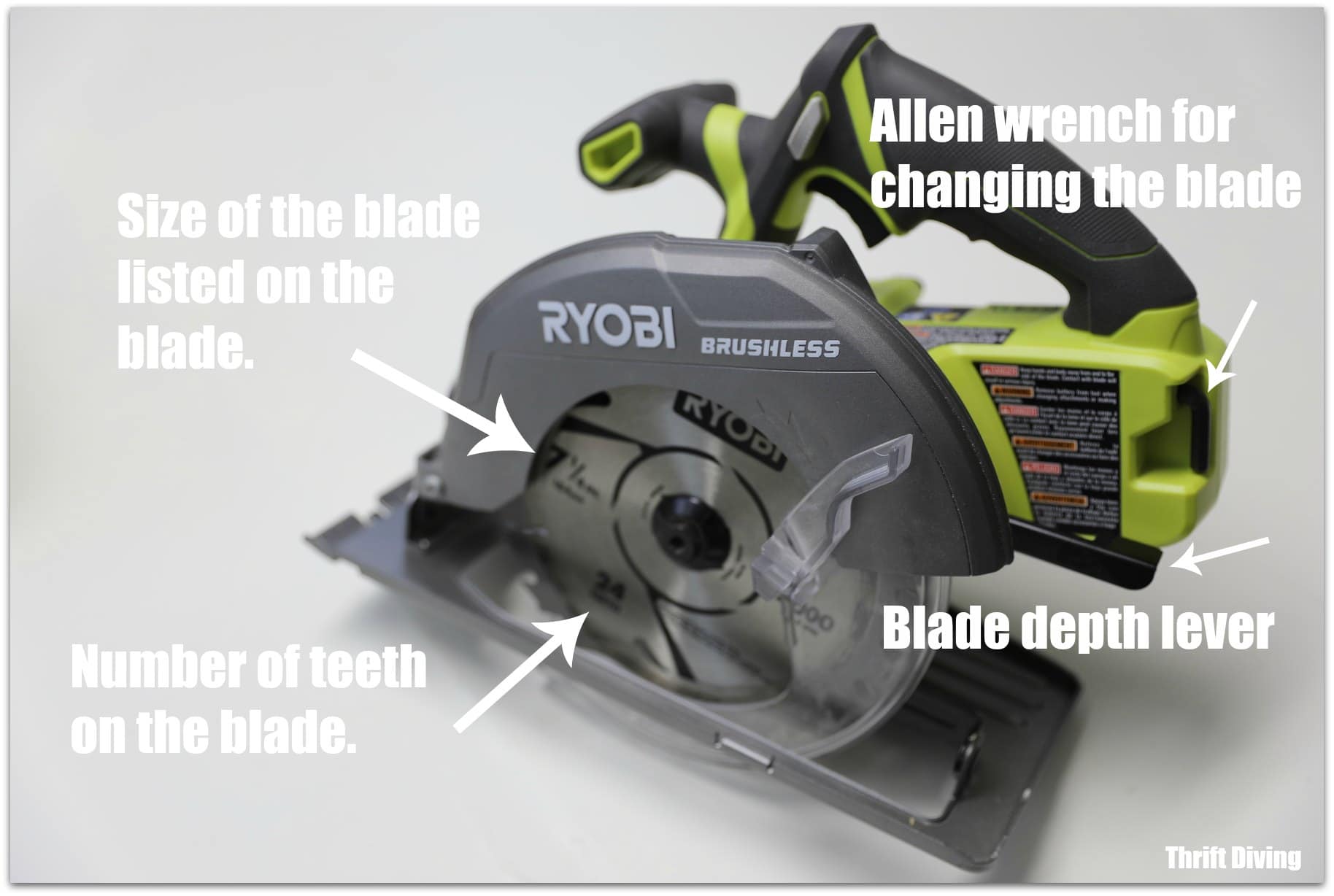
Image Source: thriftdiving.com
Getting Started with Ryobi Circular Saw: What’s in the Box?
When you get your new Ryobi circular saw, it’s essential to know what’s included and what additional items you might need. A typical Ryobi circular saw package might contain the saw itself, a blade, a blade wrench, and an owner’s manual. Familiarizing yourself with these components is the first step in our Ryobi tool tutorial.
Essential Accessories for Your Ryobi Saw
To operate your Ryobi saw effectively, consider these helpful accessories:
- Safety Glasses: Crucial for protecting your eyes from flying debris.
- Hearing Protection: Circular saws can be loud; earplugs or earmuffs are a must.
- Dust Mask: To avoid inhaling wood dust, especially during prolonged use.
- Work Gloves: Provide a better grip and protect your hands.
- Measuring Tape & Pencil: For accurate marking of your cuts.
- Clamps: To secure your workpiece firmly in place.
- Sawhorses or a Stable Workbench: To support your material at the correct height.
- Extra Blades: Different blades are designed for specific materials and cut types (e.g., fine-tooth for smooth finishes, carbide-tipped for durability).
Ryobi Saw Basics: Knowing Your Tool
Before you even plug in or insert a battery, let’s delve into the fundamental parts of your Ryobi circular saw. This part of our Ryobi power tool guide will help you get comfortable with the machine.
Key Components of Your Ryobi Circular Saw
Let’s break down the main parts:
- Blade: The cutting component. It spins at high speed to cut through material.
- Guard: A protective cover over the blade. The lower guard retracts as you cut and springs back into place when you lift the saw. Never disable or remove the guard.
- Base Plate (Shoe): The flat metal surface that rests on your workpiece. It helps guide the saw and maintain a steady cut. Some base plates have adjustments for bevel cuts.
- Depth Adjustment Lever: Allows you to set how deep the blade cuts.
- Bevel Adjustment Lever: Lets you tilt the base plate to make angled cuts.
- Trigger Switch: Activates and deactivates the saw.
- Spindle Lock Button: Used to hold the blade in place when changing it.
- Arbor: The shaft the blade mounts onto.
- Dust Port (on some models): Connects to a vacuum for dust collection.
- Handle(s): For gripping and controlling the saw.
Blade Depth Setting: A Crucial Ryobi Saw Operation Tip
Setting the correct blade depth is vital for both safety and the quality of your cut. Ryobi saw operation tips always emphasize this.
How to Set Blade Depth
- Unplug or Remove the Battery: Always ensure the saw is not powered on.
- Loosen the Depth Adjustment Lever: This lever is usually found on the side of the saw, near the front.
- Position the Blade: Lower the blade until it just touches the surface of your material.
- Adjust the Depth: Raise the blade so that the teeth extend about ¼ inch (6mm) below the material. This ensures a clean cut without excessive blade exposure.
- Tighten the Lever: Securely fasten the depth adjustment lever.
Why is this important? A blade set too deep creates more resistance, increases the risk of kickback, and generates more dust. A blade set too shallow won’t cut through the material effectively.
Circular Saw Safety: Paramount for Every Ryobi User
Circular saw safety is not just a recommendation; it’s a necessity. Following these guidelines will significantly reduce the risk of injury when using your Ryobi saw. This section is central to our beginner circular saw guide.
Essential Circular Saw Safety Precautions
1. Read the Manual: Always refer to your specific Ryobi model’s owner’s manual for detailed safety instructions and operating procedures.
2. Wear Appropriate Personal Protective Equipment (PPE):
* Eye Protection: Safety glasses or goggles are non-negotiable.
* Hearing Protection: Earplugs or earmuffs.
* Respiratory Protection: A dust mask, especially when cutting MDF or pressure-treated lumber.
* Clothing: Avoid loose clothing, jewelry, or anything that can get caught in the moving blade. Wear sturdy, closed-toe shoes.
3. Ensure Proper Work Area Setup:
* Good Lighting: Work in a well-lit area.
* Clear Space: Keep the area around you free of clutter, especially electrical cords and other tripping hazards.
* Stable Support: Always support your workpiece on sawhorses or a workbench. Never try to cut freehand without proper support.
* Secure Workpiece: Clamp your material firmly. A vibrating or shifting workpiece is a major safety risk.
4. Inspect Your Ryobi Circular Saw:
* Blade: Ensure the blade is sharp, clean, and appropriate for the material you’re cutting. Check for any damage or missing teeth. Make sure the blade is installed correctly with the teeth facing the right direction.
* Guard: Verify that the lower guard moves freely and snaps back into place quickly. Never force the guard or try to lock it open.
* Cord/Battery: Inspect the power cord for damage. If using a cordless model, ensure the battery is securely attached.
5. Proper Grip and Stance:
* Two-Handed Grip: Always hold the saw firmly with both hands.
* Balanced Stance: Maintain a stable and balanced stance. Position yourself so that you are not directly behind the saw’s cutting line.
6. Starting and Stopping the Saw:
* Ensure Blade Clearance: Before turning the saw on, make sure the blade is not touching anything.
* Let the Saw Reach Full Speed: Allow the blade to spin up to its maximum RPM before starting the cut.
* Smooth, Steady Motion: Guide the saw smoothly through the material. Don’t force it.
* Allow Blade to Stop: Let the blade come to a complete stop before lifting the saw from the workpiece or setting it down.
7. Avoiding Kickback: Kickback is a sudden, violent reaction where the saw jumps back towards the operator. It’s one of the most dangerous aspects of using a circular saw.
* Don’t Twist the Saw: Never twist or bind the blade in the cut.
* Avoid Cutting Knots: Knots in wood can cause the blade to bind.
* Support the Offcut: Ensure the piece you are cutting off is properly supported to prevent it from pinching the blade.
* Blade Depth: As mentioned, proper blade depth helps prevent kickback.
* Never Cut Small Pieces: Avoid cutting pieces that are too small to be safely supported or clamped.
8. Never Reach Under the Saw: Do not reach under the saw or the workpiece while the blade is spinning.
9. Battery Safety (for cordless models):
* Charge batteries only with the charger specified by Ryobi.
* Keep batteries away from heat and moisture.
* Do not attempt to open or disassemble batteries.
How to Use a Ryobi Saw: Step-by-Step Guide
Now that we’ve covered safety, let’s get to the practical aspects of using your Ryobi saw. This Ryobi tool tutorial focuses on making the process smooth and effective.
Preparing for Your Cut
- Mark Your Cut Line: Use a measuring tape and pencil to clearly mark the line you need to cut on your material. A speed square or combination square can help you draw straight, perpendicular lines.
- Position the Material: Place your workpiece on sawhorses or a workbench, ensuring it’s stable and supported. The cut line should extend slightly beyond the edge of the support.
- Clamp the Material: Securely clamp the workpiece to prevent any movement during the cut.
- Set Blade Depth and Bevel (if needed): Follow the steps outlined earlier to set the correct blade depth and adjust the bevel angle if you’re making an angled cut.
- Align the Saw: Position the saw on the workpiece. Many Ryobi saws have a guide or indicator on the base plate that aligns with the blade to help you match your cut line. For a standard 90-degree cut, align the blade with your marked line. For bevel cuts, use the bevel indicator on the base plate.
Making the Cut
- Plug In or Insert Battery: Ensure your saw is powered.
- Grip Firmly: Hold the saw with both hands, maintaining a firm grip.
- Start the Saw: Squeeze the trigger to start the motor.
- Let the Blade Reach Full Speed: Wait a moment for the blade to spin up.
- Begin the Cut: Gently lower the spinning blade onto the edge of the material, aligning it with your cut line.
- Advance Steadily: Push the saw forward smoothly and steadily along your marked line. Don’t force the blade; let the saw do the work. Keep the base plate flat on the material.
- Maintain Blade Alignment: Keep the saw moving in a straight line, ensuring the blade remains perpendicular to the material (unless you are making a bevel cut).
- Complete the Cut: Continue pushing until the cut is complete. As you reach the end of the material, the offcut piece might fall. Be prepared for this and ensure it doesn’t pinch the blade.
- Release Trigger and Wait: Once the cut is finished, release the trigger. Crucially, wait for the blade to stop spinning completely before lifting the saw from the workpiece.
Ryobi Saw Operation Tips for Better Cuts
- Use a Saw Guide or Straight Edge: For extra-straight cuts, clamp a straight piece of wood or a metal ruler along your cut line as a guide for the base plate.
- Support Both Sides of the Cut: Especially for long cuts, ensure both the main piece and the offcut are well-supported to prevent sagging and binding.
- Cut on the Waste Side: Always position your saw so that the blade cuts on the side of the line that will be discarded. This ensures your final piece is the correct size.
- Multiple Passes for Thick Material: If you’re cutting very thick material, don’t try to cut all the way through in one pass. Make a shallower initial cut, then increase the depth for subsequent passes.
- Practice Makes Perfect: If you’re new to using a circular saw, practice on scrap pieces of wood first to get a feel for the tool and its operation.
Ryobi Saw Maintenance: Keeping Your Tool in Top Shape
Proper Ryobi saw maintenance is key to ensuring longevity, safety, and performance. Neglecting maintenance can lead to poor cuts, increased wear, and potential hazards. This is a vital part of our Ryobi tool tutorial.
Routine Checks and Cleaning
- Blade Cleaning: Wood dust and sap can build up on the blade, reducing its efficiency and increasing heat. Clean the blade periodically with a stiff brush and a degreaser or specialized blade cleaner. Ensure the blade is dry before reinstallation.
- Guard Functionality: After each use, check that the lower guard retracts smoothly and snaps back into place. Remove any debris that might be obstructing its movement.
- Air Vents: Keep the motor’s air vents clean and free of dust and debris. Use compressed air to blow out any accumulated dust. Blocked vents can cause overheating.
- Base Plate: Wipe down the base plate to remove any sawdust or residue. This helps it glide smoothly over the material.
Blade Changes: A Necessary Skill
Changing the blade is a common maintenance task. Ryobi saw operation tips always include safe blade changes.
How to Safely Change a Ryobi Circular Saw Blade
- Disconnect Power: Unplug the corded saw or remove the battery from the cordless saw.
- Wear Gloves: Blade edges are sharp. Wear sturdy work gloves.
- Engage Spindle Lock: Press and hold the spindle lock button (usually a button or lever near the blade).
- Loosen Blade Bolt: Using the provided blade wrench or a socket wrench, turn the blade bolt counter-clockwise to loosen and remove it.
- Remove Old Blade: Carefully slide the old blade off the arbor.
- Install New Blade: Place the new blade onto the arbor, ensuring the teeth are facing the correct direction (usually indicated by an arrow on the blade and often on the saw’s guard).
- Replace Blade Bolt: Reinstall the blade bolt and tighten it clockwise. Make sure it’s snug, but do not overtighten, as this can damage the blade or arbor.
- Release Spindle Lock: Release the spindle lock button.
- Check Blade Rotation: Briefly plug in or reinsert the battery and pull the trigger once to confirm the blade spins freely and in the correct direction. Then, disconnect power again.
Blade Selection and Storage
- Choose the Right Blade: Use the correct blade for the material you are cutting. For example, use a fine-tooth blade for smooth finishes on plywood and a coarser blade for faster cuts on dimensional lumber.
- Storage: Store blades in a dry place, ideally in their original packaging or a blade case, to prevent damage and rust.
Advanced Ryobi Saw Operation Tips and Techniques
Once you’re comfortable with the basics, you might want to explore more advanced circular saw techniques. This is where our Ryobi saw operation tips become even more valuable.
Making Bevel Cuts
Bevel cuts are angled cuts, typically used for joining pieces of wood at an angle or for decorative purposes.
Steps for Making a Bevel Cut:
- Set Bevel Angle: Loosen the bevel adjustment lever on your Ryobi saw.
- Tilt Base Plate: Tilt the base plate to the desired angle (e.g., 45 degrees). Most saws have detents or markings for common angles.
- Tighten Lever: Securely tighten the bevel adjustment lever.
- Re-check Blade Depth: The bevel cut will change the effective blade depth. Adjust the depth accordingly to ensure proper penetration.
- Perform the Cut: Follow the standard cutting procedure, ensuring the base plate is flat against the material and the saw is guided smoothly along the cut line.
Cutting Sheet Goods (Plywood, MDF)
Cutting large sheets of material can be challenging.
Tips for Cutting Sheet Goods:
- Support the Sheet: Ensure the entire sheet is supported. A good setup involves sawhorses on both sides of the cut line, or a large workbench.
- Support the Offcut: As you cut, the large offcut piece will become unsupported. Clamp a scrap piece of wood or a guide to the main sheet to support the offcut as it begins to separate.
- Use a Zero-Clearance Insert (Advanced): For very clean cuts on sheet goods, especially plywood, a zero-clearance insert can be used on the saw. This minimizes tear-out.
- Score the Cut Line: For the cleanest cuts on plywood or melamine, score the cut line with a utility knife first.
Rip Cuts vs. Crosscuts
- Crosscut: Cutting across the grain of the wood (e.g., cutting a long board into shorter pieces). This is the most common type of cut.
- Rip Cut: Cutting along the grain of the wood (e.g., cutting a wide board into narrower strips).
Ryobi Saw Operation Tips for Rip Cuts:
- Use a Rip Fence: Most Ryobi circular saws come with or have an optional rip fence. This accessory attaches to the base plate and guides the saw parallel to the edge of the workpiece, ensuring a straight rip cut.
- Support the Narrow Strip: The thin strip you cut off can be unstable. Ensure it is well-supported.
Troubleshooting Common Ryobi Saw Issues
Even with proper operation, you might encounter minor issues. Here are some common problems and solutions.
Common Ryobi Saw Problems and Solutions
| Problem | Possible Cause | Solution |
|---|---|---|
| Saw won’t start | No power (unplugged, battery dead or not seated) | Check power connection or battery. Ensure battery is fully charged and properly inserted. |
| Blade not spinning | Trigger lock engaged, or internal motor issue | Check trigger lock. If the issue persists, the saw may require servicing. |
| Blade binding or getting stuck | Incorrect blade depth, wood pinching blade, warped material, wrong blade type | Adjust blade depth (no more than ¼ inch below material). Ensure offcut is supported to prevent pinching. Use a straight blade and material. Use an appropriate blade for the material. |
| Excessive tear-out (rough cut edge) | Dull blade, wrong blade type, blade set too deep, cutting too fast, no support | Replace or sharpen the blade. Use a finer-tooth blade for smoother cuts. Adjust blade depth. Advance the saw steadily. Ensure the workpiece is fully supported, and consider scoring the cut line for sheet goods. |
| Saw overheating | Blocked air vents, cutting for too long, dull blade, forcing the saw | Clean air vents with compressed air. Allow the saw to cool down. Sharpen or replace the blade. Reduce cutting pressure and let the saw do the work. |
| Kickback | Saw twisting, wood pinching blade, binding in cut | Immediately stop the saw. Ensure proper stance and grip. Never force the saw. Support offcuts. Check blade for damage or warping. |
| Bevel adjustment stuck | Dirt or debris in the mechanism | Clean the adjustment mechanism thoroughly. Lubricate lightly if necessary (consult manual). |
Frequently Asked Questions About Ryobi Circular Saws
Here are some common questions to help you get the most out of your Ryobi saw.
FAQ Section
Q1: What is the best Ryobi circular saw for a beginner?
A1: Ryobi offers several excellent beginner-friendly models. Look for their 18V ONE+ cordless circular saws. They are lightweight, easy to handle, and provide ample power for most home projects. The 7-1/4 inch models are very common and versatile.
Q2: Can I use a circular saw to cut metal?
A2: Generally, no. Standard wood-cutting circular saw blades are not designed for metal and can be damaged or cause dangerous sparks. You would need a specialized metal-cutting blade and potentially a saw designed specifically for metal. Always check your saw’s manual for material compatibility.
Q3: How often should I change the blade on my Ryobi saw?
A3: There’s no set schedule, as blade life depends on usage and the materials you cut. You’ll know it’s time to change the blade when you experience increased cutting effort, dull cuts, or excessive tear-out. A good rule of thumb is to change it when it stops cutting cleanly.
Q4: Can I make plunge cuts with a Ryobi circular saw?
A4: While it’s technically possible to start a cut in the middle of a board with a circular saw, it’s not recommended for beginners and carries a higher risk of kickback. If you need to make internal cuts, a jigsaw or a router might be more appropriate and safer tools. Always ensure the blade is fully protected when not cutting.
Q5: My Ryobi saw is making a strange noise. What should I do?
A5: A strange noise often indicates an issue. First, ensure the blade is securely tightened and that there’s no debris lodged in the guard or motor housing. If the noise persists, disconnect power and inspect the blade for damage. If you can’t identify the cause, it’s best to stop using the saw and have it inspected by a qualified technician or contact Ryobi support.
By following this comprehensive Ryobi saw basics and safety guide, you’ll be well-equipped to use your Ryobi circular saw safely and effectively. Remember, practice, attention to detail, and adherence to safety guidelines are your best tools for successful DIY projects.