
Can you find your old drill sergeant? Yes, with persistent effort and the right approach, you absolutely can locate former drill instructors. This guide will walk you through the steps and strategies for finding your military training instructor and potentially reconnecting with them. Whether you’re looking to thank them, share your post-military journey, or are simply curious about their whereabouts, the process of tracking down a military training supervisor can be rewarding.
The military experience, especially boot camp or basic training, is a formative period for many. Those who guided you through this intense phase – your drill sergeants – often leave a lasting impression. They pushed you, disciplined you, and ultimately helped forge you into a service member. For many veterans, there’s a desire to reconnect with these pivotal figures, to share how their guidance impacted their lives, or simply to relive a shared experience. Finding your old drill sergeant, however, isn’t as simple as looking them up in a public directory. It requires a methodical approach and a bit of detective work. This comprehensive guide is designed to equip you with the knowledge and tools necessary to successfully track down your old drill instructor.
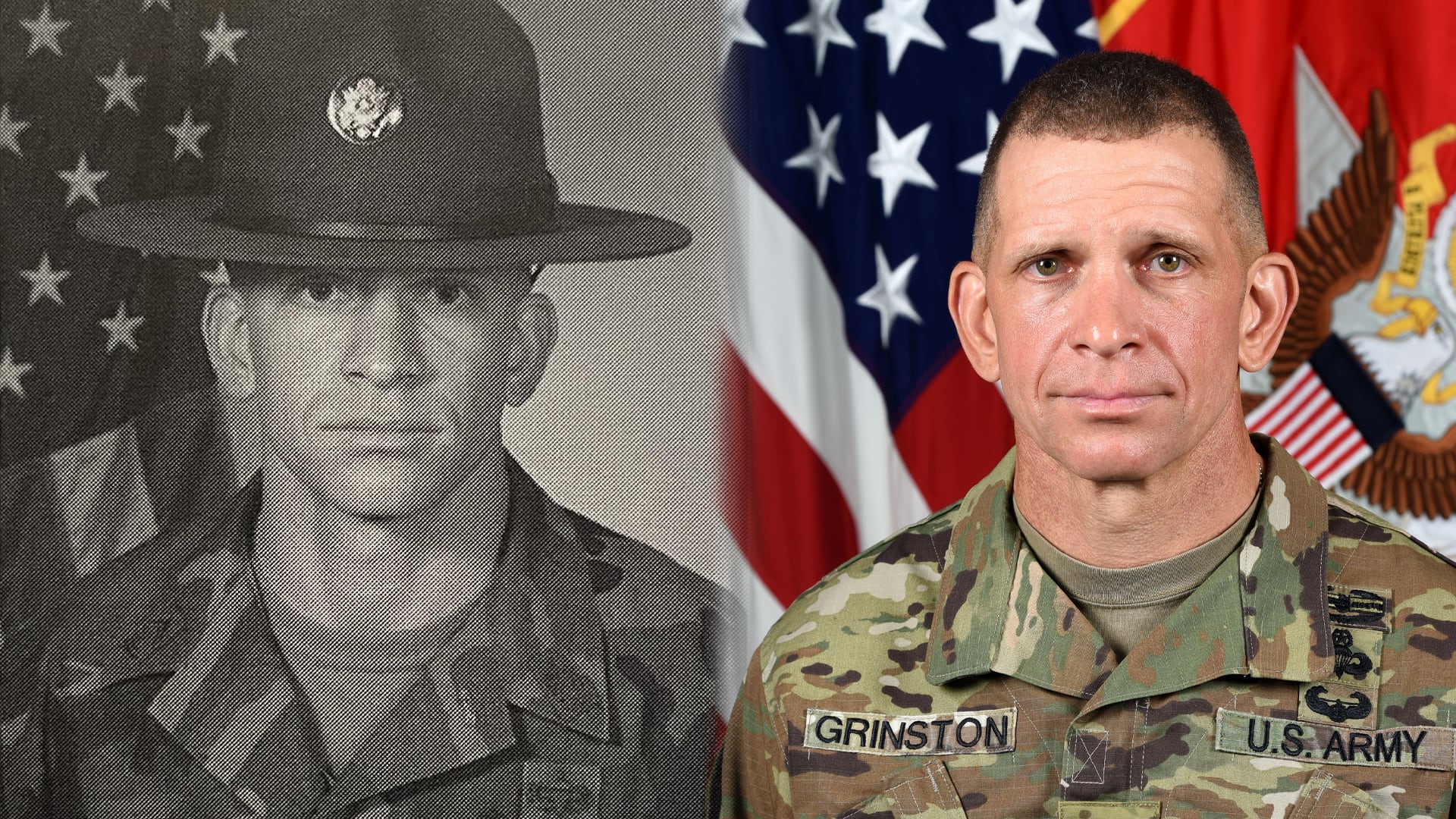
Image Source: www.armytimes.com
The Quest to Locate Former Drill Instructors
The journey to find your old drill sergeant can feel like a mission in itself. It’s a path paved with perseverance and a clear objective: to locate former drill instructors who played such a crucial role in your military development. Many individuals embark on this quest for a variety of reasons. Some wish to express gratitude for the discipline and life lessons imparted. Others might want to share their career progression and how the foundational skills learned under their tutelage contributed to their success. In some cases, it’s a simple curiosity about the life that military training supervisor led after their service, or a desire to participate in a military reunion.
The initial hurdle is the sheer passage of time and the natural mobility of individuals. Drill sergeants, like all service members, move on to new assignments, retire, or transition to civilian life. This means that the direct contact information you might have had years ago is almost certainly outdated. Moreover, military records are not typically designed for public access concerning individual service members’ current whereabouts, especially for privacy reasons. This necessitates a more indirect and resourceful approach.
Navigating the Landscape of Military Records and Databases
When you’re searching for your old drill sergeant, you’re essentially looking for a needle in a haystack, but with a few strategically placed haystacks you can check. The first step involves recalling as much information as possible. The more details you have, the more effective your search will be. This includes:
- Your Branch of Service: Army, Navy, Air Force, Marines, Coast Guard? Each branch has its own administrative procedures and record-keeping systems.
- Your Training Location: Where did you complete your basic training? (e.g., Fort Jackson, Parris Island, Lackland Air Force Base, Great Lakes).
- Your Training Dates: The approximate year or even month you were in training is crucial.
- Your Drill Sergeant’s Name: Even a partial name or a nickname can be a starting point.
- Your Drill Sergeant’s Rank: Knowing their rank at the time can help narrow down searches.
- Any Distinctive Characteristics: Did they have a memorable phrase, a specific teaching style, or a unique physical trait? While not directly searchable, these can help jog memories of others or confirm identity if you find potential leads.
Accessing official military records for this purpose is challenging. Unlike a public phone book or an online directory, there isn’t a readily available “former drill instructor database” that allows you to simply type in a name and get current contact details. Privacy laws and military regulations are designed to protect the personal information of service members, past and present. This means that direct inquiries to military branches for the sole purpose of finding an individual without a legitimate official reason (like a legal matter or a government-sponsored reunion) are generally not fulfilled.
However, this doesn’t mean the quest is impossible. The key lies in leveraging unofficial channels and strategic, authorized access points where available. The internet has become an invaluable tool, but it’s often the interconnectedness of people and communities that unlocks these opportunities.
Strategies for Finding Your Drill Sergeant
Finding your drill sergeant requires a multi-pronged approach. Think of it as a military operation – gather intelligence, identify assets, and execute your search plan.
Leveraging the Power of Online Search Engines
Your first and most accessible tool is a good old-fashioned internet search. However, simply typing “find my drill sergeant” won’t yield direct results. You need to be more specific.
H4: Advanced Search Techniques
When searching online, use variations of your drill sergeant’s name combined with keywords related to their role and your training.
- Example Searches:
- “Drill Sergeant [Last Name] [First Initial] [Training Location] [Year]”
- “US Army Drill Instructor [Last Name] [Training Company/Platoon if remembered]”
- “[Branch of Service] Basic Training Instructor [Last Name] [State of Training Base]”
H4: Social Media Platforms
Social media is a goldmine for connecting with people. Facebook, LinkedIn, and even Instagram can be surprisingly effective.
- Facebook: This is often the most fruitful.
- Search for Military Groups: Look for groups dedicated to your specific branch of service, training base, or even your graduation year. Post a message stating your intention to find a particular drill sergeant, providing as much detail as you can (without revealing too much personal information). Someone in the group might know them or have a connection.
- Search for Individuals: Directly search for your drill sergeant’s name. If you have a middle initial or a common misspelling you remember, try those too.
- LinkedIn: If your drill sergeant had a professional presence, they might be on LinkedIn, especially if they transitioned to a civilian career. Search for their name and look for military service in their experience section.
- Instagram/Twitter: While less common for direct professional networking, some individuals use these platforms. Search for their name and relevant military hashtags.
The Role of Military Alumni Networks and Associations
Many military bases and training commands have official or unofficial alumni associations. These organizations are often dedicated to maintaining connections between past and present service members.
H5: Base-Specific Alumni Groups
Some training bases have dedicated websites or Facebook groups for individuals who trained there. These can be excellent places to post inquiries about finding former drill instructors. The key is to find these specific groups. A search like “[Training Base Name] Alumni” or “[Training Base Name] Veterans” is a good starting point.
H5: Branch-Specific Associations
There are numerous associations for each branch of service (e.g., Army Association, Marine Corps League, Air Force Association). While they might not have a specific database for drill sergeants, their forums or events can be places where you might find leads.
Networking with Fellow Recruits
The most powerful resource you have is your fellow recruits from your training company or platoon. They are on the same journey and likely have similar memories and desires to reconnect.
H4: Organizing a Reunion
If you can locate even a few of your former training buddies, you can start to build a network. A reunion, even a small virtual one, can be a fantastic way to share information and coordinate your search for your military training supervisor. Someone might have kept an old address book, or remember a detail that unlocks a new avenue.
H4: Utilizing Online Forums for Veterans
Websites like RallyPoint or specific veteran forums are designed for service members to connect. Posting your query there, again with as much detail as you can safely share, can reach a wide audience of people who understand the military culture and might be willing to help.
When Official Channels Might Be an Option (Limited Scope)
While direct public access is restricted, there are specific circumstances where official channels might be considered, though this is often for organized events rather than individual searches.
H5: Official Base Reunions or Events
Occasionally, training bases organize official reunion events. If you hear about such an event, it’s an opportunity to connect with the administration and see if there’s a mechanism for reaching out to former instructors who might be invited or willing to participate.
H5: Military Service Organizations
Some larger military service organizations might have specific programs or contacts that assist veterans in reconnecting, though this is typically handled with great care due to privacy concerns.
Tracking Down Your Military Training Instructor: Practical Tips
Here are some practical tips to enhance your chances of success in tracking down your military training instructor.
Organize Your Information
Before you start any search, compile all the information you have. A simple spreadsheet can be very helpful.
| Information Category | Details |
|---|---|
| Your Name | |
| Your Training Unit/Co. | |
| Training Base | |
| Training Dates (Approx) | |
| Drill Sergeant’s Name | |
| Drill Sergeant’s Rank | |
| Drill Sergeant’s Duties | (e.g., Lead Drill Sergeant, Assistant Drill Sergeant) |
| Memorable Phrases/Traits | |
| Known Nickname | |
| Fellow Recruit Contacts | (Names, potential contact info if you have it) |
Be Patient and Persistent
Finding your old drill sergeant is rarely a quick process. It can take weeks, months, or even years. Don’t get discouraged by initial dead ends. Each attempt provides information and refines your search strategy. Persistence is key.
Respect Privacy
As you search, always be mindful of privacy. Avoid sharing overly personal information about your drill sergeant online without their explicit consent. Your goal is to connect, not to intrude or violate their privacy.
Be Prepared for Different Outcomes
It’s possible you may find your drill sergeant and have a wonderful reconnection. It’s also possible that they may not wish to be contacted, or that you might not be able to find them at all. Be prepared for all outcomes with grace and understanding.
Former Drill Instructor Database: Myth vs. Reality
It’s important to address the idea of a “former drill instructor database.” While many organizations maintain membership lists or alumni directories, there isn’t a universal, publicly accessible database specifically for locating former drill instructors across all branches of service. Military personnel records are protected. However, some branches or specific training commands might have internal or association-based lists that are used for official reunion purposes, but these are not generally available to the public for individual searches.
Think of it this way: if a comprehensive database existed and was easily searchable, finding people would be much simpler. The complexity of military record-keeping, the privacy concerns, and the sheer number of people who have served means that any such “database” would likely be fragmented, limited in scope, and require specific authorization to access. Therefore, your search will rely more on community knowledge, social networking, and creative problem-solving rather than a single, easy-to-use online portal.
Military Training Supervisor Outreach
When you do find a potential lead, consider how you want to approach them. Your initial outreach should be polite, respectful, and clearly state your purpose.
H4: Crafting Your Initial Contact
- Be Clear: State who you are and when you trained.
- Be Specific: Mention your company or platoon.
- Be Respectful: Acknowledge their role and the impact they had.
- State Your Intent: Are you looking to thank them, share an update, or just connect?
For example, a message might read: “Sergeant Major [Last Name] (Retired), I hope this message finds you well. My name is [Your Name], and I was in your Bravo Company, 3rd Battalion, [Year] graduating class at Fort [Base Name]. I often think about your leadership and discipline during my training. I would be honored to reconnect and share how your guidance helped shape my path after the military. Would you be open to a brief conversation?”
Reunion with Drill Sergeant Possibilities
The idea of a “reunion with drill sergeant” is often the ultimate goal for many searching. This can range from a casual email exchange to a meeting at a military event.
H5: Types of Reconnections
- Digital Connection: Email, social media messages, or phone calls.
- In-Person Meetings: If geographically feasible, meeting for coffee or at a local veteran event.
- Group Gatherings: Participating in a unit reunion where former instructors might also be present.
Drill Sergeant Contact Information: The Elusive Goal
Obtaining direct drill sergeant contact information is the hardest part. Official channels are typically closed. This means you’ll rely on:
- Social Media Profiles: If they have a public profile, you might be able to message them directly.
- Referrals: Someone in a veteran group might know them and be willing to pass along your contact information.
- Alumni Networks: If a reunion is organized, organizers might have contact details for invited former cadre.
Searching for Military Instructor Connections
Your search is not just about finding one person; it’s about finding connections. Fellow recruits, other members of your training cadre, or even people who served in similar roles at the same base might hold the key. Don’t be afraid to cast a wide net within the military community.
Frequently Asked Questions About Finding Your Old Drill Sergeant
Q1: Is there a central database to find my former drill sergeant?
A1: No, there is no single, public, central database for finding former drill sergeants. Military personnel records are protected. Your search will rely on unofficial methods and networking.
Q2: Can I contact the military base where I trained to ask for my drill sergeant’s contact information?
A2: Generally, no. Military bases and recruiting commands are bound by privacy laws and will not release personal contact information of service members or veterans without a specific, authorized reason.
Q3: What if I only remember my drill sergeant’s nickname?
A3: A nickname can be a useful clue when posting in military groups or forums. If it was a widely used nickname, other recruits might recognize it. Combine it with other known details like the training location and dates.
Q4: How long should I expect the search to take?
A4: The time it takes varies greatly. Some searches can be resolved in weeks, while others might take years or even remain unresolved. Patience and persistence are essential.
Q5: What if my drill sergeant no longer wishes to be contacted?
A5: It’s important to respect their wishes. If you manage to make contact and they indicate they prefer not to engage, accept their decision gracefully.
Q6: Are there professional services that can help me find my drill sergeant?
A6: While there are private investigators and people-finding services, they often rely on public records, which are limited for military personnel. Additionally, these services can be expensive, and their success rate for this specific type of search is not guaranteed. It’s often more effective to use the community-based methods described in this guide first.
Q7: What information is safe to share when asking for help online?
A7: Share information about yourself (name, training dates, unit) and the drill sergeant (approximate name, rank, base, training year). Avoid sharing your drill sergeant’s potential personal address, phone number, or other sensitive details that you might have found through unofficial means, as this could be a privacy violation. The goal is to get help finding them, not to broadcast their private information.
Q8: What if my drill sergeant has passed away?
A8: This is a possibility. If you cannot find them after extensive searching, or if you hear from fellow recruits that they have passed, it’s a sad reality. You can still honor their memory by sharing your positive experiences with other veterans or by reaching out to their family if you can find contact information for them through respectful channels.
By following these strategies, you increase your chances of successfully locating former drill instructors and achieving your goal of reconnecting with your drill sergeant. The journey is often as meaningful as the destination, filled with rediscovering connections and cherishing shared experiences from a pivotal time in your life.