
Can you drill into tile without breaking it? Yes, absolutely! With the right tools and techniques, drilling into ceramic or porcelain tile safely is very achievable. This comprehensive guide will walk you through everything you need to know for successful tile drilling, from selecting the best bits to the actual process of making clean, safe holes.
Tile drilling might seem daunting, especially when dealing with hard materials like porcelain. The fear of unsightly cracks or shattered tiles is common. However, by following established tile drilling techniques, you can achieve professional results, whether you’re hanging a towel rack, installing a shelf, or running pipes. We’ll delve into the specifics of ceramic tile drilling and porcelain tile drilling, as well as the essential role of diamond drill bits.
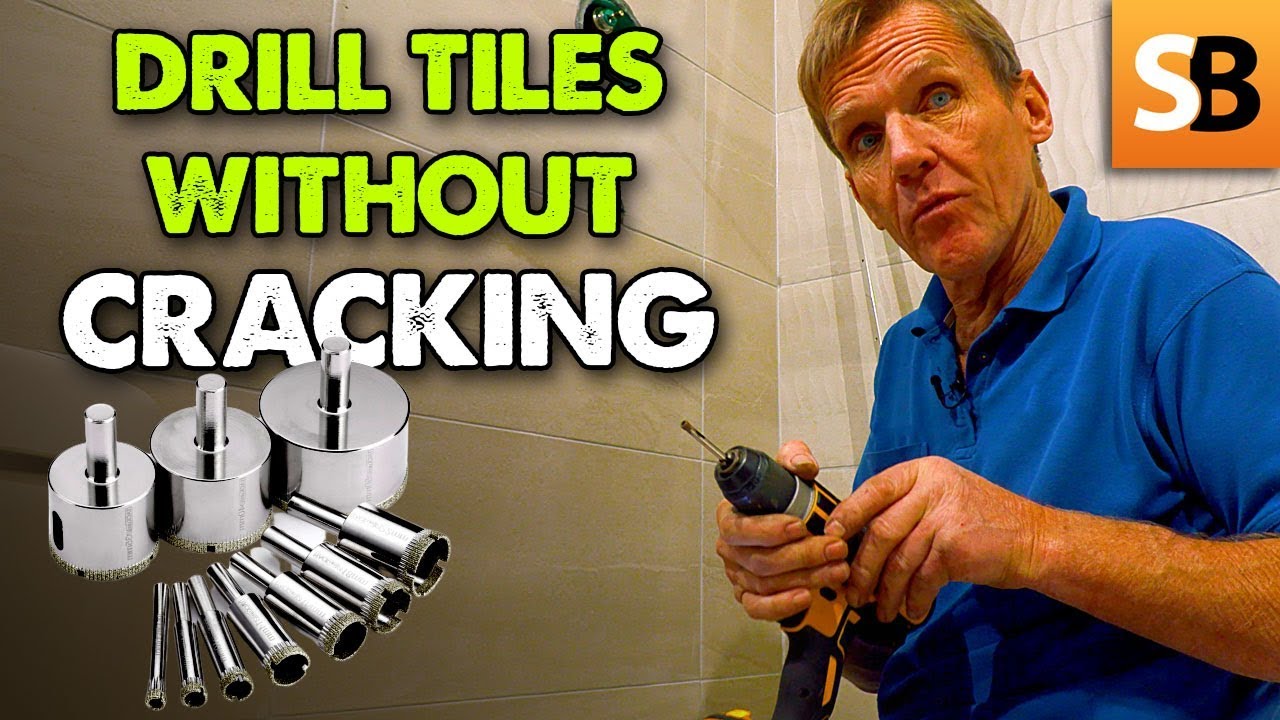
Image Source: i.ytimg.com
Preparing for Your Tile Drilling Project
Before you even pick up a drill, proper preparation is key to avoiding tile cracks and ensuring a safe drilling experience. This stage involves gathering your tools, understanding the type of tile you’re working with, and marking your drilling spot accurately.
Essential Tools for Tile Drilling
Having the right equipment makes a world of difference. Here’s what you’ll need for effective tile drilling:
- Drill: A variable-speed drill is ideal. Cordless drills offer convenience, but a corded drill might provide more consistent power.
- Diamond Drill Bits: This is non-negotiable for drilling through hard tiles like porcelain. For softer ceramic tiles, carbide-tipped bits might suffice, but diamond bits are superior.
- Masking Tape or Painter’s Tape: Helps prevent the drill bit from wandering when you start and can offer a slight protective layer.
- Center Punch or Awl: Used to create a small indentation to guide the drill bit, preventing slippage.
- Safety Glasses: Protect your eyes from flying debris.
- Work Gloves: Offer a better grip and protect your hands.
- Water or Lubricant: For wet drilling tile, which significantly reduces heat and dust, making the process safer and more efficient. You can use a spray bottle with water or a specialized tile lubricant.
- Vacuum Cleaner: For immediate cleanup of dust and debris.
- Measuring Tape and Pencil/Marker: For accurate marking of the drilling location.
- Level: To ensure your marks are straight.
Choosing the Right Drill Bit for Tile
The type of drill bit you use is paramount. For drilling into tile, especially harder varieties, diamond drill bits are the undisputed champions.
Types of Drill Bits for Tile
| Drill Bit Type | Material Compatibility | Best For | Notes |
|---|---|---|---|
| Diamond Drill Bits | Ceramic, Porcelain, Stone, Glass | All types of tile, especially hard porcelain. | Requires water lubrication. Creates less heat. Very effective. |
| Carbide-Tipped Bits | Ceramic (softer types), Masonry | Lighter duty ceramic tile, some softer stones. | Can overheat quickly. May struggle with porcelain. Shorter lifespan. |
| Masonry Bits | Brick, Concrete, Mortar | NOT suitable for tile drilling. | Will likely chip or shatter tile due to brittle nature. |
Diamond drill bits work by grinding away the tile material rather than cutting it. They are coated with industrial diamonds, which are incredibly hard. This grinding action, when done correctly, allows for smooth penetration without the shearing force that can cause cracks.
Understanding Your Tile
Different tiles have different densities and hardness. Ceramic tile drilling is generally easier than porcelain tile drilling. Porcelain is fired at higher temperatures and is denser, making it harder and more prone to chipping if not drilled correctly. Always identify your tile type before you begin. If you’re unsure, err on the side of caution and treat it as porcelain, using diamond drill bits and low speeds.
Marking Your Drilling Location
Accuracy is crucial. Use a measuring tape and pencil to mark the exact spot where you need to drill. A level can help ensure your mark is precise, especially if you’re drilling multiple holes in a line.
Steps for Marking:
- Measure and mark the desired hole location.
- Apply a piece of masking tape or painter’s tape over the marked spot. This helps prevent the drill bit from “walking” or slipping when you start drilling.
- Using a sharp pencil or marker, re-mark the center of your desired hole on top of the tape.
- For an extra layer of stability and to guide the bit precisely, use a center punch or an awl to create a small indentation at the center mark. This indentation will help the tip of your drill bit seat securely.
The Art of Drilling into Tile Safely
Now that you’re prepared, let’s get into the actual tile drilling techniques. Safety and precision are paramount.
Setting Up Your Drill for Tile
Proper drill settings are as important as the drill bit itself.
Drill Settings:
- Speed: Use a low to medium speed setting on your drill. High speeds generate excessive heat, which can crack the tile. The goal is to grind, not to melt.
- Drilling Mode: Ensure your drill is set to “drill” mode, not “hammer” or “impact” mode. Hammer action will undoubtedly shatter your tile.
The Drilling Process: Step-by-Step
This is where the magic happens. Follow these steps carefully for successful drilling into tile.
Step 1: Start Slow and Steady
- Hold the drill firmly, perpendicular to the tile surface.
- Begin drilling at a very slow speed. Allow the diamond drill bit to create a small groove or pilot hole at your marked spot. The indentation from your center punch will be invaluable here.
- Apply light, consistent pressure. Let the drill bit do the work. Forcing the drill will increase the risk of breaking the tile.
Step 2: Introduce Water for Wet Drilling Tile
Wet drilling tile is highly recommended for both ceramic tile drilling and porcelain tile drilling. Water acts as a coolant, preventing the drill bit and the tile from overheating, which is a primary cause of cracks. It also flushes away dust and debris, making the drilling cleaner and safer.
Methods for Wet Drilling:
- Spray Bottle: Continuously spray water onto the drilling area as you drill. This is a common and effective method.
- Water Dams: For larger holes or when drilling vertically, you can create a small dam around the drilling area using plumber’s putty or a similar material. Fill this dam with water.
- Specialized Wet Drilling Systems: For extensive work, consider a water-fed drilling system or a drill attachment that supplies water directly to the bit.
Step 3: Continue Drilling with Consistent Pressure
- As you drill, maintain a steady, light pressure.
- Periodically lift the drill bit slightly to allow water to flush out debris. This also helps cool the bit.
- If you are not using a water dam, keep the spray bottle handy to maintain a consistent flow of water.
Step 4: Navigating Different Tile Materials
- Ceramic Tile Drilling: While more forgiving, still use low speeds and light pressure. Carbide-tipped bits can be used, but diamond bits offer a cleaner, safer result.
- Porcelain Tile Drilling: This requires extra care. Always use diamond drill bits, low speeds, and generous amounts of water. Be patient.
Step 5: Exiting the Tile
As you approach the other side of the tile, the risk of chipping or breakout increases.
- Reduce Pressure: Lighten your pressure considerably as you feel the bit about to break through.
- Continue Lubrication: Keep the water flowing.
- Support the Back (if possible): If you can access the back of the tile, place a piece of scrap wood or a damp cloth to support the area where the drill bit will exit. This minimizes the chance of breakout on the opposite side.
Step 6: Cleaning Up
Once the hole is complete, turn off the drill and remove it from the hole. Carefully clean up the area.
- Wipe away excess water and slurry.
- Use a vacuum cleaner to collect any dust or small tile fragments.
- Inspect the hole for any signs of cracking or chipping.
Advanced Tile Drilling Techniques and Tips
To truly master drilling into tile, consider these advanced strategies. These tile drilling techniques can help you achieve perfect results every time.
Drilling Larger Holes
For larger holes, like those needed for plumbing fixtures or larger anchors, you might need a larger diamond drill bit (like a core bit or hole saw).
Using Diamond Core Bits and Hole Saws:
- Center Guide: Many larger diamond bits come with a pilot bit or a guide to help you start in the center. If not, use your tape and center punch method.
- Water is Crucial: For larger bits, wet drilling tile is absolutely essential. The amount of heat generated is significantly higher.
- Patience: Larger holes take more time. Don’t rush the process. Periodically clear the hole of debris and slurry.
- Angle Grinding (Optional): For very large holes, some professionals might use an angle grinder with a diamond blade to cut a circular opening, but this requires significant skill and safety precautions. For most DIYers, a large diamond hole saw is the safer option.
Dealing with Existing Grout and Tile
Sometimes you need to drill through tile and the surrounding grout, or even into the substrate behind the tile.
- Grout Lines: Drilling through a grout line is often easier than drilling through the tile itself. However, be mindful that grout can be crumbly. A carbide-tipped bit might be sufficient for grout alone, but if you hit tile, switch to your diamond bit.
- Drilling into Substrate: If you need to drill through the tile and into a wall (e.g., drywall, plaster, concrete), you’ll need to switch to the appropriate drill bit for the substrate after you’ve successfully drilled through the tile. Use a masonry bit for concrete or brick, and a standard twist bit for wood or drywall. Ensure you remove the tile drill bit before switching.
Preventing Tile Cracks: A Checklist for Success
To summarize and reinforce the key principles for avoiding tile cracks:
- Always use diamond drill bits for porcelain and hard ceramic tiles.
- Set your drill to a low to medium speed.
- Never use the hammer or impact function.
- Start slow and allow the bit to create a pilot indentation.
- Apply light, consistent pressure.
- Keep the drill bit and tile cool with water (wet drilling tile).
- Periodically lift the bit to clear debris.
- Be extra gentle as you approach the exit point.
- Support the backside of the tile if possible.
Troubleshooting Common Tile Drilling Issues
Even with the best preparation, you might encounter minor problems. Here’s how to handle them.
Chip-Out at the Exit Point
If you notice some minor chipping as the bit exits the tile:
- Action: Reduce pressure even further on your next attempt. Ensure you have good water lubrication. If it’s a minor chip, it might be hidden by an anchor or decorative element.
Drill Bit Not Cutting or Progressing
If your drill bit seems to be spinning but not making progress:
- Possible Causes:
- Speed too high: Reduce the speed.
- Pressure too low: Increase pressure slightly, but not excessively.
- Bit is dull: Diamond bits can wear down over time, though they have a long lifespan. If the bit is old or feels inefficient, it might be time for a new one.
- Insufficient lubrication: Ensure you have enough water.
- Tile is exceptionally hard: Continue with patience.
Excessive Heat
If the bit or water is steaming excessively:
- Action: Stop drilling immediately. Let the bit cool down. Increase the water flow. Reduce speed and pressure. This is a critical sign that you are risking a crack.
Frequently Asked Questions About Drilling Tile
Here are some common questions related to drilling into tile.
Q1: What is the best drill bit for drilling tile?
The best drill bit for drilling tile, especially porcelain and harder ceramic tiles, is a diamond drill bit. These bits are designed to grind through hard materials without excessive heat or the aggressive action that can cause cracks.
Q2: Can I use a regular drill bit for tile?
No, you should not use regular steel or even standard carbide-tipped bits for porcelain tile drilling or most ceramic tile drilling. Regular bits will overheat quickly, dull rapidly, and are very likely to cause the tile to crack or shatter.
Q3: Do I need a special drill for tile?
You don’t need a special type of drill (like a hammer drill for drilling into tile, which is a common mistake), but you do need a drill that allows you to control the speed. A variable-speed drill is highly recommended. You will also need diamond drill bits.
Q4: How do I avoid breaking tile when drilling?
Avoiding tile cracks involves using the correct diamond drill bits, a low drill speed, a drill set to “drill” (not hammer) mode, light and consistent pressure, and keeping the drill bit and tile cool with water (wet drilling tile). Patience is also key.
Q5: How deep can I drill into tile?
The depth you can drill depends on the length of your drill bit. Most standard drill bits for tile are sufficient for common tasks like installing anchors or screws. For deeper holes, ensure you have a drill bit long enough and maintain lubrication throughout the process.
Q6: What if I chip the tile?
Minor chips can sometimes be filled with a color-matched grout or epoxy. If the chip is significant, you may need to replace the tile. Prevention is always better than cure, so focus on the techniques mentioned above to minimize the risk of chipping.
Q7: How do I drill a hole in a tile that already has grout around it?
When drilling near existing grout lines, the process is similar. Ensure your tape is secure. Start slow and use water. You might encounter the grout first, which is usually softer. As you transition into the tile, you may need to adjust pressure and speed, always remembering to use your diamond drill bits and lubrication.
Conclusion: Mastering Tile Drilling for Confident DIY Projects
Drilling into tile is a skill that, with the right approach, is well within the reach of any DIY enthusiast. By prioritizing safety, selecting the correct tools – especially diamond drill bits – and employing careful tile drilling techniques such as wet drilling tile, you can confidently create the holes you need without the frustration of broken tiles. This tile drilling guide has provided you with the knowledge to tackle everything from simple hanging tasks to more complex installations, ensuring your projects are completed safely and professionally. Remember to always prepare thoroughly, work patiently, and let the tools do the work for you. Happy drilling!