
Sure, here is your blog post:
Can you drill through stone? Yes, you absolutely can drill through stone, but it requires the right tools and techniques. This comprehensive stone drilling guide will equip you with the knowledge to tackle various stone materials, from softer bricks to the notoriously hard granite. We’ll cover everything you need to know for successful stone drilling.
Drilling through stone might seem daunting, but with the correct approach, it’s a manageable DIY task. Whether you’re mounting shelves on a stone wall, running wires through a rock garden, or completing a creative project, this guide will walk you through each step. We’ll delve into the essential equipment, masonry drilling techniques, and crucial stone drilling safety precautions to ensure you get the job done effectively and without incident.
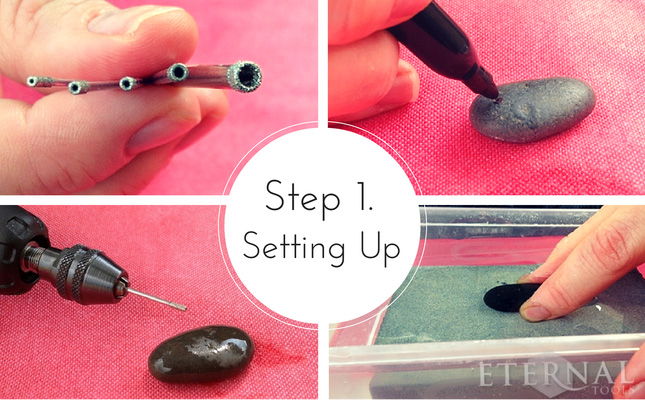
Image Source: theme-assets.ecommercedns.uk
Choosing the Right Drill and Bits for Stone
The success of your stone drilling project hinges on selecting the correct drill and, most importantly, the appropriate drill bits. Not all drills are created equal when it comes to hard materials.
Drill Types for Stone Drilling
- Hammer Drill: A good starting point for many stone projects. A hammer drill combines rotation with a percussive hammering action, which helps break up the stone material as you drill. This is especially useful for materials like concrete and brick. For concrete drilling tips, a hammer drill is often the first recommendation.
- Rotary Hammer Drill: This is a step up from a standard hammer drill. A rotary hammer drilling stone more efficiently due to its more powerful hammering mechanism. It’s ideal for denser materials and larger holes. If you’re drilling into rock or encountering very hard stone, a rotary hammer is your best bet.
- Standard Drill/Driver: While useful for wood and metal, a standard drill without a hammer function will struggle with most stone types. It might work for very soft, porous stones or with specialized bits, but it’s generally not recommended for efficient stone drilling.
Best Drill Bits for Stone
The type of drill bit is as crucial as the drill itself. Using the wrong bit will lead to frustration, slow progress, and potentially damaged bits and materials.
- Masonry Drill Bits: These are typically made of hardened steel with a carbide tip. They are designed to cut through softer stones like brick and concrete. They come in various sizes and shank types.
- Carbide-Tipped Masonry Bits: These are the standard for most DIY stone drilling. The carbide tip is brazed onto a steel body, offering good durability.
- Diamond-Tipped Bits: For truly hard materials like granite, marble, or very dense concrete, diamond bits are essential. These bits have diamond particles embedded in their cutting surface. They cut by grinding rather than chipping.
- Diamond Core Bits: These are hollow bits that drill a circular hole, removing a core of material. They are excellent for creating larger holes or for precise cutting through very hard materials like porcelain tile or natural stone slabs. Diamond core drilling is a specialized technique but highly effective.
- Diamond Grinding Bits: While not for drilling holes, these are used for shaping or smoothing stone.
Table 1: Drill Bit Recommendations by Stone Type
| Stone Type | Recommended Drill Bit Type | Drill Type Recommendation |
|---|---|---|
| Brick (Soft) | Carbide-Tipped Masonry Bit | Hammer Drill |
| Concrete (Soft) | Carbide-Tipped Masonry Bit | Hammer Drill |
| Concrete (Dense) | Carbide-Tipped Masonry Bit (High Quality) | Rotary Hammer Drill |
| Stone (General) | Carbide-Tipped Masonry Bit | Hammer Drill or Rotary Hammer |
| Granite | Diamond-Tipped Bit (Masonry or Core) | Rotary Hammer Drill |
| Marble | Diamond-Tipped Bit (Masonry or Core) | Rotary Hammer Drill |
| Porcelain Tile | Diamond-Tipped Core Bit | Rotary Hammer Drill |
Preparing for Stone Drilling
Proper preparation is key to a safe and successful stone drilling experience. It minimizes dust, ensures accuracy, and protects your work area.
Safety First: Stone Drilling Safety
Before you even pick up a drill, prioritize your safety. Drilling stone can create a lot of dust, some of which can be harmful.
- Eye Protection: Always wear safety glasses or goggles. Stone dust and debris can fly out at high speeds.
- Dust Mask or Respirator: For any significant drilling, wear a high-quality dust mask or a respirator, especially when dealing with concrete or silica-containing stones.
- Hearing Protection: Hammer drills and rotary hammers can be loud. Earplugs or earmuffs are advisable for extended use.
- Gloves: Work gloves protect your hands from sharp edges and vibrations.
- Appropriate Clothing: Wear sturdy clothing that won’t snag. Avoid loose sleeves or jewelry.
Marking Your Drilling Spot
Accuracy is important.
- Marking: Use a pencil or chalk to mark the exact spot where you want to drill.
- Center Punch: For hard surfaces, a center punch can create a small indentation. This helps prevent the drill bit from “walking” or skipping across the surface when you start. Gently tap the center punch with a hammer at your mark.
Preparing the Drill
- Insert the Bit: Ensure the drill is unplugged or the battery is removed. Insert the shank of the drill bit into the chuck. Tighten the chuck securely. If you have a keyless chuck, tighten it as much as possible. If you have a keyed chuck, use the chuck key to tighten it firmly.
- Set the Depth Stop: If you need to drill to a specific depth, attach the depth stop rod to your drill. Adjust it so the tip of the drill bit extends to your desired depth when the stop makes contact with the surface.
Dust Control
- Vacuum: Use a shop vacuum with a HEPA filter and the nozzle held close to the drilling point to capture dust as it’s generated.
- Water (for Diamond Bits): When using diamond bits, especially for drilling through granite or porcelain, a small stream of water can significantly reduce heat and dust. You can have someone spray water from a bottle or use a specialized water attachment for your drill. Be cautious about electrical hazards if using water near an electric drill.
Step-by-Step Stone Drilling Process
Now that you’re prepared, let’s get to the drilling.
Step 1: Starting the Hole
- Pilot Hole (Optional but Recommended): For larger holes or harder materials, it’s often beneficial to drill a smaller pilot hole first. Use a smaller diameter bit suitable for the stone. This helps guide the larger bit and reduces the risk of it wandering.
- Initial Contact: Hold the drill firmly with both hands, perpendicular to the surface. Start the drill at a slow speed. Apply gentle pressure to let the bit bite into the stone.
- Center Punch Aid: If you used a center punch, position the tip of the drill bit in the indentation.
Step 2: Drilling the Hole
- Engage Hammer/Rotary Action: Once the bit has started to make a mark, switch your drill to its hammer or rotary hammer mode if applicable.
- Maintain Pressure: Apply steady, consistent pressure. Let the drill do the work. Avoid forcing it. If you have to push extremely hard, the bit might be dull or the wrong type.
- Retract and Clear Debris: Periodically (every 15-30 seconds), pull the drill bit back slightly while it’s still spinning. This helps clear dust and debris from the hole and prevents the bit from overheating. Continue drilling.
- Cooling: If the bit or the stone is getting excessively hot, stop drilling. Allow them to cool down. If using water, ensure a steady flow.
Step 3: Drilling Through Harder Stones (Granite, Dense Concrete)
- Use the Right Bit: As mentioned, diamond bits are crucial for drilling through granite.
- Slower Speed, More Pressure: For very hard materials, you might need to use a slightly slower drill speed and firm, consistent pressure.
- Water is Key: Keep the bit and the hole lubricated with water. This prevents overheating, which can damage the diamond bit and the stone. You might need a specialized water feed system for larger jobs.
- Patience: Drilling through granite is a slow process. Be patient and work methodically.
Step 4: Drilling Through Brick and Softer Materials
- Hammer Action is Your Friend: For drilling through brick, the hammer function of your drill is very effective.
- Speed and Pressure: You can generally use a faster speed and moderate pressure.
- Clear Debris: Frequently clear out the dust to prevent the hole from getting clogged.
Step 5: Finishing the Hole
- Ease Off: As you near the end of the hole, reduce the pressure slightly to prevent the bit from breaking through too abruptly, which can chip the stone on the exit side.
- Clean the Hole: Once drilled, use a brush or vacuum to clean out any remaining dust and debris from the hole.
Troubleshooting Common Stone Drilling Issues
Even with the best preparation, you might encounter problems.
- Bit Won’t Start/Wanders: Ensure you used a center punch or made a slight indentation to guide the bit. Check if the bit is sharp and suitable for the material.
- Drill Overheating: This is usually due to dull bits, too much pressure, or not clearing debris. Let the drill and bit cool. Ensure you’re using the correct bit type and speed. Water cooling is essential for diamond bits.
- Slow Progress: Dull bit, wrong bit type, or not enough hammer action (if applicable). Try a sharper bit or a more powerful drill.
- Chipping Around the Hole: This can happen on the exit side. Reduce pressure as you break through. Sometimes, a piece of tape placed over the exit point can help minimize chipping.
- Diamond Bit Stops Cutting: This can happen if it overheats or if the diamond crystals are worn down. Ensure you’re using water. If it’s worn, you may need to replace the bit. Sometimes, drilling into a harder abrasive material like a brick for a short period can re-expose the diamond crystals.
Specialized Stone Drilling Techniques
Some projects require more than just a standard hole.
Diamond Core Drilling
Diamond core drilling is used to create clean, precise, often larger-diameter holes without a solid core. It’s common for plumbing, electrical conduits, and anchor bolts.
- Equipment: Requires a specialized diamond core drill, often with a water supply system and a drill stand to ensure stability and accuracy.
- Process: The core bit cuts a ring, and the center material remains intact as a core. Water is continuously supplied to cool the bit and flush away slurry.
- Applications: Drilling through thick concrete slabs, countertops, and large stone blocks.
Rotary Hammer Drilling Stone
When drilling into rock or very dense concrete, a rotary hammer drilling stone is indispensable.
- Mechanism: Rotary hammers have a piston mechanism that delivers much more powerful blows than a standard hammer drill.
- SDS Bits: They typically use SDS (Slotted Drive System) bits, which lock into the chuck and allow for better power transfer.
- Technique: Maintain a firm grip, let the power of the tool do the work. You still need to clear debris, but the rotary action is more aggressive.
Maintaining Your Tools
Proper care extends the life of your tools and bits.
- Clean Bits: After use, clean your drill bits to remove dust and debris.
- Inspect Bits: Check for signs of wear or damage. A dull bit can cause more problems than it’s worth.
- Cool Down Drills: Allow your drill to cool down between prolonged use.
- Storage: Store bits and drills in a clean, dry place.
Conclusion
Drilling through stone is an achievable task for any DIY enthusiast with the right knowledge and tools. By selecting the best drill bits for stone, understanding masonry drilling techniques, and adhering to strict stone drilling safety protocols, you can confidently tackle projects involving brick, concrete, granite, and other stone materials. Remember to be patient, use the right equipment, and always prioritize safety. Whether you’re drilling into rock or simply mounting a picture frame on a stone wall, this stone drilling guide has provided you with the essential information to succeed.
Frequently Asked Questions (FAQ)
Q1: Can I drill through granite with a regular drill?
A1: No, it’s highly unlikely and not recommended. Granite is extremely hard. You will need a powerful rotary hammer drill and specialized diamond-tipped drill bits. Using a regular drill will likely damage the drill, the bit, and the granite.
Q2: What is the best way to drill holes in concrete?
A2: The best way depends on the concrete’s density. For soft concrete, a hammer drill with a good quality carbide-tipped masonry bit is usually sufficient. For dense or reinforced concrete, a rotary hammer drill is much more effective. Always use the correct bit and practice good dust control.
Q3: How do I prevent chipping when drilling stone?
A3: To prevent chipping, especially on the exit side of the hole, reduce pressure as you get close to breaking through. Some DIYers find placing painter’s tape over the exit point can help minimize chipping. Slowing down the drill and not forcing the bit are also crucial.
Q4: How often should I replace my drill bits for stone?
A4: Drill bits wear down over time. For carbide-tipped bits, you’ll notice slower drilling, more heat, and rougher holes when they become dull. For diamond bits, if they stop cutting effectively despite proper cooling, they might need replacement. The lifespan depends heavily on the material being drilled and the intensity of use.
Q5: Is water necessary when drilling stone?
A5: Water is generally not necessary for softer stones like brick, but it’s highly recommended and often essential for harder stones like granite or porcelain tile. Water cools the drill bit, prevents it from overheating and losing its temper or diamonds, reduces dust, and helps flush away debris, making the drilling process smoother and safer.
Q6: What is the difference between a hammer drill and a rotary hammer?
A6: A hammer drill uses a spring-loaded mechanism to create a hammering action while the bit rotates. A rotary hammer uses a pneumatic piston to deliver a much more powerful, high-frequency hammering action. Rotary hammers are significantly more effective for drilling into hard concrete and stone.
Q7: How do I clean up dust after drilling stone?
A7: Always wear a dust mask or respirator. Use a shop vacuum with a HEPA filter to capture dust as you drill. After drilling, carefully sweep or vacuum the remaining dust. For very fine dust, a damp cloth can help wipe surfaces clean. Dispose of dust safely, especially if it contains silica.