
Can you drill through metal studs? Yes, you absolutely can drill through metal studs, and it’s a common task when you need to hang shelves, mount televisions, or install other fixtures in a modern home or building. Drilling into metal framing requires the right approach and tools to ensure safety and a successful outcome. This guide will walk you through everything you need to know about metal stud drilling safely and effectively, from choosing the best drill bits for metal studs to knowing how to anchor to metal studs. We’ll cover the essential tools for metal stud drilling and techniques for fastening to metal studs with confidence.
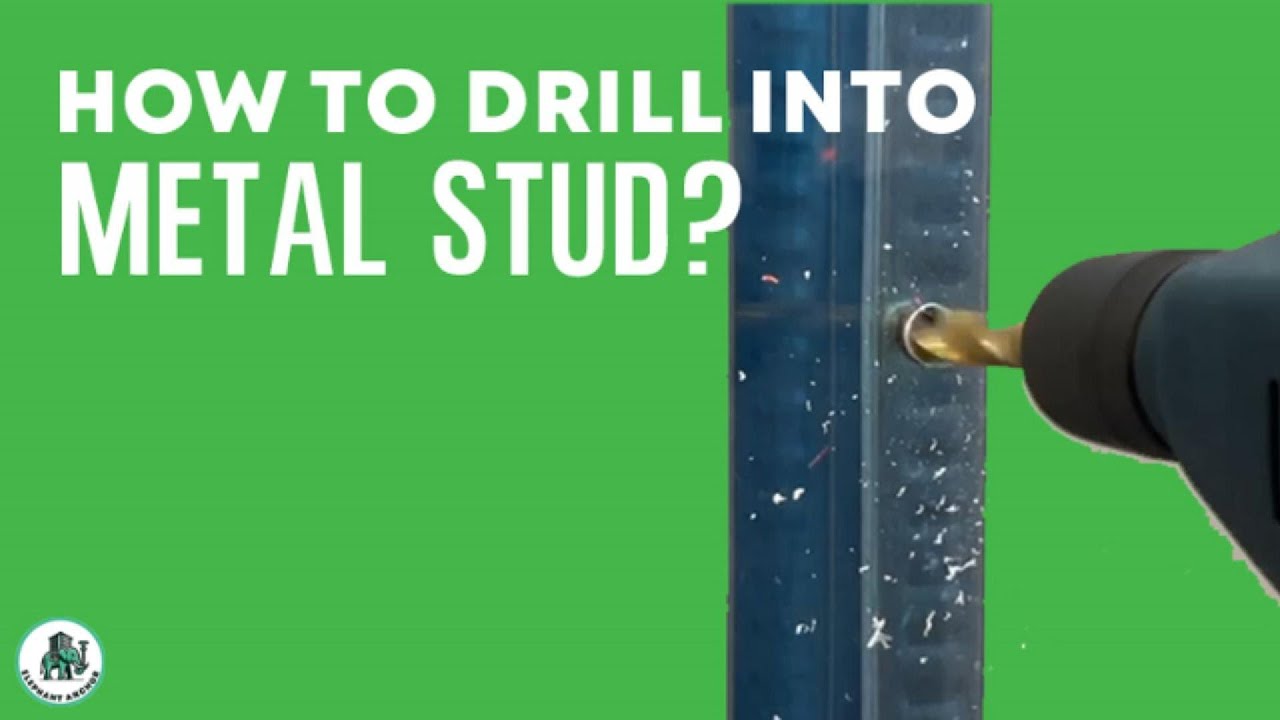
Image Source: i.ytimg.com
The Basics of Metal Stud Construction
Before we dive into the “how,” let’s quickly cover the “what.” Metal studs, often called steel studs, are lightweight framing members used in construction, particularly in commercial buildings and increasingly in residential projects. They are typically made from galvanized steel, meaning they have a protective zinc coating to prevent rust. This galvanization is a key factor when considering drilling into steel studs.
Metal studs come in various gauges (thicknesses), with lower gauge numbers indicating thicker metal. The gauge of the stud will influence the type of drill bit and pressure you need. Most residential metal studs are 20-gauge or 22-gauge.
Why Drill Through Metal Studs?
There are many reasons why you might need to drill through metal studs:
- Hanging Shelves and Cabinets: Creating sturdy anchor points for storage solutions.
- Mounting TVs and Monitors: Securely attaching flat-screen televisions to walls.
- Installing Fixtures: Putting up light fixtures, curtain rods, or decorative items.
- Running Wires or Cables: Creating small holes to pass through electrical wires or network cables.
- DIY Projects: Any creative endeavor that requires attaching something to a wall frame.
Essential Tools for Metal Stud Drilling
Having the right tools makes all the difference. For metal stud drilling, you’ll need a few key items:
1. Drill or Impact Driver
- Cordless Drill: A powerful cordless drill is your primary tool. Look for one with adjustable speed and torque settings. A variable speed trigger is essential for controlling the drill bit.
- Impact Driver: An impact driver can be useful for drilling into thicker metal studs as its percussive action helps drive the bit. However, it requires a bit more control to avoid stripping screw heads or damaging the stud.
2. Drill Bits for Metal Studs
This is arguably the most crucial choice. Using the wrong drill bit will lead to frustration, damaged bits, and poor results.
- High-Speed Steel (HSS) Bits: These are the standard for metal drilling. They are durable and can withstand the heat generated.
- Cobalt Bits: An excellent choice for drilling into steel studs. Cobalt bits are harder and more heat-resistant than standard HSS bits, making them ideal for tougher metals. They retain their hardness at higher temperatures.
- Titanium-Coated HSS Bits: Titanium coating adds a layer of hardness and reduces friction, allowing the bit to cut through metal more easily and extend its lifespan. They are a good all-around choice for metal stud drilling.
- Step Bits: These are cone-shaped bits with multiple diameters. They are perfect for drilling various hole sizes with a single bit and create clean holes without burrs, especially useful for drilling metal framing. They are excellent for creating larger access holes.
- Twist Bits (Standard Drill Bits): While HSS twist bits can work, they will wear out faster than specialized metal bits, especially when drilling through galvanized studs.
Table: Best Drill Bits for Metal Studs
| Bit Type | Material Composition | Best For | Considerations |
|---|---|---|---|
| Cobalt Drill Bits | High-Speed Steel + Cobalt | Drilling into thicker steel studs, frequent metal drilling | More expensive, excellent heat resistance |
| Titanium-Coated HSS Bits | HSS with Titanium Coating | General metal stud drilling, good balance of performance and price | Good for drilling into steel studs, extends bit life |
| Standard HSS Twist Bits | High-Speed Steel | Light-duty metal stud drilling, occasional use | Less heat resistant, can dull quickly when drilling through galvanized studs |
| Step Bits | HSS or Cobalt | Creating multiple hole sizes, clean holes, drilling metal framing | Excellent for expansion or creating pilot holes for larger fasteners, can create burrs if pushed |
3. Safety Gear
- Safety Glasses/Goggles: Essential to protect your eyes from metal shavings and debris.
- Work Gloves: Protect your hands from sharp edges and heat.
- Dust Mask: Recommended, especially when drilling into older or painted studs, to avoid inhaling metal dust.
4. Other Helpful Tools
- Center Punch: To mark the exact spot for drilling and prevent the drill bit from wandering.
- Measuring Tape and Pencil: For accurate placement.
- Level: To ensure your mounted items are straight.
- Clamps: To hold your workpiece steady if drilling through a separate piece of metal.
- Cutting Fluid or Lubricant: A specialized cutting fluid or even a light oil can help reduce friction, keep the bit cool, and extend its life, especially when drilling into steel studs.
Step-by-Step Guide to Drilling Through Metal Studs Safely
Now that you have your tools, let’s get to the actual process of metal stud drilling.
Step 1: Plan Your Placement and Mark the Spot
- Locate the Stud: Use a stud finder designed for metal studs or tap the wall to find the hollow sound of the stud. Sometimes, you can see the faint outline of studs.
- Measure and Mark: Use your measuring tape and pencil to mark precisely where you need to drill. Use a level to ensure your mark is straight.
- Use a Center Punch: This is critical for accurate metal stud drilling. Place the sharp point of the center punch on your mark and strike it firmly with a hammer. This creates a small indentation that will guide your drill bit and prevent it from skidding across the surface.
Step 2: Select the Right Drill Bit and Set Your Drill
- Choose Your Bit: Based on the stud gauge and your needs, select the appropriate drill bit (HSS, Cobalt, or Titanium-coated HSS are recommended). For drilling through galvanized studs, a cobalt or titanium-coated bit is best.
- Attach the Bit: Securely insert the drill bit into your drill’s chuck and tighten it firmly.
- Set Drill Speed and Torque: For drilling into steel studs, start with a slower speed setting. Too high a speed generates excessive heat, which can quickly dull your bit. Set your drill’s clutch to a low torque setting initially to avoid over-tightening or damaging the metal.
Step 3: Prepare for Drilling
- Apply Lubricant (Optional but Recommended): Apply a small amount of cutting fluid or light oil to the marked spot. This is especially helpful for drilling metal framing and prolongs the life of your drill bit.
- Safety First: Put on your safety glasses and gloves. Ensure the area is clear of debris.
Step 4: Drill the Pilot Hole
- Drilling Pilot Holes Metal Studs: This is a key technique. If you are drilling a larger hole or using a screw that is thicker than your pilot hole, it’s wise to drill a smaller pilot hole first. This makes it easier to guide the main drill bit or screw and prevents the metal from deforming.
- Start Slowly: Place the tip of your drill bit directly into the indentation made by the center punch.
- Apply Steady Pressure: Begin drilling at a slow, steady speed. Let the drill bit do the work. Avoid forcing the drill.
- Maintain a Straight Angle: Keep the drill perfectly perpendicular to the stud’s surface.
Step 5: Drill the Main Hole
- Increase Speed Gradually: Once the bit has started the hole, you can gradually increase the drill speed, but still keep it moderate.
- Use Cutting Fluid: Reapply cutting fluid as needed, especially if you notice increased friction or heat. Dip the bit into the fluid periodically or apply it directly to the hole.
- Manage Heat: If the bit gets very hot, stop drilling and let it cool down. Overheating is the enemy of drill bits.
- Clear Debris: Periodically pull the drill bit out of the hole while it’s still spinning slowly to clear out metal shavings. This prevents the shavings from packing into the hole and binding the bit.
- Drilling Through the Stud: Continue drilling until you’ve gone completely through the metal stud. You’ll feel a slight resistance give as you break through the other side.
Step 6: Finishing Up
- Smooth Edges: Use a deburring tool or a larger drill bit (without the cutting tip exposed) to slightly ream the edges of the hole if they are sharp or have burrs. This makes fastening to metal studs safer and prevents damage to wires or screws.
- Clean the Area: Wipe away any metal shavings and lubricant.
- Mount Your Item: Now you’re ready for secure mounting metal studs.
Advanced Techniques for Drilling Metal Studs
For more specific tasks, consider these methods:
Drilling Larger Holes
If you need a larger hole, consider these options:
- Step Bits: As mentioned, step bits are excellent for creating holes of varying sizes cleanly.
- Hole Saws: For very large holes, a metal-cutting hole saw might be necessary. Use a slow speed and apply cutting fluid liberally.
- Multiple Pilot Holes: Drill a series of smaller pilot holes around the perimeter of the desired larger hole, then use a nibbler tool or metal snips to cut out the remaining material.
Drilling Through Pre-Drilled Holes in Studs
Metal studs often come with pre-drilled holes for running wires or pipes. If you need to enlarge these or drill through a solid section, follow the steps above.
Drilling Through Metal Stud Flanges and Webs
- Flanges: The edges of the stud are called flanges. These are often thicker and can be trickier. Use a good quality cobalt or titanium bit and start with a pilot hole.
- Webs: The flat, main surface of the stud is the web. This is generally easier to drill.
How to Anchor to Metal Studs
Once you’ve drilled your holes, the next step is secure mounting metal studs. This is where choosing the right fasteners is crucial.
Screw Types for Metal Studs
- Self-Tapping Screws: These screws are designed to cut their own threads as they are driven into the metal. They are commonly used for fastening to metal studs. Look for “Sheet Metal Screws” or “Self-Drilling Screws” (also called “Tek Screws” if they have a drill bit tip).
- Drywall Screws (Use with Caution): While common for drywall, standard drywall screws may not be strong enough for significant weight loads when fastening to metal studs. They can also strip easily. Use them only for very light items.
- Toggle Bolts and Molly Bolts: For heavier items, especially if you can’t directly hit a stud or need to spread the load across the drywall and into the stud cavity, toggle bolts or molly bolts are excellent. You’ll drill a hole appropriately sized for the bolt’s anchor.
Techniques for Secure Mounting
- Direct Screw Attachment: If your item has pre-drilled holes that align with your drilled holes in the stud, use self-tapping screws or Tek screws. Drive them in until they are snug, but be careful not to overtighten, which can strip the threads in the metal.
- Using Anchors:
- Toggle Bolts: Drill a hole through the stud large enough for the toggle to pass through. Insert the toggle bolt, deploy the wings, and then tighten the screw. This provides a very strong hold.
- Molly Bolts (Hollow Wall Anchors): Similar to toggle bolts, these expand behind the metal stud or drywall for a secure grip.
- Bridging Studs: For very heavy items like large TVs or cabinets, it’s best to span across two or more studs with a piece of wood (like a 1×4 or 2×4). Secure this wood ledger to the metal studs first, then attach your item to the wood ledger. This distributes the weight and provides a robust mounting solution. When attaching the wood ledger to the studs, use appropriate length self-tapping screws that can go through the wood and firmly into the metal studs.
Troubleshooting Common Issues
- Drill Bit Wandering: Always use a center punch to create an indentation.
- Bit Getting Stuck: This can happen if you try to drill too fast or with too much force. Back the bit out slowly while it’s still spinning to clear debris. Use cutting fluid.
- Overheating Bit: Slow down the drilling speed and use cutting fluid. Let the bit cool.
- Stripped Screw Heads: Use the correct screwdriver bit, apply firm downward pressure, and ensure the screw is properly aligned. For metal studs, consider pilot holes for your screws if using non-self-tapping types.
- Burrs on Holes: Use a deburring tool or a larger drill bit to clean up the edges.
Frequently Asked Questions (FAQ)
Q1: What is the best drill bit for drilling into steel studs?
The best drill bits for drilling into steel studs are cobalt drill bits or high-speed steel (HSS) bits with a titanium coating. These materials offer superior hardness and heat resistance compared to standard HSS bits, allowing them to cut through metal more effectively and last longer.
Q2: Can I use regular drill bits to drill through metal studs?
You can use regular high-speed steel (HSS) drill bits, but they will dull much faster, especially when drilling through galvanized studs. For consistent and efficient drilling, specialized metal drill bits like cobalt or titanium-coated HSS bits are highly recommended.
Q3: How do I prevent metal shavings from flying everywhere?
Always wear safety glasses. To minimize flying shavings, you can use a vacuum cleaner hose held near the drill bit as you drill, or spray a bit of water or cutting fluid on the area. Periodically withdrawing the spinning drill bit from the hole can help clear some of the accumulated chips.
Q4: What is the best way to anchor to metal studs for heavy items?
For heavy items, the most secure method is to attach a solid wood ledger or cleat across multiple metal studs. Use self-tapping screws or lag screws (with pilot holes) to firmly attach the wood to the studs. Then, mount your heavy item to the wood ledger. Alternatively, use heavy-duty toggle bolts or molly bolts directly into the studs if the item’s mounting points align.
Q5: How do I drill pilot holes in metal studs?
To drill pilot holes in metal studs, use a drill bit that is slightly smaller than the diameter of the screw or fastener you plan to use. Apply firm, steady pressure and a moderate speed. Using a center punch to create an indentation first will ensure the bit starts precisely and doesn’t wander.
Q6: Is drilling through galvanized studs different?
Drilling through galvanized studs is similar to drilling through plain steel studs, but the zinc coating can sometimes clog the flutes of your drill bit. Using cutting fluid and a good quality, sharp drill bit (cobalt or titanium-coated HSS) will help manage this and reduce friction. You might also need to clear the bit more frequently.
Q7: What are the key tools for metal stud drilling?
The essential tools for metal stud drilling include a powerful drill or impact driver, appropriate metal drill bits (cobalt, titanium-coated HSS, or step bits), safety glasses, gloves, a center punch, and optionally, cutting fluid.
By following these guidelines, you can confidently and safely tackle any project involving metal stud drilling and achieve secure mounting metal studs for all your needs. Remember, patience and the right equipment are your best allies when drilling into steel studs or any metal framing.