
Yes, you can drill stainless steel, but it requires a specific approach to avoid common pitfalls. Drilling stainless steel can be challenging due to its hardness and tendency to work-harden. Unlike softer metals, stainless steel resists cutting and can quickly dull drill bits if not handled with the correct technique and tools. This guide will equip you with the knowledge and pro tips necessary for successful stainless steel hole drilling, whether you’re a DIY enthusiast or a seasoned professional involved in stainless steel fabrication.
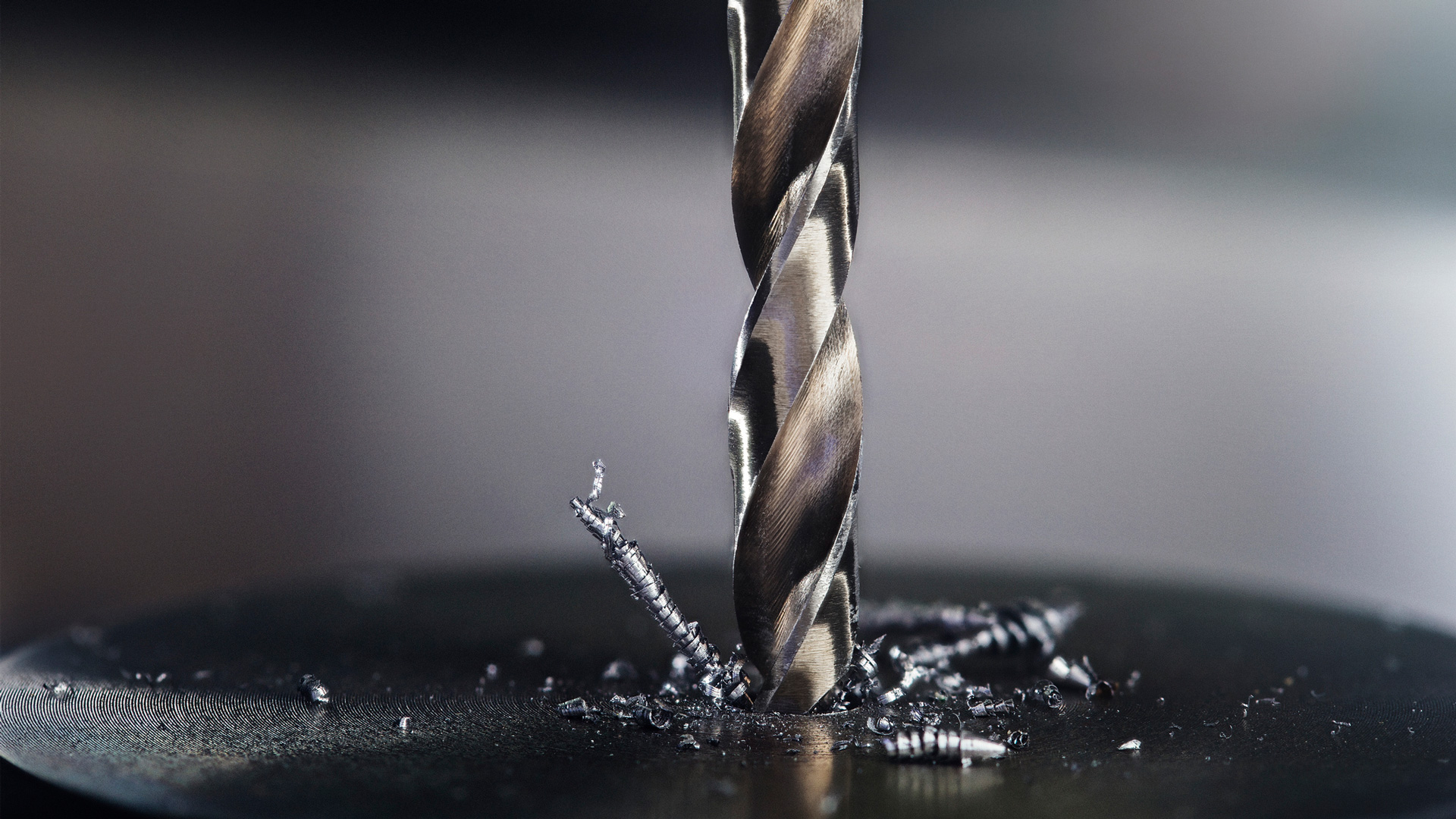
Image Source: rdbarrett.co.uk
Selecting the Best Drill Bits for Stainless Steel
The choice of drill bit is paramount when drilling stainless steel. Standard high-speed steel (HSS) bits may struggle. For effective stainless steel machining, you need bits designed for harder metals.
Types of Drill Bits
- Cobalt Drill Bits: These are the go-to for stainless steel. Cobalt is an alloy that increases the hardness and heat resistance of HSS. This means they stay sharper for longer and can withstand the friction generated when drilling stainless steel. Look for bits labeled “Cobalt” or “HSS-Co.”
- Titanium Nitride (TiN) Coated Bits: While good for many metals, TiN coated bits can be a decent option for thinner stainless steel or less demanding applications. The titanium coating adds a layer of hardness and lubricity, reducing friction and heat. However, they generally don’t perform as well as cobalt bits for thicker or tougher stainless steel grades.
- Carbide Drill Bits: For extremely tough stainless steel or high-volume production runs, solid carbide bits are often the best choice. They are significantly harder and more heat-resistant than HSS or even cobalt bits. However, they are also more brittle and can chip if subjected to excessive side force or impact. They are typically more expensive.
- Step Drill Bits: These are useful for creating multiple hole sizes in a single pass, especially for thinner sheet metal. They are excellent for clean, burr-free holes in stainless steel fabrication projects.
Bit Geometry and Features
- 135-Degree Split Point: This angle is crucial for stainless steel. A split point prevents the drill bit from “walking” or wandering when you start the hole. It also helps to create smaller chips, which are easier to evacuate.
- Flute Design: Bits with deeper, more aggressive flutes are better for chip evacuation, which is vital for preventing heat buildup and the bit from getting stuck.
Essential Drilling Stainless Steel Tips
Success in drilling stainless steel hinges on a combination of proper technique, the right tools, and a methodical approach. Here are some of the most effective drilling stainless steel tips:
Speed and Feed Rate Control
This is perhaps the most critical aspect of drilling stainless steel.
- Slow Speed: Stainless steel requires significantly slower drill speeds than mild steel or aluminum. High speeds generate excessive heat, which causes the bit to dull rapidly and the stainless steel to work-harden. A good starting point for a 1/4-inch cobalt bit in stainless steel is around 200-300 RPM. Larger bits require even slower speeds.
- Consistent Feed Rate: Apply steady, consistent pressure. Don’t force the drill bit, but don’t be too timid either. You want the bit to cut, not rub. As you drill, listen to the sound of the bit. A high-pitched squeal often indicates you’re going too fast or not applying enough pressure. A grinding sound suggests the bit is dull or you’re not drilling deep enough to clear chips.
Lubrication is Key
Lubrication is your best friend when drilling stainless steel. It reduces friction, dissipates heat, and helps to flush out chips.
- Cutting Fluid/Oil: Always use a cutting fluid specifically designed for metal drilling. These fluids are formulated to handle the high temperatures and pressures involved. Apply it liberally and frequently to the drill bit and the workpiece.
- High-Pressure Lubricants: For more demanding applications, especially when drilling through thick stainless steel, a high-pressure cutting paste or “chip-thinning” compound can be extremely beneficial. These thicker lubricants provide better adhesion to the drill bit and workpiece, offering superior cooling and lubrication.
Chip Evacuation
Proper chip removal is essential to prevent the drill bit from binding and the workpiece from overheating.
- Pecking Action: For deeper holes, use a “pecking” or “chip-breaking” technique. Drill for a few seconds, then retract the bit slightly (about half the depth of the hole so far) to clear chips from the flutes. Repeat this process until the hole is complete.
- Clean the Flutes: Periodically remove the drill bit from the hole to clean out any packed chips from the flutes.
Preventing Work Hardening
Stainless steel is notorious for work hardening, meaning it becomes harder the more it’s deformed. This can happen quickly if you use the wrong technique.
- Maintain Momentum: Once you start drilling, try to keep the drill bit cutting continuously. Intermittent pressure or excessive dwelling in the hole can lead to work hardening.
- Sharp Bits: Ensure your drill bits are always sharp. A dull bit will rub instead of cut, leading to work hardening and increased heat.
Setting Up for Success: Drill Press vs. Handheld Drill
While a handheld drill can work for smaller holes or thinner materials, a drill press offers superior control and accuracy, especially for stainless steel.
Using a Drill Press for Stainless Steel
A drill press provides stability, consistent speed control, and the ability to apply downward pressure uniformly. This makes it ideal for stainless steel machining.
- Secure the Workpiece: Always clamp the stainless steel workpiece firmly to the drill press table. Use a drill vise or sturdy clamps. A workpiece that moves will ruin the hole and can be dangerous.
- Proper Speed Settings: Most drill presses have adjustable pulley systems or variable speed drives. Consult the drill bit manufacturer’s recommendations or a machining handbook for appropriate RPMs based on the drill bit diameter and the type of stainless steel.
- Pilot Holes: For larger diameter holes or when drilling through thick stainless steel, drilling a pilot hole first is highly recommended. Use a smaller drill bit (e.g., 1/8″ or 3/16″) to create a starting point. This reduces the torque required for the larger bit and helps center the hole accurately.
Handheld Drill Considerations
If you must use a handheld drill:
- Corded Drills: These generally offer more consistent power than cordless models, which can be important for maintaining speed under load.
- Variable Speed Trigger: A variable speed trigger is essential for controlling the initial speed and maintaining a slow, steady rate.
- Two-Handed Operation: Use the auxiliary handle for better control and stability.
- Marking and Center Punching: Use a center punch to create a dimple at your mark. This gives the drill bit a starting point and prevents it from wandering.
Machining Stainless Steel: Beyond Drilling
While this guide focuses on drilling, it’s important to note that successful stainless steel machining involves similar principles for other operations. When cutting stainless steel, for instance, using sharp tools, slow speeds, ample lubrication, and proper chip evacuation are just as crucial.
Tapping Stainless Steel
Tapping, the process of creating internal threads, also requires special attention when working with stainless steel.
- Tap Choice: Use high-quality taps, preferably made from cobalt alloy or carbide.
- Lubrication: Use a good tapping fluid.
- Pecking Technique: Just like drilling, peck your way into the threads, backing the tap out frequently to clear chips.
- Correct Tap Drill Size: Using the correct tap drill size is critical. If the pilot hole is too small, you risk breaking the tap or work-hardening the material. If it’s too large, you won’t get proper threads.
Troubleshooting Common Drilling Issues
Even with the best preparation, you might encounter problems. Here are solutions to common issues:
Drill Bit Binding or Snagging
- Cause: Insufficient lubrication, incorrect speed/feed, dull bit, poor chip evacuation, work hardening.
- Solution: Slow down the speed, increase pressure slightly, ensure ample lubrication, use a sharp cobalt or carbide bit, employ the pecking technique to clear chips, and ensure the pilot hole is correctly sized if applicable.
Hole Wall Roughness or Burning
- Cause: Excessive heat, dull drill bit, insufficient lubrication.
- Solution: Slow down the speed, use more cutting fluid, ensure the bit is sharp, and check for proper chip evacuation.
Drill Bit Wandering on Start
- Cause: Lack of a pilot hole or center punch mark.
- Solution: Always use a center punch to create a starting dimple for handheld drills. For drill press use, a pilot hole is even better. Ensure the drill bit has a 135-degree split point.
Excessive Heat Buildup
- Cause: High speed, insufficient lubrication, dull bit, improper chip evacuation.
- Solution: Reduce speed, increase lubrication, use a sharp bit, and ensure chips are being cleared effectively.
Material Considerations: Different Stainless Steel Grades
There are many types of stainless steel, and their machinability can vary.
- Austenitic Stainless Steels (e.g., 304, 316): These are the most common types and are generally considered machinable, though they do work-harden significantly. They require slow speeds, high lubricity, and good chip control.
- Martensitic Stainless Steels (e.g., 410, 420): These are harder and stronger than austenitic grades and can be more challenging to drill. They often require even slower speeds and more robust tooling.
- Ferritic Stainless Steels (e.g., 430): These are generally softer and easier to machine than austenitic grades but can be prone to galling.
When in doubt, always consult machining data specific to the stainless steel grade you are working with.
Frequently Asked Questions (FAQ)
Can I drill stainless steel with a regular HSS drill bit?
While possible for very thin stainless steel or with extreme caution (slow speed, lots of lubrication), it’s not recommended. Regular HSS bits will dull very quickly and can lead to work hardening. Cobalt or carbide bits are significantly better for drilling stainless steel.
What is the best speed to drill stainless steel?
There’s no single answer, as it depends on the drill bit diameter, the specific grade of stainless steel, and the type of drill bit. However, generally, you need to drill much slower than you would for mild steel. A good starting point for a 1/4″ cobalt bit might be 200-300 RPM. Always err on the side of too slow.
How much pressure should I use when drilling stainless steel?
Apply steady, consistent pressure. You want the bit to cut into the material. Don’t force it aggressively, but don’t be too gentle either. Listen to the sound of the drill; a high-pitched squeal often means you’re going too fast or need more pressure.
What kind of lubricant is best for drilling stainless steel?
A good quality cutting fluid or cutting oil specifically designed for metal machining is essential. For tougher jobs or drilling through thick stainless steel, a high-pressure lubricant or tapping paste can provide superior cooling and lubrication.
How do I prevent work hardening when drilling stainless steel?
Work hardening occurs when the metal becomes harder due to deformation. To prevent it, use sharp drill bits, maintain a consistent cutting action (avoid dwelling), use slow speeds, apply ample lubrication, and ensure good chip evacuation so the heat doesn’t build up.
Is it better to use a drill press or a handheld drill for stainless steel?
A drill press is highly recommended for drilling stainless steel. It offers much greater stability, control over speed and pressure, and accuracy, all of which are crucial for successful results and preventing issues like work hardening or bit breakage.
By following these pro tips and using the right equipment, you can confidently tackle drilling stainless steel and achieve clean, precise holes for all your fabrication and repair needs.