
Can I drill holes in seashells for crafts? Yes, you absolutely can drill holes in seashells for crafts, and it’s a fantastic way to create beautiful jewelry, decorations, and unique art pieces.
Drilling holes in seashells might sound intimidating, but with the right tools and techniques, it’s a rewarding DIY project. Whether you want to make delicate shell necklaces, create wind chimes, or add a touch of the ocean to your home decor, piercing seashells opens up a world of creative possibilities. This guide will walk you through everything you need to know for safe and successful shell drilling.
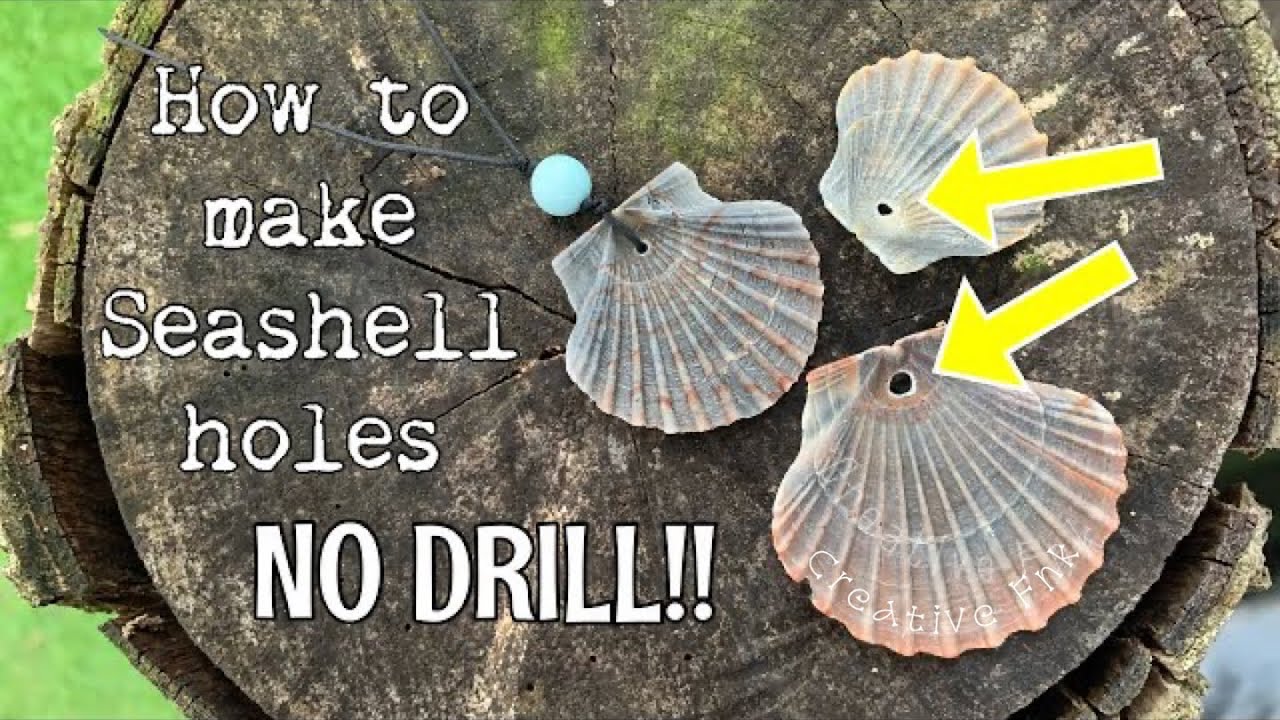
Image Source: i.ytimg.com
Why Drill Holes in Seashells?
Seashells are nature’s tiny sculptures, each with its own unique charm. Drilling holes allows us to transform these natural treasures into personalized crafts.
- Making Shell Jewelry: This is perhaps the most popular reason. Drilled shells can become pendants, earrings, bracelet charms, and more. Imagine delicate cowrie shells as focal points or tiny auger shells strung together.
- Decorative Accents: Hang them as ornaments, use them in dreamcatchers, or incorporate them into mosaic art.
- Musical Creations: Drill holes to create components for wind chimes or rattles, letting the shells make gentle sounds.
- Educational Displays: For collectors or educators, drilling allows for mounting and displaying shells in a structured way.
Getting Started: What You’ll Need
Before you begin, gather your supplies. Having everything ready will make the process smoother and safer.
Essential Tools for Shell Drilling
The right tools are key to preventing breakage and achieving clean holes.
- Drill:
- Dremel for Shells: A rotary tool like a Dremel is highly recommended. Its variable speed control is crucial for delicate work. You can attach various bits for precise drilling.
- Hand Drill for Shells: A small, manual hand drill or a pin vise can also work, especially for very small shells or when you need maximum control. It takes more patience but is less likely to cause damage if you’re nervous about power tools.
- Drill Bits:
- Diamond-Tipped Bits: These are the best drill bits for shells. They are designed to cut through hard materials like glass, tile, and stone, making them perfect for shells. They come in various sizes.
- Carbide-Tipped Bits: These are a good alternative if diamond bits aren’t available. They are durable but may not be as precise as diamond.
- Small Needle Files: Useful for cleaning up rough edges after drilling.
- Water Source:
- Bowl of Water: Keep a bowl of water nearby to cool the drill bit and the shell. This prevents overheating, which can cause the shell to crack.
- Spray Bottle: A spray bottle filled with water is handy for keeping the drilling area wet.
- Safety Gear:
- Safety Glasses: Absolutely essential to protect your eyes from flying shell fragments.
- Dust Mask: While not always necessary for small jobs, it’s good practice to wear one to avoid inhaling fine shell dust.
- Gloves: Can provide a better grip and protect your hands.
- Work Surface:
- Soft Surface: A piece of thick cloth, a sponge, or a rubber mat can help cushion the shell and prevent it from rolling or slipping.
- Work Clamp or Vise (Optional): For larger shells or extra stability, a small vise or clamp can be useful, but be very gentle to avoid crushing the shell.
- Marking Tool:
- Pencil or Fine-Tip Marker: To mark the exact spot where you want to drill.
Choosing the Right Shells
Not all shells are created equal when it comes to drilling.
- Thickness: Thicker shells are generally more forgiving. Thin, delicate shells, like some types of scallops or abalone, are much harder to drill without breaking.
- Shape: Smooth, rounded surfaces are easier to work with than highly textured or ridged shells.
- Condition: Avoid shells that are already cracked or chipped. Start with whole, healthy specimens.
- Type of Shell:
- Drilling Clam Shells: Clam shells, especially larger ones, can be quite sturdy. Their flatter surfaces are good for drilling.
- Drilling Conch Shells: Conch shells are generally robust and have thicker walls, making them good candidates for drilling. Be mindful of their curved shapes.
- Drilling Pearls: While not technically seashells, pearls are often drilled for jewelry. They are much softer and require extremely delicate handling and specialized small drill bits, often done by professionals. For DIY, focus on the shell itself.
The Step-by-Step Process: Mastering Shell Drilling
Here’s how to safely pierce your seashells.
Step 1: Preparation is Key
- Clean Your Shells: Wash shells thoroughly with soap and water to remove any sand, dirt, or organic matter. Let them dry completely.
- Choose Your Spot: Decide exactly where you want the hole. Consider how the shell will be used – for hanging, for threading, etc.
- Mark the Spot: Lightly mark the drilling location with a pencil or marker.
Step 2: Setting Up for Success
- Secure Your Shell: Place the shell on your cushioned work surface. Ensure it’s stable and won’t move while you drill. If using a vise, secure it gently.
- Prepare Your Water: Have your bowl of water or spray bottle ready.
Step 3: The Drilling Technique
This is where the magic (and the caution) happens.
-
Dremel Technique:
- Select the Bit: Choose a small diamond-tipped drill bit appropriate for the size of the hole you need.
- Set the Speed: Start with a low to medium speed. High speeds generate more heat and increase the risk of cracking.
- Cooling: Dip the drill bit in water or spray the shell and bit with water as you begin drilling. Keep the area consistently wet.
- Apply Gentle Pressure: Let the drill bit do the work. Do not force it. Apply only light, steady pressure.
- Drill Slowly: Start the drill before touching the shell. Slowly and steadily bring the spinning bit to the marked spot.
- Use a “Pecking” Motion: Drill a little, pull back slightly to clear debris and cool the bit, then continue drilling. This helps prevent overheating and clogging.
- Be Patient: Drilling small holes in shells takes time. Rushing is the quickest way to break a shell.
- Check Progress: Periodically lift the bit to check your progress and re-wet the area.
-
Hand Drill Technique:
- Select the Bit: Use a very small, sharp drill bit (like a pin vise bit or a small diamond needle file).
- Position: Place the tip of the bit on your marked spot.
- Twist Gently: Apply consistent, gentle downward pressure while twisting the drill handle back and forth.
- Lubricate: Dip the bit in water frequently.
- Patience is Crucial: This method requires significant patience. It can take several minutes to create even a small hole.
Step 4: Finishing Touches
- Clean the Hole: Once the hole is made, use a needle file or a small piece of sandpaper to smooth any rough edges inside or around the hole. You can also use the Dremel on a very low speed with a small polishing bit for this.
- Rinse and Dry: Rinse the shell again to remove any dust and let it dry completely.
Troubleshooting Common Issues
Even with the best intentions, things can go wrong. Here’s how to handle them.
Shell Cracking or Breaking
- Cause: Too much pressure, drilling too fast, overheating, a weak shell, or drilling too close to the edge.
- Solution: Slow down, use less pressure, keep the area wet, start with stronger shells, and avoid drilling near thin edges. If a small crack appears, you might be able to stop before it worsens. Sometimes, a tiny bit of super glue can stabilize a minor fissure, but it’s best to avoid damage in the first place.
Drill Bit Getting Stuck
- Cause: The shell material is harder than expected, or debris has clogged the bit.
- Solution: Stop drilling immediately. Gently wiggle the drill bit. If it’s really stuck, try backing it out slowly. Ensure you’re using the correct drill bit (diamond-tipped is best). Keep the drilling area wet to flush out debris.
Hole is Too Big or Wonky
- Cause: Slipping, too much pressure, or the wrong bit size.
- Solution: This is difficult to fix perfectly. You can try to gently enlarge it with a slightly larger bit or smooth it with a file. For jewelry, a slightly larger hole might still work if you can thread it with a thicker cord or use a larger jump ring.
Specific Shell Types and Considerations
While the general principles apply to most shells, some types require extra attention.
Drilling Small Holes in Shells
For very small holes, often needed for delicate jewelry or intricate designs, a pin vise with a tiny diamond needle file or a micro drill bit (like those used for electronics) is ideal. Go even slower and use less pressure.
Drilling Clam Shells
Clam shells can have a smoother surface, which makes them easier to keep stable. Their thickness varies, so assess each shell individually. Drilling near the hinge can be challenging due to its curvature and potential weakness.
Drilling Conch Shells
Conch shells are often substantial. They can be drilled for larger pendants or decorative elements. Their thick walls are an advantage, but their curved surfaces can make it harder to keep the drill bit steady. Consider using a small Dremel stand or a bench vise with soft jaws for added stability.
Drilling Tiny Shells (e.g., Periwinkles, Auger Shells)
These are the most delicate.
* Tool: A pin vise is often the best tool.
* Bit: Use the smallest diamond needle files or micro bits available.
* Technique: Hold the shell very gently. Apply the absolute minimum pressure. It’s often easier to drill these if they are slightly submerged in water.
Safety First!
Let’s reiterate the importance of safety.
- Eye Protection: Always wear safety glasses. Shell fragments can fly unexpectedly.
- Ventilation: Work in a well-ventilated area, especially if using a Dremel, to avoid inhaling fine dust. A dust mask is a good addition.
- Tool Handling: Always follow the manufacturer’s instructions for your drill. Keep fingers away from moving parts.
- Water and Electricity: Be extremely cautious when using electrical tools near water. Ensure your Dremel is in good condition and avoid submerging the motor. Keep the cord away from water.
Caring for Your Drilled Shells
Once drilled, your shells are ready for crafting.
- Cleaning: Gently clean your drilled shells with mild soap and water if needed.
- Assembly: Use appropriate findings for jewelry: jump rings, earring hooks, cord, wire, etc. Ensure the findings are made of materials that won’t corrode or react with the shell.
Frequently Asked Questions (FAQ)
Q1: What is the best way to start drilling shells?
A1: Start with a sturdy, relatively flat shell and a small diamond-tipped drill bit. Use a Dremel on a low speed and keep the area wet.
Q2: Can I use a regular drill for shells?
A2: A regular drill can be used, but it’s much harder to control the speed and pressure. It’s best to use a variable-speed drill and the lowest setting possible, with extreme care and a diamond bit. A Dremel or hand drill is generally safer and more effective for this task.
Q3: How do I prevent shells from cracking?
A3: Key factors are slow speed, gentle pressure, and keeping the shell and drill bit cool with water. Drilling on a soft surface also helps absorb vibrations.
Q4: What if my shell breaks while drilling?
A4: Unfortunately, once a shell breaks during drilling, it’s usually beyond repair for most craft purposes. Learn from the experience and adjust your technique for the next shell.
Q5: Can I drill holes in really tiny shells?
A5: Yes, but it’s very challenging. A pin vise with a tiny diamond needle file is often the best tool for the job, requiring immense patience and a very steady hand.
Q6: How do I clean up the edges of the drilled hole?
A6: After drilling, use a small needle file or a piece of fine-grit sandpaper to gently smooth the edges. You can also use a Dremel with a small polishing bit at a very low speed.
Q7: What size drill bit should I use for making shell jewelry?
A7: The size depends on your design. For delicate pendants, a 1-2mm bit is common. For larger holes or to thread thicker cord, you might need a 3-4mm bit. Always start smaller and enlarge if necessary.
Q8: Is it safe to drill shells without water?
A8: It is strongly advised against. Drilling without water generates excessive heat, significantly increasing the risk of the shell cracking or shattering. Water also helps to flush away debris, preventing the drill bit from clogging and making the process smoother.
By following these guidelines, you’ll be well on your way to creating beautiful, unique crafts with your drilled seashells. Happy crafting!