
Can you drill holes in porcelain tile? Yes, you can drill holes in porcelain tile, but it requires the right tools and technique to avoid cracking or shattering the tile. This guide will walk you through the process, ensuring you can successfully create clean holes for various purposes.
Drilling into porcelain tile might seem daunting, but with the correct approach, it’s a manageable task for DIYers and professionals alike. Porcelain, known for its density and durability, demands a specific set of tools and careful execution. Whether you’re installing a towel bar, a showerhead, or simply need to pass a pipe through a tiled wall, knowing how to drill porcelain tile properly is essential. This comprehensive guide will cover everything from selecting the right drill bit to mastering the drilling technique.
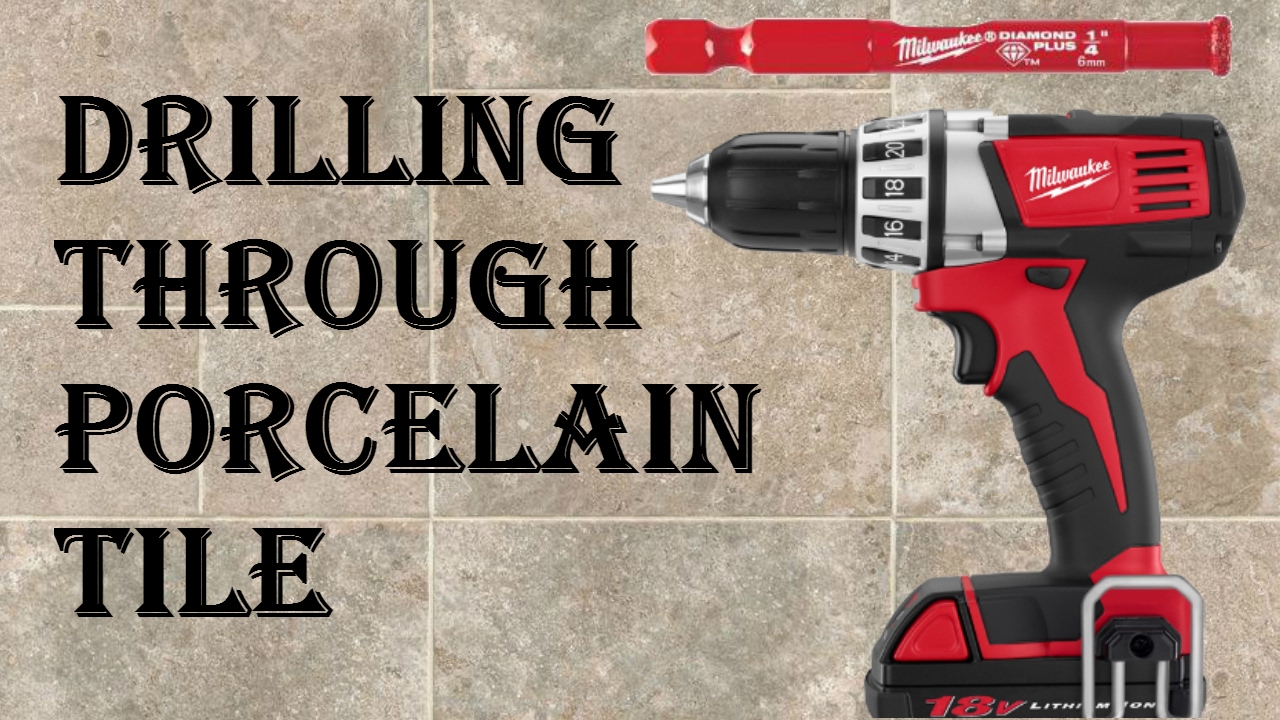
Image Source: i.ytimg.com
Essential Tools for Drilling Porcelain Tile
To successfully drill holes in porcelain tile, you’ll need a few key items. Using the wrong tools is a common reason for tile breakage.
The Right Drill Bits
The choice of drill bit is paramount when it comes to porcelain tile drilling. Standard wood or metal drill bits will simply not cut it and will likely shatter the tile.
Diamond Drill Bits
For porcelain, a diamond drill bit is the gold standard. These bits have a special tip coated with industrial diamond particles, which are the hardest known material. This hardness allows them to grind through the dense ceramic of porcelain. Diamond bits come in various shapes and sizes, including core bits for larger holes and specialized bits for smaller ones.
- Core Bits: These are excellent for creating larger, clean holes. They have a hollow center that removes a plug of material as you drill.
- Spear-Point Bits: These are good for smaller holes, like those needed for screws or anchors. They have a sharp, pointed tip designed to initiate the cut.
Tile Drill Bits
While diamond drill bits are the top choice, specialized tile drill bits designed for ceramic and porcelain can also be effective. These often have a carbide tip with a spear-like design, but they may not be as efficient or long-lasting as diamond bits on very hard porcelain. If you’re drilling many holes or dealing with particularly tough porcelain, investing in diamond bits is highly recommended.
Your Drill
The type of drill you use also plays a role.
Cordless vs. Corded Drills
Both cordless and corded drills can be used, but you’ll want a drill that offers good torque and variable speed control. A powerful drill will make the job easier.
The Role of the Hammer Drill Setting
It’s crucial to avoid the hammer drill setting. The hammering action, combined with the rotational force, is designed for masonry but will almost certainly shatter your porcelain tile. Always ensure your drill is set to the standard drilling or rotation-only mode.
Other Necessary Supplies
- Safety Glasses: Absolutely essential to protect your eyes from flying debris.
- Masking Tape or Painter’s Tape: Helps to prevent the drill bit from wandering when you start drilling and can also offer a small amount of protection.
- Water Source or Lubricant: Water lubrication is critical for keeping the drill bit cool and reducing dust. A spray bottle filled with water or a small cup of water can be used. For larger jobs, a drip system can be rigged.
- Measuring Tape and Pencil/Marker: For accurate placement of your holes.
- Drop Cloth or Plastic Sheeting: To protect your surroundings from water and dust.
- Vacuum Cleaner: For cleanup.
- Drill Press (Optional but Recommended): For perfectly straight holes, especially if you’re drilling multiple holes or very precise ones.
Preparing to Drill Porcelain Tile
Proper preparation can significantly increase your chances of success and prevent common mistakes.
Choosing the Hole Location
Before you even pick up a drill, decide exactly where you want the hole. Measure twice, drill once! Use a pencil or marker to mark the precise spot.
Marking the Spot
Apply a piece of masking tape or painter’s tape over the marked spot. Then, make your mark on the tape. This helps prevent the drill bit from slipping when you begin drilling, especially on smooth, glossy porcelain surfaces.
Setting Up Your Workspace
Lay down drop cloths or plastic sheeting to protect your floors and surrounding areas from water and tile dust. Have your water source readily available. Ensure good ventilation if you’re drilling a significant amount, as even with water, some dust can be generated.
Ensuring a Stable Surface
Make sure the tile you are drilling into is securely fixed and not wobbly. If you are drilling a loose tile, place it on a piece of scrap wood or a sturdy surface that can support the drilling process.
The Drilling Process: Step-by-Step
Now that you have your tools and your workspace prepared, let’s get to the actual drilling. Patience and precision are key here.
Step 1: Secure Your Drill Bit
Ensure your chosen drill bit, preferably a diamond drill bit or a quality tile drill bit, is securely fastened in your drill’s chuck.
Step 2: Start with a Pilot Hole (Optional but Recommended)
For very hard porcelain, starting with a small pilot hole can make it easier to guide the larger bit later. You can use a smaller diamond drill bit to create a shallow indentation.
Step 3: Begin Drilling with Slow Speed
This is one of the most crucial steps. Set your drill to a slow speed. High speeds generate excessive heat, which can quickly dull or destroy your drill bit and crack the tile. A speed setting of around 200-400 RPM is generally recommended.
Step 4: Apply Steady Pressure
Apply steady pressure to the drill, but don’t force it. Let the drill bit do the work. Pressing too hard can cause the bit to bind, leading to breakage.
Step 5: Implement Water Lubrication
This is non-negotiable for porcelain tile drilling. As you drill, continuously apply water to the drilling area. This serves several purposes:
- Cools the Drill Bit: Prevents overheating and premature wear.
- Cools the Tile: Reduces the risk of thermal shock and cracking.
- Lubricates the Cut: Helps the bit glide through the material more smoothly.
- Washes Away Debris: Keeps the cutting area clear for efficient drilling and reduces dust.
You can use a spray bottle to mist the area frequently, or if using a core bit, you can create a small dam of tape around the hole to hold a small pool of water.
Step 6: Drill Through the Tile
Maintain a consistent slow speed and steady pressure, all while keeping the bit lubricated. You will feel the resistance change as the bit breaks through the porcelain.
For Core Bits:
- Start at an angle (around 45 degrees) to allow the diamond edge to create a groove.
- Once the groove is established, gradually bring the drill to a perpendicular (90-degree) angle.
- Continue drilling with wet drilling techniques.
For Spear-Point or Smaller Diamond Bits:
- Start perpendicular to the tile surface.
- Apply gentle, consistent pressure.
- Remember the importance of water lubrication and slow speed.
Step 7: Finishing the Hole
As you near the end of the tile, the drill bit might start to chatter or grab. Ease up on the pressure and keep the water lubrication going. Once the hole is complete, carefully withdraw the drill bit while it’s still spinning slowly.
Step 8: Clean Up
Once you’ve finished drilling, clean the area thoroughly. Wipe away any remaining water and dust. Inspect the drilled hole for any chips or cracks.
Troubleshooting Common Issues
Even with the best preparation, things can sometimes go wrong. Here’s how to address common problems.
Cracking or Chipping
- Cause: Too much pressure, high speed, insufficient lubrication, or drilling without a pilot hole on very hard tiles.
- Solution: If minor chipping occurs, it might be acceptable depending on the application. For significant cracking, the tile may need to be replaced. Always start again with a fresh tile, remembering to use slow speed, steady pressure, and plenty of water lubrication.
Drill Bit Slipping
- Cause: Smooth tile surface, worn-out drill bit, or not using masking tape.
- Solution: Ensure you’ve applied masking tape and made your mark on it. If the bit still slips, try creating a small starter divot with a center punch (use a very light tap to avoid cracking).
Overheating Drill Bit
- Cause: Drilling too fast, not enough water.
- Solution: Immediately stop drilling and let the bit cool down. Increase the frequency of water application.
Alternatives to Drilling: Adhesive Anchors and Specialty Fittings
If you’re hesitant about drilling or want to avoid potential tile damage, consider these alternatives for mounting items:
Adhesive Anchors and Mounts
Many strong adhesive products are designed for bathrooms and kitchens. These can hold towels bars, shelves, and other fixtures without the need for drilling. Ensure the product is rated for wet environments if installing in a bathroom.
Specialty Tile Adhesives
For some applications, specialized tile adhesives or epoxy compounds can be used to bond fixtures directly to the tile surface. This is often suitable for lighter items.
Porcelain Tile Drilling Safety First
Safety should always be your top priority when working with power tools and potentially sharp materials.
- Always wear safety glasses. This cannot be stressed enough. Tiny shards of porcelain can fly off unexpectedly.
- Ensure your work area is clean and free of trip hazards.
- If using a corded drill, be mindful of the cord to avoid accidental damage or creating a tripping hazard.
- Keep children and pets away from the work area.
- Familiarize yourself with your drill’s operation and safety features.
- If you feel uncomfortable or unsure at any point, it’s best to stop and consult a professional.
When to Call a Professional
While drilling porcelain tile can be a DIY project, there are times when calling a professional tile installer or contractor is the best course of action:
- If you have a very expensive or delicate tile.
- If you need to drill many holes or very precise holes.
- If you are installing plumbing or electrical fixtures that require a perfect, clean hole.
- If you lack the confidence or proper tools for the job.
- If you are drilling into a load-bearing wall or critical structural element.
Professionals have specialized equipment, such as tile saws or wet saws with diamond blades, which can create precise cuts and holes with minimal risk. They also have extensive experience with different tile materials and know the best techniques for porcelain tile drilling.
Frequently Asked Questions (FAQ)
Here are answers to some common questions about drilling porcelain tile.
Q1: Can I use a regular drill bit for porcelain tile?
A1: No, a regular drill bit (like those for wood or metal) will not work on porcelain tile. You must use a diamond drill bit or a specialized tile drill bit.
Q2: What is the best speed to drill porcelain tile?
A2: You should drill porcelain tile at a slow speed, typically between 200-400 RPM. High speeds generate too much heat and can crack the tile.
Q3: Is it okay to use the hammer setting on my drill?
A3: Absolutely not. Never use the impact drill or hammer setting on your drill when working with porcelain tile. This will cause it to shatter. Always ensure your drill is set to the standard drilling or rotation-only mode.
Q4: How do I keep the drill bit cool?
A4: Water lubrication is essential. Constantly apply water to the drilling area while you drill to keep both the bit and the tile cool.
Q5: My tile cracked while drilling. What went wrong?
A5: Cracking usually happens due to excessive pressure, drilling too fast, insufficient water lubrication, or not using the correct diamond drill bit. Ensure you follow all the steps carefully, especially regarding speed and lubrication.
Q6: How do I drill a large hole in porcelain tile?
A6: For larger holes, a diamond core bit is the best tool. Follow the same principles of slow speed, steady pressure, and water lubrication. You might need to make a pilot hole first or start at an angle with a core bit.
Q7: Do I need a special drill for porcelain tile?
A7: While a powerful drill with variable speed control is helpful, you don’t necessarily need a “special” drill. Most standard corded or cordless drills can handle porcelain tile drilling if used with the correct drill bit and technique.
Q8: What if I can’t keep the drill bit from wandering?
A8: Applying masking tape to the drilling spot and making your mark on the tape is the best method to prevent wandering. If it continues, a very light tap with a center punch might create a small starting divot.
Q9: Is wet drilling messy?
A9: Yes, wet drilling can be messy. It’s important to protect your work area with drop cloths or plastic sheeting and have a vacuum cleaner ready for cleanup.
Q10: How do I ensure the hole is perfectly straight?
A10: Using a drill press can help ensure a perfectly straight hole, especially for critical installations. If using a handheld drill, try to keep it as perpendicular to the tile as possible and use a guide if available.
By following these detailed steps and utilizing the right tools, you can confidently drill holes in porcelain tile for your home improvement projects. Remember, patience, precision, and safety are your greatest allies.