
Yes, you can drill holes in glass, but it requires specific tools and techniques to avoid breakage. This guide will walk you through everything you need to know for safe and successful glass drilling.
Glass can be tricky to work with, but with the right knowledge and tools, you can drill holes for various projects. Whether you’re a DIY enthusiast or a professional looking to refine your skills, this comprehensive guide will cover the essential steps, safety precautions, and best practices for drilling holes in glass. We’ll explore the different types of glass you might encounter, the specialized equipment needed, and the crucial techniques that ensure a clean, precise result without shattering your workpiece.
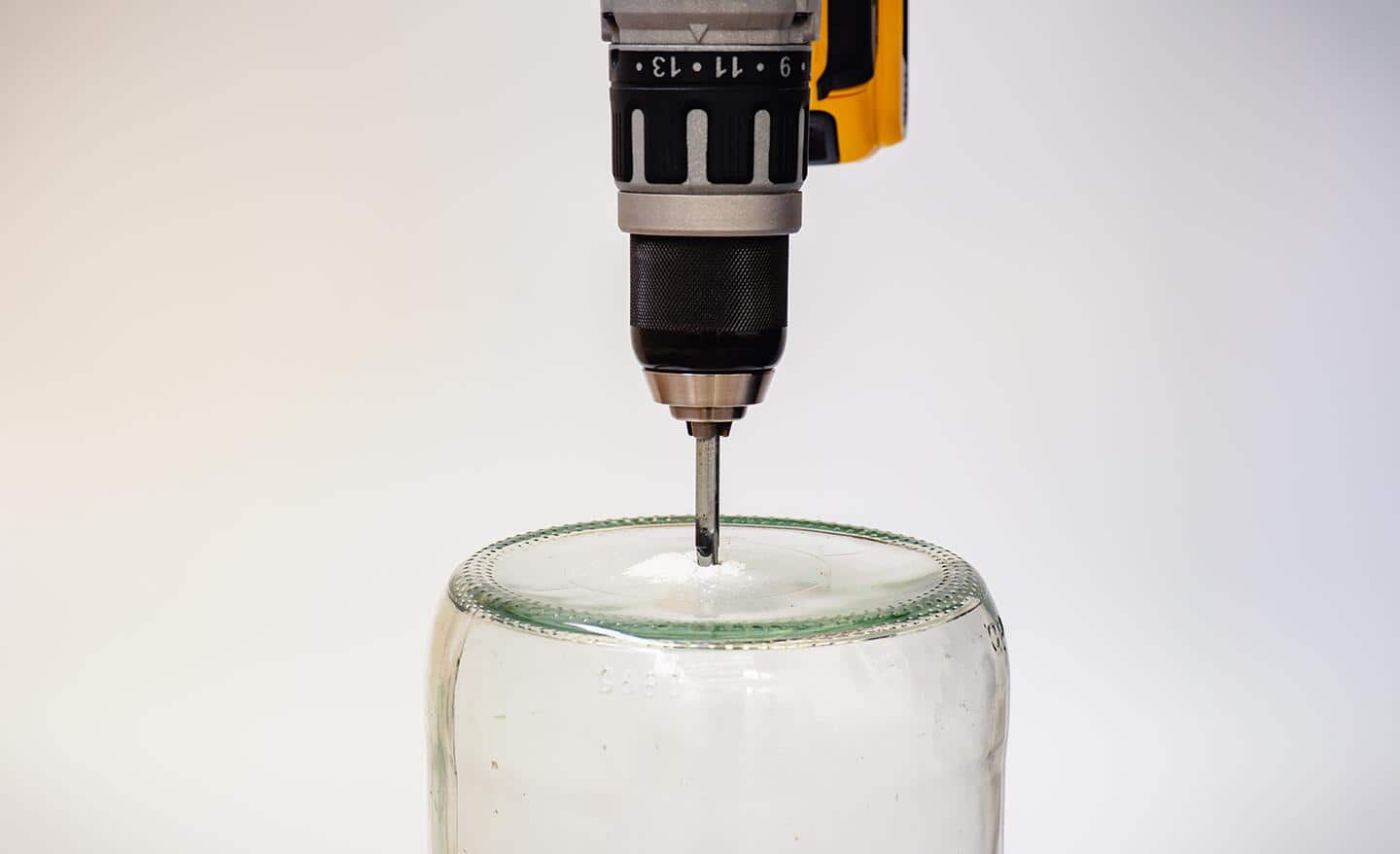
Image Source: dam.thdstatic.com
Why Drill Holes in Glass?
Drilling holes in glass opens up a world of creative possibilities for both functional and decorative purposes. Here are a few common reasons people drill glass:
- Hardware Installation: Attaching fixtures, such as cabinet knobs, handles, or hooks.
- Decorative Projects: Creating unique lighting fixtures, wind chimes, or personalized glassware.
- Aquarium Building: Installing bulkheads or overflows for filtration systems.
- Scientific and Laboratory Use: Customizing glass apparatus.
- Repairs: Replacing broken glass parts with new components that require mounting.
- Art and Craft: Embedding objects, creating jewelry, or building stained glass pieces with drilled components.
Types of Glass Drilling
The method you choose for drilling glass often depends on the type of glass and the desired outcome. Here’s a look at common approaches:
1. Diamond Core Drilling
This is the most common and effective method for drilling precise, clean holes in glass. It uses a specialized diamond drill bit for glass, often in a core or hole saw style.
Key Features:
- Diamond Grit: The edge of the bit is coated with diamond particles, the hardest known material, allowing it to grind through glass.
- Hollow Center: Core bits have a hollow center, which helps to efficiently remove material.
- Requires Lubrication: Crucial for preventing overheating and ensuring a smooth cut.
2. Diamond Hole Saw Drilling
Similar to core drilling, a hole saw for glass is essentially a cylindrical bit with diamond grit along its cutting edge. It’s ideal for creating larger holes.
Key Features:
- Cylindrical Shape: Designed for cutting larger diameter holes.
- Often Center-Guided: Some have a pilot drill bit in the center to help align the hole.
- Wet Drilling is Essential: Generates significant heat, making wet drilling glass absolutely necessary.
3. Rotary Tool Drilling (for Smaller Holes/Delicate Work)
For very small holes or intricate designs on thinner glass, a rotary tool with a diamond-tipped burr or a specialized glass drill bit can be used.
Key Features:
- Precision Control: Offers greater control for detailed work.
- Lower Speeds: Best results are achieved at slower drill speeds.
- Requires Patience: This method can be slower and may require multiple passes.
Essential Tools and Materials for Glass Drilling
To successfully drill glass, you need more than just a standard drill. Here’s a breakdown of the essential equipment:
1. Drill or Rotary Tool
- Corded Drill: Generally preferred for its consistent power and speed control. Look for a variable-speed drill.
- Cordless Drill: Can be used, but ensure it has sufficient power and a good variable-speed trigger.
- Rotary Tool (e.g., Dremel): Suitable for smaller holes and more delicate work, but be prepared for a slower process.
2. The Best Drill Bit for Glass: Diamond Bits
This is non-negotiable. Standard drill bits will not work on glass and will either shatter the glass or be quickly dulled.
Types of Diamond Drill Bits:
- Diamond Core Bits/Hole Saws: These are cylindrical bits with diamond particles embedded on their cutting surface. They are ideal for creating clean, circular holes.
- Sizes: Available in a wide range of diameters, from a few millimeters to several inches.
- Application: Best for general-purpose drilling, including plumbing, electrical, and decorative projects.
- Diamond Tipped Spear Bits: These have a pointed, spear-like tip coated with diamond. They are often used for smaller holes or starting points.
- Application: Good for drilling pilot holes or when precise starting points are needed, but they tend to create a more pointed hole.
- Diamond Grinding Burrs: Used with rotary tools for etching, grinding, or creating very small holes.
3. Lubricant and Cooling System
Wet drilling glass is paramount to prevent overheating, which is the primary cause of glass breakage during drilling.
- Water: The most common and effective lubricant. You’ll need a steady stream or a way to keep the drilling area consistently wet.
- Drilling Fluid/Coolant: Specially formulated fluids can provide superior cooling and lubrication, extending the life of your drill bits.
- Water Reservoir/Drip System: A simple setup to keep the bit and glass cool. This could be a spray bottle, a slow drip from a bottle with a hole in the cap, or a dedicated glass drilling jig with a water reservoir.
4. Drilling Jig or Guide (Optional but Recommended)
A jig helps keep the drill bit centered and prevents it from wandering, especially when starting the hole.
- Commercial Jigs: Available for various hole sizes and often incorporate a water reservoir.
- DIY Jigs: Can be made from wood or plastic with a precisely sized hole drilled in the center. A small dam of putty or clay can also create a localized water bath.
5. Safety Gear – Absolutely Crucial!
Glass drilling safety is paramount. Never compromise on protective equipment.
- Safety Glasses/Goggles: Essential to protect your eyes from glass shards and dust. Full-face shields offer even more protection.
- Gloves: Cut-resistant gloves protect your hands from sharp edges and accidental cuts.
- Dust Mask: If dry drilling (not recommended), a mask is vital to prevent inhaling fine glass particles, which can be harmful.
- Long Sleeves and Pants: Provide an additional layer of protection against glass fragments.
6. Other Useful Items
- Masking Tape or Painter’s Tape: Can be applied to the drilling area to help prevent chipping at the start of the hole.
- Cloth Rags: For cleanup and drying.
- Marker: To mark the drilling location.
- Bucket or Container: To catch excess water and glass debris.
Glass Drilling Techniques: Step-by-Step
Here’s a detailed walkthrough of how to drill a hole in glass safely and effectively.
Step 1: Preparation and Safety First
- Choose Your Workspace: Select a stable, well-lit, and well-ventilated area. A workbench is ideal.
- Secure the Glass: Ensure the glass is completely stable and won’t move during drilling. Place it on a flat, non-slip surface like a rubber mat or a thick towel. If drilling a small piece, consider clamping it gently, but be cautious not to put too much pressure on the glass.
- Gather Your Tools: Have all your necessary equipment, including the drill, diamond bit, lubricant, safety gear, and any jigs, readily accessible.
- Mark Your Spot: Use a marker to precisely indicate where you want the hole.
- Apply Tape (Optional): For a cleaner start and to minimize chipping, apply a few layers of masking tape or painter’s tape over the marked spot.
Step 2: Setting Up for Wet Drilling
Wet drilling glass is non-negotiable. It cools the bit and the glass, preventing stress and cracking.
- Create a Water Reservoir:
- Putty Dam: Form a ring of plumber’s putty or modeling clay around the marked spot. This creates a small pool to hold water.
- Jig Reservoir: If using a drilling jig with a built-in reservoir, fill it with water or coolant.
- Drip System: Set up a slow, consistent drip of water onto the drilling point using a bottle with a small hole in the cap or a specialized drip bottle.
- Ensure Constant Lubrication: The goal is to keep the drilling area, and especially the cutting edge of the diamond bit, submerged in water at all times.
Step 3: The Drilling Process
- Attach the Diamond Bit: Securely fit the chosen diamond drill bit into your drill chuck.
- Start at Low Speed: Set your drill to its lowest speed setting. This is crucial for control and to prevent the bit from jumping.
- Angle the Drill for Starting: Begin by holding the drill at a slight angle (around 45 degrees) to the glass surface. This allows the diamond grit to engage the glass gradually.
- Apply Gentle, Steady Pressure: Let the diamond bit do the work. Forcing the drill will only increase the risk of breakage. Apply just enough downward pressure to keep the bit cutting.
- Gradually Straighten the Drill: Once the bit has started to create a small groove or indentation, slowly begin to straighten the drill until it is perpendicular (90 degrees) to the glass surface.
- Maintain Speed and Pressure: Continue drilling at the low speed, maintaining gentle, consistent pressure.
- Keep it Wet: Constantly monitor and replenish the water supply to ensure the bit and glass remain cool and lubricated. If the water starts to steam or evaporate quickly, you are drilling too fast or applying too much pressure.
- Listen to the Drill: The sound of the drill will change as it cuts through the glass. You’ll feel less resistance once you break through the other side.
- Ease Up as You Break Through: When you feel the bit is about to exit the other side of the glass, reduce the pressure even further. This helps prevent chipping and blowout on the exit side.
- Clear Debris: Periodically lift the drill slightly from the hole while it’s still spinning slowly to allow water to flush out glass dust and slurry.
Step 4: Finishing and Cleanup
- Complete the Hole: Once you’ve successfully drilled through, continue running the drill at a slow speed with water for a few more seconds to clean the hole edges.
- Remove the Bit: Carefully retract the drill bit.
- Clean the Glass: Gently wipe away any remaining tape, putty, and glass slurry with a damp cloth. Be careful of sharp edges.
- Inspect the Hole: Examine the edges of the hole for any chips or rough spots. Minor imperfections can often be smoothed with fine-grit sandpaper (wet sanding) or a specialized glass polishing kit, but be very gentle.
Mastering Glass Drilling Techniques for a Smooth Hole
Achieving a smooth hole in glass requires attention to detail and patience. Here are advanced glass drilling techniques to refine your results:
Using the Right Bit Speed
- Too Fast: Generates excessive heat, leading to thermal shock and cracking. It also wears down the diamond grit faster.
- Too Slow: The bit may not cut effectively, leading to prolonged drilling time and potential overheating from friction.
- Ideal: Start at the lowest speed setting on your drill (typically 300-500 RPM). For larger bits or tougher glass, you might slightly increase speed, but always prioritize control and cooling.
The Importance of Lubrication Consistency
- Intermittent Water: If the water supply stops, heat builds up rapidly, causing stress.
- Constant Flow: A steady supply of water is more effective than a large initial amount. A slow, consistent drip is often better than a large pool that evaporates quickly.
Managing Heat and Pressure
- Feel the Heat: If the glass or the bit feels excessively hot to the touch (even through gloves), stop drilling immediately, remove the bit, and let everything cool down.
- Vary Pressure: While generally light pressure is key, some minor variations might be needed. If the bit seems to be struggling, a very slight increase in downward pressure might help, but always be ready to reduce it.
Preventing Chipping and Cracking
- Backing Support: For thinner glass, drilling over a piece of wood or a thick pad can provide support and help prevent the glass from flexing, which can lead to cracks.
- Exit Strategy: As you approach the exit side, the glass is thinnest. Reducing pressure significantly here is critical. Some prefer to drill halfway through, then flip the glass and finish from the other side to create a perfectly centered hole with minimal chipping. This requires extreme precision to align the bits.
Handling Different Glass Types
- Tempered Glass: This is the most challenging. It’s designed to shatter into small, blunt pieces if broken. Drilling tempered glass will cause it to break completely. Never attempt to drill tempered glass.
- Annealed Glass (Standard Window Glass): The easiest to drill.
- Laminated Glass: Similar to annealed glass, but the plastic interlayer can sometimes melt and gum up the bit. Keep lubrication abundant.
- Frosted or Textured Glass: The texture can make starting the hole more difficult and increase the risk of chipping. Apply tape and start very slowly.
Troubleshooting Common Glass Drilling Issues
Even with careful preparation, you might encounter problems. Here’s how to address them:
| Problem | Cause | Solution |
|---|---|---|
| Glass Cracks/Shards | Overheating, too much pressure, bit wandering, impact | Slow down, increase lubrication, use a jig, apply gentler pressure, check bit alignment. For cracks that appear mid-drilling, stop immediately. |
| Bit Won’t Cut | Dull bit, not enough pressure, too much speed | Use a new diamond bit, increase pressure slightly, reduce speed, ensure sufficient water. |
| Excessive Chipping | Aggressive start, drilling too fast on exit, no support | Start at an angle, use tape, reduce pressure significantly on exit, support the glass. |
| Bit Wanders on Start | Lack of guide, starting too fast | Use a drilling jig or putty dam, start at a 45-degree angle, apply tape. |
| Overheating/Steam | Insufficient lubrication, too much pressure/speed | Increase water flow, reduce pressure, slow down the drill. Stop and cool if necessary. |
| Melted Plastic (Laminated) | Friction from interlayer | Increase water flow and/or use a specialized drilling fluid. |
DIY Glass Drilling Setups
You don’t always need expensive specialized equipment. Here are some DIY glass drilling ideas:
- Simple Water Reservoir: A ring of putty around the drill spot.
- Drip Feed: An old plastic bottle with a small hole punched in the cap, suspended above the drilling area.
- Spray Bottle: Keep a spray bottle filled with water handy to mist the area, though this is less effective than a continuous supply.
- Guide Blocks: Two small blocks of wood taped or clamped to the glass to guide the drill bit straight.
Safety Considerations: A Deeper Dive
- Never Drill Tempered Glass: This cannot be stressed enough. If you’re unsure, try to scratch a corner with a glass cutter; if it scratches easily, it’s likely annealed. If it resists or chips unevenly, it’s likely tempered.
- Eye Protection is Mandatory: Wear safety glasses or goggles at all times. A face shield provides an extra layer of security.
- Hand Protection: Cut-resistant gloves are essential. Glass edges, even from drilling, can be sharp.
- Electrical Safety: Keep the drill and cord away from water. Use a GFCI (Ground Fault Circuit Interrupter) outlet if possible for added protection.
- Glass Disposal: Dispose of broken glass shards responsibly in a sturdy container or wrapped in thick paper/cardboard to prevent injury to sanitation workers.
- Ventilation: While water helps keep dust down, some fine particles may still be generated. Ensure good ventilation.
Conclusion: Patience and Precision for Success
Drilling holes in glass is a rewarding skill that, when done correctly, can elevate your DIY projects. The key ingredients for success are using the best drill bit for glass (a diamond-tipped one, of course), maintaining consistent wet drilling glass lubrication, applying gentle and steady pressure, and always prioritizing glass drilling safety. With practice and adherence to these glass drilling techniques, you’ll be creating precise, clean holes in no time, opening up a whole new realm of possibilities for your glass-related endeavors. Remember, patience is your greatest tool when working with glass.
Frequently Asked Questions (FAQ)
Q: Can I drill glass with a regular drill bit?
A: No. Regular drill bits are made of hardened steel and will not cut glass. They will either dull instantly, cause excessive heat, or shatter the glass. You must use specialized diamond drill bits for glass.
Q: What is the best drill bit for glass?
A: The best drill bit for glass is a diamond-tipped bit. For general-purpose holes, diamond core bits or hole saw for glass attachments are most effective.
Q: How do I prevent glass from cracking when drilling?
A: The most crucial factors are wet drilling glass to keep both the bit and the glass cool, applying gentle and consistent pressure, using a slow drill speed, and ensuring the glass is stable. A drilling jig can also help prevent the bit from wandering.
Q: Can I drill holes in tempered glass?
A: No, you cannot drill holes in tempered glass. Once tempered, glass becomes very hard. Any attempt to drill it will cause the entire piece to shatter into small pieces.
Q: How fast should I drill into glass?
A: You should always start drilling glass at the lowest speed setting on your drill (usually around 300-500 RPM). Maintain a slow, steady speed throughout the process.
Q: How much pressure should I use when drilling glass?
A: Apply very light, consistent downward pressure. Let the diamond grit do the work. Forcing the drill will likely cause the glass to crack.
Q: What kind of lubricant should I use for drilling glass?
A: Water is the most common and effective lubricant. You can also use a specialized glass drilling fluid or coolant for better performance and bit longevity.
Q: Can I drill a hole in a glass bottle?
A: Yes, drilling holes in glass bottles is a popular DIY project. The same principles of wet drilling glass, using diamond bits, and applying gentle pressure apply. Be particularly careful with thinner bottle glass.
Q: How do I make a smooth hole in glass?
A: To drill a smooth hole in glass, use a high-quality diamond bit, maintain constant lubrication, start at a slow speed, and ease pressure as you break through the other side. Finishing by gently smoothing the edges with fine-grit wet sandpaper can also help.
Q: What if my diamond bit is dull?
A: Diamond bits don’t truly get “dull” in the same way steel bits do. However, the diamond grit can become clogged with debris or wear down. You can try “sharpening” it by drilling into a pumice stone or a piece of concrete for a minute. If it still performs poorly, it’s time for a new bit.