
Can you drill holes for cabinet pulls yourself? Absolutely! Drilling holes for cabinet pulls is a common DIY task that, with careful measuring and the right tools, anyone can accomplish for a professional-looking finish. This guide will walk you through the entire process, from selecting your hardware to ensuring your pulls are perfectly aligned.
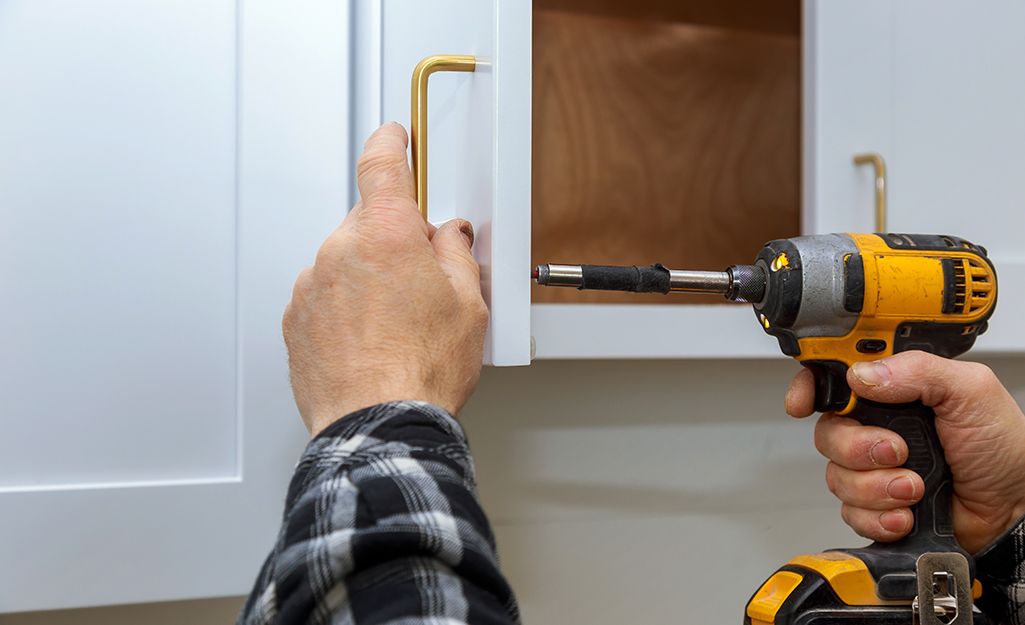
Image Source: contentgrid.homedepot-static.com
Getting Started: What You’ll Need
Before you grab your drill, ensure you have all the necessary supplies. Having everything ready will make your cabinet hardware installation smooth and efficient.
Essential Tools and Materials
- Cabinet Pulls or Knobs: Choose hardware that complements your cabinet style.
- Measuring Tape: A good quality, accurate measuring tape is crucial.
- Pencil: For marking your drilling spots.
- Drill: A cordless drill is ideal for ease of use.
- Drill Bit: The correct drill bit size for pulls is paramount. This is usually specified by the hardware manufacturer, but a common size for cabinet screws is 1/16 inch or 3/32 inch for pilot holes.
- Screwdriver: To attach the pulls once the holes are drilled.
- Template or Jig (Optional but Recommended): A template for cabinet pulls takes the guesswork out of placement and ensures consistency.
- Level: To ensure your pulls are perfectly horizontal or vertical.
- Painter’s Tape: To protect the cabinet surface and provide a better marking surface.
- Safety Glasses: Always protect your eyes when drilling.
- Scrap Wood: To test your drill bit and settings.
Measuring for Cabinet Knobs and Pulls: Precision is Key
Accurate measuring is the cornerstone of perfect door handle placement. Whether you’re working with drawers or cabinet doors, consistent and well-placed hardware makes a significant difference in both appearance and functionality.
Drawer Front Drilling
For drawer fronts, consistency is the most important factor. All your drawer pulls should be at the same height and centered on the drawer face.
- Locate the Center: For drawers, measure the width and divide it by two. This gives you the horizontal center point. Then, measure from the top of the drawer face and decide on your desired vertical placement. Common placement is usually a few inches down from the top edge, but this can vary.
- Mark the Spot: Use your pencil to mark this center point. You can also use a piece of painter’s tape over the marked spot to provide a more visible and slightly protected surface to drill into.
Door Handle Placement
Cabinet doors have more flexibility in placement, but again, consistency is key, especially when you have multiple doors.
- Common Placement: The most popular location for cabinet door handles is centered vertically on the door and horizontally in the rail (the stile) of the cabinet door. If your doors don’t have a distinct rail, you’ll need to decide on a consistent spot.
- Consider Door Size: On larger cabinet doors, you might opt for two pulls for better leverage and a more balanced look. Measure and mark the center point horizontally, and then decide on your vertical placement. A good starting point is often 2-3 inches from the top or bottom edge.
- Using a Level: Once you have your initial mark, use a level to ensure it’s perfectly straight, especially if you’re placing hardware on a vertical edge or across multiple doors.
Using a Template for Cabinet Pulls
A template for cabinet pulls is a game-changer for consistent and accurate drilling. These are often made of plastic or metal and have pre-drilled holes at common spacing measurements.
- How to Use a Template: Align the template with the edge of your cabinet door or drawer front. The template will have guide marks or holes that allow you to perfectly position your hardware and mark the drilling locations. Many adjustable templates are available that can accommodate various pull center-to-center measurements.
Table: Common Pull Spacing Measurements
| Hardware Type | Typical Center-to-Center Measurement | Notes |
|---|---|---|
| Small Knobs | N/A (Single hole) | |
| Small Pulls | 3 inches | Most common for drawers and smaller doors. |
| Medium Pulls | 4 inches | Good for mid-sized drawers and doors. |
| Large Pulls | 6-8 inches or more | Best for larger drawers, pantry doors, or statement pieces. |
Note: Always measure the center-to-center distance of your specific pulls to ensure compatibility with your template or measurements.
The Drilling Process: Step-by-Step
Now that you’ve measured and marked, it’s time to drill. This is where having the right drill bit size for pulls and preparing your surface pays off.
Preparing Your Surface
- Clean the Area: Make sure the cabinet surface is clean and free of dust or debris.
- Apply Painter’s Tape: Place a piece of painter’s tape over your marked drilling spot. This serves a few purposes:
- It provides a better surface for your pencil mark to adhere to, making it clearer.
- It helps prevent the drill bit from “walking” or slipping when you start drilling.
- It can help minimize splintering on the surface as the drill bit exits.
- Re-mark the Spot: With the tape in place, re-mark your drilling spot precisely through the tape.
Drilling the Holes
- Choose the Right Drill Bit: Select a drill bit that matches the diameter of the screws that come with your cabinet hardware. If you’re unsure, it’s often best to use a slightly smaller bit for pilot holes for cabinet hardware. This ensures the screws have something to grip onto and prevents over-drilling. For most standard cabinet hardware screws, a 1/16-inch or 3/32-inch drill bit is appropriate for pilot holes.
- Set Your Drill:
- Speed: Use a medium speed setting on your drill. Too fast can cause heat and splintering; too slow can cause the bit to wander.
- Depth Stop (Optional but Recommended): If your drill has a depth stop, set it to the length of your screw minus a little bit. This prevents you from drilling through the entire door or drawer front. If you don’t have a depth stop, you can wrap a piece of tape around your drill bit at the correct depth.
- Drill the Pilot Hole:
- Angle: Hold the drill perpendicular (straight up and down) to the cabinet surface. This is crucial for aligning cabinet pulls correctly.
- Drilling: Apply steady, even pressure. Let the drill bit do the work. Don’t force it.
- Exiting: If you’re not using a depth stop, stop drilling when the tape you applied to the bit reaches the surface. If you drilled all the way through, don’t worry; the pull will cover a small perforation.
Drill Bit Size for Pulls: A Closer Look
The drill bit size for pulls is critical for a secure mount and easy screw insertion.
- Pilot Holes: For the screws that come with your hardware, you’ll typically want a pilot hole that is slightly smaller than the screw’s shank (the smooth part). This creates a channel for the screw threads to bite into.
- Clearance Holes: In some cases, especially with larger or heavier pulls, or if your screws are particularly thick, you might need a clearance hole that is the same size as the screw’s threads. This allows the screw to pass through more easily. Always check the manufacturer’s recommendations.
- Testing: It’s always a good idea to test your drill bit size on a piece of scrap wood that is similar in thickness to your cabinet doors or drawers. Screw in one of your hardware screws to see if it fits snugly.
Mounting Cabinet Hardware
Once you have your pilot holes drilled, mounting cabinet hardware is the final step.
- Align the Pull: Place your cabinet pull or knob over the drilled hole(s).
- Insert the Screw: Insert the screw from the inside of the cabinet door or drawer front.
- Tighten: Use your screwdriver to thread the screw into the pull. Tighten it until the pull is snug against the cabinet. Be careful not to overtighten, as this can strip the hole or damage the cabinet.
Advanced Techniques and Tips for Perfect Placement
Achieving perfect door handle placement often involves a few extra steps and considerations.
Aligning Cabinet Pulls
Aligning cabinet pulls is essential for a professional and aesthetically pleasing look.
- Horizontal Alignment: When installing pulls on drawers or on the horizontal rails of cabinet doors, use a level to ensure the pull is perfectly straight. You can also use a template with horizontal guides.
- Vertical Alignment: For pulls placed vertically, ensure they are centered on the stile or at your predetermined vertical position on the door face. Again, a level can help verify this.
- Consistent Spacing: If you have multiple doors or drawers in a row, use your measuring tape and template to ensure the spacing between each pull is identical.
What is the best way to drill cabinet holes?
The best way to drill cabinet holes involves meticulous measuring, using a template or jig for consistency, preparing the surface with painter’s tape, and using the correct drill bit size with a steady hand. Drilling pilot holes for cabinet hardware is also a key step in ensuring a clean finish and secure mounting.
Pilot Holes for Cabinet Hardware: Why They Matter
Drilling pilot holes for cabinet hardware is a critical step for several reasons:
- Prevents Splitting: Especially in softer woods or near the edges of cabinet doors and drawers, drilling a pilot hole prevents the wood from splitting when the screw is inserted.
- Guides the Screw: The pilot hole guides the screw, ensuring it goes in straight and true.
- Easier Installation: It makes screwing in the hardware much easier, reducing the chance of damaging the screw head or the hardware itself.
- Secure Fit: A correctly sized pilot hole creates a snug fit for the screw threads, ensuring your hardware is securely mounted.
Drawer Front Drilling: Advanced Considerations
- Drawer Slides: Be mindful of the location of drawer slides. You don’t want to drill into the mechanism. Measure carefully to ensure you are in the clear.
- Drawer Face Overlays: If your drawer fronts have an overlay (meaning they sit on top of the cabinet frame), measure from the edge of the drawer front itself, not the underlying cabinet frame.
Door Handle Placement: Further Refinements
- Edge Drilling: When drilling near the edge of a door or drawer, be extra cautious. The painter’s tape is especially helpful here. Consider using a slightly shallower pilot hole if you’re concerned about breaking through.
- Two-Hole Pulls: For pulls with two mounting holes, ensure both holes are drilled at the correct spacing and are perfectly aligned horizontally. A template is highly recommended for this.
Troubleshooting Common Issues
Even with careful planning, sometimes issues can arise. Here’s how to handle them.
What if I drill the hole too big?
If you accidentally drill the hole too large, you have a few options:
- Toothpicks and Wood Glue: Carefully insert a few wooden toothpicks coated in wood glue into the oversized hole. Let it dry completely, then trim any excess flush with the surface. You can then re-drill a pilot hole.
- Wood Filler: For minor oversizing, wood filler can be used. Apply it to the hole, let it dry, sand it smooth, and then re-drill.
- Larger Hardware: If the hole is significantly too large, you might need to opt for hardware with a larger base plate or screws that have a wider thread.
What if the hole is not aligned?
If your hole is slightly off, and you haven’t installed the pull yet:
- Drill a Second Hole: For two-hole pulls, if one hole is slightly off, you might be able to drill a second hole that is correctly positioned and use the pull to cover both if the spacing allows. This is a risky fix and often doesn’t look perfect.
- Larger Pulls: Consider using a pull with a larger backplate that can cover any minor misalignments.
What if the screw doesn’t go in straight?
- Back it out: If the screw starts going in crooked, back it out completely and try again, ensuring your drill is held perpendicular to the surface.
- Pilot Hole: If the screw is consistently going in crooked, the pilot hole might be the issue. You may need to slightly enlarge it or re-drill it, ensuring it’s perfectly straight.
Frequently Asked Questions (FAQ)
Q: What is the best drill bit size for cabinet pulls?
A: For pilot holes for cabinet hardware, a 1/16 inch or 3/32 inch drill bit is commonly used for standard cabinet screws. Always check the hardware manufacturer’s recommendations, as this can vary.
Q: How far down should cabinet pulls be placed on drawers?
A: There’s no single rule, but a common practice is to center the pull horizontally on the drawer face and place it a few inches down from the top edge (e.g., 2-3 inches). Consistency across all drawers is key.
Q: Can I drill cabinet holes without a template?
A: Yes, you can drill cabinet holes without a template, but it requires very careful measuring with a tape measure and a level to ensure accuracy and consistency, especially when mounting cabinet hardware on multiple pieces.
Q: What is the purpose of pilot holes for cabinet hardware?
A: Pilot holes prevent wood from splitting, guide the screw straight, make installation easier, and ensure a snug fit for secure mounting.
Q: How do I ensure my cabinet pulls are aligned?
A: Use a level to check for straightness. For multiple pieces, measure consistently from edges and use a template for perfect alignment of cabinet pulls.
Q: What if my drawer front is very thin?
A: If your drawer front is thin, be extra careful when drilling. Use a drill bit that creates a snug pilot hole and avoid overtightening the screws. Consider using a backing plate if your hardware allows.
By following these detailed steps and tips, you can confidently drill holes for cabinet pulls and achieve a professional, polished look for your kitchen or bathroom cabinetry. Happy DIYing!