
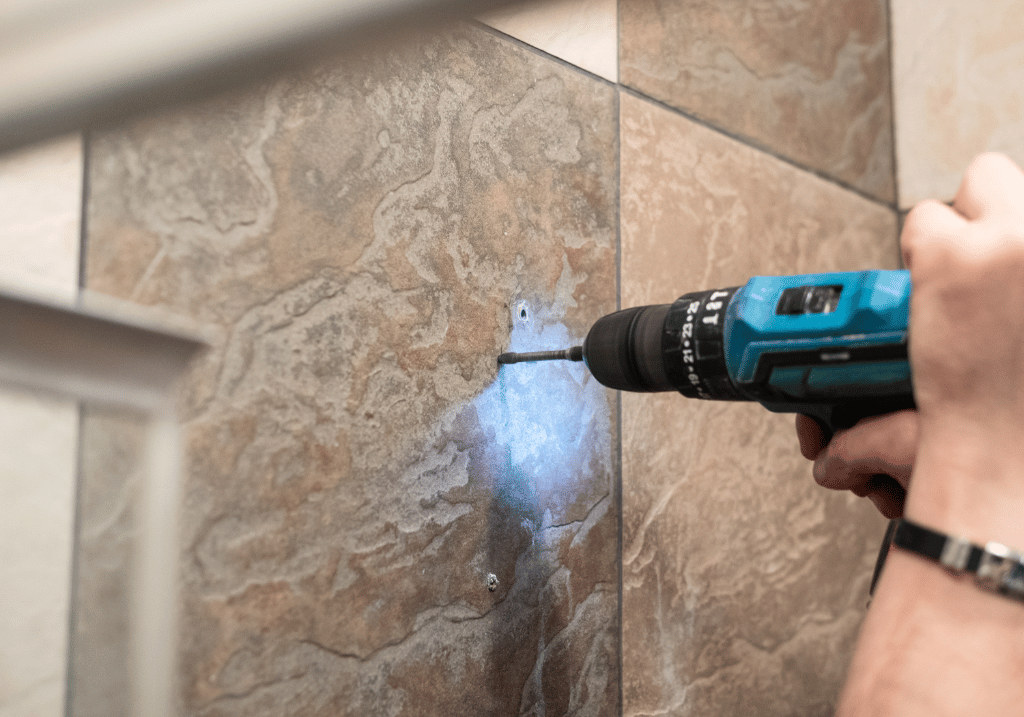
Image Source: ceramiccity.ie
How To Drill Hole In Tile: Step-by-Step
Yes, you can drill holes in tile, and with the right tools and techniques, it’s a manageable DIY task. This comprehensive tile drilling guide will walk you through every step, from choosing the correct drill bit for tile to finishing the job cleanly. Whether you’re working with ceramic tile drilling, porcelain tile drilling, glass tile drilling, or even concrete tile drilling, this guide will equip you with the knowledge needed for successful tile drilling.
Why Drill Holes in Tile?
Drilling holes in tile is often necessary for various home improvement projects. Common reasons include:
- Mounting fixtures: Installing towel bars, toilet paper holders, soap dishes, shelves, or cabinet hardware.
- Running pipes or wires: Creating openings for plumbing connections, electrical conduits, or speaker wires.
- Decorative purposes: Adding mosaic elements or creating unique designs.
- Ventilation: Installing vents in tiled walls or floors.
Choosing the Right Drill Bit for Tile
The most critical aspect of successful tile drilling is selecting the appropriate drill bit for tile. Standard wood or metal drill bits will not cut through hard tile and will likely shatter it. Here’s a breakdown of the best options:
Diamond Drill Bits
Diamond drill bits are the gold standard for drilling through hard materials like porcelain and glass. These bits have a hollow tip coated with industrial-grade diamond particles.
- How they work: The diamonds grind away the tile material rather than cutting it like a traditional bit.
- Best for: Porcelain tile, very hard ceramic tiles, natural stone tiles, and glass tiles.
- Considerations:
- Often require wet drilling tile to keep the bit cool and prevent damage.
- Typically sold as a set or individually for specific sizes.
- A diamond drill bit for tile is an investment but offers the best results for tough materials.
Carbide-Tipped Drill Bits
Carbide-tipped drill bits are a good option for softer ceramic tiles. They have a sharp, pointed carbide tip that drills into the tile.
- How they work: The carbide tip scores and chips away at the tile material.
- Best for: Ceramic tiles, some softer natural stone tiles.
- Considerations:
- Less effective on porcelain or glass.
- Can overheat if used too aggressively.
- May require slower speeds and less pressure than standard bits.
Tile and Glass Bits (Spear-Point Bits)
These are a type of carbide-tipped bit with a spear-shaped point. They are specifically designed for tile and glass.
- How they work: The sharp point helps to score the surface, and the carbide flutes help remove material.
- Best for: Ceramic tiles, glass tiles.
- Considerations:
- Can work well for smaller holes, like for screws.
- Still not ideal for very hard porcelain or dense natural stone.
Tile Hole Saws
A tile hole saw is a circular cutting tool that creates larger holes. It has a pilot drill bit in the center to guide the cut and a circular cutting edge with diamond or carbide teeth.
- How they work: The pilot bit stabilizes the saw, and the circular edge grinds through the tile.
- Best for: Creating larger openings for pipes, vents, or fixtures. Can be used on ceramic and some porcelain tiles. Diamond-coated hole saws are best for porcelain.
- Considerations:
- Requires a more powerful drill.
- Can be more challenging to control for precise placement.
- Often benefit greatly from wet drilling tile to manage dust and heat.
Essential Tools and Materials
Beyond the correct drill bit, you’ll need a few other items for successful tile drilling:
- Power Drill: A variable-speed drill is highly recommended. Cordless drills are convenient, but a corded drill often provides more consistent power for tougher materials.
- Safety Glasses: Absolutely essential to protect your eyes from flying tile shards.
- Work Gloves: To protect your hands.
- Mask: For dust protection, especially when drilling dry.
- Water or Lubricant: Water is crucial for wet drilling tile. Some specialized drilling lubricants are also available.
- Spray Bottle: For controlled water application if not using a continuous water source.
- Painter’s Tape or Masking Tape: To create a stable surface and prevent the drill bit from wandering.
- Measuring Tape and Pencil: For accurate marking of hole placement.
- Drill Guide or Jigsaw Guide (Optional): Can help maintain the drill’s angle.
- Sponge or Rags: For managing water and slurry during wet drilling tile.
- Vacuum Cleaner: To clean up dust and debris.
Preparing for Tile Drilling
Proper preparation is key to preventing cracked tiles and achieving clean holes.
1. Mark the Hole Location
- Use a measuring tape and pencil to mark the precise center of your desired hole.
- Tip: For the most accurate placement, measure from existing grout lines or tile edges.
2. Apply Painter’s Tape
- Apply a few layers of painter’s tape over the marked spot.
- This serves a dual purpose: it provides a more stable surface for the drill bit to grip, preventing it from “walking” or sliding, and it helps to catch some of the dust.
- Mark the center of your hole directly on the tape.
3. Setting the Drill Speed
- Low speed is crucial for tile drilling. High speeds generate excessive heat, which can chip or shatter the tile and quickly wear out your drill bit.
- Start with the lowest speed setting on your drill and gradually increase it if needed, but always err on the side of caution.
Step-by-Step Tile Drilling Process
Let’s dive into the actual drilling:
Step 1: Start Slow and Steady
- Hold the drill perpendicular to the tile surface.
- Begin drilling at a very slow speed.
- Apply gentle, consistent pressure. Avoid forcing the drill bit.
Step 2: Create a Starting Point (Crucial for Ceramic and Glass)
- For ceramic tile drilling and glass tile drilling, it’s beneficial to create a small indentation or guide notch at your marked spot.
- You can do this by gently tapping the tip of a carbide-tipped bit or a metal scribe directly on your mark before you start drilling with your main tile bit. This gives the drill bit a place to settle and prevents it from wandering.
- Alternatively, for diamond bits, you can start by “sawing” the bit back and forth at a shallow angle to create a small groove before straightening it up.
Step 3: Introduce Water (Wet Drilling)
- Wet drilling tile is highly recommended, especially for porcelain and glass. Water cools the drill bit and the tile, reducing friction and heat buildup. It also suppresses dust.
- Methods for wet drilling:
- Spray Bottle: Periodically spray water onto the drilling area as you work. You’ll see a slurry form.
- Water Dam: Create a small dam around the drilling area using plumber’s putty or modeling clay. Fill this dam with water.
- Continuous Water Flow: For larger or multiple holes, a small stream of water from a hose or a specialized water feed system can be used.
- If you cannot wet drill: Be extra diligent about stopping frequently to let the bit and tile cool. Use very light pressure.
Step 4: Drill Through the Tile
- As you drill, maintain a steady, low speed and consistent pressure.
- Allow the drill bit to do the work. Don’t push too hard.
- Periodically lift the drill bit slightly to clear dust and debris from the hole and to allow water to reach the cutting surface. This is especially important when wet drilling tile.
- If using a tile hole saw, ensure the pilot bit stays centered.
Step 5: Approaching the Back of the Tile
- As you get close to breaking through the back of the tile, reduce pressure even further.
- The goal here is to prevent chipping on the backside of the tile.
- If you are drilling through tile already installed on a wall or floor, you may encounter the substrate behind the tile.
Step 6: Finishing the Hole
- Once you’ve broken through, you can slowly increase speed slightly to smooth out the edges of the hole if needed.
- Be careful not to enlarge the hole more than intended.
Step 7: Clean Up
- Turn off your drill and carefully remove the drill bit.
- Clean up any water, slurry, and dust. A vacuum cleaner is excellent for this.
- You can use a damp sponge or cloth to wipe down the area.
- Inspect the hole for any rough edges. You can often smooth these with a piece of sandpaper or a fine-grit grinding stone if necessary.
Drilling Through Different Tile Types
The material of your tile significantly impacts the drilling process.
Ceramic Tile Drilling
Ceramic tiles are generally softer and easier to drill than porcelain.
- Best Bits: Carbide-tipped bits, spear-point bits, or diamond bits for added safety.
- Technique: Start with low speed. Painter’s tape is highly recommended. Wet drilling isn’t always strictly necessary but is good practice to reduce dust and extend bit life.
Porcelain Tile Drilling
Porcelain is much denser and harder than ceramic. It requires more patience and the right tools.
- Best Bits: Diamond drill bits or diamond-coated hole saws are essential for reliable porcelain tile drilling. Carbide bits will dull quickly and struggle.
- Technique: Wet drilling tile is almost mandatory for porcelain. Use low speed and steady, light pressure. A drill guide can be very helpful for maintaining a straight angle.
Glass Tile Drilling
Glass tiles are brittle and prone to chipping and cracking.
- Best Bits: Diamond drill bits or diamond-coated hole saws. Spear-point bits can work for very small holes.
- Technique:
- Wet drilling tile is crucial to prevent overheating and cracking.
- Use very low speeds and extremely light pressure.
- A water dam is often the most effective way to keep the area wet.
- Start by creating a small groove with the diamond bit before drilling perpendicularly.
Concrete Tile Drilling
While less common for standard floor or wall tiles, concrete tiles or pavers might be encountered.
- Best Bits: Diamond drill bits or diamond-tipped masonry bits.
- Technique: Similar to drilling into concrete. Use low speed, steady pressure, and plenty of water to keep the bit cool and clear debris. A hammer drill function might be used on very dense concrete tiles, but start without it and only engage if the diamond bit struggles significantly, and be prepared for potential chipping.
Drilling Large Holes (Using a Tile Hole Saw)
Creating larger holes requires a different approach, typically using a tile hole saw.
Preparing for Hole Saw Use
- Mark your hole location precisely.
- Apply painter’s tape.
- Ensure your drill has sufficient power and a low-speed setting.
- Have your water source ready for wet drilling tile.
The Process
- Pilot Hole: The center of the hole saw has a pilot drill bit. Use this to create a starting point. Start at a slow speed to allow the pilot bit to grip and penetrate slightly.
- Engage Hole Saw: Once the pilot bit has a small starting point, slowly bring the edge of the hole saw into contact with the tile.
- Low Speed, Steady Pressure: Continue drilling at a slow, steady speed. Apply even pressure.
- Wet Drilling: This is vital for hole saws to manage heat and dust. Keep the cutting area wet.
- Clear Debris: Periodically lift the hole saw slightly to allow water and debris to flush out.
- Gentle Breakthrough: As you approach the back of the tile, ease up on the pressure to avoid chipping.
- Clean Up: Remove the hole saw and clean the area.
Table: Choosing the Right Drill Bit
| Tile Type | Recommended Drill Bit | Key Technique Considerations |
|---|---|---|
| Ceramic Tile | Carbide-tipped, Spear-point, Diamond | Low speed, light pressure, painter’s tape. Wet drilling optional but beneficial. |
| Porcelain Tile | Diamond drill bit, Diamond-coated hole saw | Low speed, steady pressure, wet drilling tile is essential. Drill guide recommended. |
| Glass Tile | Diamond drill bit, Diamond-coated hole saw | Very low speed, extremely light pressure, wet drilling tile is crucial. Water dam for consistent moisture. |
| Natural Stone Tile | Diamond drill bit (consider bit hardness for stone type) | Similar to porcelain. Wet drilling tile to keep cool and manage dust. Test on a scrap piece first. |
| Concrete Tile | Diamond drill bit, Diamond masonry bit | Low speed, steady pressure, ample water. Avoid hammer drill unless necessary and proceed with caution. |
| Large Holes | Diamond-coated hole saw | Use pilot bit to start, then engage hole saw at low speed with steady pressure. Wet drilling tile is critical. |
Common Problems and Solutions
- Drill Bit Wandering:
- Cause: Starting on a smooth surface.
- Solution: Use painter’s tape. Create a small notch or groove with a scribe or by angling the bit initially. Use a drill guide.
- Tile Chipping or Cracking:
- Cause: Too much speed, too much pressure, wrong drill bit, drilling too fast through the back.
- Solution: Reduce speed, use lighter pressure, ensure you have the correct diamond drill bit for tile or appropriate bit for the material. Drill slowly through the final layer.
- Overheating Drill Bit:
- Cause: High speed, insufficient cooling.
- Solution: Slow down your drill. Use water for cooling (wet drilling tile). Take breaks to let the bit cool down.
- Excessive Dust:
- Cause: Dry drilling.
- Solution: Wet drilling tile is the best solution. Use a spray bottle, water dam, or continuous water flow. Wear a mask.
Frequently Asked Questions (FAQ)
- Can I use a regular drill bit for tile?
No, regular drill bits designed for wood or metal are too hard and will either not penetrate the tile or will shatter it. You need a specialized drill bit for tile, such as a diamond drill bit for tile or a carbide-tipped bit. - Do I need a special drill for tile?
You don’t need a specialized “tile drill,” but you do need a good quality power drill, preferably with variable speed settings. A drill with at least 500-700 RPM capability and a low-speed setting is ideal. - What is the best way to drill a hole in porcelain tile?
The best way is to use a diamond drill bit for tile or a diamond-coated hole saw. Wet drilling tile is essential for porcelain to manage heat and prevent breakage. Start at a very low speed with light, consistent pressure. - How do I avoid breaking the tile when drilling?
The keys are using the correct drill bit, starting at a low speed, applying steady and light pressure, and using water to keep the bit and tile cool. Painter’s tape also helps prevent the bit from slipping. - How big of a hole can I drill in tile?
This depends on your drill bit. Standard drill bits for tile typically go up to 1/2 inch or 1 inch. For larger holes, you’ll need a tile hole saw, which can create holes several inches in diameter. - Do I need to drill from both sides?
Usually, you do not need to drill from both sides. The key is to reduce pressure significantly as you approach the backside of the tile to prevent chipping. For very thin glass tiles, some prefer to start from the back if possible, but this is rarely necessary with proper technique. - What is the purpose of wet drilling tile?
Wet drilling tile serves to cool the drill bit and the tile, reducing friction and preventing overheating, which can lead to cracks or shattering. It also helps to suppress dust and lubricate the cutting process, making drilling smoother and extending the life of your drill bit.
By following these detailed steps and tips, you can confidently tackle tile drilling for any of your home improvement projects. Remember to prioritize safety, use the right tools, and work with patience.