
Can you drill a shallow well yourself? Yes, in many cases, you can drill a shallow well yourself with the right tools and knowledge. This guide will walk you through the process of drilling a shallow well, often referred to as a “drive point” or “sand point” well, which is a common method for accessing groundwater for domestic water source needs. We will cover everything from understanding well drilling depth and shallow well construction to manual well drilling techniques and simple well sinking.
Drilling your own shallow well can be a rewarding and cost-effective way to secure your own reliable water supply, especially if you’re looking for groundwater access without the expense of a professional driller for deeper wells. This process taps into the upper layers of the earth to reach the water table.
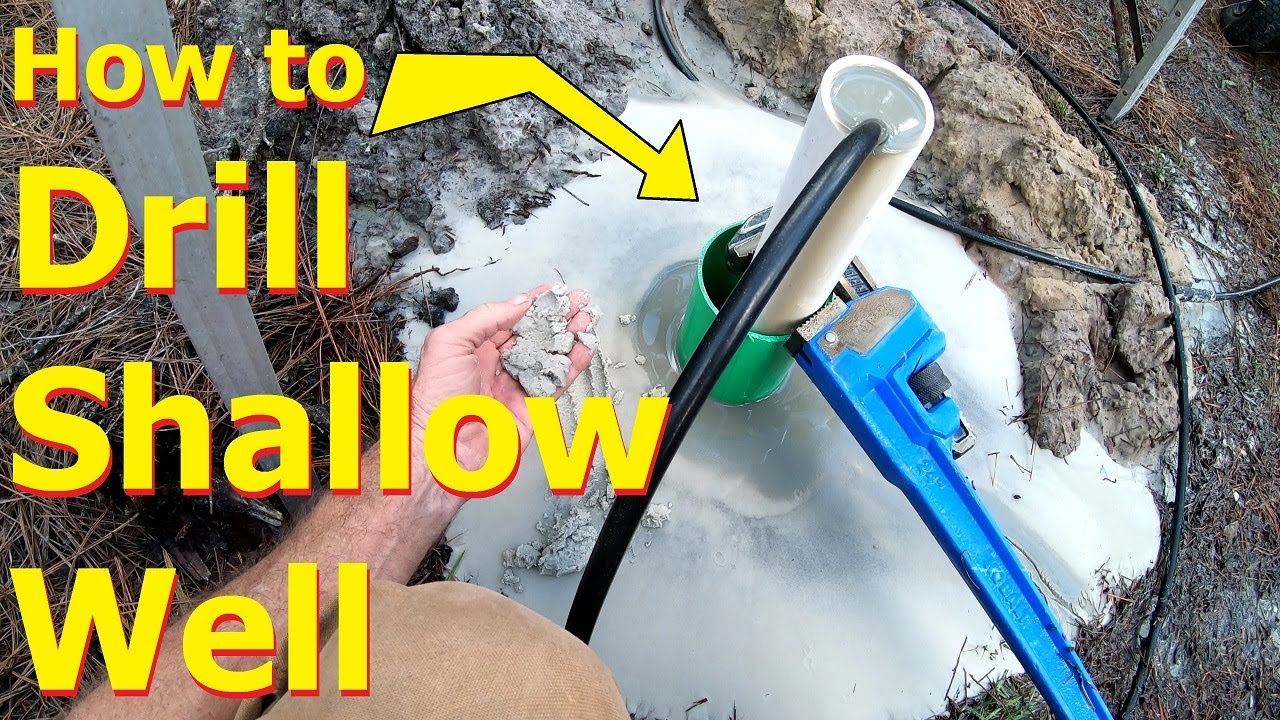
Image Source: i.ytimg.com
Fathoming Shallow Well Drilling Basics
Before you grab a shovel and start digging, it’s crucial to grasp the basics of shallow well drilling. These wells are typically drilled to depths of 15 to 50 feet, though this can vary significantly based on your local geology and the depth of the water table.
What is a shallow well? A shallow well is a water well that draws water from an aquifer that is close to the surface. Unlike deep wells that might require specialized drilling rigs, shallow wells are often accessible through simpler, manual methods.
Key considerations for shallow wells:
- Water Table Depth: The most critical factor is the depth of the water table in your area. You need to drill below this level to ensure a consistent water supply. Researching local groundwater conditions is essential.
- Soil and Geology: The type of soil and rock you’ll be drilling through will dictate the best drilling method and the type of equipment you’ll need. Sandy or loamy soils are generally easier to drill through than hard clay or rock.
- Water Quality: Shallow wells are more susceptible to surface contamination. Proper siting and filtration are important to ensure safe drinking water.
- Well Casing: A casing is installed to prevent the well from collapsing and to keep contaminants out.
The Process of Simple Well Sinking
Simple well sinking, particularly the drive point method, involves driving a screened pipe into the ground until it reaches the water table. This is a popular DIY well drilling approach.
Steps involved in simple well sinking:
-
Site Selection: Choose a location that is:
- Close to your water usage point (house, garden).
- Away from potential contamination sources like septic tanks, drain fields, animal pens, or garbage dumps. Local regulations usually specify minimum distances.
- On relatively level ground for easier work.
- Accessible for moving materials and future maintenance.
-
Gathering Your Tools and Materials: For manual well drilling, you’ll need:
- Drive Point (Sand Point): This is a perforated, screened metal point that is driven into the ground. It acts as the intake for the well.
- Well Casing Pipe: Usually 1.25 to 2-inch diameter PVC or galvanized steel pipe. This forms the main body of the well. You’ll need enough pipe to reach from the surface to well below the water table.
- Drive Cap: A heavy-duty cap that fits onto the top of the casing pipe, allowing it to be struck with a heavy hammer.
- Drive Hammer (Sledgehammer): A heavy hammer (e.g., 8-10 lbs) for driving the pipe.
- Pipe Wrench or Couplings: To connect sections of pipe as you add them.
- T-Handle or Pipe Wrenches: To help with turning and maneuvering the pipe.
- Well Sealant: Bentonite clay or similar material to seal the annular space around the casing at the surface, preventing surface water from entering.
- Shovel and Post Hole Digger: For initial digging to the water table or for clearing spoil.
- Water Source: For flushing the well.
- Safety Gear: Gloves, safety glasses, sturdy footwear.
-
Starting the Drive:
- Begin by digging a small hole with a shovel or post hole digger to the approximate depth of the water table, if known. This helps to get the pipe started in softer soil.
- Attach the drive point to the first section of well casing. Ensure it’s securely screwed on.
- Place the drive cap on top of the casing.
-
Driving the Casing:
- Hold the casing as vertical as possible.
- Strike the drive cap firmly and squarely with the drive hammer.
- After each few strikes, check the casing’s verticality and adjust as needed.
- As you drive, the casing will penetrate the ground.
- When the top of the casing is a few inches from the ground surface, stop driving.
-
Adding More Pipe Sections:
- Remove the drive cap.
- Screw on the next section of well casing pipe. Use pipe dope or Teflon tape on the threads for a good seal.
- Replace the drive cap on the new section.
- Continue driving, adding pipe sections as needed until you are confident you have reached a significant depth below the water table. The goal is to have the screened portion of the drive point submerged in water.
-
Evaluating Well Depth and Water Acquisition:
- As you drive, pay attention to how easily the pipe is penetrating the ground. A sudden increase in resistance might indicate a change in soil type or hitting a rock layer.
- Well drilling depth for a shallow well is typically determined by reaching the water table and then driving an additional 5-10 feet into the saturated zone to ensure good water intake.
- Once you’ve reached your desired depth, remove the drive cap and attempt to draw water. You can do this by attaching a temporary pump or by using a bailer. If you get water, you’ve likely found the water table.
Shallow Well Construction Techniques
Shallow well construction focuses on creating a durable and contaminant-resistant structure that efficiently accesses groundwater.
Components of a shallow well:
- Well Screen: This is the crucial part of the drive point that allows water to enter the well while keeping sand and sediment out. They are typically made of stainless steel or plastic mesh.
- Well Casing: The pipe that extends from the bottom of the well to the surface. It protects the water from contamination and provides a conduit for the pump.
- Surface Seal: A layer of impermeable material, like bentonite clay or cement grout, packed around the well casing at the surface. This prevents surface water and pollutants from seeping down the outside of the casing.
- Well Head: The uppermost part of the well, where the pump is attached or where the water is drawn from.
Alternative Manual Drilling Methods:
While the drive point method is the most common for DIY shallow wells, other manual techniques exist:
- Auger Method: This uses a large auger, similar to a post-hole digger but often much larger and designed for deeper penetration, to bore a hole. Once the hole is bored, a casing is installed, and then a screened pipe is lowered to the bottom. This method is better suited for soils that are not too sandy and can be more challenging in loose soils where the hole might collapse.
- Jetted Wells: This method uses a high-pressure water jet to bore a hole. A smaller diameter pipe is often used to jet the hole, and then the casing is driven or jetted in behind it. This method requires a pump capable of producing high pressure and is less common for DIY projects due to equipment complexity.
Well Pump Installation Shallow
Once your shallow well is drilled and the casing is in place, the next step is well pump installation shallow. The type of pump you choose will depend on the well’s depth and your water pressure needs.
Common pump types for shallow wells:
- Jet Pumps: These are the most common for shallow wells (typically up to 25 feet). They work by using a jet assembly located either in the pump itself (shallow-well jet pump) or down in the well (deep-well jet pump, though these are for depths beyond what’s typical for a shallow well). The pump creates suction and pushes water up.
- Submersible Pumps: While primarily used for deeper wells, smaller submersible pumps can sometimes be used in shallower wells if the casing diameter allows. They are placed directly in the water.
Steps for shallow well pump installation:
- Pump Selection: Choose a pump with a flow rate and pressure suitable for your needs. Consider the well’s yield (how much water it produces).
- Priming the Pump: Jet pumps often need to be primed, meaning the pump housing and suction line need to be filled with water before operation.
- Connecting the Suction Line: Connect a pipe from the well casing (or a drop pipe in the well) to the pump’s inlet. Ensure all connections are airtight.
- Connecting the Discharge Line: Connect a pipe from the pump’s outlet to your household plumbing or irrigation system.
- Electrical Connections: Wire the pump according to the manufacturer’s instructions and local electrical codes. This usually involves connecting it to a power source with appropriate safety measures like a circuit breaker.
- Pressure Tank and Controls: Install a pressure tank to store water and a pressure switch to control the pump’s operation. The pressure switch turns the pump on when water pressure drops and off when it reaches a set level.
Water Well Extraction Techniques
Water well extraction refers to the methods used to bring water from the well to the surface. For shallow wells, this is primarily managed by the pump system.
Key aspects of well water extraction:
- Pump Efficiency: The efficiency of your pump directly impacts the cost of water extraction. Choosing an appropriately sized and energy-efficient pump is important.
- Well Yield: The rate at which the well can produce water is a critical factor. If you extract water faster than the well can replenish, you may run the pump dry, which can damage it.
- Water Quality: Periodically test your well water for contaminants to ensure it’s safe for consumption.
Troubleshooting Common Issues in DIY Well Drilling
Even with careful planning, you might encounter problems during your DIY well drilling project.
Common issues and solutions:
- Difficulty Driving the Casing:
- Cause: Hard soil, clay, or rock layers.
- Solution: Try adding water to the casing to help lubricate and soften the soil. A heavier drive hammer might be needed. If you hit solid rock, you may need to stop or consider a different drilling method if possible.
- Casing Collapsing:
- Cause: Sandy or unstable soil that isn’t being properly supported.
- Solution: Drive the casing as continuously as possible. If it collapses, you may need to try again, perhaps with a slightly larger diameter casing or a different drilling technique.
- Low Water Yield:
- Cause: Insufficient depth into the water table, clogged well screen, or low aquifer yield.
- Solution: Drive the well deeper if possible. Clean the well screen (if accessible). If the aquifer itself has a low yield, you may need to consider a different water source or a storage system.
- Water Contamination:
- Cause: Improper surface sealing, proximity to pollution sources, or poor well screen integrity.
- Solution: Ensure the annular space around the casing is properly sealed at the surface. Review your site selection to ensure it’s away from potential contaminants. If contamination is suspected, further investigation and potential remediation are needed.
Ensuring Safety During Manual Well Drilling
Safety should always be your top priority when undertaking any DIY project, including manual well drilling.
Essential safety practices:
- Wear Protective Gear: Always wear safety glasses to protect your eyes from flying debris, heavy-duty gloves to protect your hands, and steel-toed boots.
- Work with a Partner: Never attempt to drill a well alone. Having a partner provides an extra set of hands for stability, assistance, and immediate help in case of an accident.
- Awareness of Surroundings: Be mindful of overhead power lines or underground utilities before you begin.
- Proper Tool Handling: Handle heavy tools like sledgehammers with care. Ensure a stable stance and controlled swings.
- Secure Materials: Make sure all pipe sections are securely connected before driving.
Table: Comparative Analysis of Shallow Well Drilling Methods
| Feature | Drive Point Method | Auger Method | Jetted Method |
|---|---|---|---|
| Simplicity | High | Medium | Low |
| Tools Needed | Drive point, casing, hammer, wrenches | Auger, casing, hammer, wrenches | High-pressure pump, jetting pipe, casing |
| Soil Suitability | Sandy, gravelly, loamy soils | Clay, loam, some sand (less for sand) | Sandy soils, loose formations |
| Effort | Moderate to high physical exertion | High physical exertion | Moderate physical exertion (pump operation) |
| Cost | Low to moderate | Moderate | Moderate to high |
| Speed | Can be slow in hard soils | Moderate | Can be fast in suitable soils |
| Contamination Risk | Moderate (requires good sealing) | Moderate (requires good sealing) | Moderate (requires good sealing) |
| Typical Depth | 15-50 ft | 15-50 ft | 15-50 ft |
Regulatory Considerations for Well Drilling
Before you begin drilling, it’s vital to check local and state regulations regarding well construction and water rights. Many jurisdictions have specific rules about:
- Permits: You may need a permit to drill a new well.
- Well Location: Setback requirements from property lines, buildings, and potential contamination sources.
- Well Construction Standards: Requirements for casing material, screen type, and sealing procedures.
- Water Rights: Regulations governing how much water you can draw from the aquifer.
Failing to comply with these regulations can result in fines or the requirement to decommission your well.
Frequently Asked Questions (FAQ)
Q1: How deep do I need to drill for a shallow well?
A1: You need to drill until you reach the water table and then an additional 5-10 feet into the saturated zone to ensure good water intake. The exact depth varies greatly by location.
Q2: Can I use a regular garden hose to pump water from my shallow well?
A2: No, a garden hose is not designed for water well extraction. You will need a properly installed well pump system, typically a jet pump for shallow wells, connected to your household plumbing.
Q3: What is the main difference between a shallow well and a deep well?
A3: The primary difference is the depth at which they access groundwater. Shallow wells tap into the uppermost aquifer, while deep wells penetrate multiple layers to reach deeper, often more protected aquifers. This difference dictates the drilling methods and equipment used.
Q4: How do I know if my well water is safe to drink?
A4: You should have your well water tested regularly (at least annually) by a certified laboratory. They can check for bacteria, nitrates, heavy metals, and other potential contaminants.
Q5: What if I hit rock while drilling my shallow well?
A5: If you hit a hard, impenetrable rock layer before reaching the water table, your chosen method might not be suitable. You may need to relocate the well site, or if the water table is suspected to be just below the rock, you might need specialized drilling equipment to penetrate it, which is typically beyond the scope of DIY shallow well drilling. For shallow wells, if you hit rock early, it often means this location isn’t suitable for your chosen method.