
Can you drill a hole in rock? Yes, with the right tools and techniques, drilling a hole in rock is achievable for various projects, from home improvement to serious construction. This guide will walk you through the process, ensuring you have the knowledge to tackle rock drilling safely and effectively.
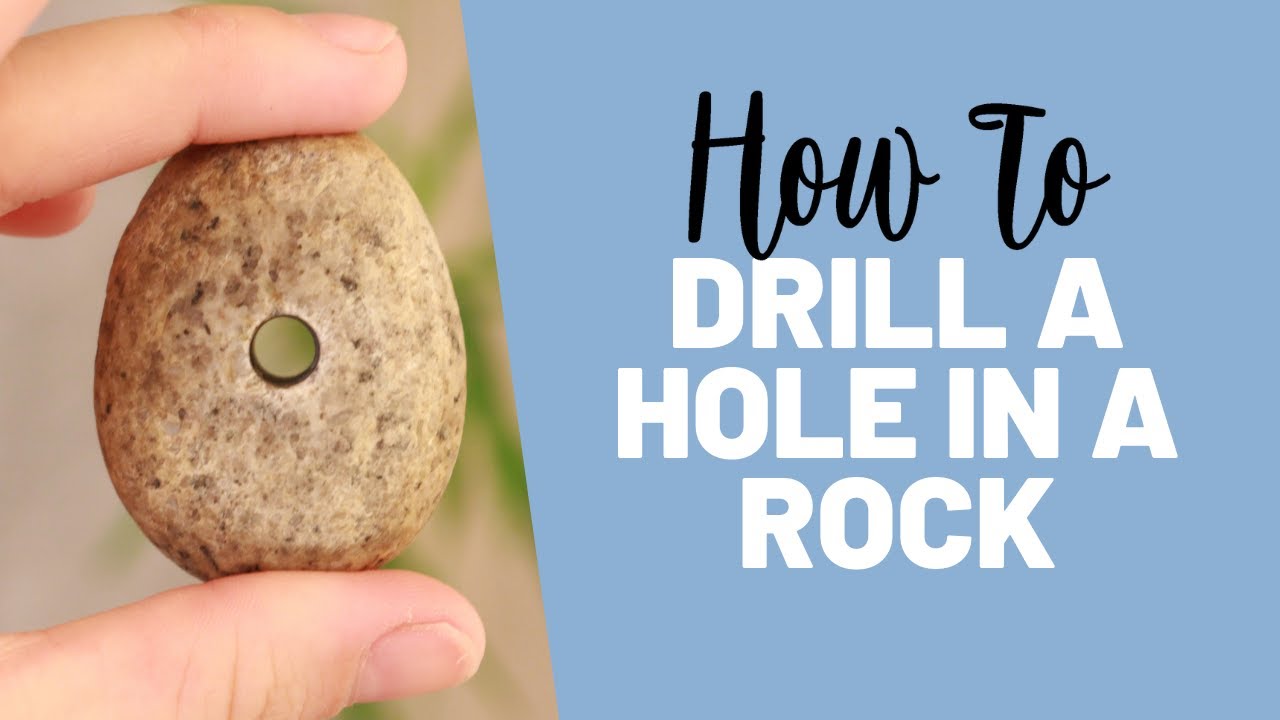
Image Source: i.ytimg.com
Preparing for Your Rock Drilling Project
Before you even pick up a drill, careful preparation is crucial. This ensures safety, efficiency, and the best possible results.
Assessing the Rock Type and Hardness
Not all rocks are created equal. Their composition and hardness will dictate the tools and methods you’ll need.
Common Rock Types and Their Drillability:
- Sedimentary Rocks (Sandstone, Limestone): Generally softer and easier to drill. A good masonry bit or even a strong hammer drill can often suffice.
- Metamorphic Rocks (Marble, Slate): Vary in hardness. Marble can be drilled with masonry bits, but slate might require more robust tools.
- Igneous Rocks (Granite, Basalt): Typically very hard and dense. These require specialized, high-quality drill bits and powerful drilling equipment.
Determining Hardness:
You can often get a sense of rock hardness by trying to scratch it with a steel file or even a fingernail. However, for accurate assessment, consulting geological surveys or testing small samples might be necessary for critical projects.
Safety First: Essential Precautions
Drilling into rock can be dangerous. Always prioritize safety to prevent accidents and injuries.
Personal Protective Equipment (PPE):
- Safety Glasses/Goggles: Essential to protect your eyes from flying debris and dust.
- Hearing Protection: Drills can be very loud, especially when drilling hard rock. Earplugs or earmuffs are a must.
- Gloves: Heavy-duty work gloves protect your hands from abrasion and vibration.
- Dust Mask/Respirator: Rock dust, especially from certain types of rock, can be harmful to your lungs. A P100 respirator is recommended for silica-containing rocks.
- Sturdy Footwear: Protects your feet from dropped tools or debris.
Workspace Safety:
- Clear the Area: Remove any flammable materials or tripping hazards around your drilling site.
- Ventilation: If drilling indoors or in an enclosed space, ensure adequate ventilation to disperse dust.
- Electrical Safety: If using corded electric drills, ensure the cord is not damaged and avoid wet conditions. Use a GFCI (Ground Fault Circuit Interrupter) outlet.
- Tool Stability: Ensure your drill and any accessories are stable and secure before operating.
Gathering the Right Tools and Equipment
Having the correct tools is paramount to successful rock drilling. The type of drill and drill bits you choose will depend heavily on the rock and the hole’s purpose.
Power Source Considerations:
- Electric Drills: Common for DIY projects and lighter-duty work. Offer consistent power.
- Cordless Drills: Offer portability and convenience but may have less sustained power than corded models for tough jobs.
- Pneumatic Drills: Used in industrial settings, powered by compressed air, offering high power and durability.
Selecting Your Drill:
- Hammer Drill: Essential for drilling into harder materials like concrete and many types of rock. The hammering action helps break up the material. A good hammer drill rock capability is key.
- Rotary Hammer Drill: More powerful than a standard hammer drill, it combines rotation with a pneumatic hammering action. Ideal for drilling larger holes or tougher rocks. A rotary hammer drill rock application often requires specific bits designed for this tool.
- Diamond Core Drill: Used for creating clean, precise, circular holes, often for passing pipes or for sample collection. Diamond core drill rock applications are common in plumbing, electrical, and geological surveying. These drills use a hollow, cylindrical bit with diamond particles.
- Portable Rock Drill: For heavy-duty applications like mining or quarrying, specialized portable rock drills are used. These are typically pneumatic or hydraulic and designed for significant power and depth.
Choosing the Best Drill Bits for Rock
The drill bit is your primary cutting tool. The wrong bit will make the job impossible or damage your drill.
Types of Drill Bits for Rock:
- Masonry Drill Bit for Rock: These bits have carbide tips, designed to penetrate hard materials like concrete, brick, and softer rocks. They are a good starting point for many rock drilling tasks.
- Concrete Drill Bit for Rock: Similar to masonry bits, these are specifically engineered for hard construction materials and can handle many rock types.
- Carbide-Tipped Bits: Standard for masonry and concrete, they offer good durability against abrasion.
- Diamond-Tipped Bits: Superior for drilling extremely hard materials. They cut through rock with less effort and wear.
- Carbide-Tipped Percussion Bits: Designed for hammer drills and rotary hammer drills, these have a robust carbide tip and flutes to clear debris efficiently.
- Diamond Core Bits: As mentioned, these are for creating core samples or clean circular openings. They are typically used with water to cool the bit and flush away debris.
Factors to Consider When Selecting Bits:
- Rock Hardness: Match the bit material to the rock’s hardness.
- Hole Diameter and Depth: Different bits are designed for different sizes. Core bits are for specific diameters.
- Drill Type: Ensure the bit shank is compatible with your drill’s chuck.
- Intended Use: Drilling anchor holes in rock requires specific bit lengths and diameters for secure anchoring. Shallow hole drilling in rock might use smaller, simpler bits.
Rock Drilling Techniques: A Step-by-Step Approach
Once you have your tools and safety gear ready, it’s time to get to work. Different techniques are employed depending on the drill and the task.
Technique 1: Using a Hammer Drill or Rotary Hammer Drill
This is the most common method for DIY and construction tasks involving rock.
Setting Up Your Drill:
- Insert the Bit: Ensure the drill bit is securely locked into the chuck.
- Set the Mode: For hammer drills, select the hammering (hammer icon) or hammer-and-rotation mode. For rotary hammers, ensure the correct chisel or hammer function is engaged if needed, along with rotation.
- Adjust Speed: Start with a lower speed to penetrate the surface and then increase as needed.
The Drilling Process:
- Mark Your Spot: Use a marker or chalk to clearly indicate where you want to drill.
- Start Slow and Steady: Position the drill bit perpendicular to the rock surface. Apply light pressure and start the drill at a low speed. This helps create a pilot indentation, preventing the bit from wandering.
- Increase Pressure and Speed: Once the bit has a slight grip, increase pressure gradually and speed up.
- Maintain Perpendicularity: Keep the drill as straight as possible throughout the process.
- Clear Debris: Periodically withdraw the drill bit from the hole while it’s still spinning. This clears out dust and chips, which can overheat the bit and slow down drilling.
- Cooling (Optional but Recommended): For prolonged drilling or very hard rock, a burst of water can help cool the bit. Be cautious with water and electrical tools.
- Drilling Anchor Holes in Rock: For drilling anchor holes in rock, ensure you drill to the precise depth required for the anchor. Clean the hole thoroughly with compressed air or a brush before inserting the anchor.
Best Drill Bits for Rock with Hammer/Rotary Drills:
- Carbide-tipped masonry or concrete bits are good for softer rocks.
- For harder rocks, look for robust carbide-tipped percussion bits specifically designed for hammer drilling.
Technique 2: Using a Diamond Core Drill
This method is used for precision work and creating clean, larger-diameter holes.
Setting Up Your Diamond Core Drill:
- Mount the Drill: Core drills are often mounted on a stand for stability, especially for larger diameter holes or continuous operation.
- Attach the Core Bit: Securely attach the diamond core bit to the drill spindle.
- Water Supply: Connect a water source to the drill or core bit. This is crucial for cooling and lubrication.
The Drilling Process:
- Mark and Position: Accurately mark the drilling location and position the drill precisely.
- Start at Low Speed: Begin drilling at a slow speed with a gentle pressure.
- Introduce Water: As soon as the bit begins to cut, turn on the water supply. The water will flush out debris and keep the diamond segments cool.
- Apply Steady Pressure: Apply consistent, steady pressure. Let the diamond bit do the work. Avoid forcing it.
- Maintain Water Flow: Ensure a continuous flow of water throughout the drilling process.
- Core Extraction: Once the hole is drilled through, carefully withdraw the core bit. The rock core will typically be inside the bit.
Best Drill Bits for Rock with Diamond Core Drills:
- Diamond core bits are the only option. They come in various sizes and diamond concentrations for different rock types.
Technique 3: Shallow Hole Drilling in Rock
For shallow hole drilling in rock, such as preparing surfaces for mounting small fixtures or for decorative purposes, the approach is similar to general rock drilling but with less intensity.
Key Considerations for Shallow Holes:
- Depth Control: Use a depth stop on your drill if available, or mark the required depth on the drill bit with tape.
- Bit Choice: A good quality masonry drill bit for rock or concrete drill bit for rock is usually sufficient for shallow holes in common rock types.
- Gentle Approach: Begin with light pressure and gradually increase it. Avoid over-drilling, which can enlarge the hole unnecessarily.
- Cleaning: Even for shallow holes, clearing dust regularly ensures a cleaner result and prevents bit overheating.
Troubleshooting Common Rock Drilling Issues
Even with the best preparation, you might encounter problems. Here’s how to address them.
Bit Stalling or Not Penetrating
- Cause: Rock too hard for the bit, dull bit, insufficient drill power, or incorrect drilling technique.
- Solution:
- Try a harder bit (e.g., switch to a diamond-tipped bit if using carbide).
- Ensure your drill is set to hammer mode.
- Check if your drill has enough power for the task.
- Apply more consistent pressure.
- Periodically withdraw the bit to clear debris.
Overheating Bit
- Cause: Excessive friction, not clearing debris, or lack of cooling.
- Solution:
- Withdraw the bit frequently to allow it to cool.
- Use water for cooling, especially with diamond core drills.
- Ensure your drill bit is sharp and appropriate for the rock type.
- Reduce drilling pressure slightly.
Hole Wandering (Not Straight)
- Cause: Starting too fast, not holding the drill steady, or uneven rock surface.
- Solution:
- Start drilling at a slow speed to create a starter point.
- Ensure you are holding the drill perpendicular to the surface.
- Use a guide or jig if precision is critical.
- Ensure the drill bit is sharp and centered.
Dust Buildup
- Cause: Inadequate debris clearing.
- Solution:
- Regularly withdraw the drill bit while spinning to clear the hole.
- Use a shop vacuum to collect dust as you drill.
- For core drilling, ensure the water system is functioning correctly.
Maintaining Your Drill Bits and Equipment
Proper maintenance extends the life of your tools and ensures they perform optimally.
Drill Bit Care:
- Cleaning: After each use, clean drill bits thoroughly to remove rock dust and debris.
- Inspection: Check for wear, chipping, or damage to the carbide or diamond tips.
- Sharpening (Limited): Carbide and diamond bits are difficult to sharpen at home. If the tips are significantly worn or damaged, it’s usually best to replace the bit.
- Storage: Store bits in a clean, dry place, ideally in a bit case to protect the tips.
Drill Maintenance:
- Cleaning: Wipe down the drill housing and chuck after each use, especially if dust has accumulated.
- Lubrication: Refer to your drill’s manual for any lubrication requirements.
- Brush Check: For brushed drills, periodically check the condition of the carbon brushes and replace them if worn.
- Battery Care (Cordless): Store batteries in a cool, dry place and avoid fully discharging them repeatedly.
Project Ideas Involving Rock Drilling
Drilling holes in rock is useful for a variety of projects:
Home Improvement:
- Mounting Shelves or Fixtures: Drilling into stone walls or concrete foundations to attach shelves, brackets, or other hardware.
- Installing Fencing or Posts: Creating holes for fence posts in rocky soil or for securing garden structures.
- Plumbing and Electrical: Running pipes or wires through rock formations or concrete structures.
Landscaping:
- Creating Ponds or Water Features: Drilling holes for water flow or for securing decorative elements.
- Rock Gardens: Preparing rock features for planting or for stability.
Construction and Renovation:
- Foundation Work: Drilling for rebar, anchors, or drainage.
- Demolition: Precisely breaking through rock sections.
- Core Sampling: Collecting samples for material testing.
Frequently Asked Questions (FAQ)
Q1: Can I drill a hole in granite with a standard masonry drill bit?
A1: While a very powerful hammer drill might make a small dent, it’s highly unlikely a standard masonry drill bit will effectively drill through granite. Granite is extremely hard and requires specialized diamond-tipped bits and a powerful rotary hammer.
Q2: How deep can I drill a hole in rock?
A2: The depth depends on the drill’s power, the bit length, and the rock type. For shallow hole drilling in rock, a few inches is common. Heavy-duty drills and specialized bits can achieve much greater depths, often seen in industrial or mining applications.
Q3: What is the best drill bit for rock?
A3: The “best” drill bit depends on the rock type and the drilling task. For general-purpose rock drilling, carbide-tipped masonry or concrete bits are good. For harder rocks, diamond-tipped or specialized carbide percussion bits are superior. For clean circular holes, diamond core bits are the best.
Q4: Do I need to use water when drilling rock?
A4: It is highly recommended, especially when drilling hard rocks or using diamond core drills. Water acts as a coolant, preventing the drill bit from overheating and extending its lifespan. It also helps to flush away debris, making the drilling process more efficient.
Q5: How do I prevent my drill bit from breaking when drilling rock?
A5: Ensure you are using the correct type of bit for the rock hardness, keep the bit cool with water if necessary, clear debris regularly, and avoid applying excessive force. If the bit feels like it’s binding, ease up on the pressure and try to clear the hole.
Q6: What’s the difference between a hammer drill and a rotary hammer drill for rock?
A6: A hammer drill uses a mechanical cam action to create impacts, suitable for light to moderate rock drilling. A rotary hammer drill uses a pneumatic piston to generate much more powerful hammer blows, making it ideal for drilling larger holes or harder rocks. Both are effective for rock drilling, but the rotary hammer offers significantly more power.
By following these guidelines and choosing the right tools, you can successfully drill holes in rock for a wide range of projects. Always remember to prioritize safety and work with the appropriate equipment.