
Can I drill a bowling ball myself for more hook? Yes, you can drill a bowling ball yourself, and with the right knowledge and precision, you can achieve maximum hook. What is bowling ball drilling for hook? It’s the art and science of creating the perfect grip and balance in your bowling ball to influence its reaction on the lane, specifically aiming for a stronger, more consistent hooking motion. This involves careful consideration of finger hole placement, thumbhole drilling, span, and drilling patterns, all of which impact how the ball rolls and interacts with the oil and friction on the lane.
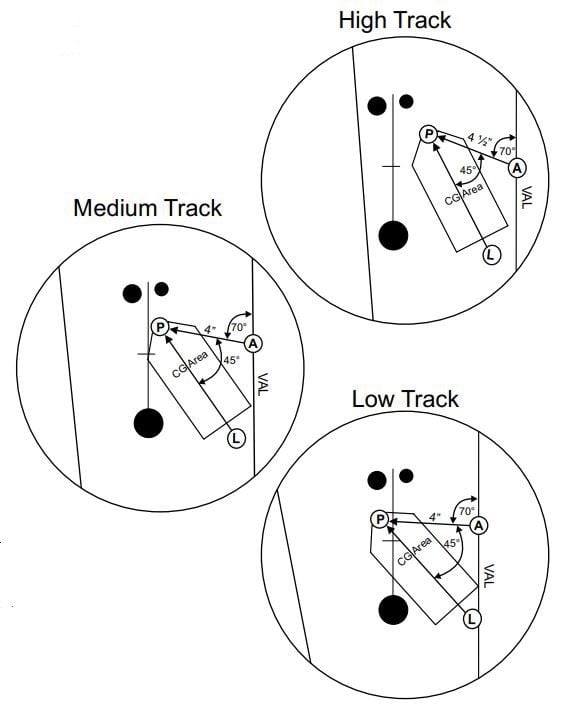
Image Source: www.bowlersmart.com
The Foundation of a Powerful Hook: Understanding Ball Drilling
Getting a bowling ball to hook more isn’t just about having a reactive ball; it’s deeply rooted in how the ball is drilled. Bowling ball drilling for hook is a meticulous process that transforms a raw sphere into a precision instrument tailored to your hand and your game. This process dictates how the ball rolls, spins, and ultimately, how it reacts to the lane’s surface. Getting this right means more strikes and a more consistent game.
Why Drilling Matters for Hook
The way a bowling ball is drilled directly influences its differential and intermediate differential, key factors in hook. The placement of the holes shifts the ball’s weight block drilling or core drilling relative to the coverstock.
- Center of Gravity (CG): The location of the CG is crucial. Moving it closer to the pins or further away can alter the ball’s initial roll and how it transitions into its hook phase.
- Mass Bias (MB): This is often referred to as the “flavor” of the ball. The drilling process can create or enhance a mass bias, which is a secondary balance point that encourages the ball to flare and rev up.
- Axis of Rotation: The angles at which the holes are drilled affect the axis of rotation. A more aggressive axis of rotation can lead to a stronger backend hook.
Key Elements of Drilling for Hook
To achieve maximum hook, several components of the drilling process must be considered:
- Finger Hole Placement Bowling Ball: Where your fingers sit dictates how you grip and release the ball.
- Thumbhole Drilling Bowling Ball: A properly fitted thumbhole is essential for a clean, consistent release.
- Span Drilling Bowling Ball: The distance between your thumb and finger holes affects your hand’s leverage.
- Drilling Patterns Bowling Ball: Various patterns exist, each designed to produce different ball reactions.
- Drilling Angle Bowling Ball: The angle at which the holes are drilled into the ball is critical for manipulating the core.
- Weight Block Drilling Bowling Ball: This refers to how the weight block itself is utilized or modified through drilling.
Achieving the Perfect Grip: Fingertip vs. Conventional Drilling
When we talk about maximizing hook, fingertip drilling bowling ball is almost always the preferred method.
Fingertip Drilling
Fingertip drilling means the finger holes are drilled to the first knuckle or slightly beyond. This allows the bowler to get their fingers under the ball more, imparting more revolutions and a stronger lift.
Benefits of Fingertip Drilling for Hook:
- Increased Rev Rate: A deeper grip allows for more finger lift, directly increasing the number of revolutions on the ball.
- Better Control: While it might seem counterintuitive, fingertip drilling, when done correctly, offers greater control over the release.
- Improved Leverage: Your fingers are positioned to apply more leverage to the ball, encouraging a stronger, more angular reaction.
Conventional Drilling
Conventional drilling involves drilling the holes only to the second joint of the fingers. This is often seen as a more comfortable grip for beginners but offers less potential for creating significant hook.
Why Fingertip is Superior for Hook:
For bowlers seeking maximum hook, fingertip drilling is non-negotiable. The ability to get your fingers “under” the ball and create lift is paramount. A conventional grip limits this potential, leading to a weaker, more rounded ball reaction.
The Anatomy of the Grip: Thumbhole and Finger Hole Placement
The most critical aspects of achieving a good grip for hook are the thumbhole drilling bowling ball and the finger hole placement bowling ball.
The Thumbhole: The Key to a Clean Release
A well-drilled thumbhole is the foundation of a consistent and powerful release. It needs to be snug enough to provide control but loose enough to release cleanly without “sticking.”
Key Considerations for Thumbhole Drilling:
- Pitch: This refers to the angle at which the thumbhole is drilled relative to the track of the ball. Forward, backward, or reverse pitch all affect how the thumb exits the ball. A slight reverse pitch can help with a cleaner thumb release and can contribute to more axis tilt, which influences hook.
- Depth: The depth of the thumbhole influences how much of the thumb enters the ball. Generally, it’s drilled deep enough for comfort and a good grip, but not so deep that it impedes a clean release.
- Fit: The hole must be smooth and free of any rough edges. Sandpaper or inserts are often used to fine-tune the fit.
Finger Hole Placement: The Engine of Spin
The placement and drill angle of the finger holes are where the magic for hook really happens.
Finger Hole Placement Bowling Ball Factors:
- Span: The distance between the center of your thumb and the center of your middle and ring finger holes. A proper span drilling bowling ball is crucial for comfort and leverage.
- Too Long Span: Can lead to difficulty releasing the ball cleanly and a weaker wrist position.
- Too Short Span: Can cause the ball to stick to your hand, leading to a muscled release and inconsistent hook.
- Pitch (Fingers): Similar to the thumb, finger hole pitch influences how the fingers exit the ball. Side pitches (left for the right hand, right for the left hand) are particularly important for creating lift.
- Depths: The depth of the finger holes affects how much of your finger engages with the ball.
- Positional Drilling: This is where the most significant impact on hook is made.
Unlocking Hook Potential: Drilling Patterns and Angles
The drilling patterns bowling ball and the drilling angle bowling ball are the strategic tools used to manipulate the ball’s core and create a desired reaction.
Understanding Drilling Patterns
A drilling pattern is essentially the blueprint for where the holes are drilled relative to the ball’s core and its intended axis of rotation. Different patterns create different weight block drilling effects.
Common Drilling Patterns for Hook:
- The Pin-Up: The “pin” is the visual marker for the CG. With the pin positioned above the fingers, it typically creates a smoother, more arc-like hook.
- The Pin-Down: When the pin is below the fingers, the ball tends to react more aggressively on the backend, with a sharper, more angular hook.
- The Pin-In-The-Middle: Placing the pin directly between the fingers often results in a more controllable, medium hook.
- The Pin-On-The-Axis: Drilling directly through the pin and the intended axis of rotation minimizes the ball’s flare potential and hook. This is generally not desired for maximum hook.
The Power of Drilling Angles
The angle at which a hole is drilled is often referred to as “pitch” or “track flare.” Manipulating these angles is key to influencing how the ball flares and reacts.
Key Angles for Hook:
- Pin to PAP Distance: The distance between the pin (CG) and your Positive Axis Point (PAP – the point on the ball’s surface where the axis of rotation intersects). A shorter Pin to PAP distance generally results in earlier, smoother hook. A longer distance leads to a later, more angular hook.
- Val Angle (Vertical Angle): This is the angle of the thumb hole relative to the pin. Different val angles affect the ball’s flare potential.
- Hole Span Angle: The angle formed by the line connecting the center of the thumb hole to the center of the finger holes.
- Track Flare: This is the amount of the ball’s surface that comes off the lane during its rotation. More track flare usually means a stronger reaction. Drilling angles are designed to maximize track flare in a controlled manner.
Table 1: Common Drilling Angles and Their Hook Potential
| Angle Type | Description | Impact on Hook |
|---|---|---|
| Val Angle | Angle of thumb hole relative to the pin. | Affects initial flare and backend reaction. Higher val angles (e.g., 70-80 degrees) can increase flare. |
| Thumb Pitch | Angle of the thumb hole’s entry and exit relative to the ball’s track. | Influences thumb release and can impact axis tilt. |
| Finger Pitch | Angle of finger holes’ entry and exit relative to the ball’s track. | Crucial for finger lift and rev generation. Side pitch is particularly important. |
| Mass Bias | Created by drilling off-center to create a secondary static weight block. | Drives the ball’s hook and transition. |
Customizing for Your Game: Ball Drilling for Lane Conditions
The best drilling for maximum hook isn’t universal; it’s highly dependent on the lane conditions you’ll be bowling on. Ball drilling for lane conditions is where personalizing your approach truly shines.
Adapting to Oil Patterns
Bowling alleys have varying amounts of oil applied to the lanes, and this oil dictates how your ball will react.
- Heavy Oil: On lanes with a lot of oil, you want a ball that picks up its hook early and transitions smoothly. Drilling patterns that place the pin closer to your PAP and use slightly more aggressive pitches can help the ball “dig in” and create friction in the dry part of the lane.
- Medium Oil: This is where most bowlers aim to be. A balanced drilling layout, often with the pin between the fingers or slightly up, can provide a good arc.
- Light Oil/Dry Lanes: On dry lanes, a ball can hook too much too early and burn out. You’ll want drilling patterns that delay the hook, creating a more controllable backend reaction. This might involve moving the pin further from the PAP or using weaker drilling angles.
Your Style and Ball Reaction
Your bowling style also plays a massive role in choosing the right drilling:
- Speed Dominant Bowlers: These bowlers have high ball speed and typically lower rev rates. They benefit from drilling layouts that encourage earlier revving and a stronger overall hook.
- Rev Dominant Bowlers: Bowlers with high rev rates and lower ball speed need layouts that allow their ball to travel further down the lane before transitioning, resulting in a sharper, more explosive backend reaction.
Table 2: Drilling Strategies for Different Lane Conditions and Styles
| Condition/Style | Goal | Recommended Drilling Approach | Example Layout |
|---|---|---|---|
| Heavy Oil | Early hook, smooth transition | Pin close to PAP, moderate to high intermediate differential, more aggressive thumb/finger pitch. | Pin up and to the right (for R-handed), 4-5 inches from PAP, 3/8″ – 1/2″ reverse thumb pitch. |
| Medium Oil | Balanced arc, controllable backend | Moderate pin distance, moderate pitches, focus on hand position for consistent lift. | Pin up and slightly to the right, 4-5 inches from PAP, 1/4″ reverse thumb pitch. |
| Light Oil/Dry | Delayed hook, sharp backend | Pin further from PAP, lower intermediate differential, weaker pitches. | Pin up and to the left (for R-handed), 5.5-6 inches from PAP, 1/8″ reverse thumb pitch. |
| Speed Dominant | Early revving, strong overall hook | Pin close to PAP, higher flare potential, aggressive lift from finger holes. | Pin up and to the right, 3.5-4.5 inches from PAP, 1/2″ reverse thumb pitch. |
| Rev Dominant | Delayed hook, sharp backend, controllable release | Pin further from PAP, layouts that encourage axis tilt and minimize early flare. | Pin up and to the left, 5-6 inches from PAP, 1/4″ reverse thumb pitch. |
Note: PAP location varies for each bowler.
The Art of the Drill: Practical Steps and Considerations
If you’re considering drilling your own ball for maximum hook, it’s a serious undertaking. Precision is paramount.
DIY Drilling: Risks and Rewards
- Rewards: Cost savings, complete control over the process, the satisfaction of a custom-tuned ball.
- Risks: Misplacing holes can ruin the ball, incorrect pitches can lead to a poor release, and improper drilling can even damage the ball’s integrity. This is why many serious bowlers opt for professional drilling.
Professional Drilling: The Smart Choice for Maximum Hook
A qualified pro shop operator has the tools, knowledge, and experience to:
- Measure Your Hand Accurately: They use specialized jigs and measuring tools to get precise hand measurements for span, pitches, and finger/thumb hole sizes.
- Identify Your PAP: This is crucial and can only be accurately determined with specialized equipment.
- Recommend Drilling Layouts: Based on your hand measurements, bowling style, and desired ball reaction, they can suggest the best drilling patterns bowling ball and angles for your specific needs.
- Utilize Precise Equipment: Professional drill presses ensure perfectly straight and accurately angled holes.
What to Tell Your Pro Shop Operator
To get the best results for maximum hook, communicate clearly with your pro shop:
- Your Goal: “I want maximum hook,” or “I want my ball to hook more on the backend.”
- Lane Conditions: Describe the typical oil patterns you bowl on (e.g., “heavy oil,” “dry lanes”).
- Your Bowling Style: Are you speed dominant or rev dominant? Do you have a strong or moderate wrist action?
- Current Ball Reaction: If you have a ball that isn’t hooking enough, explain what you don’t like about its reaction.
- Desired Ball Reaction: Do you want a smooth arc, a sharp j-hook, or something in between?
Frequently Asked Questions (FAQ)
- Q: How much does it cost to drill a bowling ball?
A: Professional drilling typically costs between $40 and $70, depending on the pro shop and any custom inserts or adjustments. - Q: Can I reuse my old drilling layout on a new ball?
A: Not necessarily. A new ball has a different core and coverstock, so an old layout might not produce the same reaction. It’s best to get a new layout tailored to the specific ball and your current needs. - Q: What is the difference between static and dynamic drilling?
A: Static drilling refers to simply drilling the ball without consideration for how the core’s weight distribution will change as the ball rotates. Dynamic drilling, which is what you do for maximum hook, considers how the core’s shape and density will influence the ball’s reaction as it spins and travels down the lane. This involves understanding the weight block drilling and its relationship to the drilling pattern. - Q: How often should I get my bowling ball re-drilled?
A: You should consider re-drilling if your hand measurements change, if you’re not getting the desired ball reaction, or if you switch to a different type of bowling ball or lane condition. - Q: What is the “pin buffer”?
A: The pin buffer is the distance between the pin and the PAP in the drilled ball. It’s a key measurement in drilling patterns bowling ball that influences hook.
Conclusion
Mastering how to drill a bowling ball for maximum hook is a journey that combines understanding the physics of ball motion with personalizing the equipment to your unique game. From the precision of fingertip drilling bowling ball to the strategic placement of each hole, every detail in the bowling ball drilling for hook process matters. By focusing on proper thumbhole drilling bowling ball, optimal finger hole placement bowling ball, correct span drilling bowling ball, and carefully chosen drilling patterns bowling ball and drilling angle bowling ball, you can unlock the true potential of your bowling equipment. Remember that ball drilling for lane conditions is crucial, and consulting with a qualified pro shop is the most reliable way to ensure your ball is drilled to perfection for the strikes you desire.