
Can you change a drill press chuck yourself? Yes, you absolutely can change a drill press chuck yourself. With a few simple tools and this guide, you can easily swap out your drill press chuck for a different one, or replace a worn-out unit. This guide will walk you through the entire process, from identifying your current chuck to securely installing a new one. We’ll cover everything you need to know about drill press chuck removal and drill press chuck replacement.
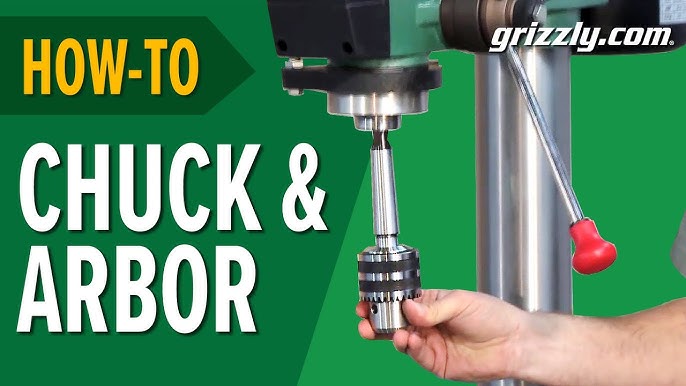
Image Source: i.ytimg.com
Why Change Your Drill Press Chuck?
There are several reasons why you might need to change the chuck on your drill press. The most common is wear and tear. Over time, the jaws of a drill press keyless chuck can become dull, lose their grip, or the mechanism itself might become sticky. Another reason is to upgrade. Perhaps you have a basic keyed chuck and want the convenience of a keyless model, or you need a chuck with a larger capacity to handle bigger drill bits. Knowing your drill press chuck size is crucial for purchasing the correct replacement. Sometimes, a damaged chuck, perhaps from an accidental drop or improper use, necessitates a replacement. Whatever the reason, changing your drill press chuck is a manageable DIY task.
Common Chuck Types
Before we dive into the “how-to,” let’s briefly touch on the different drill press chuck types you’ll encounter:
- Keyed Chucks: These are the traditional chucks. You use a special chuck key that fits into one or more holes on the chuck body. Turning the key tightens or loosens the jaws. They offer very secure gripping, especially for larger bits or tough materials.
- Keyless Chucks: These are increasingly popular for their speed and convenience. You simply twist the chuck body to tighten or loosen the jaws by hand. They are great for quick bit changes and are generally easier to use.
- Jacobs Chucks: A well-known brand that manufactures high-quality chucks of both keyed and keyless designs.
- Self-Tightening Chucks: A type of keyless chuck that tightens automatically as you apply drilling pressure.
Preparing for the Chuck Change
A little preparation goes a long way to ensure a smooth and safe chuck change.
Tools and Materials You’ll Need
Gathering the right tools before you start will save you time and frustration. Here’s a list of commonly required items:
- Drill Press Chuck Key (if applicable): Essential for keyed chucks.
- Adjustable Wrench or Pipe Wrench: For gripping the chuck or spindle if needed.
- Wooden Blocks or Dowels: To support the drill press table and prevent damage.
- Brass Hammer or Rubber Mallet: For gentle persuasion if parts are stuck.
- Rag or Shop Towels: For cleaning.
- Penetrating Oil (e.g., WD-40): To help loosen stubborn threads.
- Replacement Chuck: Make sure it’s compatible with your drill press spindle.
- Safety Glasses: Always protect your eyes.
- Gloves: For better grip and protection.
Ensuring Safety First
Safety is paramount when working with power tools.
- Unplug the Drill Press: This is the most critical step. Always disconnect the power supply to your drill press before attempting any maintenance. Double-check that the plug is out of the socket.
- Wear Safety Glasses: Even when not drilling, bits and chuck components can be sharp or may fly off if not handled carefully.
- Secure the Drill Press: If your drill press is a benchtop model, ensure it’s securely mounted to a workbench. For floor models, ensure stability.
- Clear the Workspace: Remove any clutter around the drill press to provide ample working space and prevent tripping hazards.
The Chuck Removal Process
Now that you’re prepared, let’s get down to removing the old chuck. The process usually involves unscrewing the chuck from the drill press spindle.
Step 1: Lower the Drill Press Table
Lower the drill press table to its lowest position. This will give you more working room and make it easier to access the chuck. You might want to place some wooden blocks or dowels on the table to prevent it from accidentally dropping further if the chuck is very heavy or if you need to rest it.
Step 2: Loosen the Chuck Jaws
Before you attempt to remove the chuck, ensure the jaws are fully open. For a keyed chuck, insert the chuck key and turn it counter-clockwise until the jaws are as far apart as they will go. For a keyless chuck, grip the outer sleeve and twist it counter-clockwise until it stops. This makes the chuck easier to handle and can sometimes help break a tight fit.
Step 3: Identify the Chuck’s Attachment Method
Most drill press chucks are threaded onto the drill press spindle. The most common method is a direct thread, where the chuck screws directly onto the spindle. However, some setups might involve a drill chuck adapter or a Morse taper.
Identifying a Direct Thread
Look at the top of the spindle where the chuck is attached. If you see a threaded shaft extending from the spindle and the chuck screws onto this, it’s a direct thread.
Identifying a Morse Taper
A Morse taper is a conical fitting that uses friction to hold the chuck in place. If the chuck appears to fit directly onto a tapered shaft without visible threads, it’s likely a Morse taper. Often, there’s a small tang or keyway at the base of the taper that can be used for removal.
Identifying a Drill Chuck Adapter
Sometimes, a chuck will be mounted to an adapter, which then fits onto the spindle. This adapter might be a threaded sleeve or a Morse taper sleeve. Identifying this requires looking closely at how the chuck is connected to the main spindle.
Step 4: Removing a Directly Threaded Chuck
This is the most common scenario.
- Secure the Spindle: To prevent the spindle from turning while you try to unscrew the chuck, you need to lock it in place. Many drill presses have a locking mechanism for the quill. Engage this if available. If not, you can sometimes use a wrench on the spindle pulley or shaft itself, but be careful not to damage it. A piece of wood placed against the spindle or a belt can also help.
- Apply Force to the Chuck: Grip the chuck body firmly. For drill press chuck loosening, you’ll want to turn it counter-clockwise.
- Using a Strap Wrench or Pipe Wrench: If the chuck is tight, you might need more leverage. A strap wrench can provide a good grip without damaging the chuck body. A pipe wrench can also be used, but protect the chuck by wrapping it with a thick cloth or leather before applying the wrench.
- Tapping for Loosening: If the chuck is really stubborn, a few gentle taps with a brass hammer or rubber mallet on the side of the chuck can help break the threads loose.
- The Drill Press Chuck Removal Method: A less common but effective method for very tight threads involves using the drill press itself to loosen the chuck.
- Ensure the spindle is locked and the power is off.
- Place a sturdy wooden block or dowel against the side of the chuck, angled slightly downward.
- Use a hammer (not a heavy one) to strike the wooden block sharply in the direction that will unscrew the chuck (counter-clockwise). The inertia of the spindle and the sudden impact can break the threads free. Be cautious with this method and ensure the spindle is well-secured.
Step 5: Removing a Morse Taper Mounted Chuck
If your chuck is mounted via a Morse taper, the process is different.
- Locate the Tang or Slot: Look at the base of the chuck where it meets the spindle. There might be a small tang or a slot designed to receive a wedge.
- Use a Chuck Key or Wedge: Insert a chuck key or a purpose-made wedge into this slot.
- Tap to Release: Use a hammer to strike the chuck key or wedge firmly in the direction that will push the chuck off the taper. This shock will break the friction fit. Work your way around if there are multiple slots.
- Using a Drift Punch: A drift punch can also be used to tap the chuck from the rear, pushing it off the taper.
Step 6: Removing a Chuck with an Adapter
If you have a drill chuck adapter, you’ll need to remove the chuck from the adapter first, or remove the adapter from the spindle. The method will depend on the type of adapter. If it’s a threaded adapter, treat it like a threaded chuck. If it’s a taper adapter, treat it like a Morse taper fitting.
Step 7: Clean the Spindle Threads
Once the old chuck is off, clean the threads on the drill press spindle and the chuck mounting area with a clean rag. This ensures the new chuck will thread on smoothly and securely. A wire brush can be used for stubborn dirt or rust, but be gentle.
The Chuck Installation Process
Installing a new chuck is essentially the reverse of removal, but with careful attention to ensure a secure and properly seated fit.
Step 1: Inspect the New Chuck and Spindle
Before you begin, inspect your new chuck to ensure it’s the correct drill press chuck size and thread type for your machine. Check that the spindle threads are clean and free from damage.
Step 2: Threading the New Chuck On
- Start by Hand: Carefully thread the new chuck onto the spindle by hand. It should screw on smoothly for several turns. If it feels like it’s cross-threading, stop, back it out, and try again.
- Ensure Proper Seating: Continue threading it on until it’s snug against the spindle.
Step 3: Tightening the Chuck (Direct Thread)
- Using the Chuck Key or Hand Tightening:
- Keyed Chucks: Insert the chuck key and turn it clockwise to tighten. Go around to each hole a few times, tightening evenly, until the chuck is firmly seated. You want it tight, but don’t overtighten to the point of damaging the threads.
- Keyless Chucks: Grip the body of the chuck and twist clockwise until it is very snug.
- Securing the Spindle: As with removal, you might need to secure the spindle while tightening, especially for keyed chucks, to prevent it from spinning. Use the quill lock if available.
- Drill Press Chuck Tightening: A good tip for ensuring a very tight fit on threaded chucks is to use a block of wood and a hammer.
- With the chuck snugged down, place a sturdy wooden block against the side of the chuck, angled slightly upwards.
- Use a hammer to strike the wooden block sharply in the direction that tightens the chuck (clockwise). This impact can help seat the threads very securely. Again, be judicious with your force.
Step 4: Installing a Morse Taper Chuck
- Align the Taper: Carefully align the Morse taper on the chuck with the spindle taper.
- Insert and Tap: Gently push the chuck onto the spindle. You might need to use a rubber mallet or a piece of wood and a hammer to tap the chuck onto the taper. The fit should be snug. A small tap is usually enough to seat it securely.
Step 5: Installing a Chuck with an Adapter
If you’re using a drill chuck adapter, install that onto the spindle first according to its specific instructions (likely by threading or using a Morse taper). Then, install the chuck onto the adapter.
Step 6: Test the Chuck
Once the new chuck is installed, it’s time to test it.
- With Power Off: With the power still off, insert a drill bit into the chuck. Open and close the jaws a few times to ensure they move freely and grip the bit securely.
- With Power On (Briefly): Plug the drill press back in. Turn it on for a very brief moment at a low speed. Ensure the chuck runs true and doesn’t wobble excessively. Turn it off and unplug it again.
Maintaining Your Drill Press Chuck
Proper maintenance will extend the life of your chuck and ensure optimal performance.
Regular Cleaning
After each use, wipe down the chuck jaws and body with a clean rag to remove dust and debris. This prevents abrasive particles from working their way into the mechanism.
Lubrication
Occasionally, apply a small amount of light machine oil or a specialized chuck lubricant to the jaws and the screw mechanism (especially on keyless chucks). Do this sparingly, as too much lubricant can attract dust.
Inspecting for Wear
Periodically inspect the chuck jaws for any signs of damage, wear, or excessive play. If the jaws are chipped, worn smooth, or the chuck has significant runout, it may be time for a drill press chuck replacement.
Proper Tightening and Loosening
Avoid overtightening your chuck. This can damage the jaws and the internal mechanism. For keyed chucks, use the key correctly and avoid excessive force. For drill press keyless chuck models, ensure you’re getting a firm grip but don’t strain yourself to tighten it. Similarly, when loosening, apply steady pressure.
Troubleshooting Common Issues
Here are some common problems you might encounter and how to solve them.
Chuck Won’t Loosen
- Cause: Dirt, rust, or overtightening.
- Solution: Apply penetrating oil and let it sit. Try using a strap wrench or pipe wrench for more leverage. Gentle tapping with a brass hammer might help. For threaded chucks, the tap-and-block method described earlier can be effective.
Chuck Won’t Tighten Securely
- Cause: Worn jaws, debris in the jaw mechanism, or damaged threads.
- Solution: Clean the chuck thoroughly. Inspect the jaws for wear; if they are significantly damaged, the chuck may need to be replaced. Ensure there’s no debris in the chuck mechanism.
Chuck Wobbles or Runs Out
- Cause: The chuck is not seated correctly on the spindle, the spindle itself is damaged, or the chuck is damaged.
- Solution: Remove the chuck and re-install it, ensuring it’s properly tightened and seated. Check the spindle for any damage or runout. If the spindle is fine and the chuck is correctly installed, the chuck itself might be faulty.
Difficulty Removing a Morse Taper Chuck
- Cause: The taper has become “galled” (worn and pitted) due to improper installation or lack of lubrication, creating a very tight friction fit.
- Solution: This can be challenging. Sometimes repeated tapping with a wedge or drift punch is necessary. In severe cases, specialized tools might be required, or professional assistance may be advisable.
Choosing the Right Replacement Chuck
When it comes to drill press chuck replacement, selecting the right chuck is crucial.
Key Factors to Consider:
- Spindle Taper or Thread Size: This is the most important factor. Your new chuck must match your drill press spindle’s fitting. Common spindle types include Jacobs taper (JT) and threaded spindles (often 3/4″-10 or 5/8″-16, but verify your machine’s specifics). Check your drill press manual or measure carefully.
- Chuck Capacity: This refers to the maximum and minimum drill bit shank diameter the chuck can grip. Common capacities are 1/2″ (13mm) or 5/8″ (16mm). Ensure it meets your drilling needs.
- Keyed vs. Keyless: Decide if you prefer the secure grip of a keyed chuck or the convenience of a keyless chuck.
- Brand Reputation: Reputable brands like Jacobs, Bison, and Albrecht are known for quality and durability.
- Runout: Higher-quality chucks will have lower runout (wobble), leading to more precise drilling.
Frequently Asked Questions (FAQ)
Here are some common questions regarding drill press chuck maintenance:
Q1: How often should I lubricate my drill press chuck?
A1: For most home workshop use, a light application of oil every few months or when you notice stiffness is sufficient. Avoid over-lubrication, which can attract dust.
Q2: Can I use any drill bit in any drill press chuck?
A2: Yes, as long as the drill bit’s shank diameter fits within the chuck’s capacity and is either round or has a hex shank designed for chuck gripping. Make sure the chuck is tight enough to hold the bit securely.
Q3: My drill press chuck is stuck and won’t unscrew. What else can I try?
A3: Beyond penetrating oil and leverage tools, if it’s a threaded chuck, the shock method using a block of wood and hammer can work. If it’s a Morse taper, ensure you’re tapping correctly on the tang or wedge slot. If it remains stubbornly stuck, consider seeking advice from a tool repair specialist.
Q4: How do I know my drill press chuck size?
A4: The chuck size is usually indicated on the chuck itself (e.g., “1/2” or “13mm”). It refers to the maximum shank diameter it can hold. You also need to know the size of the spindle thread or taper to ensure compatibility. Your drill press manual is the best source for this information.
Q5: Is it okay to leave a drill bit in the chuck when not in use?
A5: It’s generally better to remove the drill bit after use to prevent the chuck jaws from being held open for extended periods, which can sometimes lead to them losing some of their spring tension. It also keeps the chuck cleaner.
Changing your drill press chuck is a straightforward maintenance task that can improve the functionality and usability of your equipment. By following these steps carefully, you can confidently perform a drill press chuck replacement and keep your drill press in top working order. Remember to always prioritize safety and consult your drill press’s manual if you’re unsure about any specific part of the process.