
Can I change the chuck on my drill press? Yes, you absolutely can change the chuck on your drill press. This is a common maintenance task that allows you to adapt your drill press for different types of bits and applications. What is a drill press chuck? A drill press chuck is the part of the drill press that holds the drill bit or other cutting tools. It has jaws that tighten around the shank of the tool, ensuring a secure grip for accurate drilling.
Changing a drill press chuck might seem intimidating, especially if you’re new to woodworking or metalworking. However, with a few basic tools and a clear understanding of the process, you can easily perform a drill press chuck replacement. Whether you’re upgrading to a new drill press chuck size, switching to a keyless drill press chuck for faster bit changes, or simply need to replace a worn-out one, this guide will walk you through the steps. We’ll cover everything from the initial drill press chuck removal to securing the new one, ensuring your drill press continues to perform reliably.
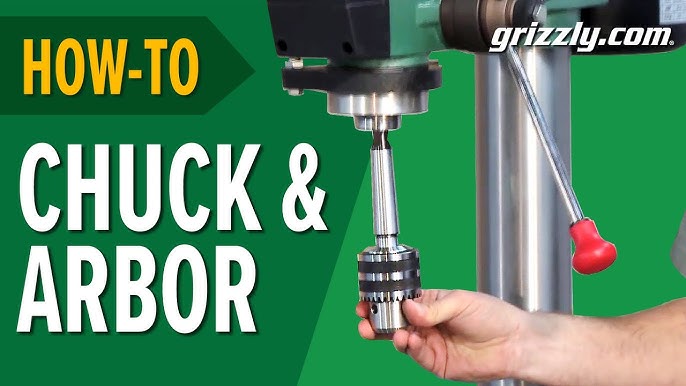
Image Source: i.ytimg.com
Gathering Your Tools and Materials
Before you begin the process of drill press chuck removal and replacement, it’s essential to have all the necessary tools and materials ready. This will make the job smoother and prevent interruptions.
Essential Tools
- Drill Press Chuck Key: This is crucial for tightening and loosening most traditional drill press chucks. Make sure you have the correct size key for your existing chuck.
- Adjustable Wrench or Socket Set: You might need this to help loosen a stubborn chuck or to tighten certain components.
- Hammer: A rubber mallet or a regular hammer is often needed to tap the chuck loose.
- Wooden Block or Dowel: This will be used to support the drill press spindle while you work.
- Rag or Shop Towels: For cleaning parts and wiping away any grease or debris.
- Penetrating Oil (Optional): If the chuck is very tight or has been on for a long time, a little penetrating oil can help loosen it.
- Gloves: To protect your hands.
- Safety Glasses: Always wear safety glasses when working with tools.
Choosing Your New Chuck
When it comes to a drill press chuck replacement, you have options. The most common types are geared chucks (which use a chuck key) and keyless chucks.
- Geared Chucks: These are the traditional type, offering a very secure grip, especially for larger bits or tough materials. Brands like Jacobs chuck drill press are well-regarded for their quality and durability. You’ll need to consider the drill press chuck size you require. This is usually measured by the smallest and largest diameter shank it can grip, for example, 1/2 inch or 5/8 inch.
- Keyless Chucks: These allow for quick bit changes by hand, which can be a significant time-saver if you switch bits frequently. They are convenient but might offer a slightly less secure grip than geared chucks for very heavy-duty tasks.
You will also need to consider the drill press spindle lock. Most drill presses have a mechanism to prevent the spindle from rotating, which is vital for removing and installing the chuck. This might be a lever, a button, or a threaded rod.
Step-by-Step Drill Press Chuck Removal
The process of drill press chuck removal is relatively straightforward, but it requires a bit of care.
Step 1: Secure the Drill Press and Disengage Power
- Turn off the drill press: Make sure the power switch is in the OFF position.
- Unplug the drill press: For absolute safety, unplug the power cord from the outlet. This is a critical step to prevent accidental startup.
Step 2: Engage the Spindle Lock
Locate the spindle lock mechanism on your drill press. This is designed to prevent the spindle from turning.
- For lever-style locks: Push the lever to engage the lock.
- For button-style locks: Press the button firmly.
- For threaded rod locks: Insert the rod into the designated hole and screw it in until it locks the spindle.
- For drill press tailstock engagement: Some drill presses might use a system that engages the tailstock to hold the spindle. Consult your drill press manual if you’re unsure.
Having the spindle locked is crucial because it provides the resistance needed to loosen the chuck.
Step 3: Position a Support for the Spindle
Place a sturdy wooden block or a thick dowel rod underneath the drill press quill, between the quill and the drill press table. This will support the weight of the chuck and spindle assembly once the chuck is loosened.
Step 4: Loosen the Chuck
Most drill press chucks are threaded onto the spindle. The threading is typically standard right-hand thread, meaning you turn counter-clockwise to loosen.
- Using the Chuck Key: Insert the drill press chuck key into one of the holes on the chuck. Apply firm, steady pressure counter-clockwise. You might need to try different holes for leverage.
- Stubborn Chucks: If the chuck is very tight, you might need to use an adjustable wrench or a socket on the chuck body to help turn it, but be careful not to damage the chuck. A few firm taps with a hammer on the chuck key handle can also help break the initial tightness. If it’s extremely tight, a small amount of penetrating oil applied to the threads and left to soak for a while can be beneficial.
Important Note: If your chuck has a locking collar, you may need to loosen that first before you can unscrew the chuck itself.
Step 5: Unscrew the Chuck Completely
Once the chuck begins to loosen, continue to unscrew it counter-clockwise. It should come off the spindle threads relatively easily. Be prepared to catch it as it comes free, though the wooden block will provide support.
Step 6: Clean the Spindle Threads
With the old chuck removed, take a moment to inspect the drill press spindle threads. Clean them thoroughly with a rag to remove any old grease, dirt, or rust. This ensures that the new chuck will thread on smoothly and securely.
Step-by-Step Drill Press Chuck Replacement
Now that the old chuck is off, it’s time for the drill press chuck replacement.
Step 1: Prepare the New Chuck
Before mounting the new chuck, ensure it’s clean and free of any debris. If your new chuck came with any protective coating, wipe it off. Check the drill press chuck adapter if you are using one; ensure it’s clean and fits snugly.
Step 2: Thread the New Chuck onto the Spindle
This is the reverse of the removal process.
- Align the threads: Carefully align the threads of the new chuck with the threads on the drill press spindle.
- Thread it on clockwise: Begin screwing the chuck onto the spindle clockwise. It should thread on smoothly by hand. If you encounter resistance, stop, back it off, and re-align the threads to avoid cross-threading.
- Hand-tighten: Continue to thread it on until it is hand-tight.
Step 3: Secure the New Chuck
Now, you need to tighten the new chuck securely onto the spindle.
- Engage the Spindle Lock: Ensure the spindle lock is still engaged.
- Using the Chuck Key: Insert the drill press chuck key into one of the chuck’s holes. Apply firm, clockwise pressure to tighten the chuck onto the spindle.
- Tighten evenly: Work your way around the different holes on the chuck, tightening each one incrementally. This ensures the chuck is seated evenly and securely against the spindle shoulder. You want it snug, but avoid overtightening, which could damage the threads.
- Consider the chuck type: If you’re installing a keyless drill press chuck, you’ll tighten it by hand until it’s firm. Some keyless chucks may have a small chuck key or a hex key to lock them down further, depending on the model.
Step 4: Remove the Spindle Support and Test
- Remove the wooden block: Carefully slide out the wooden block that was supporting the spindle.
- Disengage the Spindle Lock: Release the spindle lock mechanism.
- Plug in and test: Plug the drill press back in and turn it on briefly at a low speed. Listen for any unusual noises. Then, turn it off.
Step 5: Final Tightening and Bit Test
- Final tightening: With the spindle lock re-engaged, use the chuck key to give the chuck a final tightening in all the key holes. This ensures maximum security.
- Insert a bit: Insert a common drill bit into the chuck and tighten it using the chuck key (or by hand if it’s a keyless chuck).
- Spin test: With the spindle lock still engaged, try to slightly twist the bit by hand while the chuck is tightened. It should not move. Then, unlock the spindle, plug in the drill press, and run it at a low speed. The bit should spin smoothly without wobbling.
Maintaining Your Drill Press Chuck
Proper drill press maintenance extends the life of your tools and ensures safe operation. This includes caring for your chuck.
Lubrication
- Periodically, especially after cleaning or if you notice any stiffness, a light application of machine oil on the chuck’s internal mechanism can be beneficial. Use a high-quality lubricating oil designed for machinery. Avoid over-lubrication, which can attract dust and debris.
Cleaning
- After each significant use, or whenever you change bits, wipe down the chuck jaws and the exterior with a clean rag. This removes metal filings, wood dust, and other contaminants that can affect the chuck’s grip and longevity.
Regular Checks
- Periodically inspect the chuck jaws for any signs of wear, damage, or pitting. Damaged jaws can compromise grip and lead to inaccurate drilling or even bit slippage. If you notice significant wear, it might be time for a drill press chuck replacement.
Storage
- When not in use, keep the drill press clean and free from dust. If you have a shop environment prone to moisture, consider a light coating of protectant on metal parts.
Common Issues and Troubleshooting
While changing a drill press chuck is usually straightforward, you might encounter a few common issues.
Chuck Won’t Budge
- Problem: The old chuck is extremely tight and won’t loosen.
- Solution: Ensure the spindle lock is fully engaged. Apply penetrating oil to the threads and let it soak for several hours or overnight. Use a longer pipe slipped over the chuck key or wrench for increased leverage, but be careful not to apply excessive force that could damage the spindle or chuck. Sometimes, a firm, sharp rap with a hammer on the chuck key can break the seal.
Cross-Threaded New Chuck
- Problem: The new chuck won’t thread on smoothly.
- Solution: This indicates cross-threading. Back the chuck off completely. Inspect both the chuck threads and the spindle threads for any damage or debris. Clean them thoroughly. Try threading it on again, ensuring it starts straight and is only turned by hand until snug. Never force a threaded component.
Chuck Jaws Stick
- Problem: The jaws of the new or old chuck are difficult to open or close.
- Solution: This is usually due to dirt, debris, or lack of lubrication. Remove the chuck (if possible) and clean the internal mechanisms thoroughly. Apply a light coat of machine oil. For keyless chucks, ensure the locking mechanism is clean and free from grit.
Chuck Wobbles After Installation
- Problem: The drill bit wobbles when spinning, even after the chuck has been installed.
- Solution: This could be due to a few things:
- Improper Tightening: The chuck might not be fully tightened onto the spindle. Re-engage the spindle lock and tighten the chuck securely using the chuck key.
- Damaged Spindle or Chuck Threads: Inspect the spindle and the chuck’s internal threads for any visible damage or warping.
- Bent Spindle: In rare cases, the drill press spindle itself might be bent. This is a more serious issue that might require professional repair or replacement of the spindle.
- Worn Chuck: The chuck itself might be worn out and need replacement.
Frequently Asked Questions (FAQ)
Q: How often should I change my drill press chuck?
A: You don’t need to change your drill press chuck regularly unless it becomes damaged, worn, or you have a specific need for a different type or size. Proper maintenance can extend its lifespan significantly.
Q: What is the difference between a Jacobs chuck and other chucks?
A: The Jacobs Chuck Manufacturing Company is a well-known and respected brand that produces high-quality drill chucks, often considered a benchmark for durability and precision. When people refer to a “Jacobs chuck drill press,” they’re often referring to a drill press equipped with a Jacobs brand chuck, implying good quality.
Q: Do I need a special drill press chuck adapter?
A: You typically only need a drill press chuck adapter if the new chuck’s taper (the part that fits into the spindle) is different from the spindle’s taper. Common spindle tapers include Morse Taper (MT) sizes like MT1, MT2, or MT3. If the chuck has an MT shank and the spindle has the same MT taper, no adapter is needed. However, if you have a chuck with a different mount or a spindle with a different taper, an adapter will be necessary. Always check the specifications of your drill press and the new chuck.
Q: Can I use a drill bit that’s larger than the maximum drill press chuck size?
A: No, you cannot safely use a drill bit shank that is larger than the maximum capacity of your drill press chuck. Attempting to do so can damage the chuck, the bit, or the drill press, and is extremely unsafe. You would need a chuck with a larger capacity or a specialized holder.
Q: Is there a way to lock the drill press spindle without a dedicated lock?
A: While some drill presses have integrated spindle locks, others might not. In such cases, you can often use a block of wood or a metal rod inserted through a hole in the quill or near the spindle to prevent rotation. Some users improvise by using a pipe wrench on the spindle pulley (if accessible) or by having a helper hold the pulley with a strap wrench, but these methods are less secure and carry more risk. A dedicated spindle lock or a correctly fitted chuck is always preferred.
By following these steps, you can confidently perform a drill press chuck replacement, keeping your drill press in excellent working order and ready for any project.