
So, you’re wondering, how to become a drill sergeant in the Army? To become a drill sergeant, you must first meet specific qualifications, including rank, time in service, and a strong performance record, and then successfully complete drill sergeant training at the Drill Sergeant Academy. This rigorous path is not for everyone, but for those who answer the call, it’s an incredibly rewarding career. This guide will delve into every aspect of becoming a drill sergeant, from the initial requirements to the day-to-day army drill sergeant duties and the fulfilling drill sergeant career path.
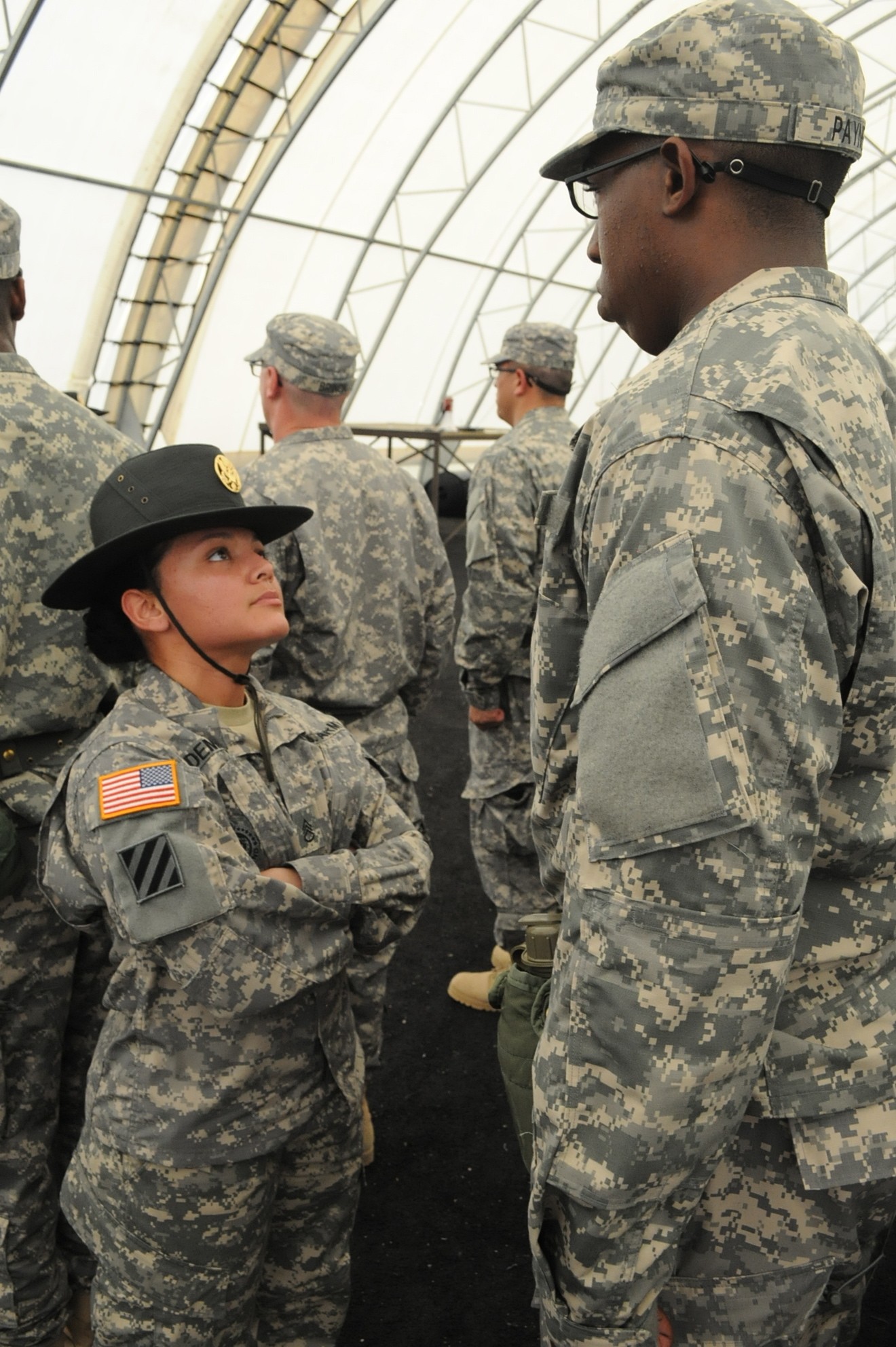
Image Source: api.army.mil
The Foundation: Meeting Drill Sergeant Requirements
Before you can even think about shouting “Hooah!” from the front of a platoon, you need to lay a solid foundation. Drill sergeant requirements are stringent because the role demands individuals with exceptional leadership, discipline, and the ability to mold civilians into soldiers.
Rank and Time in Service
- Minimum Rank: Typically, you must hold the rank of Sergeant (SGT) or Staff Sergeant (SSG). While it’s possible to be selected as a Sergeant, many aspiring drill sergeants aim to achieve Staff Sergeant before applying to increase their competitiveness.
- Time in Service: A minimum of 48 months (4 years) of active federal service is generally required. This ensures you have enough experience to understand Army doctrine, culture, and operations.
- Rank Progression: While becoming a drill sergeant is a significant career step, it’s not the end goal for most. It’s a path within the broader army drill sergeant duties, and successful completion often leads to opportunities for further advancement.
Performance and Record
- Military Occupation Specialty (MOS): While some MOSs are more commonly represented among drill sergeants (like Infantry or Military Police), any MOS can potentially produce a drill sergeant. What truly matters is your performance within your chosen field.
- Exceptional Performance: You need a strong record of performance, demonstrated through your NCO Evaluation Reports (NCOERs). Recruiters and selection boards look for consistent “Most Qualified” or “Highly Qualified” ratings, along with evidence of leadership, mentorship, and adherence to standards.
- No Disciplinary Issues: A clean disciplinary record is paramount. Any significant negative remarks or disciplinary actions can disqualify you.
Physical and Mental Fitness
- Physical Fitness Test (PFT): You must pass the Army Physical Fitness Test with a score that is not just passing, but ideally exceeding the minimum. Drill sergeants are role models for physical readiness.
- Height and Weight Standards: You must meet the Army’s body composition standards.
- Mental Fortitude: The job is demanding. You need resilience, patience, and the ability to remain calm under pressure.
Additional Qualifications
- Security Clearance: While not always a prerequisite for initial application, certain assignments or specialized training may require it.
- Specific Course Prerequisites: Some commands might require specific prerequisite courses before you can apply.
The Application and Selection Process: How to Get Picked
The drill sergeant selection process is competitive. It’s not just about meeting the minimum requirements; it’s about standing out from the crowd.
The Application Package
Your application package is your first impression. It needs to be impeccable.
- DA Form 4187 (Personnel Action): This is the official form used to request approval for various personnel actions, including applying for drill sergeant duty.
- NCOERs: A comprehensive collection of your recent NCO Evaluation Reports, showcasing your performance and potential.
- Letters of Recommendation: While not always mandatory, strong letters from senior NCOs who know your leadership capabilities can be invaluable.
- Medical and Dental Records: Ensuring you are medically and dentally fit for the demands of the assignment.
- Statement of Intent: A well-written statement explaining why you want to be a drill sergeant and what you can bring to the role.
The Interview Board
Once your package is submitted, you might be invited to an interview board. This is where you’ll have the chance to impress in person.
- Presentation: Be professional, articulate, and confident. Dress in your Army Service Uniform (ASU) or Mess Dress uniform, depending on the board’s requirements.
- Knowledge: Be prepared to answer questions about Army history, drill sergeant duties, leadership principles, and current Army regulations.
- Attitude: Demonstrate discipline, initiative, and a genuine desire to train and develop new soldiers.
The Nomination and Assignment
If selected by your unit, you will be nominated for drill sergeant duty. The final assignment is then made by the relevant Army Human Resources Command, often considering your MOS and the needs of the Drill Sergeant Academies.
Drill Sergeant School: The Crucible of Transformation
If you are selected, the next crucial step is drill sergeant school, formally known as the Drill Sergeant Academy (DSA). This is where you transform from a seasoned NCO into a highly effective trainer of soldiers.
What is Drill Sergeant School?
Drill Sergeant School is an intensive, specialized course designed to equip you with the skills and knowledge necessary to train, mentor, and discipline Initial Entry Training (IET) soldiers. It’s a challenging environment that tests your mettle and refines your leadership abilities.
Key Training Areas
The curriculum at the DSA is comprehensive and covers a wide range of topics.
- Drill and Ceremony: Mastering the precise execution and instruction of drill movements is fundamental.
- Instructional Techniques: Learning how to effectively teach, coach, and provide feedback to diverse learners. This includes public speaking, lesson planning, and assessment strategies.
- Leadership and Motivation: Developing advanced leadership skills to inspire and guide new recruits through a transformative period.
- Army Regulations and Policies: Deepening your knowledge of Army standards, conduct, and regulations.
- Physical Fitness Training: Learning how to lead and conduct effective physical training sessions.
- Combatives Training: Proficiency in hand-to-hand combat techniques.
- Weapon Systems: Ensuring a thorough understanding and ability to instruct on the primary weapon systems.
- Drill Sergeant Deportment: Cultivating the specific bearing, demeanor, and presence expected of a drill sergeant. This includes the iconic campaign hat.
The Drill Sergeant Experience
The training itself is designed to mirror the challenges recruits face, but with a focus on your development as an instructor.
- Physical Demands: Expect early mornings, strenuous physical training, and long days.
- Mental Rigor: You’ll be pushed intellectually, required to learn and retain vast amounts of information, and expected to perform under constant scrutiny.
- Feedback and Evaluation: You will receive constant feedback and evaluation on your performance in all training areas.
Graduating the DSA
Upon successful completion of the Drill Sergeant Academy, you will earn the Drill Sergeant Identification Badge and be officially designated as a Drill Sergeant. This is a significant accomplishment, marking your readiness for the demanding role ahead.
Drill Sergeant Responsibilities: Shaping the Future Force
The drill sergeant responsibilities are profound. You are the first impression of the Army for new recruits, and your actions directly influence their success and the future of the force.
Core Duties of a Drill Sergeant
- Training Recruits: This is the primary function. You are responsible for teaching recruits the Army’s fundamental skills, values, and traditions. This includes everything from basic soldiering skills to instilling discipline and teamwork.
- Mentoring and Guidance: Beyond instruction, drill sergeants act as mentors. They guide recruits through the difficult transition from civilian life to military service, offering support and counsel.
- Enforcing Standards: Drill sergeants are the guardians of Army standards. They ensure recruits adhere to regulations, maintain discipline, and exhibit the proper bearing and conduct.
- Developing Physical and Mental Toughness: You will push recruits to their limits, helping them build the resilience needed for the challenges of military service.
- Instilling Army Values: Core values like Loyalty, Duty, Respect, Selfless Service, Honor, Integrity, and Personal Courage are not just taught; they are lived and reinforced daily.
- Ensuring Safety: Maintaining a safe training environment is paramount.
The Impact of a Drill Sergeant
The influence of a drill sergeant extends far beyond the 8-10 weeks of basic combat training.
- Foundation for Success: The skills and discipline learned under a drill sergeant form the bedrock of a soldier’s career.
- Character Development: Drill sergeants play a crucial role in shaping a recruit’s character, fostering a sense of responsibility and commitment.
- Army Culture: Drill sergeants are key conduits of Army culture, ensuring that traditions and values are passed down effectively.
The Drill Sergeant Career Path: Beyond the Battlefield
Becoming a drill sergeant is not just a job; it’s a specialized assignment that can significantly shape your military career. It offers unique opportunities for growth and leadership.
Typical Assignments
- Basic Combat Training (BCT) Battalions: The most common assignment, where you will train recruits at installations like Fort Jackson, Fort Sill, Fort Leonard Wood, Fort Eisenhower (formerly Fort Gordon), and Fort Moore (formerly Fort Benning).
- Advanced Individual Training (AIT) Battalions: Some drill sergeants may also train soldiers in their specific MOS.
- Drill Sergeant Academy Instructor: After serving as a drill sergeant, you might have the opportunity to return to the DSA as an instructor, sharing your expertise with aspiring drill sergeants.
- Recruiting Command: Some drill sergeants transition into recruiting, leveraging their experience to attract future soldiers.
- Leadership Positions: The experience gained as a drill sergeant is highly valued and can qualify you for higher leadership positions within the NCO Corps.
Benefits of the Drill Sergeant Assignment
- Leadership Development: It’s an unparalleled leadership development opportunity. You learn to manage, motivate, and mentor a diverse group of individuals.
- Professional Growth: The training and experience gained enhance your professionalism and broaden your skillset.
- Personal Satisfaction: There’s immense personal satisfaction in knowing you’ve played a vital role in shaping new soldiers and contributing to the Army’s strength.
- Specialized Skill Set: You develop expertise in instruction, training, and leadership that is transferable to many other Army roles.
- The Campaign Hat: This iconic symbol of the drill sergeant is earned and worn with pride.
Post-Drill Sergeant Duty
After completing your tour as a drill sergeant, you typically return to your original MOS or a related field. Your experience will make you a more valuable asset to your unit and can open doors to specialized training and leadership opportunities. Many find that their time as a drill sergeant is one of the most impactful and memorable periods of their Army career.
Fathoming the Demands: Daily Life as a Drill Sergeant
What is it really like to be a drill sergeant day in and day out? It’s a commitment that requires constant energy and dedication.
A Typical Day
A drill sergeant’s day is anything but routine. It’s filled with constant activity and the responsibility of shaping new soldiers.
- Early Mornings: Days often start before dawn with physical training, formation checks, and ensuring recruits are ready for the day’s training.
- Instruction: Leading classes, conducting drills, and supervising practical exercises.
- Supervision: Constantly observing, correcting, and mentoring recruits in all aspects of their lives, from hygiene and barracks maintenance to tactical skills.
- Administrative Duties: Managing training records, conducting inspections, and preparing reports.
- Counseling: Providing individual counseling to recruits who are struggling.
- Late Evenings: The work often extends into the evening, ensuring recruits are prepared for the next day, conducting final inspections, and maintaining order.
The Psychological Aspect
Drill sergeant responsibilities also include managing the psychological stress of recruits and themselves.
- High-Stress Environment: Basic training is designed to be stressful. Drill sergeants must manage their own stress while guiding recruits through theirs.
- Emotional Resilience: You need to be able to remain composed and authoritative, even when faced with difficult situations or insubordinate behavior.
- Constant Vigilance: The job requires constant vigilance to ensure safety, adherence to standards, and the overall development of the recruits.
Maintaining Authority and Respect
How to be a drill sergeant in the army involves mastering the art of maintaining authority.
- Voice and Demeanor: The distinct drill sergeant voice and commanding presence are not just for show; they are tools for effective command and control.
- Setting the Example: Drill sergeants are expected to embody the Army values and standards they enforce. Your behavior is a constant lesson.
- Fairness and Consistency: While demanding, drill sergeants must also be fair and consistent in their application of discipline and guidance.
Frequently Asked Questions About Becoming a Drill Sergeant
Here are some common questions aspiring drill sergeants often ask:
Q1: Can I become a drill sergeant if I have a permanent profile?
A: Generally, a permanent profile that limits your physical capabilities may prevent you from meeting the drill sergeant requirements for physical fitness and the demands of the job. Each case is reviewed individually by medical authorities.
Q2: What is the typical length of a drill sergeant assignment?
A: A typical drill sergeant assignment, known as a drill sergeant tour, is usually three years.
Q3: Do I get to choose which Basic Combat Training installation I will serve at?
A: While preferences can be indicated, assignments are based on the Army’s needs, your MOS, and available slots at the Drill Sergeant Academies and BCT battalions.
Q4: What are the most important drill sergeant qualifications?
A: The most crucial qualifications include a strong performance record, demonstrated leadership potential, physical fitness, discipline, and the ability to effectively train and mentor soldiers.
Q5: Is it possible to become a drill sergeant in the National Guard or Reserves?
A: Yes, there are opportunities to serve as a drill sergeant in the Army National Guard and Army Reserve, though the selection process and training may differ slightly.
Q6: What happens after my drill sergeant tour is over?
A: After completing your tour, you will typically be reassigned to a different unit within your MOS, often with increased leadership responsibilities due to your specialized training and experience.
Q7: What is the significance of the campaign hat?
A: The campaign hat, often referred to as the “smokey bear hat,” is a distinctive symbol of the drill sergeant. It signifies authority, leadership, and the responsibility of training new soldiers.
Q8: How competitive is the drill sergeant selection process?
A: The drill sergeant selection process is highly competitive. Many soldiers aspire to this role, so a strong application and a demonstrated commitment to excellence are essential.
Q9: What is the drill sergeant training called?
A: The drill sergeant training is conducted at the United States Army Drill Sergeant Academy (DSA).
Q10: What are the main army drill sergeant duties?
A: The primary army drill sergeant duties include training, mentoring, and instilling discipline and Army values in new recruits during Basic Combat Training.
Conclusion: A Legacy of Leadership
Becoming a drill sergeant is a challenging yet immensely rewarding career path. It requires dedication, discipline, and a genuine passion for developing the next generation of soldiers. By meeting the drill sergeant requirements, successfully navigating the drill sergeant selection process, excelling in drill sergeant training, and embracing the significant drill sergeant responsibilities, you can join an elite group of NCOs who shape the Army’s future, one recruit at a time. The drill sergeant career path offers unparalleled opportunities for leadership and personal growth, leaving an indelible mark on both the soldiers you train and your own military journey.