
Drilling a new well can cost anywhere from $4,000 to $15,000 or more, depending on various factors. The cost to install a well is influenced by depth, geology, location, the type of pump needed, and local labor rates.
If you’re considering drilling a new well for your home, business, or agricultural needs, you’re likely wondering about the financial commitment. This guide dives deep into the various components that make up well drilling costs and helps you estimate new water well prices. We’ll break down the cost to install a well, explore well digging expenses, and discuss the factors influencing residential well drilling cost. You’ll also find information on water well installation cost, the cost of drilling a water source, and the well pump installation cost, along with the average well drilling price and groundwater extraction cost.
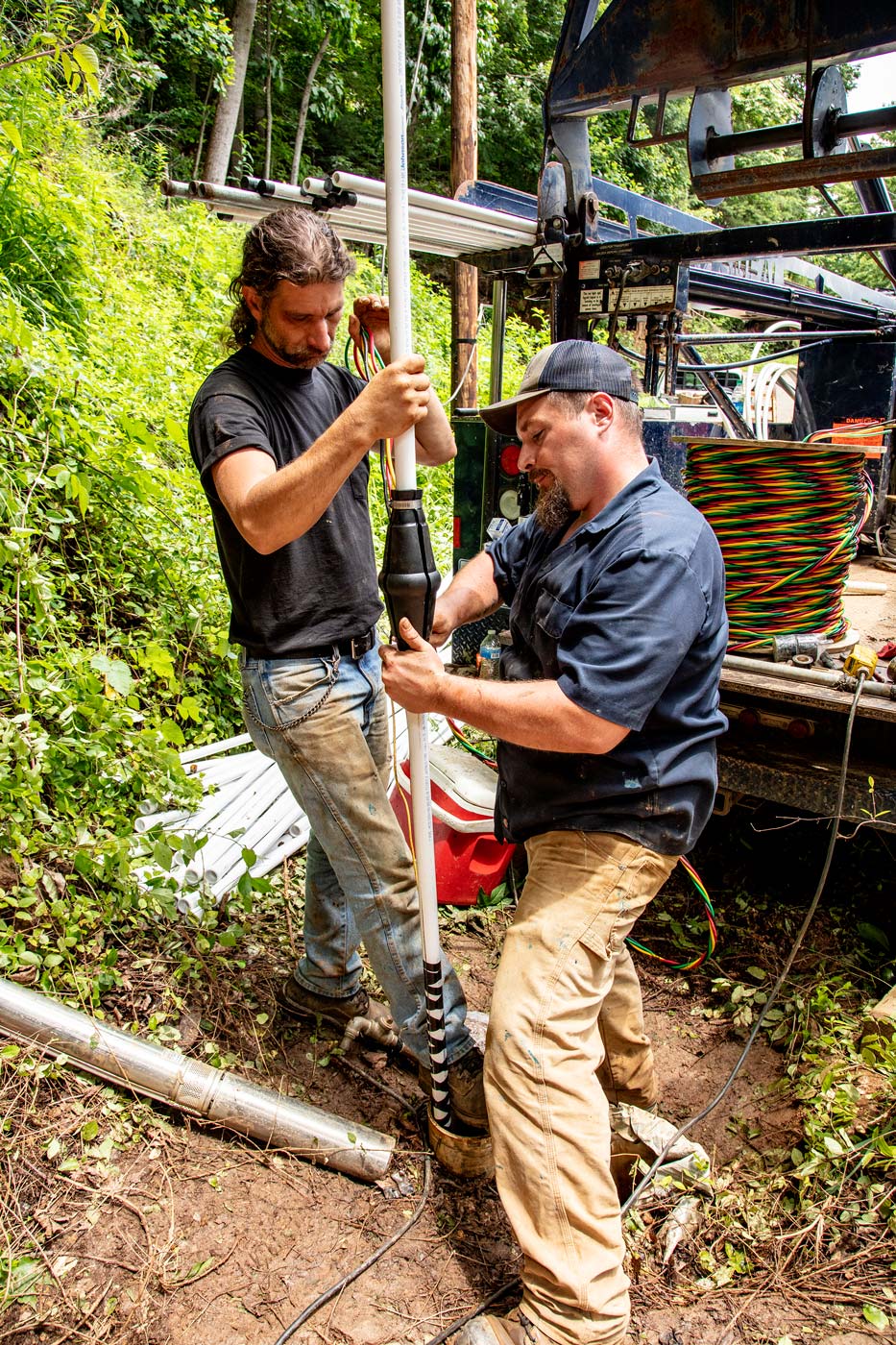
Image Source: merrillresources.com
Factors Shaping Your New Well Drilling Quote
Several key elements will impact the final price you pay for a new well. It’s crucial to get detailed quotes from several reputable well drilling companies in your area to get an accurate picture.
1. Depth of the Well
This is often the biggest driver of cost. The deeper you need to drill to reach a reliable water source, the more time, labor, and materials are involved.
How Depth Affects Pricing
- Drilling Time: Deeper wells require more time to drill, increasing labor costs.
- Equipment Needs: Drilling to significant depths might require specialized, more powerful drilling rigs.
- Casing and Screen: Longer lengths of casing and screen are needed for deeper wells, adding to material expenses.
- Water Level: The static water level (the level of water in the well when not being pumped) and the pumping water level (the level when the pump is operating) both influence the required pump and pipe length, impacting cost.
Average Cost per Foot: While this varies significantly by region, you can expect to pay an average of $25 to $60 per foot for drilling and casing.
2. Geology and Soil Conditions
The type of earth you’re drilling through plays a significant role in the difficulty and speed of the drilling process.
Impact of Different Formations
- Soft Soil and Sand: These are generally easier and faster to drill through, leading to lower costs.
- Clay: Clay can be moderately easy to drill, but sometimes it can “ball up” on the drill bit, slowing progress.
- Rock: Drilling through rock is considerably more challenging, time-consuming, and expensive. It requires specialized drill bits and can increase wear and tear on equipment. Different types of rock also present varying levels of difficulty. Hard, dense rock will be more costly than softer sedimentary rock.
- Boulders: Encountering large boulders can significantly slow down or even halt the drilling process, requiring specialized techniques or equipment to break them up or bypass them, thereby increasing well digging expenses.
3. Location and Accessibility
Where your property is located and how easily drillers can access the drilling site will affect the overall price.
Accessibility Considerations
- Remote Locations: If your property is in a remote area, transport costs for equipment and personnel can increase.
- Difficult Terrain: Steep slopes, dense vegetation, or limited access roads might require additional site preparation or specialized equipment, adding to the water well installation cost.
- Permitting and Regulations: Local zoning laws, building codes, and environmental regulations can require permits and inspections, which add to the administrative and compliance costs. These vary greatly by county and state.
4. Well Casing and Diameter
The casing is the protective lining installed in the well to prevent collapse and keep out contaminants. The diameter and material of the casing also influence the price.
Casing Details
- Diameter: Standard residential wells are often 4 to 6 inches in diameter. Larger diameters can accommodate higher flow rates or larger pumps but will cost more due to the increased material and drilling effort.
- Material: Steel, PVC, or stainless steel are common casing materials. PVC is generally the most cost-effective, while stainless steel is the most durable and expensive.
- Length: The length of casing required is determined by the depth of the well and the depth to the water-bearing aquifer.
5. Well Pump and System Components
Once the well is drilled, you’ll need a pump to bring water to your home and a storage system. The well pump installation cost is a significant part of the total water well installation cost.
Pump Types and Associated Costs
- Submersible Pumps: These are the most common type for residential wells. They are placed directly in the water within the well. Costs can range from $500 to $2,000 or more, depending on the horsepower, brand, and capacity needed for your water demand.
- Jet Pumps: Less common for deep wells, these are typically used for shallow wells and are located above ground. They are generally less expensive than submersible pumps.
- Pressure Tank: This tank stores water and maintains consistent pressure in your plumbing system. Costs typically range from $200 to $700.
- Control Box: This manages the pump’s operation.
- Piping and Wiring: Materials to connect the pump to the pressure tank and your home’s plumbing.
- Well Head Assembly and Cap: These ensure the well is sealed from contamination.
The cost of drilling a water source isn’t complete without considering the pump and delivery system.
6. Water Quality and Testing
The quality of the water encountered can sometimes necessitate additional treatment systems, adding to the overall groundwater extraction cost.
Water Quality Impact
- Treatment Systems: If water tests reveal high levels of minerals (iron, manganese), hardness, acidity, or contaminants (bacteria, nitrates), you may need water treatment systems like filters, softeners, or UV sterilizers. These can add several hundred to several thousand dollars to the project cost.
- Well Development: Sometimes, the drilling process needs to be followed by a “well development” step, which involves pumping the well vigorously to remove drilling fluids and sediment to improve water flow and clarity. This is usually included in the drilling quote but can add time if extensive development is needed.
7. Local Labor Rates and Overhead
Well drilling costs are also influenced by the prevailing wages for skilled labor and the operational costs of the drilling company in your specific region.
Labor and Overhead Factors
- Skilled Labor: Well drillers are skilled professionals, and their wages reflect their expertise and the demanding nature of the work.
- Company Overhead: This includes insurance, equipment maintenance, fuel, administrative staff, and profit margins. Companies operating in areas with higher costs of living or more stringent regulations may charge more.
Estimating Your New Well Drilling Project: A Cost Breakdown
Let’s break down the typical costs associated with drilling a new well to give you a clearer picture of the average well drilling price.
Typical Components of a Well Drilling Quote
| Cost Component | Estimated Range (USD) | Notes |
|---|---|---|
| Drilling & Casing | $3,000 – $10,000+ | Based on depth, geology, diameter, and casing material. This is the core of the well drilling costs. |
| Well Pump System | $1,500 – $3,500+ | Includes pump, pressure tank, controls, piping, and wiring. This covers the well pump installation cost. |
| Labor | Included in drilling | Often bundled into the per-foot drilling cost, but some companies may itemize it. |
| Site Preparation | $200 – $1,000 | Clearing land, creating access paths if needed. |
| Well Head & Cap | $100 – $300 | Basic safety and sealing components. |
| Water Testing | $100 – $400 | Essential for quality assessment. |
| Permits & Inspections | $100 – $500 | Varies by local jurisdiction. |
| Water Treatment (Optional) | $500 – $5,000+ | If water quality requires it. |
| Contingency (10-15%) | $400 – $1,500+ | For unforeseen issues encountered during drilling. |
| Total Estimated Cost | $4,000 – $15,000+ | This range represents the cost to install well for a typical residential property. |
This table illustrates that new water well prices can fluctuate significantly.
Example Scenario: A Typical Residential Well
Let’s consider a hypothetical scenario for a typical residential well:
- Depth: 200 feet
- Geology: Mixed soil and soft rock
- Casing: 6-inch diameter PVC
- Pump: Standard 1/2 HP submersible pump
- Location: Reasonably accessible suburban property
Estimated Costs for this Scenario:
- Drilling and Casing (200 ft @ $35/ft): $7,000
- Submersible Pump System (pump, tank, controls): $2,500
- Well Head, Cap, Labor: $500
- Water Testing: $200
- Permits: $200
- Total: $10,400
This example gives you a baseline for the cost of drilling a water source and its associated systems. Remember, this is an estimate, and actual costs could be higher or lower.
The Process of Well Drilling: What to Expect
Knowing the steps involved can help you gauge the time and effort required, which indirectly relates to the well drilling costs.
Stages of Well Construction
- Site Selection and Survey: Determining the best location for the well, considering proximity to the house, property lines, and potential contamination sources.
- Permitting: Obtaining necessary permits from local authorities.
- Drilling: Using a drilling rig to bore a hole to the desired depth. This is where the majority of well digging expenses are incurred.
- Casing Installation: Inserting the protective pipe (casing) into the drilled hole.
- Grouting: Filling the annular space between the casing and the formation with cement or bentonite to prevent surface water contamination.
- Screen Installation: Placing a screened section at the bottom of the well to allow water entry while preventing sediment.
- Well Development: Pumping the well to clean it out and improve water flow.
- Pump Installation: Installing the submersible pump, drop pipe, and electrical wiring.
- Pressure Tank and Controls: Connecting the pump to the pressure tank and control system.
- Disinfection: Disinfecting the well and pump system.
- Water Testing: Taking water samples for testing to ensure quality and flow rate.
- Final Inspection: Local authorities may conduct a final inspection.
This comprehensive process is what contributes to the overall water well installation cost.
Choosing the Right Well Driller: Key Considerations
Selecting a qualified and reputable well driller is paramount to ensuring a successful and cost-effective project. The right professional can help you navigate the complexities and avoid costly mistakes.
What to Look for in a Well Driller
- Licensing and Insurance: Ensure the driller is licensed and insured in your state and locality. This protects you from liability.
- Experience: Look for a company with a proven track record of drilling in your area. They’ll be familiar with local geology and water sources.
- Reputation and Reviews: Check online reviews, ask for references, and inquire with your local building department or water authority.
- Detailed Quotes: Get multiple, itemized quotes that clearly outline all costs, including drilling, casing, pump, labor, and any potential extras.
- Water Supply Guarantees: Understand what the company guarantees regarding water flow and quality.
- References: Ask for a list of recent customers they have worked with.
When comparing new water well prices, remember that the cheapest option might not always be the best long-term investment.
Saving Money on Your New Well Project
While drilling a well is a significant investment, there are ways to manage costs.
Strategies for Cost Savings
- Accurate Sizing: Work with your driller to ensure you are not over-sizing the well or pump. This can lead to unnecessary upfront costs and higher energy consumption.
- Timing: Drilling during the off-season (typically fall or winter) might sometimes result in slightly lower prices as demand decreases.
- Group Projects: If you have neighbors also needing wells, see if drilling multiple wells in proximity can lead to economies of scale for the driller.
- Research Grants and Rebates: In some rural areas, there might be government programs or grants available for water access improvements.
- Compare Pump Options: Discuss different pump brands and models with your driller. Sometimes a slightly different but equally reliable pump can be more cost-effective.
Frequently Asked Questions (FAQ)
How long does it take to drill a new well?
The actual drilling process can take anywhere from a few days to a week, depending on the depth, geology, and equipment. However, the entire process, including permitting, scheduling, drilling, pump installation, and testing, can take several weeks to a few months.
What is the average well drilling price?
The average well drilling price can range broadly from $4,000 to $15,000 or more for a residential well. This is a general estimate, and specific quotes are necessary for accuracy.
Can I drill a well myself?
While technically possible, it is highly discouraged for individuals without extensive experience and specialized equipment. Improperly drilled wells can be inefficient, contaminated, and may not meet local regulations, leading to much higher costs down the line. It’s best left to licensed professionals.
Who is responsible for permits?
Typically, the well driller will assist with or handle the permitting process, as they are familiar with local requirements. However, it’s wise to confirm this responsibility in your contract.
How deep should my well be?
The required depth depends entirely on your local groundwater conditions. Your driller will be able to advise on the typical depths for a reliable water source in your area based on local knowledge and geological surveys.
What are the ongoing costs of a well?
Beyond the initial cost to install well, ongoing costs include electricity for the pump, periodic maintenance (e.g., pump checks, water testing), and potential repairs. Water treatment systems will also have ongoing costs for filters and salt.
Conclusion
Drilling a new well is a significant undertaking, and thoroughly researching the cost of drilling a water source is essential. By considering factors like depth, geology, location, and the necessary pump system, you can gain a clearer understanding of the residential well drilling cost and the overall water well installation cost. Obtaining detailed quotes from several reputable drillers, understanding the process, and being prepared for potential additional expenses will help you budget effectively and ensure a reliable water supply for years to come. The average well drilling price can vary, but informed planning is your best tool for managing well drilling costs and the groundwater extraction cost.