
The cost to drill a well can range from $5,000 to $15,000 or more, with the average well cost often falling between $5,000 and $10,000. This wide range depends on many factors, including the depth of the well, geological conditions, and the type of equipment needed.
Drilling a water well is a significant investment for homeowners seeking an independent water source. While the upfront cost can seem daunting, it often translates to long-term savings and greater water security compared to relying on municipal water. This guide will delve into the various components that influence well drilling prices, helping you understand what goes into the total cost to dig a well.
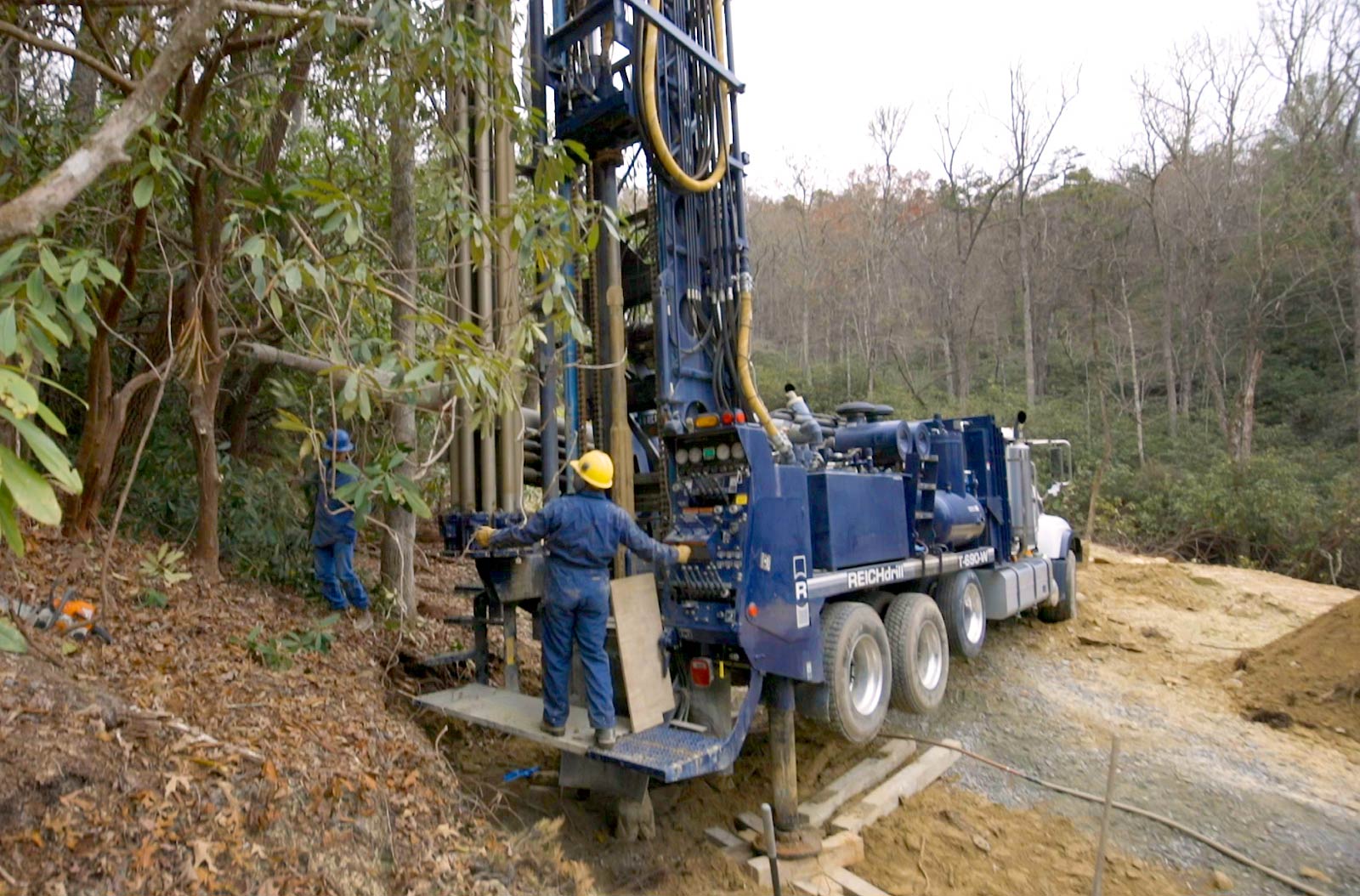
Image Source: merrillresources.com
Factors Shaping Well Drilling Prices
Several key elements contribute to the overall cost of drilling a water well. It’s crucial to consider these when budgeting for your project.
Depth of the Well
The most significant factor influencing the cost to drill a well is its depth. The deeper the well, the more time, labor, and materials are required, naturally driving up the price.
- Shallow Wells (Under 100 feet): These are generally less expensive, but their water supply can be more vulnerable to surface contamination and seasonal fluctuations.
- Medium Depth Wells (100-300 feet): This is a common range for many residential wells, offering a more reliable water source than shallow wells.
- Deep Wells (300+ feet): Deep well drilling cost increases substantially. These wells tap into deeper aquifers, providing a more consistent and often cleaner water supply, but at a higher installation cost.
The geological makeup of your area plays a vital role here. Some regions may have water tables close to the surface, making shallower wells feasible, while others require drilling much deeper to reach a reliable source.
Geological Conditions
The earth beneath your property isn’t uniform. The type of soil and rock encountered during drilling dramatically impacts the difficulty and cost.
- Soft Soils and Sediments: Easier and faster to drill through, requiring less specialized equipment and less time.
- Hard Rock Formations: Significantly increase drilling time and wear on drill bits. This often requires more robust drilling equipment and can lead to higher well drilling prices. Fractured rock can sometimes be advantageous, allowing for better water flow, but it can also be unstable and require casing.
- Boulders and Obstructions: Unexpected large rocks or debris can slow down the drilling process and potentially require specialized techniques to overcome, adding to the overall cost.
Well Casing and Screen
Once the hole is drilled, it needs to be secured to prevent collapse and to filter out sediment. This is where well casing and screens come in.
- Casing: This is the pipe that lines the well bore. It’s typically made of PVC or steel. The diameter and thickness of the casing, as well as the material used, will affect the cost. Steel casing is generally more expensive than PVC but offers greater strength.
- Screen: A screen is placed at the bottom of the well to allow water to enter while keeping sand and gravel out. The length and type of screen depend on the aquifer’s characteristics.
The well installation cost for these components can add a considerable amount to the total project.
Water Well Pump and Pressure Tank
While not directly part of drilling, the pump and pressure tank are essential for getting water from the well to your home. The cost of these components and their installation is a significant part of the overall water well cost.
- Pump Type: Submersible pumps (placed down in the well) are most common for residential wells and vary in horsepower and price based on the well’s depth and the required water flow rate. Jet pumps are another option, typically used for shallower wells.
- Pressure Tank: This tank stores water and maintains pressure in your plumbing system. The size of the tank is determined by your household’s water usage.
- Well Pump Installation Cost: This includes the cost of the pump itself, wiring, piping, and the labor to install everything. A typical well pump installation cost can range from $1,000 to $3,000 or more.
Site Access and Location
The ease with which drilling equipment can reach your chosen well location can impact the cost.
- Remote Locations: If your property is difficult to access, drilling companies might charge more for transportation and setup.
- Obstacles: Having to navigate around existing structures, trees, or significant landscaping can add to the labor time and thus the cost.
- Backyard Well Cost: Drilling in a backyard might involve considerations for protecting landscaping or existing structures, potentially adding to installation complexity and cost.
Permitting and Testing
Most municipalities and states require permits for drilling a new well. There are also costs associated with water quality testing.
- Permit Fees: These vary by location.
- Water Testing: Essential to ensure the water is safe to drink and free of contaminants. Basic tests are usually included, but more comprehensive testing for specific contaminants can incur additional charges.
Geologist or Hydrogeologist Consultation
In areas with complex geology or water table issues, you might need to hire a geologist or hydrogeologist to assess the best location for the well and predict the potential water yield. This adds an extra layer of cost but can prevent costly mistakes.
Typical Well Drilling Process and Associated Costs
Let’s break down the typical steps involved in drilling a well and where the costs are incurred.
1. Site Assessment and Planning
Before drilling begins, professionals assess your property to determine the most suitable location for the well. This involves considering factors like proximity to your home, potential contamination sources, and geological surveys.
- Cost Component: Often included in the overall drilling quote, but specialized surveys can incur separate fees.
2. Permitting
Obtaining the necessary permits is a mandatory step.
- Cost Component: Varies by local regulations. Expect anywhere from $50 to $500.
3. Drilling
This is the core of the process and the most significant cost driver. Drilling rigs are mobilized to your site, and the drilling process begins.
- Drilling Footage Cost: This is the primary cost. Prices per foot can range from $20 to $50 or more, depending on the factors mentioned earlier.
- Rig Mobilization: A fee for bringing the drilling equipment to your site.
- Drilling Mud/Additives: Used to lubricate the drill bit and stabilize the bore.
Table: Estimated Cost Per Foot for Well Drilling
| Depth (Feet) | Estimated Cost per Foot | Total Drilling Cost (Example) |
|---|---|---|
| 100 | $25 | $2,500 |
| 200 | $35 | $7,000 |
| 300 | $45 | $13,500 |
| 400 | $50 | $20,000 |
Note: These are illustrative costs and can vary significantly.
4. Casing and Screen Installation
After drilling, the casing is installed to support the well walls. A screen is placed at the bottom to prevent debris from entering.
- Cost Component: This cost is often bundled into the per-foot drilling price or itemized separately. The materials (PVC vs. steel) and diameter will influence this.
5. Well Development and Cleaning
Once casing is in place, the well is “developed.” This process involves methods like surging or pumping to remove drilling fluids and debris, improving water flow.
- Cost Component: Usually included in the drilling quote.
6. Pump and Pressure Tank Installation
This is a separate but crucial cost for making the well functional.
- Well Pump Installation Cost: As mentioned, this can range from $1,000 to $3,000+.
- Pressure Tank: $300 to $1,000+.
- Piping and Wiring: $200 to $500+.
- Labor for Installation: Varies based on complexity.
7. Water Testing and Disinfection
After installation, the water quality is tested, and the well is disinfected.
- Cost Component: Water testing fees can range from $100 to $500. Disinfection is usually a small additional cost.
8. Final Inspections and Hookup
Your local health department or building authority may require a final inspection before you can use the well.
- Cost Component: Inspection fees can apply.
Comprehending Different Types of Wells
The type of well you need also affects the cost to dig a well.
5.1. Drilled Wells (Most Common)
These are created using a drilling rig that bores a hole into the ground.
- Pros: Can reach deep aquifers, generally provide a reliable water supply, and are less susceptible to surface contamination.
- Cons: Higher initial cost, especially for deep wells.
5.2. Dug Wells (Less Common Today)
These are old-fashioned wells dug by hand or with backhoes. They are typically wide and shallow, lining the shaft with stone or concrete.
- Pros: Can be cheaper to construct if very shallow.
- Cons: Highly susceptible to surface contamination, often dry up in droughts, and are less common for new installations due to safety and reliability concerns. The cost to dig a well this way can be surprisingly high per cubic yard of excavation.
5.3. Driven Wells (Sand Point Wells)
These are created by driving a perforated pipe into the ground. They are only suitable for shallow aquifers where the water table is close to the surface and the soil is sandy.
- Pros: Relatively inexpensive to install.
- Cons: Limited depth and reliability, susceptible to contamination.
Cost Breakdown: Average Well Cost and Variations
To give you a clearer picture, let’s look at some average well cost figures. Remember, these are estimates and can vary widely based on the factors discussed.
- Average Well Cost (Overall): $5,000 – $10,000
- Cost to Drill a 100-foot Well: $3,000 – $5,000 (including basic pump)
- Cost to Drill a 250-foot Well: $7,000 – $12,000 (including basic pump)
- Cost to Drill a 400-foot Well: $10,000 – $18,000+ (including basic pump)
These figures often include the drilling, casing, basic pump, and pressure tank. The “residential well drilling costs” can be more standardized than for commercial or agricultural wells, which often require larger capacities and more robust systems.
Fathoming Potential Additional Expenses
Beyond the core drilling and installation costs, be prepared for potential additional expenses that can affect the overall water well cost.
Water Quality Issues
- Iron or Sulfur: If your water has high levels of iron or sulfur, you might need a specialized filtration system, adding $500 to $3,000+ to the cost.
- Hardness: Hard water can necessitate a water softener, another $300 to $1,500+.
- Contaminants: If tests reveal harmful contaminants like nitrates or bacteria, extensive treatment systems may be required.
Well Pump Upgrades
- Variable Speed Drives (VSDs): These can improve energy efficiency and water pressure but add $500 to $1,000+ to the pump cost.
- Higher Capacity Pumps: If you have higher water demands, a larger, more expensive pump will be needed.
Unexpected Drilling Challenges
- Hard Rock Penetration: As mentioned, hitting significant hard rock can increase drilling time and costs.
- Well Repair or Redrilling: In rare cases, a well might need to be repaired or even redrilled if initial problems arise, leading to significant extra costs.
Trenching for Water Lines
If the well is located a significant distance from your home, trenching and burying the water line will add to the cost. This can be $20-$50 per linear foot depending on the depth of the trench and local labor rates.
Choosing the Right Well Drilling Company
Selecting a reputable well drilling company is paramount. The average well cost can also be influenced by the company you choose, not just the technical aspects of the job.
Research and Recommendations
- Ask for Referrals: Talk to neighbors or friends who have recently had wells drilled.
- Check Online Reviews: Look for companies with consistently positive reviews.
- Verify Licensing and Insurance: Ensure the company is properly licensed and insured in your state.
Get Multiple Quotes
- Compare Bids: Obtain at least three detailed quotes from different companies.
- Clarify Inclusions: Make sure all quotes cover the same scope of work, including materials, labor, testing, and any potential additional fees. Don’t just look at the total cost to dig a well; scrutinize the breakdown.
Ask Questions
- Experience: How long has the company been in business?
- Equipment: What type of drilling rig do they use?
- Warranty: What kind of warranty do they offer on their work and the pump?
- Water Yield Guarantees: Do they offer any guarantees on the water yield?
Long-Term Benefits of a Private Well
While the upfront cost to drill a well is substantial, the long-term advantages can be significant.
- Cost Savings: Over time, you can save money compared to monthly municipal water bills, especially if your water usage is high.
- Water Independence: You are not subject to water restrictions or price increases imposed by local authorities.
- Water Quality Control: You have direct control over the quality of your water and can implement treatment as needed.
Frequently Asked Questions (FAQ)
Q1: What is the average cost to drill a water well?
A1: The average well cost typically falls between $5,000 and $10,000, but it can range from $3,000 to over $15,000 depending on depth, geology, and other factors.
Q2: Can I drill a well myself to save money?
A2: While it might seem tempting, drilling a well is a complex and potentially dangerous task that requires specialized equipment and expertise. Most local regulations require licensed professionals to drill wells to ensure safety and compliance. Attempting to do it yourself can lead to costly mistakes, poor water quality, or even damage to underground aquifers.
Q3: Who is responsible for obtaining well drilling permits?
A3: Typically, the well drilling contractor handles the permit application process, but it’s essential to confirm this with them. Homeowners are ultimately responsible for ensuring all necessary permits are obtained before drilling begins.
Q4: How long does it take to drill a well?
A4: The time it takes to drill a well can vary greatly, but often it takes anywhere from one to three days for a typical residential well. Factors like depth, geological conditions, and the drilling crew’s efficiency play a significant role.
Q5: What is the typical lifespan of a residential well?
A5: A properly constructed and maintained residential well can last for 50 years or more. The well pump, however, typically has a shorter lifespan and may need replacement every 10-15 years.
Q6: Are there government programs or grants to help with well drilling costs?
A6: In some rural areas or for specific circumstances (like replacing a contaminated well), there may be government programs or grants available through agricultural or rural development agencies. It’s worth researching local and federal programs.
By thoroughly researching, obtaining multiple quotes, and carefully considering all the contributing factors, you can gain a clear picture of how much a well will cost to drill for your specific needs and ensure you are making a wise investment in your home’s water future.