
Drill rig workers can make anywhere from $40,000 to $100,000 or more per year, depending on their experience, the specific role, and the location of the drilling operation. This range reflects the demanding nature of the work and the essential skills required.
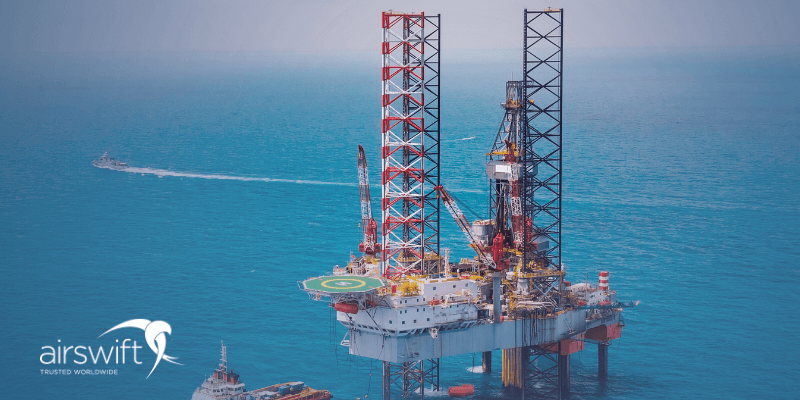
Image Source: www.airswift.com
Deciphering Drill Rig Worker Compensation
The world of oil and gas drilling is vast and often unseen by most people. At its heart are the drill rig workers, the backbone of operations that extract vital resources from deep within the earth. These individuals perform physically demanding and often dangerous jobs, and their compensation reflects this. Understanding how much drill rig workers make involves looking at several factors: the specific job title, the location of the rig (onshore vs. offshore), the company employing them, their level of experience, and the prevailing market conditions for oil and gas.
This article will delve into the specifics of drill rig worker salaries, breaking down pay scales for common positions and exploring the elements that influence earning potential. We’ll also touch upon benefits and the overall financial picture for those in this critical industry.
Oil Rig Worker Pay: An Overview
When we talk about oil rig worker pay, we’re referring to the compensation received by individuals working on drilling rigs, primarily in the oil and gas sector. This pay is generally higher than many other industrial jobs due to the inherent risks, the specialized skills required, and the often remote or harsh working conditions.
Key determinants of oil rig worker pay include:
- Job Role: Different positions on a rig have vastly different responsibilities and, therefore, different pay rates.
- Experience Level: Entry-level positions naturally pay less than those held by seasoned professionals.
- Location: Offshore operations typically offer higher pay than onshore ones to compensate for extended time away from home and more challenging logistics.
- Company: Larger, established companies might offer more competitive salaries and benefits than smaller, newer ones.
- Unionization: Unionized workers may have standardized pay scales and better benefits packages.
- Market Demand: When oil prices are high and demand for drilling is strong, salaries tend to increase.
Drilling Crew Compensation: The Structure of Earnings
Drilling crew compensation is structured in a way that rewards productivity, experience, and the willingness to work in challenging environments. Most drill rig workers are paid an hourly wage, though some supervisory or specialized roles might be salaried. Overtime is common and is usually paid at a premium rate (time and a half or double time), significantly boosting overall earnings, especially during busy operational periods.
Common components of a drilling crew’s compensation package:
- Base Wage: The standard hourly or daily rate for the job.
- Overtime Pay: Additional pay for hours worked beyond a standard workweek.
- Per Diem: A daily allowance to cover food and incidentals, especially common for remote or travel assignments.
- Bonuses: Performance-based bonuses, safety bonuses, or retention bonuses can be offered.
- Benefits: Health insurance, retirement plans (401k), paid time off, and life insurance are often part of the package, though the quality and cost-sharing can vary by employer.
- Travel/Housing Allowances: For some positions, especially offshore, travel to and from the rig, as well as accommodation, might be provided or subsidized.
Roustabout Wages: The Foundation of the Crew
Roustabouts are the entry-level laborers on a drill rig. They perform a wide range of manual tasks, from cleaning and painting the rig to assisting with equipment maintenance and moving materials. While the work is physically demanding, it’s a crucial starting point for many in the industry.
Typical Roustabout Wage Factors:
- Entry-Level Pay: Generally ranges from $15 to $25 per hour.
- Annual Earnings: Can fall between $40,000 and $60,000, depending heavily on overtime.
- Skill Development: Experienced roustabouts who show initiative and learn quickly can advance to higher-paying positions.
Floorhand Pay: The Hands-On Crew
Floorhands, also known as roughnecks, are directly involved in the drilling process on the rig floor. They handle pipes, operate drilling tools, and maintain the equipment in this high-activity zone. This role is more specialized than a roustabout and comes with higher pay.
Floorhand Pay Considerations:
- Hourly Rates: Typically range from $20 to $35 per hour.
- Roughneck Earnings: Annual salaries can range from $50,000 to $80,000, again, largely influenced by overtime.
- Physical Demands: This job requires significant strength, stamina, and the ability to work in a fast-paced, often hazardous environment.
Derrickhand Salary: The Elevated Role
The derrickhand is responsible for the derrick or mast of the drilling rig. They manage the drill pipe and casing as it enters or exits the wellbore. This is a critical and more skilled position that typically involves working at heights, requiring a good head for heights and precise coordination.
Derrickhand Salary Insights:
- Hourly Wages: Commonly fall between $25 and $45 per hour.
- Annual Salary: Derrickhand salary can range from $60,000 to $90,000 annually.
- Advancement: Often a stepping stone to becoming a driller.
Rig Operator Pay: The Supervisor of the Drill
The rig operator, often referred to as the Driller, is responsible for the overall operation of the drilling rig and supervises the crew. They control the drilling speed, weight on the bit, and other critical parameters to ensure the well is drilled safely and efficiently. This is a senior and highly paid position.
Rig Operator Pay Details:
- Hourly Rates: Can range from $35 to $60+ per hour.
- Annual Earnings: Rig operator pay can easily reach $80,000 to $120,000+ annually.
- Responsibility: This role carries significant responsibility for the success and safety of the drilling operation.
Offshore Drilling Salary: The Premium for Remote Work
Working on an offshore drilling rig comes with a distinct set of challenges and rewards, with offshore drilling salary often being higher than onshore counterparts. Workers are typically away from home for extended periods, often on a rotational basis (e.g., two weeks on, two weeks off, or three weeks on, three weeks off).
Factors affecting offshore drilling salary:
- Hazard Pay: The inherent risks associated with offshore work contribute to higher pay.
- Logistics & Isolation: The remote nature of offshore rigs and the logistical challenges involved are factored into compensation.
- Extended Rotations: Longer periods away from home often mean higher overall earnings within a given period, but also more time spent away from family.
- Specialized Skills: Offshore rigs often employ more advanced technology, requiring specialized skills and training, which further boosts pay.
- Job Roles: Pay scales for roustabouts, floorhands, derrickhands, and drillers are all generally higher offshore. For instance, an offshore roustabout might earn what an onshore floorhand makes.
Estimated Offshore Pay Ranges:
| Position | Estimated Hourly Rate (Offshore) | Estimated Annual Salary (Offshore) |
|---|---|---|
| Roustabout | $25 – $40 | $60,000 – $80,000 |
| Floorhand/Roughneck | $30 – $45 | $70,000 – $100,000 |
| Derrickhand | $35 – $55 | $80,000 – $120,000 |
| Driller | $45 – $70+ | $100,000 – $150,000+ |
| Other Specialists | Varies widely | $70,000 – $200,000+ |
Note: These figures are estimates and can vary significantly based on the factors mentioned earlier.
Factors Influencing Drill Rig Worker Salaries
Several dynamic factors can cause drill rig worker salaries to fluctuate:
Experience and Skill Set
- Entry-Level: Newcomers to the industry start with lower wages, focusing on learning the ropes and gaining practical experience.
- Mid-Level: Workers with 2-5 years of experience typically see significant pay increases as they master their roles and can perform tasks with less supervision.
- Senior Level: Experienced personnel, especially those in supervisory or highly specialized technical roles, command the highest salaries. Certifications, specialized training (e.g., crane operation, welding, specialized drilling techniques), and a proven safety record are invaluable.
Geographic Location
- Onshore vs. Offshore: As discussed, offshore jobs generally pay more due to increased risk, isolation, and extended time away from home.
- Basin Specifics: Salaries can also vary based on the specific oil or gas basin. Regions with high drilling activity and demand for labor may offer higher compensation. For example, the Permian Basin in the US or major offshore regions globally often have competitive pay structures.
Company Size and Type
- Major Oil Companies: Often have more structured pay scales, better benefits, and higher overall compensation due to their resources.
- Service Companies: Companies that provide drilling services to the major oil companies can also offer competitive pay, but it might be more tied to project bonuses or contract performance.
- Independent Operators: Smaller companies might offer more flexibility but potentially less robust benefits packages.
Market Demand and Oil Prices
- High Oil Prices: When crude oil prices are high, exploration and production activities increase, leading to greater demand for drill rig workers. This demand can drive up wages and offer more overtime opportunities.
- Low Oil Prices: Conversely, during periods of low oil prices, drilling activity may slow down, leading to reduced hiring, less overtime, and potentially stagnant or even decreased wages.
Work Schedule and Overtime
- Rotational Schedules: Most rig jobs operate on a rotational schedule, which typically involves working for a set number of days or weeks followed by an equal or shorter period off. This structure allows for substantial overtime earnings.
- Overtime Rates: Standard practice is to pay overtime at 1.5 or 2 times the regular hourly rate. Given the long hours often worked on rigs, overtime can significantly increase a worker’s take-home pay. For example, working 12-hour shifts for 28 days straight can lead to a substantial amount of paid overtime.
Career Progression in the Oilfield
The oilfield offers a clear path for career advancement, allowing workers to increase their earning potential significantly over time. Starting as a roustabout or floorhand, an individual can progress through various roles by gaining experience, acquiring certifications, and demonstrating competence.
A typical career progression might look like this:
- Roustabout: Entry-level manual labor.
- Lease Hand/Derrickhand: Becomes more involved in the drilling process, working higher up on the rig.
- Floorman/Roughneck: Primary hands-on role on the drill floor.
- Assistant Driller: Supports the Driller in managing rig operations.
- Driller: Manages the entire drilling operation and crew.
- Toolpusher/Drilling Supervisor: Oversees multiple rigs or complex operations.
Each step up the ladder typically comes with a substantial increase in salary and responsibility.
Benefits and Perks
Beyond the direct salary, drill rig workers often receive a comprehensive benefits package that adds significant value to their overall compensation.
Common benefits include:
- Health Insurance: Comprehensive medical, dental, and vision coverage.
- Retirement Plans: 401(k) or similar plans with company matching contributions.
- Paid Time Off (PTO): Vacation days, sick leave, and holidays, though the structure might differ for rotational workers.
- Life Insurance: Coverage to protect families.
- Accidental Death & Dismemberment (AD&D) Insurance: Additional coverage for workplace incidents.
- Workers’ Compensation: Coverage for injuries sustained on the job.
- Housing and Meals: Often provided or subsidized, especially for offshore or remote onshore locations. This can represent a substantial savings for the employee.
- Travel Pay: Compensation for time spent traveling to and from the worksite.
Is a Career on a Drill Rig Right for You?
A career on a drill rig is not for everyone. It demands a high level of physical fitness, mental resilience, and a commitment to safety. The work is often performed in challenging weather conditions, with long hours and extended periods away from family. However, for those who are suited to this lifestyle, it offers:
- High Earning Potential: The ability to earn a very good living, especially with overtime.
- Career Advancement: Clear pathways for growth and increased responsibility.
- Job Security: Demand for skilled oilfield workers remains consistent, though it can fluctuate with market conditions.
- Teamwork: A strong sense of camaraderie often develops among rig crews working closely together.
- Travel Opportunities: For offshore roles, the chance to travel to different locations.
Frequently Asked Questions (FAQ)
Q1: What is the average salary for a drill rig worker?
A: The average salary for a drill rig worker can range broadly, but most positions fall between $50,000 and $100,000 annually. Entry-level roustabouts might start around $40,000, while experienced drillers could earn over $150,000, especially in offshore roles with significant overtime.
Q2: How much does an offshore oil rig worker make compared to an onshore worker?
A: Offshore oil rig workers generally make more than their onshore counterparts. This is due to the increased risks, isolation, and extended time away from home associated with offshore operations. Offshore premiums can add 10-30% or more to base pay.
Q3: What is the highest-paying job on a drill rig?
A: The highest-paying jobs on a drill rig are typically supervisory roles such as the Driller or Toolpusher. These positions require extensive experience, technical knowledge, and the responsibility for managing the drilling operation and crew safety.
Q4: What is a roustabout salary?
A: A roustabout salary typically ranges from $15 to $25 per hour on shore, leading to annual earnings of $40,000 to $60,000. Offshore roustabouts can earn higher, potentially $25 to $40 per hour, leading to $60,000 to $80,000 annually.
Q5: How much does a floorhand make?
A: A floorhand, or roughneck, usually earns between $20 and $35 per hour onshore, with annual earnings between $50,000 and $80,000. Offshore floorhands typically earn $30 to $45 per hour, resulting in annual pay of $70,000 to $100,000.
Q6: What is a derrickhand salary?
A: A derrickhand salary generally falls between $25 and $45 per hour onshore, leading to $60,000 to $90,000 annually. Offshore derrickhands can expect to earn $35 to $55 per hour, translating to $80,000 to $120,000 per year.
Q7: How does overtime affect drill rig worker pay?
A: Overtime significantly boosts drill rig worker pay. Most rig jobs involve working 12-hour shifts, often for 14-28 days at a time, with a substantial portion of the earnings coming from overtime pay, usually at time-and-a-half or double-time rates.
Q8: What kind of benefits do drill rig workers receive?
A: Drill rig workers often receive comprehensive benefits including health insurance, retirement plans (like 401k), paid time off, life insurance, and workers’ compensation. For offshore workers, housing and meals are typically provided, representing significant cost savings.
Q9: What are the typical work schedules for drill rig workers?
A: Drill rig workers typically work on rotational schedules. Common schedules include “two weeks on, two weeks off” or “three weeks on, three weeks off.” This means working continuously for extended periods, followed by an equal period of rest.
Q10: Is physical fitness important for drill rig workers?
A: Yes, physical fitness is extremely important. The job is labor-intensive, requiring workers to lift heavy equipment, stand for long periods, and work in demanding conditions. Good stamina and strength are essential for safety and performance.