
A bank Vice President’s salary can vary significantly, generally ranging from $120,000 to $250,000 per year, with potential for bonuses and other compensation pushing total earnings higher.
Image Source: lh7-us.googleusercontent.com
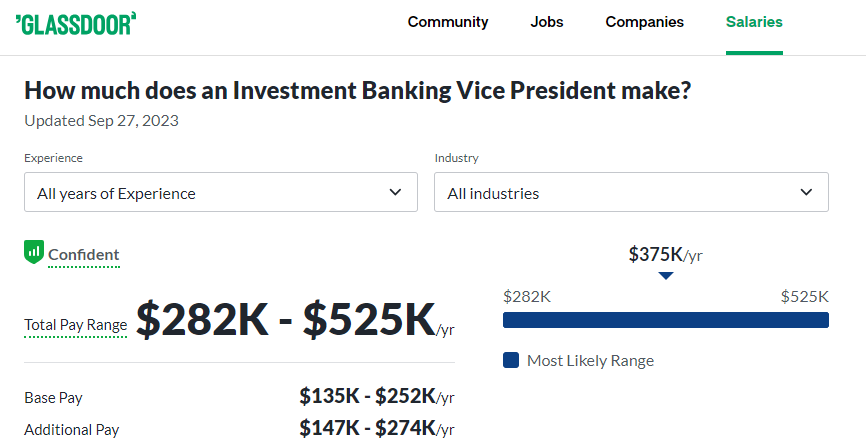
Deciphering Bank Executive Compensation
The world of finance is known for its competitive compensation packages, and banking is no exception. For those climbing the corporate ladder, the role of Vice President (VP) represents a significant achievement and a key leadership position. But what does a VP at a bank actually earn? This guide aims to shed light on the earnings of these crucial financial institution leaders. We’ll explore the factors that influence their salaries, typical pay ranges, and how their compensation stacks up against other senior banking roles.
The Value of Banking Leadership Salaries
Bank executive compensation is a complex tapestry woven from experience, responsibility, location, and the size and type of financial institution. A VP isn’t just a title; it signifies a level of expertise and authority that commands a substantial salary. These individuals are instrumental in driving strategy, managing teams, and ensuring the profitability and stability of the bank. Therefore, their banking leadership salaries reflect the immense value they bring to their organizations.
What Influences a VP’s Bank Earnings?
Several key elements contribute to the overall VP bank earnings. Understanding these can help paint a clearer picture of the compensation landscape.
- Experience Level: A VP with 5 years of experience will likely earn less than one with 15 years under their belt. Seniority and a proven track record significantly boost earning potential.
- Specialization: Banks have VPs in various departments – lending, operations, marketing, technology, risk management, and finance, to name a few. A Vice President of Finance, for instance, might command a different salary than a VP of Marketing due to the specialized nature and criticality of their roles.
- Size and Type of Bank: A VP at a large, international investment bank will generally earn more than a VP at a small, regional community bank. Larger institutions often have more complex operations and greater revenue streams, allowing for higher compensation.
- Geographic Location: Cost of living and demand for financial talent vary by region. VPs in major financial hubs like New York City or London typically earn more than those in smaller cities.
- Performance and Bonuses: Bank VPs often receive performance-based bonuses, which can be tied to individual, departmental, or overall bank profitability. These bonuses can significantly increase total compensation.
- Educational Background and Certifications: Advanced degrees (MBA, Master’s in Finance) and relevant professional certifications (CFA, FRM) can enhance a VP’s earning potential.
A Look at Financial Institution Pay Scales
The financial institution pay scales for VP roles are competitive but also reflect the broad spectrum of responsibilities. It’s not a one-size-fits-all situation. The specific duties and the level of impact a VP has on the bank’s bottom line will directly influence their remuneration.
Typical Salary Ranges for Bank VPs
While precise figures are proprietary and fluctuate, here’s a general breakdown of what a bank VP might expect to earn annually. These are base salary figures and do not typically include bonuses, stock options, or other benefits, which can add a substantial amount to the total compensation package.
| Role | Average Base Salary (USD) | Potential Bonus/Incentives (USD) | Total Compensation (Potential Range) (USD) |
|---|---|---|---|
| Vice President, Operations | $130,000 – $180,000 | $20,000 – $50,000 | $150,000 – $230,000 |
| Vice President, Commercial Lending | $140,000 – $190,000 | $30,000 – $70,000 | $170,000 – $260,000 |
| Vice President, Risk Management | $135,000 – $185,000 | $25,000 – $60,000 | $160,000 – $245,000 |
| Vice President, Technology (IT) | $145,000 – $200,000 | $30,000 – $80,000 | $175,000 – $280,000 |
| Vice President, Marketing | $125,000 – $170,000 | $15,000 – $40,000 | $140,000 – $210,000 |
| Vice President, Human Resources | $130,000 – $175,000 | $20,000 – $50,000 | $150,000 – $225,000 |
| Vice President, Compliance | $130,000 – $180,000 | $20,000 – $55,000 | $150,000 – $235,000 |
| Vice President, Finance | $150,000 – $220,000 | $40,000 – $100,000 | $190,000 – $320,000 |
Note: These figures are estimates and can vary widely based on the specific bank, location, and individual responsibilities.
Navigating Bank Management Compensation
Bank management compensation is designed to attract and retain top talent. The VP level often sits below executive management like Senior Vice Presidents or Directors but above departmental managers. This mid-to-senior level role requires a blend of strategic thinking, operational oversight, and people management.
The Spectrum of Senior Banking Roles Salary
To contextualize VP earnings, it’s helpful to look at senior banking roles salary more broadly.
- Branch Managers: While not typically VPs, senior branch managers might earn between $70,000 and $120,000, depending on branch size and profitability.
- Directors: A Director role is usually a step above a VP. Their salaries can range from $180,000 to $300,000+, with significant bonus potential. The compensation for a Director bank remuneration is typically higher due to greater strategic input and accountability.
- Senior Vice Presidents (SVPs): SVPs are typically more senior than VPs, overseeing larger departments or multiple functions. Their salaries can start at $200,000 and easily go beyond $350,000, with substantial incentive packages.
- Executive Vice Presidents (EVPs) and Chief Officers: These are top-tier roles. An EVP or a Chief Banking Officer’s pay can be in the $300,000 to $700,000+ range, often including significant equity stakes. The chief banking officer pay is reflective of their ultimate responsibility for the bank’s banking operations.
Examining Director Bank Remuneration
The compensation for a director bank remuneration package often includes a base salary, annual incentive pay, and long-term incentives such as stock options or restricted stock units. These long-term incentives are particularly common in larger, publicly traded financial institutions.
Specialized VP Roles and Their Pay
Certain VP roles, due to their specialized knowledge and direct impact on revenue or risk, often command higher salaries.
The Vice President of Finance Salary
The vice president finance salary is typically on the higher end of the VP spectrum. This role is critical for the financial health and strategic direction of the bank. VPs of Finance are responsible for financial planning and analysis, treasury, accounting, and investor relations. Their expertise in managing complex financial operations and ensuring regulatory compliance makes them highly valuable.
Other High-Demand VP Positions
- VP of Technology/Digital Transformation: As banks increasingly rely on technology, VPs overseeing IT infrastructure, cybersecurity, and digital innovation are in high demand. Their salaries reflect the critical nature of these functions in a competitive digital landscape.
- VP of Commercial Real Estate Lending: This role often involves managing large loan portfolios and requires specialized knowledge of real estate markets and complex deal structures, leading to higher compensation.
- VP of Wealth Management: For banks with significant wealth management divisions, VPs in this area are responsible for managing client portfolios and driving investment strategies, often earning substantial commissions and bonuses.
Factors Beyond Base Salary
When assessing bank executive compensation, it’s vital to look beyond the base salary. Many VPs receive comprehensive benefits packages that add significant value.
Typical Benefits for Bank VPs
- Health Insurance: Comprehensive medical, dental, and vision coverage for the employee and often their dependents.
- Retirement Plans: 401(k) plans with employer matching contributions, and sometimes pension plans.
- Stock Options/Equity: Especially in publicly traded banks, VPs may receive stock options or restricted stock units, allowing them to share in the bank’s growth and profitability.
- Annual Bonuses and Incentive Plans: As mentioned, performance-based bonuses tied to individual, team, and bank performance are common.
- Paid Time Off (PTO): Generous vacation, sick leave, and holiday pay.
- Life and Disability Insurance: Employer-provided coverage.
- Professional Development: Support for continuing education, certifications, and conference attendance.
- Car Allowance or Company Car: Common for roles that require frequent travel.
- Relocation Assistance: For those moving to take on a new role.
Career Progression and Earning Potential
The VP title is often a stepping stone to even higher positions within a bank. The earning potential increases substantially as one moves up the hierarchy.
The Path to Higher Banking Roles Salary
- Assistant Vice President (AVP): This is often a stepping stone to VP, with salaries typically ranging from $90,000 to $130,000.
- Vice President (VP): As discussed, $120,000 to $250,000+ base.
- Senior Vice President (SVP): $200,000 to $350,000+ base.
- Executive Vice President (EVP)/Director: $250,000 to $500,000+ base.
- C-Suite (CEO, CFO, COO, etc.): Salaries can reach $500,000 to over $1,000,000, with extensive stock options and bonuses.
The senior banking roles salary progression shows a clear upward trend, rewarding increased responsibility, strategic impact, and leadership capabilities.
Frequently Asked Questions (FAQ)
Q1: What is the average salary for a bank VP?
A: The average base salary for a bank VP typically falls between $120,000 and $250,000 per year, though this can vary significantly based on location, bank size, and specialization.
Q2: Does a VP at a small bank earn the same as one at a large bank?
A: No, VPs at larger banks, especially national or international institutions, generally earn more than those at smaller community banks due to greater revenue potential and complexity of operations.
Q3: Are bonuses a significant part of a bank VP’s compensation?
A: Yes, bonuses and incentive plans are a crucial component of bank VP compensation. They are often tied to performance metrics and can significantly increase total earnings.
Q4: What are the typical benefits received by a bank VP?
A: Benefits often include comprehensive health insurance, retirement plans (like 401(k) with matching), paid time off, life and disability insurance, and sometimes stock options or other equity incentives.
Q5: What career path leads to becoming a bank VP?
A: A typical path involves starting in junior roles, gaining experience, and moving up through positions like analyst, manager, or assistant vice president. Advanced degrees and specialized certifications can accelerate this progression.
Q6: How much do different types of VPs earn (e.g., VP of Finance vs. VP of Operations)?
A: Roles with highly specialized skills or those directly tied to revenue generation or critical risk management, such as a Vice President of Finance or a VP in Commercial Lending, often command higher salaries than VPs in more general operational or support roles.
Q7: What does a Director bank remuneration package typically look like?
A: A Director bank remuneration package usually includes a competitive base salary, annual bonuses, and long-term incentives like stock options or restricted stock units, reflecting a higher level of responsibility and strategic input than a VP.
Q8: Is there a difference in pay between VPs in different cities?
A: Yes, geographic location plays a significant role. VPs in major financial centers with a higher cost of living and greater demand for talent typically earn more than those in smaller or less economically vibrant regions.
Q9: What is the typical total compensation for a Chief Banking Officer?
A: The chief banking officer pay is at the executive level and can range from $300,000 to $700,000 or more annually, often including substantial bonuses and long-term equity incentives.
Q10: How does bank executive compensation compare to other industries?
A: Bank executive compensation is generally competitive, especially at the senior VP and executive levels. However, top-tier compensation in some other industries, like technology or private equity, can sometimes surpass that of banking executives.