
A typical Skill saw, or circular saw, can use anywhere from 700 to 1500 watts, depending on its motor size and the task it’s performing. This range provides a good starting point for understanding your saw’s power needs.
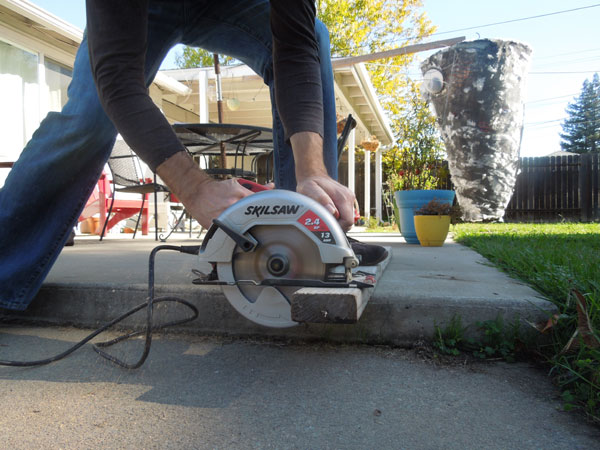
Image Source: cockeyed.com
Deciphering Your Skill Saw’s Power Consumption
When you’re working on a project, you might wonder, “How much electricity does a Skill saw need?” It’s a common question, especially when you’re setting up a workshop, running extension cords, or considering generator power. The skill saw power consumption is a crucial factor in making sure your tools run smoothly and safely. This guide will dive deep into what influences a Skill saw’s power draw and how to interpret its specifications.
Circular Saw Wattage: The Core of the Matter
The term “wattage” refers to the rate at which electrical energy is used. For a circular saw, this directly relates to the power of its motor. A higher wattage generally means a more powerful motor, capable of cutting through tougher materials and maintaining speed under load.
Power Tool Energy Usage varies significantly between different types of saws and even models within the same brand. A small, 7-1/4 inch circular saw designed for light DIY tasks will naturally consume less power than a larger, professional-grade saw meant for heavy construction work.
Fathoming Saw Amperage Draw
While wattage tells us the total power consumption, amperage (amps) is also a key metric. Amperage is the measure of electrical current. You’ll often see the saw amperage draw listed on the tool’s nameplate or in its manual.
The relationship between watts, volts, and amps is fundamental:
Watts (W) = Volts (V) × Amps (A)
Most standard household outlets in North America provide 120 volts. So, if a Skill saw has a 10-amp motor, you can estimate its power consumption:
120 V × 10 A = 1200 Watts
This calculation gives you a good idea of the saw’s running wattage. However, motors, especially those in power tools, often have a higher starting or peak wattage when they first kick on.
Key Factors Influencing Skill Saw Wattage
Several elements contribute to how many watts a Skill saw uses:
- Motor Size and Power: Larger motors require more power. A 15-amp motor will draw more watts than a 7-amp motor.
- Blade Diameter and Type: While not directly influencing the motor’s potential draw, the blade’s efficiency and the material being cut can affect how hard the motor has to work, thus increasing power usage.
- Cutting Load: Pushing the saw too hard or cutting through dense hardwoods will demand more power from the motor than a light cut through soft pine.
- Saw Speed (RPM): Saws with higher revolutions per minute (RPM) generally have more powerful motors and thus higher wattage.
- Cordless vs. Corded: Cordless saws have their power specified by their battery voltage (e.g., 18V, 20V Max) and amp-hour (Ah) rating. While not directly stated in watts, higher voltage and Ah batteries generally support more powerful motors. Estimating tool power needs for cordless tools involves looking at battery capacity and motor design.
Skill Saw Amp Rating: What It Means for You
The skill saw amp rating is a vital piece of information. It tells you how much current the saw will draw under normal operating conditions. A higher amp rating typically signifies a more robust motor. When choosing extension cords or planning to run multiple tools on a single circuit, the amp rating is essential for preventing overloads.
Estimating Skill Saw Power can be done by multiplying the amp rating by the voltage of your power source (usually 120V in homes).
Comprehending Wattage Requirements for Circular Saws
When we talk about wattage requirements for circular saws, it’s about matching the saw’s needs to your power supply.
- Light Duty Saws (DIY): Often around 7 to 10 amps, translating to roughly 840 to 1200 watts.
- Heavy Duty/Professional Saws: Can range from 10 to 15 amps, meaning 1200 to 1800 watts or even more for larger models.
It’s important to consider the power consumption of woodworking tools as a whole if you’re running multiple devices simultaneously. A typical household circuit is rated for 15 amps or 20 amps.
Powering Your Skill Saw: Circuit Considerations
A standard 15-amp circuit can safely handle a continuous load of about 12 amps (80% of its rating) to prevent tripping.
- A 10-amp Skill saw (1200 watts) would use about 70-80% of a 15-amp circuit’s capacity, leaving room for other small tools or lights.
- A 15-amp Skill saw (1800 watts) would nearly max out a 15-amp circuit, meaning you likely couldn’t run much else on that circuit simultaneously. In this case, a 20-amp circuit would be preferable.
Interpreting Your Skill Saw’s Nameplate
The most accurate way to determine your saw’s power is to look at the nameplate or label on the tool itself. This label, often found on the motor housing or base of the saw, usually displays:
- Voltage (V): The electrical potential required (e.g., 120V).
- Amperage (A): The current the saw draws (e.g., 10A).
- Frequency (Hz): The cycles per second of the AC power (e.g., 60Hz in North America).
- Sometimes, Wattage (W): Some manufacturers directly list the power consumption in watts.
If only voltage and amperage are listed, use the formula W = V × A to calculate the wattage.
Cordless Skill Saws: Power in a Battery
Cordless Skill saws operate differently. Their power is determined by the battery’s voltage and the efficiency of the motor. While you won’t see a direct wattage rating in the same way as corded tools, higher voltage batteries (e.g., 20V Max compared to 18V) generally indicate a more powerful motor capable of higher output. The amp-hour (Ah) rating of the battery relates to its capacity – how long it can deliver power – rather than its peak power output.
To gauge the power consumption of woodworking tools like cordless Skill saws, consider that a high-performance cordless circular saw might draw power equivalent to a 10-12 amp corded saw under load.
Tool Power Needs: Matching Saw to Task
When considering tool power needs, think about your typical usage:
- Occasional DIY: A saw with a lower amp rating (e.g., 7-9 amps) will likely suffice and consume less power.
- Frequent Use/Deeper Cuts: A higher amp rating (e.g., 10-15 amps) is recommended for more demanding tasks.
This ensures your saw performs well without constantly straining your electrical system or overheating.
Calculating and Estimating Skill Saw Power
Let’s look at some common Skill saw models and their typical power figures to solidify the concept of estimating skill saw power.
| Skill Saw Model Type | Typical Amperage | Estimated Wattage (120V) | Primary Use |
|---|---|---|---|
| 5055 / 5401 Series | 7-9 A | 840 – 1080 W | General DIY, lighter cuts |
| 5377 / 5337 Series | 10-12 A | 1200 – 1440 W | Medium duty, framing, workshops |
| 5520 / 5740 Series | 13-15 A | 1560 – 1800 W | Heavy duty, professional use |
Note: These are estimates. Always check the specific model’s nameplate for exact specifications.
The Importance of Proper Wattage for Performance
Circular saw wattage is not just about numbers; it directly impacts your work.
- Adequate Power: Ensures the saw maintains its speed when cutting through wood, preventing bogging down. This leads to cleaner cuts and less strain on the motor.
- Durability: A motor operating consistently within its designed power range is less likely to overheat and fail prematurely.
- Efficiency: A properly powered saw cuts more efficiently, saving you time and effort.
Safety First: Power Management and Extension Cords
When using corded Skill saws, managing power and choosing the right extension cords is vital for safety and performance.
- Extension Cord Gauge: The gauge (thickness) of an extension cord affects its ability to carry current without overheating. Thicker cords (lower gauge number) are needed for higher amperage tools and longer runs.
- Circuit Load: Never overload a circuit. If your Skill saw draws 10 amps, and the circuit is 15 amps, ensure no other significant appliances are running on that same circuit.
- Starting Surge: Remember that motors draw more power when they start. If your saw struggles to start or causes lights to dim, it could indicate an inadequate power supply or an overloaded circuit.
Frequently Asked Questions (FAQ)
Q1: How many watts does a typical cordless Skill saw use?
A1: Cordless Skill saws don’t have a direct wattage rating on the tool. However, their power output is comparable to corded saws ranging from 700 to 1200 watts or more, depending on the battery voltage (18V, 20V Max) and motor design.
Q2: Can I run my Skill saw on a household extension cord?
A2: Yes, but you must use an extension cord rated for the amperage of your Skill saw and the length of the cord. Use thicker gauge cords (lower AWG number) for higher amperage tools and longer distances to prevent voltage drop and overheating.
Q3: Does the type of wood affect how many watts my Skill saw uses?
A3: Yes. Cutting through denser hardwoods or damp lumber requires the motor to work harder, increasing its power draw and thus the wattage used compared to cutting softwoods like pine.
Q4: What does the “Max” mean on a cordless tool battery (e.g., 20V Max)?
A4: “Max” indicates the highest voltage the battery reaches when fully charged. The actual operating voltage will be lower. This is a marketing term that helps differentiate battery systems.
Q5: How do I find the exact wattage of my Skill saw?
A5: Check the nameplate or label on the saw itself. It will usually list the voltage and amperage. You can calculate the wattage by multiplying voltage by amperage (Watts = Volts x Amps). Some tools may directly list the wattage.