
What is a cast saw and how does it work? A cast saw is a specialized medical device used by healthcare professionals to safely and efficiently remove plaster or fiberglass orthopedic casts. It works by using a high-speed oscillating blade that vibrates back and forth, creating a cutting action without cutting the skin underneath.
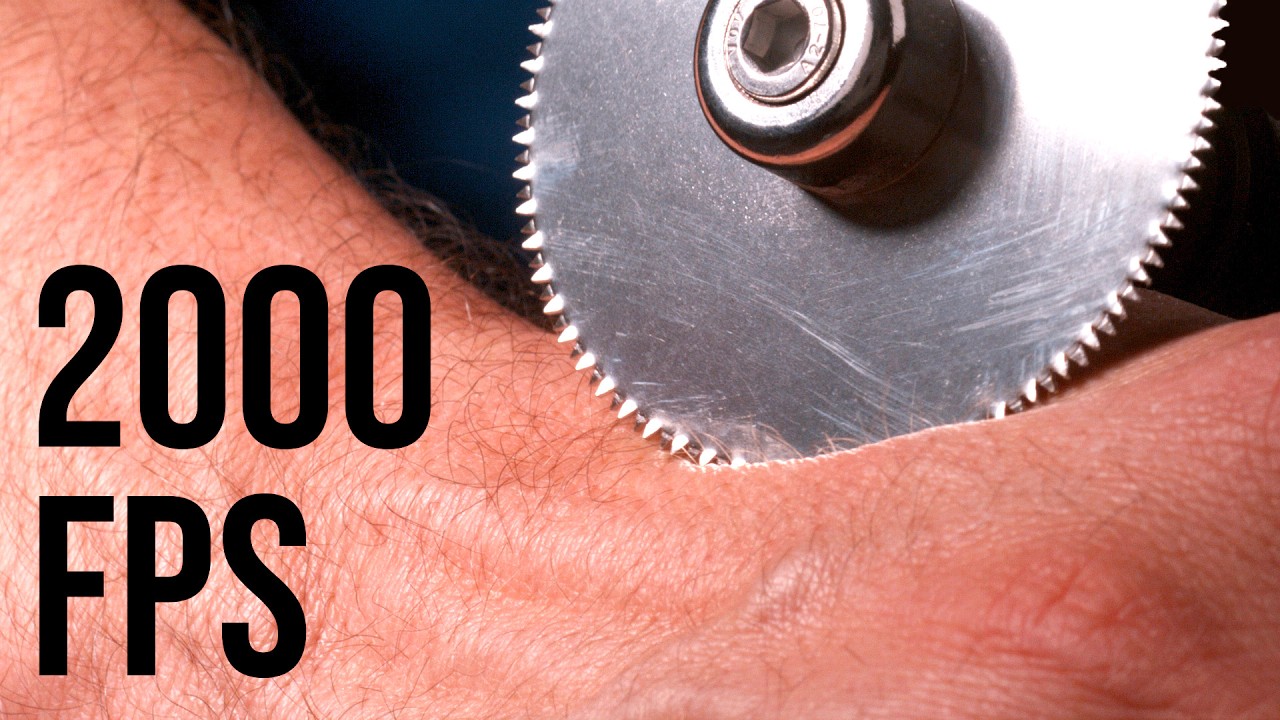
Image Source: i.ytimg.com
The Essential Tool for Plaster Cast Removal
When a bone fracture or injury requires immobilization, an orthopedic cast becomes a vital part of the healing process. These casts, typically made from plaster of Paris or fiberglass, provide crucial support and stability. However, once the healing is sufficiently advanced, these casts must be removed. This is where the cast saw, a piece of essential medical equipment, plays its starring role. Far from being a dangerous, crude instrument, the modern cast saw is a marvel of engineering designed for precision and patient safety.
Deciphering the Mechanism: The Heart of the Operation
At its core, the operation of a cast saw hinges on a clever application of physics. The device is essentially a specialized handheld saw, but its cutting mechanism is unique and distinguishes it from woodworking saws.
The Oscillating Blade: More Than Just a Blade
The defining feature of a cast saw is its oscillating blade. Unlike a traditional saw that spins or moves in a continuous linear motion, the cast saw blade moves back and forth rapidly in a small arc. This rapid side-to-side movement is what gives the blade its cutting power.
Vibration Frequency: The Key to Safe Cutting
The speed of this back-and-forth motion is determined by its vibration frequency. This frequency is precisely controlled and is typically quite high, measured in oscillations per minute. This high frequency is crucial for several reasons:
- Efficient Cutting: It allows the blade to quickly break down the tough material of the cast.
- Minimizing Heat: While friction is inherent, the rapid oscillation helps dissipate heat more effectively than a continuous rotational motion might, preventing discomfort or burns to the skin.
- Safety: This is perhaps the most critical aspect. The oscillating motion is designed to cut through hard cast material but to “skip” or slide over softer materials like skin or fabric.
The Cutting Action: A Delicate Dance
The cutting action of the cast saw is a delicate dance between blade and material. The oscillating blade doesn’t cut by slicing through like a knife. Instead, it works by abrasion and a sawing motion.
- Abrasion: As the blade vibrates, its sharp edges rub against the cast material. This rubbing action, combined with the force applied, gradually wears away the cast.
- Sawing: Simultaneously, the back-and-forth movement creates a sawing effect, breaking the cast into smaller pieces.
The blades themselves are often made from hardened steel or other durable alloys and come in various shapes and sizes to suit different cast materials and sizes. Some blades are designed for plaster, which is more brittle, while others are optimized for the tougher fiberglass casts.
The Cast Cutter: A Precision Tool
The term cast cutter is often used interchangeably with cast saw. This highlights its primary function: to cut and remove casts. However, the precision involved elevates it beyond a simple cutting tool. It’s a highly specialized piece of medical equipment or surgical tools designed with patient comfort and safety as paramount.
Why Not Just Use a Regular Saw?
The answer lies in the critical difference in cutting action. A regular saw, whether a hacksaw, a circular saw, or a jigsaw, operates with a continuous motion.
- Circular Saws: These spin, and their continuous rotation would quickly generate significant heat and could easily cut into the skin.
- Jigsaws/Hacksaws: While they have a back-and-forth motion, their stroke length is often much longer and their frequency lower, making them less efficient for cast material and potentially more hazardous to skin.
The cast saw’s short, rapid oscillation is the key to its safety. The blade is typically designed with teeth that are angled to create this efficient but safe cutting. When the blade encounters the cast, it bites into the material. When it encounters skin, the flexible nature of the skin allows it to yield, and the oscillating motion causes the blade to slide over the surface rather than cutting into it.
The Anatomy of a Cast Saw
A cast saw is a sophisticated device, and while the core principle remains the same, different models might have variations. However, most cast saws share common components:
- Motor: This is the powerhouse of the device, driving the oscillation of the blade. Motors can be electric (corded or cordless) or pneumatic.
- Oscillation Mechanism: This is the intricate gearing or linkage system that converts the motor’s rotational or linear motion into the rapid back-and-forth movement of the blade.
- Blade Holder/Chuck: This mechanism securely attaches the blade to the oscillation mechanism, allowing for quick and easy blade changes.
- Blade: As discussed, this is the cutting component, designed with specific tooth patterns and materials for cast removal.
- Housing: The casing of the saw, designed for ergonomic grip and durability, often featuring ventilation to prevent the motor from overheating.
- Power Source: This can be an electrical cord plugged into a wall socket, a rechargeable battery pack, or a compressed air line for pneumatic models.
Types of Cast Saws
While the fundamental working principle is the same, cast saws can be broadly categorized:
- Electric Cast Saws: These are the most common, powered by mains electricity or rechargeable batteries. They offer consistent power and are generally quiet. Battery-powered versions provide portability and convenience.
- Pneumatic Cast Saws: These are powered by compressed air. They are often found in environments where electrical power might be a concern or where a very high power-to-weight ratio is desired. They typically require an air compressor and hose.
The choice between electric and pneumatic often comes down to the specific clinical setting and personal preference.
The Process of Plaster Cast Removal
The removal of a cast is a routine procedure in orthopedics, and the cast saw is integral to this process. The procedure is generally straightforward and performed by trained medical professionals.
Preparation and Safety First
Before the cast saw is even brought out, careful preparation is essential:
- Informing the Patient: The healthcare provider will explain the procedure to the patient, including how the saw works and what they can expect to feel or hear. This helps alleviate anxiety.
- Protecting the Skin: A soft barrier, such as a cotton stockinette or a specialized undercast padding, is always placed between the cast and the skin. This is the primary layer of protection against the oscillating blade.
- Securing the Limb: The limb is held steady, usually by the healthcare provider or an assistant, to prevent any accidental movement that could cause the blade to contact the skin.
- Blade Selection: The appropriate blade for the cast material (plaster or fiberglass) and size is chosen.
The Actual Removal
Once the patient is prepared and the limb is stable, the cast saw is used:
- Blade Contact: The vibrating blade is brought into contact with the cast material.
- Cutting Through: The healthcare provider moves the saw steadily along the line where the cast needs to be opened. The oscillating blade efficiently cuts through the cast material.
- “Skipping” Over Skin: Crucially, as the blade cuts, it is angled slightly. The oscillation combined with this angle causes the blade to ride over any soft tissue it might encounter, rather than cutting into it. The protective padding underneath also plays a vital role in this.
- Gradual Separation: The cast is gradually cut into two or more sections.
- Removal of Sections: Once fully cut, the sections of the cast are carefully peeled or lifted away from the limb.
The entire process is remarkably quick and generally painless for the patient, primarily due to the design and safe operation of the orthopedic saw.
Comparing Cast Saw Blades: A Material Matter
The material of the cast itself dictates the type of blade that is most effective.
| Cast Material | Blade Characteristics | Why it Works |
|---|---|---|
| Plaster | Fine teeth, often slightly thinner | Plaster is more brittle and can be easily fractured. Finer teeth provide more contact points for abrasion. |
| Fiberglass | Coarser teeth, often more robust | Fiberglass is tougher and less brittle. Coarser teeth can penetrate and cut through the woven fibers more easily. |
Using the wrong blade can lead to inefficiency and increased risk of overheating or damaging the skin if not used with extreme care.
The Evolution of Cast Saws: From Primitive to Precise
The cast saw has a history of evolution, reflecting advancements in medical equipment and surgical tools. Early methods of cast removal were far more primitive, involving chisels, hammers, and even hacksaws. These methods were not only uncomfortable and time-consuming but also carried a significant risk of injury.
The development of the electric cast saw in the mid-20th century revolutionized the process. The introduction of the oscillating blade was the key innovation, allowing for a faster, safer, and more comfortable removal. Over the decades, these saws have become lighter, more powerful, and more ergonomic, with cordless models and improved blade designs enhancing their utility and user-friendliness.
Safety Considerations and Best Practices
While cast saws are designed for safety, like any powered tool, they require adherence to best practices:
- Proper Training: Only trained healthcare professionals should operate cast saws.
- Blade Condition: Blades should be inspected for damage or wear. A dull or damaged blade can be less effective and potentially more dangerous.
- Patient Comfort: Ensuring adequate padding and patient reassurance is crucial.
- Ventilation: Ensuring the saw’s ventilation ports are not blocked helps prevent motor overheating.
- Cleaning and Sterilization: Though not directly contacting the patient’s open tissues, proper cleaning protocols are essential for medical equipment.
The Role of the Cast Saw in Modern Orthopedics
The cast saw remains an indispensable tool in orthopedic practice. Its ability to efficiently and safely remove casts facilitates prompt rehabilitation and allows patients to move on to the next stage of their recovery. Without this specialized handheld saw, the process would be significantly more arduous for both patients and healthcare providers.
It’s a prime example of how targeted engineering can solve a specific medical challenge, transforming a potentially risky procedure into a routine and safe one. The next time you hear the distinctive hum of a cast saw, you’ll know it’s not just a noisy machine, but a carefully designed instrument working with precision to aid in healing.
Frequently Asked Questions (FAQ)
Q1: Can a cast saw cut my skin?
A1: While a cast saw is designed to cut hard cast material, it is engineered to “skip” or slide over softer materials like skin. When used correctly by trained professionals with proper padding underneath the cast, the risk of cutting the skin is extremely low.
Q2: Does removing a cast with a saw hurt?
A2: The cast saw itself does not typically cause pain. You might feel vibrations from the saw as it cuts through the cast. The sound can be loud, but healthcare providers will usually warn you before they start. The sensation is generally described as a buzzing or tickling feeling.
Q3: What is a cast saw made of?
A3: The blades of cast saws are typically made from hardened steel or other durable metal alloys to withstand cutting through plaster and fiberglass. The housing of the saw is usually made from durable plastic or metal.
Q4: How often should a cast saw blade be replaced?
A4: The frequency of blade replacement depends on usage and the type of material being cut. Healthcare facilities have protocols for replacing blades to ensure they remain sharp and effective for safe cast removal.
Q5: Can I use a regular saw to remove my own cast?
A5: Absolutely not. Regular saws are not designed for this purpose and pose a significant risk of severe injury to your skin, nerves, and blood vessels. Cast removal should only be performed by trained medical professionals using specialized cast saws.