
Can you drill stainless steel? Yes, you absolutely can drill stainless steel, but it requires the right approach, tools, and techniques to achieve clean, precise holes without damaging your material or your drill bit. Drilling stainless steel isn’t like drilling softer metals; it’s a process that demands patience and attention to detail.
Stainless steel, renowned for its corrosion resistance and strength, presents a unique challenge when it comes to drilling. Its inherent hardness and tendency to work-harden mean that standard drilling methods often lead to overheating, dull drill bits, and poor hole quality. This guide will walk you through the essential steps and provide expert tips for successful stainless steel drilling.
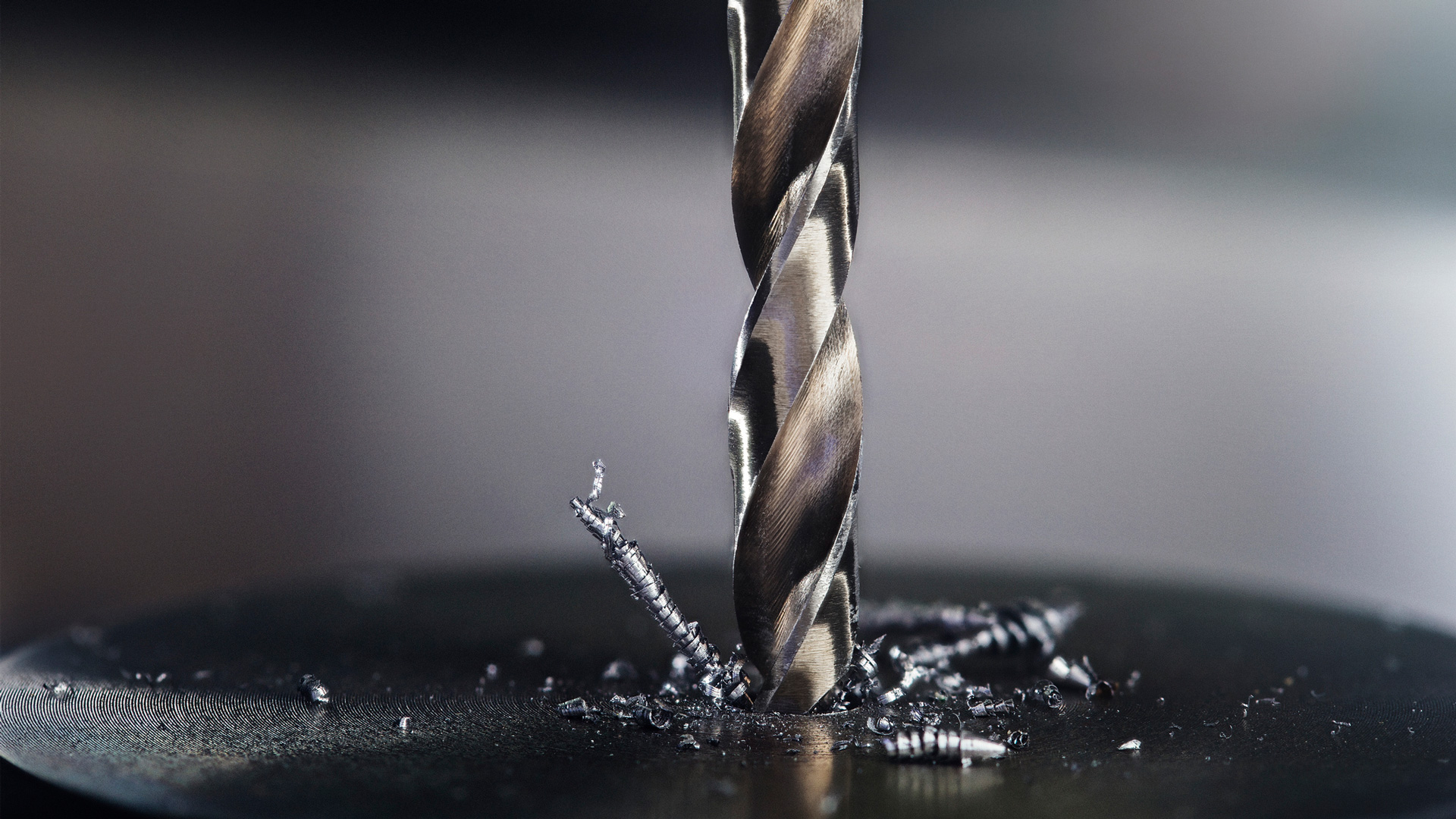
Image Source: rdbarrett.co.uk
Why is Drilling Stainless Steel Different?
Stainless steel’s alloy composition, particularly its chromium content, provides its protective passive layer. However, this also makes it a tougher material to machine.
- Hardness: Stainless steel is significantly harder than mild steel or aluminum. This means more force is required to penetrate the material.
- Work Hardening: As you drill into stainless steel, the metal around the hole can become even harder. This phenomenon, called work hardening, makes subsequent passes more difficult and can quickly wear down standard drill bits.
- Heat Conductivity: Stainless steel doesn’t dissipate heat as effectively as other metals. The friction generated during drilling can lead to rapid overheating of both the drill bit and the workpiece. Excessive heat is the primary enemy of a sharp drill bit and can lead to tool failure and poor hole quality.
The Right Tools for the Job: Best Drill Bits for Stainless Steel
Choosing the best drill bits for stainless steel is paramount. Standard HSS (High-Speed Steel) drill bits may struggle, especially with tougher stainless steel grades.
Drill Bit Materials
- High-Speed Steel (HSS): While basic HSS bits can work for very light-duty drilling in softer stainless steel grades, they are prone to rapid wear and overheating. Look for HSS bits with coatings.
- Cobalt Drill Bits: These are an excellent choice for drilling stainless steel. Cobalt is an alloy that significantly increases the hardness and heat resistance of HSS. Cobalt bits are visibly harder and will retain their sharp edge longer under high stress. They are often identified by their gold or bronze color.
- Carbide Drill Bits: For the toughest stainless steel alloys or high-volume production, solid carbide or carbide-tipped drill bits are superior. Carbide is extremely hard and can withstand higher temperatures, but it is also brittle and can chip if subjected to excessive side-loading or impact.
Drill Bit Coatings
Coatings can further enhance a drill bit’s performance in stainless steel.
- Titanium Nitride (TiN): A common coating that adds a golden-yellow color. It increases surface hardness and reduces friction, improving chip evacuation and extending bit life. Good for general use on stainless steel.
- Titanium Carbonitride (TiCN): Darker than TiN, this coating offers even greater hardness and abrasion resistance. It’s a better choice for harder stainless steels.
- Black Oxide: Offers some corrosion resistance and reduces friction, but it’s generally less effective for stainless steel than TiN or TiCN. It’s a budget-friendly option for occasional use.
- Zirconium Nitride (ZrN): Known for its excellent lubricity and high-temperature resistance, making it a good performer on stainless steel.
Drill Bit Types
- Standard Twist Drill Bits: The most common type. Ensure they have a sharp, well-formed point, typically 118° or 135°. A 135° split-point tip is often preferred for stainless steel as it reduces the tendency to “walk” across the surface and requires less starting pressure.
- Step Drills (Unibits): Useful for creating holes of increasing diameter or deburring existing holes. They can be effective for stainless steel if used at appropriate speeds and with a lubricant.
- Annular Cutters: Primarily used for larger diameter holes in thicker materials, often on magnetic drill presses. They cut with a shearing action rather than removing the entire core, which generates less heat and stress.
Essential Techniques for Drilling Stainless Steel
Mastering drilling stainless steel techniques involves more than just picking the right bit. It’s about controlling the process.
1. Proper Speed and Feed Rate
This is arguably the most critical factor.
- Speed: Stainless steel requires slower drill speeds than mild steel. High speeds generate excessive heat, which is the primary cause of drill bit failure.
- General Rule: Start with slower speeds than you would use for mild steel. A good starting point for a 1/4-inch cobalt bit in common stainless steel (like 304) might be around 200-300 RPM.
- Feed Rate: Apply consistent, steady pressure. Don’t force the drill, but don’t let it spin freely either. A good feed rate allows the bit to cut material rather than rub against it. You should see small, manageable chips being produced, not fine powder or smoke.
-
Drill Speeds for Stainless Steel: The optimal drill speeds for stainless steel depend on the diameter of the drill bit, the hardness of the stainless steel alloy, and the type of drill bit used.
- General Guideline Table (approximate RPM for a standard drill press):
Drill Diameter Soft Stainless Steel (e.g., 304) Harder Stainless Steel (e.g., 316, hardened) 1/8″ 400-600 RPM 200-300 RPM 1/4″ 250-400 RPM 150-250 RPM 1/2″ 100-200 RPM 75-125 RPM 1″ 50-100 RPM 40-60 RPM - Note: These are starting points. Always listen to the sound of the drill and observe chip formation.
2. The Crucial Role of Lubrication and Coolant
Coolant for drilling stainless steel is not optional; it’s essential. Drilling stainless steel generates significant heat, and a good cutting fluid serves multiple purposes:
- Cooling: It dissipates heat away from the cutting edge, preventing the drill bit from overheating and losing its temper.
- Lubrication: It reduces friction between the drill bit and the workpiece, allowing for smoother cutting and better chip evacuation.
-
Chip Evacuation: It helps wash away metal chips, preventing them from accumulating and re-cutting, which can cause further heat buildup and damage.
-
Types of Coolants:
- Cutting Oil/Fluid: Purpose-made cutting oils are ideal. Look for products specifically formulated for drilling hard metals. They offer excellent lubrication and cooling.
- Tapping Fluid: Often works well as a drilling lubricant for stainless steel due to its clinging properties and ability to reduce friction.
- DIY Mixtures: While not as effective as specialized fluids, a mixture of mineral oil and kerosene (use caution with flammability) or even vegetable oil can provide some lubrication in a pinch. Water-based coolants can sometimes cause rust on stainless steel if not cleaned off properly.
- Application: Apply the coolant generously and frequently to the drill bit and the workpiece. For stationary drilling, you can create a small dam of grease or clay around the hole to hold the coolant. On a drill press, a drip feed or mist system is very effective.
3. Chip Evacuation is Key
Proper chip removal is vital for successful stainless steel drilling. When chips don’t clear the hole, they clog the flutes of the drill bit, leading to:
- Increased friction and heat.
- Tool binding and potential breakage.
-
Poor surface finish in the hole.
-
Pecking: Regularly withdraw the drill bit from the hole while drilling. This is called “pecking.”
- How to Peck: Drill for a few seconds (or a short depth), then retract the bit completely out of the hole to clear the flutes. Reapply coolant, then re-enter the hole, drilling a bit further than before, and repeat the process.
- Depth: For smaller holes, a peck depth of 1/8 to 1/4 inch is usually sufficient. For larger holes, you might peck more frequently.
4. Starting the Hole Accurately
Stainless steel’s hardness can cause the drill bit to “walk” or wander before it bites into the material.
- Center Punch: Always use a sharp center punch to create a small indentation at your marked drilling location. This provides a guide for the drill bit’s tip.
- Pilot Hole: For larger diameter holes, drilling a smaller pilot hole first is highly recommended. Use a drill bit that is half the diameter of your final hole. This pilot hole guides the larger bit and reduces the cutting load.
- Drilling Jig or Fixture: For precision work or repetitive drilling, a drilling jig or fixture ensures the drill bit is perfectly perpendicular to the surface and prevents any lateral movement.
5. Maintaining a Consistent Angle
Keep the drill bit perfectly perpendicular to the surface of the stainless steel. Tilting the drill bit can cause it to bind, break, or create an oversized, oval hole. Use a speed square or angle finder to ensure accuracy, especially when working freehand.
Drilling Specific Types of Stainless Steel
The general principles apply, but some stainless steel alloys require extra care.
Drilling Hard Stainless Steel
Drilling hard stainless steel alloys (like tool steels or certain precipitation-hardening stainless steels) demands the most robust approach.
- Best Drill Bits: Cobalt or solid carbide bits are essential.
- Speeds: You will need to use the slowest possible drill speeds.
- Coolant: A high-quality, heavy-duty cutting fluid is critical.
- Pecking: More frequent pecking is necessary to clear chips from these tough materials.
- Sharpening: Ensure your drill bits are exceptionally sharp. A dull bit will fail rapidly in hard stainless steel.
Drilling Thick Stainless Steel
When drilling thick stainless steel, consider these points:
- Pilot Holes: Absolutely crucial for larger diameter holes to reduce the torque on your drill and guide the bit.
- Through-Hole: As you approach the end of the hole, reduce your feed pressure significantly. This prevents the drill bit from snagging and tearing the material as it breaks through the other side, which can damage the hole’s exit edge.
- Support: Ensure your workpiece is well-supported to prevent vibration, which can lead to inaccurate holes and premature tool wear.
Troubleshooting Common Stainless Steel Drilling Problems
Even with the best intentions, issues can arise. Here are common problems and their solutions:
-
Problem: Drill Bit Overheating / Smoking
- Cause: Too fast a speed, not enough lubricant, dull drill bit, insufficient pecking.
- Solution: Slow down the drill speed significantly. Apply more coolant. Retract the drill more frequently to clear chips. Ensure the drill bit is sharp. Consider a better quality drill bit or coating.
-
Problem: Drill Bit Snapped / Broke
- Cause: Excessive force, side-loading, drilling too fast, dull bit, drilling too deep without pecking.
- Solution: Use a slower speed and steadier feed. Avoid any side pressure on the bit. Ensure you’re pecking regularly. Use a sharper, more appropriate bit.
-
Problem: Hole is Rough / Not Round
- Cause: Dull drill bit, incorrect speed/feed, lack of lubricant, drill bit walking.
- Solution: Use a sharp, new drill bit (cobalt or carbide). Reduce speed and increase feed slightly. Apply more coolant. Use a center punch and pilot hole. Ensure the drill is perpendicular.
-
Problem: Drill Bit “Screaming” / Rubbing
- Cause: Too high a speed, not cutting (rubbing), lack of lubricant.
- Solution: Slow down the drill speed. Apply more coolant. Apply steady feed pressure to engage the cutting edges.
Stainless Steel Machining: Beyond Drilling
While this guide focuses on drilling, it’s part of the broader discipline of stainless steel machining. Successful machining of stainless steel, whether it’s milling, turning, or drilling, shares common principles:
- Sharp Tools: Always use sharp cutting tools.
- Appropriate Speeds & Feeds: Slower speeds and higher feed rates are generally preferred for stainless steel compared to mild steel.
- Coolant/Lubrication: Essential for heat management and chip control.
- Rigidity: Machine tools and workpieces need to be rigidly held to prevent vibration.
Cutting Stainless Steel
While not directly drilling, cutting stainless steel also requires specific approaches. For sheet metal, shears, angle grinders with cutting discs, or band saws with appropriate blades are used. Similar principles of using sharp tools, appropriate speeds, and managing heat apply. For thicker sections, specialized saws or waterjet/plasma cutters are employed.
Frequently Asked Questions (FAQ)
Q1: What is the best type of drill bit for stainless steel?
A1: Cobalt drill bits are generally considered the best all-around choice for drilling stainless steel due to their hardness and heat resistance. For very hard stainless steel or high-volume work, solid carbide drill bits are superior.
Q2: Can I use a regular HSS drill bit on stainless steel?
A2: You can, but it’s not ideal. Regular HSS bits will dull very quickly, overheat, and may struggle to make clean holes, especially in harder grades of stainless steel. If you must use HSS, opt for coated bits (like TiN) and use very slow speeds, plenty of coolant, and frequent pecking.
Q3: How slow should I drill stainless steel?
A3: Significantly slower than you would for mild steel. A good starting point for a 1/4-inch cobalt bit in 304 stainless is around 200-300 RPM. The exact speed depends on the drill bit diameter, the specific alloy, and your drill’s power.
Q4: Do I really need coolant for drilling stainless steel?
A4: Yes, coolant is essential. It lubricates the cutting edge, dissipates heat, and helps clear chips. Without it, you risk rapidly dulling or breaking your drill bit, and the workpiece can overheat.
Q5: How do I stop the drill bit from wandering on the stainless steel surface?
A5: Use a sharp center punch to create an indentation where you want to drill. For larger holes, drill a pilot hole first. Ensure the drill bit is sharp and you are applying steady, consistent pressure. A 135° split-point drill bit is also helpful.
Q6: What happens if I drill stainless steel too fast?
A6: Drilling too fast generates excessive heat. This leads to the drill bit’s cutting edges softening and dulling quickly, potentially causing it to snap or melt. It also results in a poor-quality hole and can damage the workpiece.
Conclusion
Drilling stainless steel correctly is a skill that is honed through practice and adherence to best practices. By selecting the right drill bits, employing appropriate speeds and feed rates, utilizing effective cooling and lubrication, and implementing proper techniques like pecking, you can achieve clean, precise holes every time. Remember that patience and control are your greatest allies when working with this robust and versatile material.