
Yes, you can drill a hole in a clay pot to improve drainage, a crucial step for plant health. Drilling a hole in a clay pot is a straightforward process that can significantly benefit your plants. This guide will walk you through the entire procedure, ensuring you can successfully create drainage holes in your terracotta and ceramic planters.
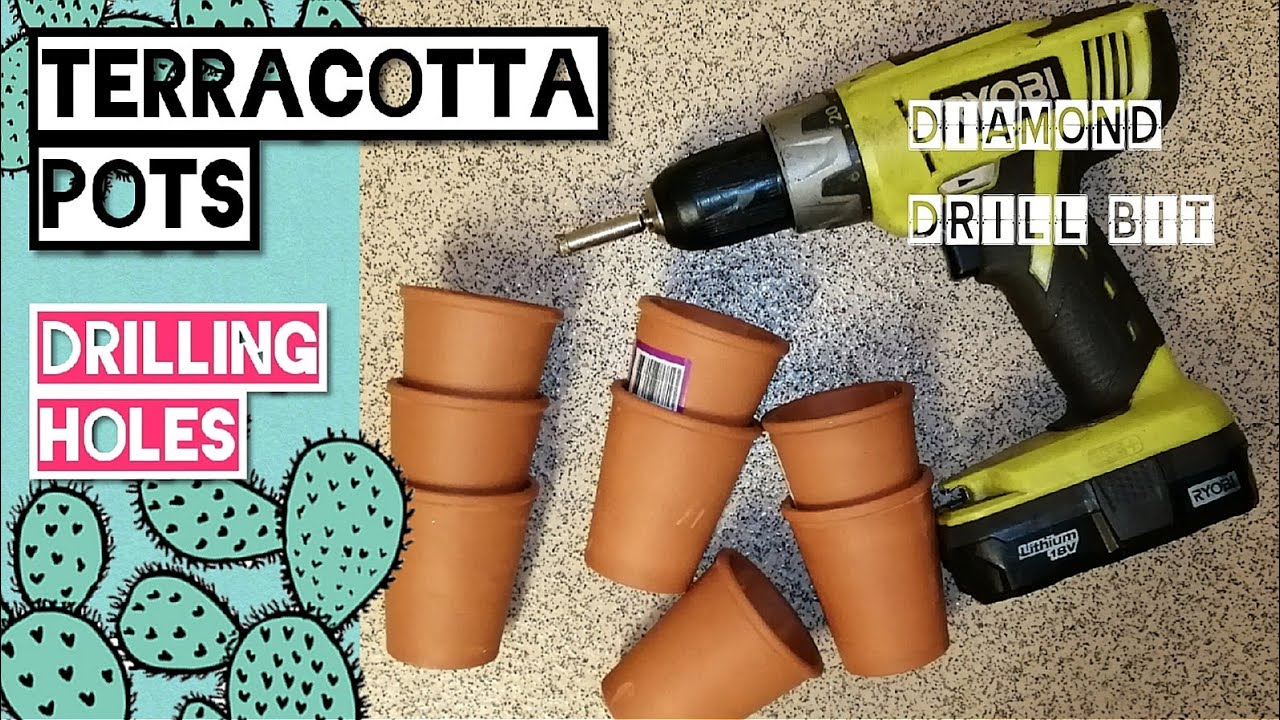
Image Source: i.ytimg.com
Why You Might Need to Drill a Hole in a Clay Pot
Clay pots, especially unglazed terracotta, are porous and allow for good air circulation around plant roots. However, many decorative clay pots are sold without drainage holes. Without proper drainage, water can sit at the bottom of the pot, leading to:
- Root Rot: Excess moisture suffocates plant roots, causing them to decay. This is a common killer of houseplants.
- Fungal Diseases: Damp conditions are a breeding ground for fungi that can harm your plants.
- Salt Buildup: As water evaporates from the surface, dissolved minerals can accumulate in the soil, creating a salty crust that can damage roots.
Adding drainage holes is a simple DIY solution to prevent these issues and keep your plants thriving. Whether you’re dealing with a beautiful but hole-less terracotta pot or a ceramic planter that needs better water management, this guide covers the essential pottery drilling techniques.
Essential Tools and Materials for Clay Pot Hole Drilling
Before you begin, gather the right tools. Using the incorrect tools can lead to cracking or shattering the pot.
Here’s what you’ll need:
- Clay Pot: The pot you intend to drill.
- Drill: A corded or cordless power drill.
- Drill Bit: The most critical component. For clay pot hole drilling, you need a bit specifically designed for masonry or tile.
- Masonry Bits: These have a carbide tip and are suitable for drilling into hardened materials like concrete, brick, and ceramic.
- Diamond-Tipped Bits: These are the best drill bit for clay pots, especially for harder ceramics or if you want a cleaner cut. They excel at cutting through brittle materials without much pressure.
- Water: Essential for cooling the drill bit and reducing dust.
- Sponge or Cloth: To keep the area wet.
- Masking Tape or Painter’s Tape: To prevent the drill bit from skipping.
- Safety Glasses: To protect your eyes from flying debris.
- Gloves: For a better grip and to protect your hands.
- A Stable Surface: A workbench, sturdy table, or even the floor, covered with a protective cloth or newspaper.
- Optional: Drill Press: For greater stability and precision, especially for larger pots or when drilling multiple holes.
Choosing the Best Drill Bit for Clay Pots
The success of your project hinges on selecting the right drill bit.
- For Terracotta: A sharp masonry bit with a carbide tip is usually sufficient for terracotta, which is relatively soft. Start with a smaller bit and work your way up if you need a larger hole.
- For Ceramic/Glazed Pots: Diamond-tipped bits are highly recommended. These bits are designed to cut through hard, brittle materials like tile and glass. They create less friction and heat, reducing the risk of chipping or cracking the glaze.
Table: Drill Bit Comparison for Clay Pots
| Drill Bit Type | Best For | Pros | Cons |
|---|---|---|---|
| Masonry Bit | Terracotta, softer ceramics | Readily available, cost-effective | Can generate more heat, potential for chipping |
| Diamond-Tipped Bit | Ceramic, glazed pots, tile | Clean cut, less heat, reduces cracking risk | More expensive, can wear down over time |
Understanding the Purpose of Water in Drilling
Water plays a vital role when drilling through clay. It acts as a coolant. As the drill bit spins, it creates friction, which generates heat. This heat can:
- Damage the drill bit, dulling its cutting edges.
- Cause the clay to overheat and crack or shatter.
Keeping the drilling area wet prevents both of these issues, ensuring a smoother process and a better result. It also helps to wash away the clay dust, making it easier to see your progress and reducing airborne particles.
Preparing Your Workspace and Clay Pot
Proper preparation is key to a safe and successful drilling experience.
Setting Up Your Workspace
- Choose a Well-Ventilated Area: Drilling can create dust, so opt for a space with good airflow, preferably outdoors.
- Protect Surfaces: Lay down old newspapers, a drop cloth, or an old towel to catch any water or clay debris.
- Secure the Pot: Place the clay pot on a stable, non-slip surface. If you’re using a workbench, ensure it’s clean. If the pot is wobbly, you might need to place it on a non-slip mat or wedge it gently with towels.
Preparing the Clay Pot
- Clean the Pot: Ensure the area where you plan to drill is free of dirt and debris. A clean surface makes it easier to mark your drilling spot and prevents grit from getting into the drill bit.
- Mark the Drilling Spot: Using a pencil or chalk, mark the exact spot where you want the hole to be. Usually, this is the center of the bottom of the pot. If you’re making multiple holes, space them evenly.
- Apply Tape: Place a piece of masking tape or painter’s tape over the marked spot. This tape provides a grip for the drill bit, preventing it from slipping when you start drilling. It also helps to minimize chipping on the surface. For extra stability, you can create a small “X” on the tape where you want to drill.
The Step-by-Step Clay Pot Hole Drilling Process
Now, let’s get to the actual drilling. Remember to work slowly and patiently. This isn’t a race.
Step 1: Secure the Pot and Your Position
Place the clay pot firmly on your protected workspace. Ensure it’s stable. You might want to sit or kneel comfortably so you have good control over the drill.
Step 2: Start Drilling with Water
- Wet the Area: Soak the area around your marked spot with water. You can also have a small bowl of water nearby to dip your sponge or cloth into and keep the area consistently wet.
- Begin Drilling Slowly: Place the tip of your chosen drill bit directly on the taped mark. Start the drill at its lowest speed setting. Apply gentle, steady pressure. Let the drill bit do the work. Avoid forcing it.
- Maintain Water Flow: As you begin to drill, water will be displaced. Periodically add more water to the drilling area using your sponge or cloth. You can also ask a helper to pour a very thin stream of water onto the bit as you drill.
Step 3: Drilling Technique and Depth Control
- Angle: Keep the drill bit as perpendicular (straight up and down) to the surface of the pot as possible. A slight angle is okay, but try to maintain control.
- Pressure: Apply consistent, light pressure. Too much pressure can cause the pot to crack or the drill bit to bind.
- Withdraw and Re-wet: After drilling a short distance (about ¼ inch or 5-6mm), gently pull the drill bit back out of the hole. This clears out the debris and allows you to re-wet the area and the bit. Re-apply water.
- Repeat: Continue this process – drill a little, pull back, re-wet, and drill again. This is the most important part of pottery drilling techniques for preventing overheating and breakage.
Step 4: Creating the Drainage Hole
Continue drilling, following the method described in Step 3. You will feel resistance change as you break through the clay.
- Terracotta: For terracotta, you might feel a slight crunch as you break through the other side.
- Ceramic/Glazed: For glazed pots, the initial drilling might feel slightly different through the glaze. Be extra patient.
As you get close to breaking through the other side, reduce your pressure even further and slow down the drill speed. This is when the pot is most vulnerable to cracking.
Step 5: Finishing the Hole
- Clear Debris: Once the drill bit has passed through, don’t immediately pull it out at high speed. Slowly withdraw the bit while the drill is still running at a low speed.
- Rinse the Pot: Rinse the pot thoroughly with water to remove all clay dust and debris from inside and around the new hole.
- Smooth Edges (Optional): If there are any rough edges around the hole, you can gently smooth them with fine-grit sandpaper or a small rasp. Be careful not to apply too much pressure.
Troubleshooting Common Issues
Even with careful preparation, you might encounter a few hiccups.
My Drill Bit is Slipping
Cause: The surface of the clay pot is smooth, and the drill bit doesn’t have enough grip to start.
Solution: Ensure you’ve applied the masking tape securely. Re-apply tape if it has become loose. You can also try making a small indentation with a center punch or a sharp nail at your marked spot. This provides a starting point for the drill bit.
The Clay is Chipping or Cracking
Cause: Too much pressure, drilling too fast, or the drill bit is overheating.
Solution:
* Reduce Pressure: Let the drill bit do the work. Don’t force it.
* Slow Down: Always start and continue drilling at a low speed.
* Keep it Wet: Ensure you are consistently wetting the drilling area and the drill bit. Take frequent breaks to re-wet.
* Use a Diamond Bit: If you’re using a masonry bit on a harder ceramic and it’s chipping, switch to a diamond-tipped bit.
The Drill Bit is Stuck
Cause: The bit has entered a denser part of the clay or has hit an internal flaw, and the debris hasn’t been cleared properly.
Solution: Stop drilling immediately. Slowly back the drill bit out of the hole. Make sure the area is well-wetted and clear out any accumulated clay dust from the bit flutes. Resume drilling at a slower speed with steady pressure.
Making Drainage in Planters: Best Practices for Success
Beyond the basic steps, here are some tips to ensure your clay pot hole drilling is as successful as possible.
Using a Drill Press for Precision
For those who need to drill multiple pots or desire extra precision, a drill press is an excellent investment.
- Stability: The drill press holds the drill bit securely and allows you to control the depth and angle with greater accuracy.
- Consistency: This ensures that all your drainage holes are uniform.
- How to Use:
- Secure the pot firmly under the drill press. You might need a jig or clamps to hold it in place.
- Set the drill press to its lowest speed.
- Adjust the depth stop if you have one, or visually monitor the progress.
- Apply water as you would with a handheld drill.
Drilling Multiple Holes for Better Drainage
For larger pots or for plants that require excellent drainage, you might consider drilling more than one hole.
- Spacing: If you drill multiple holes, space them evenly around the bottom of the pot. This ensures water can escape freely from all parts of the soil.
- Size: You can drill one larger hole or several smaller holes. Often, one central hole about ½ to ¾ inch (1.2 to 2 cm) in diameter is sufficient.
The Importance of Patience
This cannot be stressed enough. Fathoming the art of drilling clay pots is about patience. Rushing the process is the most common reason for failure. Take your time, enjoy the process, and your plants will thank you for it.
What to Do with the Dust
Clay dust, especially silica dust from certain types of clay and glazes, can be harmful if inhaled. Always wear a dust mask, even when using water to keep dust down. Dispose of the clay dust and water mixture responsibly.
Frequently Asked Questions (FAQ) about Drilling Clay Pots
Q1: Can I use a regular drill bit to drill a hole in a clay pot?
A1: It’s not recommended. Regular metal drill bits (like HSS bits) are designed for wood or metal and will likely dull very quickly or overheat and shatter the clay pot. You need a bit designed for hard, brittle materials.
Q2: What is the best size for a drainage hole in a clay pot?
A2: A hole around ½ to ¾ inch (1.2 to 2 cm) in diameter is usually sufficient for most standard-sized pots. For very large pots, you might consider a larger hole or multiple smaller holes. The key is to allow water to drain freely.
Q3: Do I need to drill holes in terracotta pots?
A3: While unglazed terracotta is porous and allows some evaporation through its walls, a drainage hole at the bottom is still highly recommended for proper water management and to prevent waterlogged soil.
Q4: Can I drill a hole in a glazed ceramic planter?
A4: Yes, but it requires extra care and the right tools. Diamond-tipped bits are essential for drilling through the hard glaze without cracking the pot. Always work slowly and keep the area wet.
Q5: How do I prevent a newly drilled hole from damaging plant roots?
A5: Once the hole is drilled and the pot is rinsed, you can place a piece of mesh screen or a coffee filter over the hole before adding soil. This allows water to drain but prevents soil and small roots from washing out.
Q6: Is it safe to drill terracotta with a hand drill?
A6: While possible, it’s significantly harder to control the speed and pressure with a hand drill compared to a power drill. If you use a hand drill, take extreme care to apply very gentle, consistent pressure and keep the area extremely wet. A power drill is the preferred method for safety and effectiveness.
Q7: What if my clay pot is very old and delicate?
A7: For very old or delicate pots, it might be best to seek professional advice or consider a different method for drainage, such as elevating the pot slightly on decorative feet to allow water to escape from the bottom rim, rather than drilling. If you must drill, use the slowest speed, the gentlest pressure, and diamond-tipped bits.
By following these detailed steps and best practices, you can confidently drill drainage holes in your clay pots, ensuring healthier plants and a more successful gardening experience. This simple DIY drainage holes clay pot technique is a game-changer for any plant enthusiast.