
Yes, you can drill a hole in a terracotta pot, even if it doesn’t come with one. This is a common and achievable DIY task that is essential for proper plant health.
Terracotta pots are porous and beautiful, but they often lack a drainage hole. Without adequate drainage, water can sit at the bottom of the pot, leading to root rot and other issues for your plants. Fortunately, creating a terracotta pot drainage hole is quite straightforward with the right tools and techniques. This guide will walk you through the entire process, from choosing the right drill bit to ensuring your pot doesn’t crack.
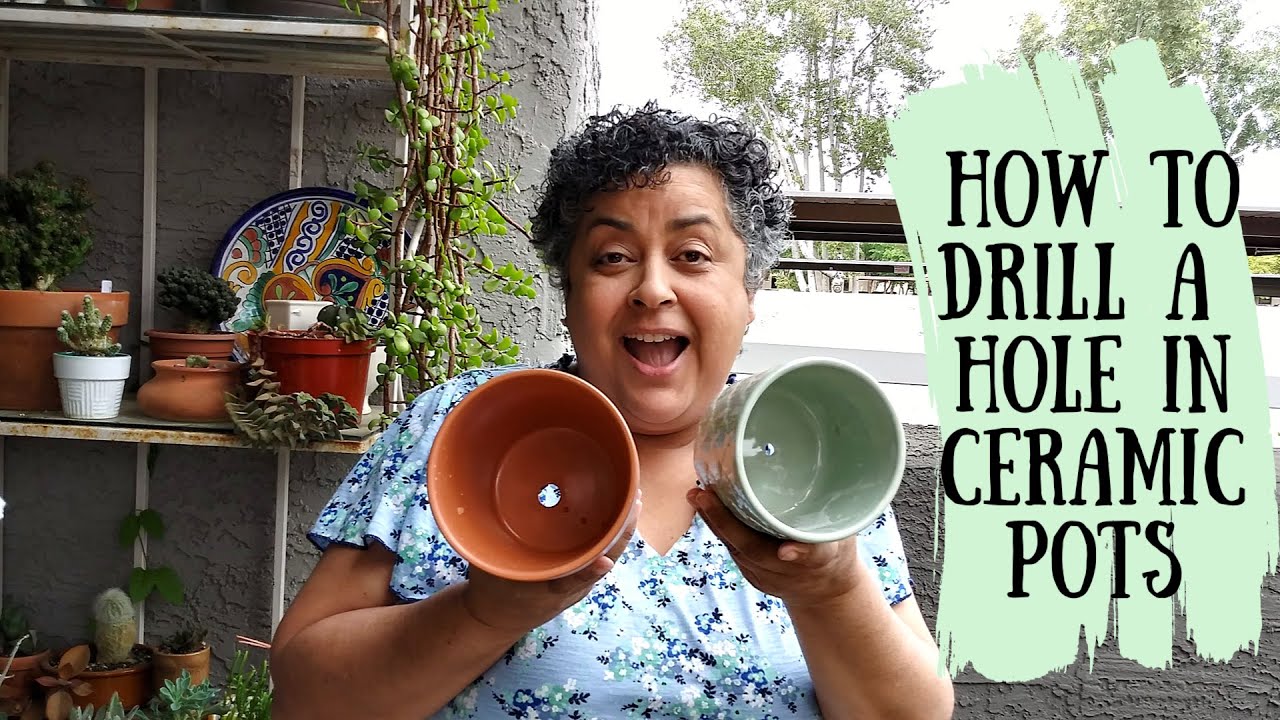
Image Source: i.ytimg.com
Why Drill a Hole in a Terracotta Pot?
Plants need air to their roots. When a pot has no drainage hole, water gets trapped. This trapped water can drown the roots, preventing them from getting the oxygen they need. This leads to root rot, a fungal disease that can kill your plants. A drainage hole allows excess water to escape, keeping the soil moist but not waterlogged. It’s the most critical step for happy, healthy plants in terracotta pots.
What You’ll Need
Gathering the right tools before you start makes the job much easier and safer. Here’s a list of what you’ll likely need:
- Terracotta Pot: The star of the show!
- Drill: A corded or cordless drill will work. A drill with variable speed settings is ideal.
- Ceramic Drill Bits: These are specially designed for drilling into hard, brittle materials like terracotta and ceramic. Look for bits with a spearhead or diamond tip.
- Safety Glasses: Protect your eyes from dust and debris.
- Gloves: Good for grip and keeping your hands clean.
- Water: To keep the drill bit and the pot cool. A spray bottle or a small cup works well.
- Masking Tape: To help prevent the drill bit from slipping and to reduce chipping.
- Marker: To mark the spot where you want to drill.
- Damp Cloth or Sponge: For cleaning up dust.
- Optional: Drill Press: For more stable and precise drilling.
- Optional: Protective Mat or Old Towels: To protect your work surface.
Choosing the Right Drill Bit
The type of drill bit you use is crucial for success. Standard wood or metal drill bits are too aggressive and will likely shatter the terracotta.
Ceramic Drill Bits
- Spearhead or Carbide-Tipped Bits: These are designed for drilling tile and ceramic. They have a pointed tip that scores the surface, allowing the bit to cut cleanly. They are a good choice for most terracotta pots.
- Diamond-Tipped Bits: These offer the best performance for very hard materials. They are essentially abrasive bits that grind away the material. While they can be more expensive, they are excellent for a clean, precise hole and can handle even the thickest terracotta.
A Note on Masonry Drill Bits: While some sources might suggest using a masonry drill bit, these are generally not the best option for terracotta. Masonry bits are designed for brick and concrete, which have a different composition than fired clay. They can cause excessive chipping and cracking. Always opt for bits specifically designed for ceramic or glass.
Preparing the Terracotta Pot
Proper preparation minimizes the risk of your pot cracking during the drilling process.
Position and Stability
- Stable Surface: Place the pot on a sturdy, flat surface. A workbench, a sturdy table, or even the floor can work, provided it’s stable.
- Prevent Slipping: If the pot is round on the bottom, it might roll. You can place it in a shallow bowl or a ring of sand to keep it from moving. Alternatively, a helper can hold it steady.
Marking the Spot
- Location: Decide where you want the drainage hole. Usually, this is in the center of the bottom of the pot.
- Marking: Use a marker to make a clear mark at the desired spot.
Applying Masking Tape
This is a key step to prevent the drill bit from “walking” or skidding across the smooth terracotta surface, which can lead to chipping.
- Create a Cross: Place a strip of masking tape pot in a cross shape over the marked spot. Ensure the tape is pressed down firmly.
- Reinforce: You can add another layer of tape for extra grip if needed.
- Redrill Mark: Make your mark again on top of the tape. This will give the drill bit a point to start on.
The Drilling Process: Step-by-Step
Patience and a gentle touch are your best friends when drilling terracotta.
Step 1: Setting Up Your Drill
- Speed: Use a slow speed drilling setting on your drill. High speeds generate too much heat, which can crack the terracotta. Many drills have a speed dial or trigger sensitivity for this.
- No Hammer Function: Ensure your drill is not set to the hammer function. Hammering drill terracotta will undoubtedly shatter it. You want a smooth, consistent rotation.
- Pilot Hole (Optional but Recommended): Before using your main ceramic drill bit, consider drilling a small pilot hole terracotta using a much smaller ceramic bit. This creates a starting point for the larger bit, further reducing the risk of slipping.
Step 2: Starting the Hole
- Position: Hold the drill perpendicular to the surface of the pot.
- Gentle Pressure: Begin drilling at a very slow speed. Apply light, consistent pressure. Let the drill bit do the work. Don’t force it.
- Engage the Mark: As the bit starts to bite into the tape and terracotta, you’ll feel it catch.
Step 3: Drilling Through
- Water Cooling: This is crucial! Terracotta gets hot when drilled, and heat is the enemy of brittle materials.
- Spray Bottle: Periodically spray water onto the drill bit and the area you are drilling. This cools the bit and lubricates the cutting action.
- Cup of Water: If using a drill press or have a helper, you can slowly lower the pot into a shallow dish of water so the drilling point is submerged. This offers excellent water cooling terracotta and dust suppression.
- Slow and Steady: Continue drilling at a slow speed, applying gentle, steady pressure.
- Listen and Feel: Pay attention to the sound and feel of the drill. If you hear a high-pitched squeal or feel excessive vibration, slow down and apply more water.
- Clear Debris: Occasionally lift the drill bit out of the hole to clear away dust and debris.
Step 4: Exiting the Hole
- Switch Sides (If Possible): If you can access the inside of the pot, once the drill bit starts to poke through the other side, switch to drilling from the inside out. This helps prevent chipping on the outer surface.
- Ease Up Pressure: As you get close to breaking through, reduce your pressure significantly. This prevents the final piece of terracotta from being ripped out forcefully, which can cause a jagged edge or a crack.
Step 5: Finishing Touches
- Clean Up: Once the hole is drilled, carefully remove the pot from its stable position. Use a damp cloth or sponge to wipe away any dust.
- Smooth Edges (Optional): If there are any rough edges around the hole, you can gently smooth them with a piece of sandpaper or a small rasp. Be careful not to apply too much pressure.
- Rinse: Give the pot a good rinse to remove any remaining dust.
Troubleshooting Common Issues
Even with the best preparation, you might encounter a few problems.
Pot Cracking During Drilling
- Cause: Too much speed, too much pressure, lack of water cooling, or using the wrong drill bit.
- Solution:
- If the crack is small and doesn’t compromise the pot’s structure, you might be able to perform a terracotta pot repair. For minor cracks, a strong adhesive like epoxy or a specialized ceramic glue can be used. For structural cracks, it might be best to use the pot for decoration or find a different one.
- For future attempts, review the preparation and drilling steps, focusing on slow speed, light pressure, and ample water.
Drill Bit Slipping
- Cause: Surface is too smooth, no masking tape, or starting too fast.
- Solution: Ensure you use masking tape as described above. Start drilling at a very slow speed and ensure the bit is firmly engaged with the tape before increasing speed slightly.
Excessive Heat
- Cause: Drilling too fast, not enough water.
- Solution: Immediately stop drilling, cool the bit and the pot with water, and resume at a slower speed.
Drilling Multiple Holes
If you need more than one drainage hole, space them out evenly around the bottom of the pot. For larger pots, two or three smaller holes might be better than one very large one, distributing the stress more evenly.
Using a Drill Press
A drill press offers superior stability and control, making it an excellent tool for drilling terracotta.
- Setup: Mount the pot securely on the drill press table. You might need to use clamps or a jig to hold it in place without applying pressure to the sides of the pot.
- Speed and Water: Set the drill press to its lowest speed setting. Use a water bath as described earlier for effective cooling.
- Feed Rate: Control the descent of the drill bit with the press handle, applying gentle and steady pressure.
Terracotta Pot Repair After Drilling
Sometimes, despite your best efforts, a small chip or crack might occur.
- Minor Chips: These can often be ignored or gently smoothed with fine-grit sandpaper.
- Small Cracks: For hairline cracks, a good quality waterproof adhesive or epoxy designed for ceramics can be effective. Clean the area thoroughly, apply the adhesive, and clamp or tape the area until it cures.
- Larger Cracks: If the crack is significant, it might weaken the pot’s structure. In such cases, the pot might no longer be suitable for holding soil and live plants. You could repurpose it as a decorative planter without drainage or use it for crafts.
Frequently Asked Questions (FAQ)
Can I drill a hole in a terracotta pot with a regular drill bit?
While it’s technically possible to attempt with a masonry bit, it’s strongly discouraged. You risk shattering the pot. Use specialized ceramic or diamond-tipped drill bits for the best results.
How big should the drainage hole be?
For most standard-sized pots, a hole between 1/2 inch and 1 inch in diameter is sufficient. If your pot is very large, consider two or three smaller holes instead of one large one.
Do I need to use water when drilling terracotta?
Yes, absolutely. Water is essential for cooling the drill bit and the terracotta, which prevents heat buildup that can cause cracking. It also helps to keep dust down.
My pot cracked! What should I do?
If the crack is minor and doesn’t affect the pot’s integrity, you can try a terracotta pot repair with epoxy or strong adhesive. For larger cracks, it’s safer to consider the pot decorative or for a different purpose. Review the steps to prevent this in the future.
Can I drill a hole in a glazed terracotta pot?
Yes, but it can be trickier. The glaze can be more prone to chipping. Ensure you use a diamond-tipped bit and plenty of water. Apply masking tape and start very slowly.
What if my drill doesn’t have a slow speed setting?
If your drill lacks a variable speed setting, you can often control the speed by how lightly you pull the trigger. Practice on a scrap piece of material first to get a feel for it. Avoid high-speed drilling at all costs.
Is it safe to drill a terracotta pot indoors?
It’s best to drill outdoors or in a well-ventilated area, especially if you aren’t submerging the pot in water. Terracotta dust can be harmful if inhaled. Always wear a dust mask if you’re concerned.
By following these guidelines, you can confidently drill a drainage hole in your terracotta pots, ensuring your plants thrive with proper aeration and drainage. Happy planting!