
Image Source: i.ytimg.com
How Do I Drill A Hole In A Rock Safely? Step-by-Step Guide
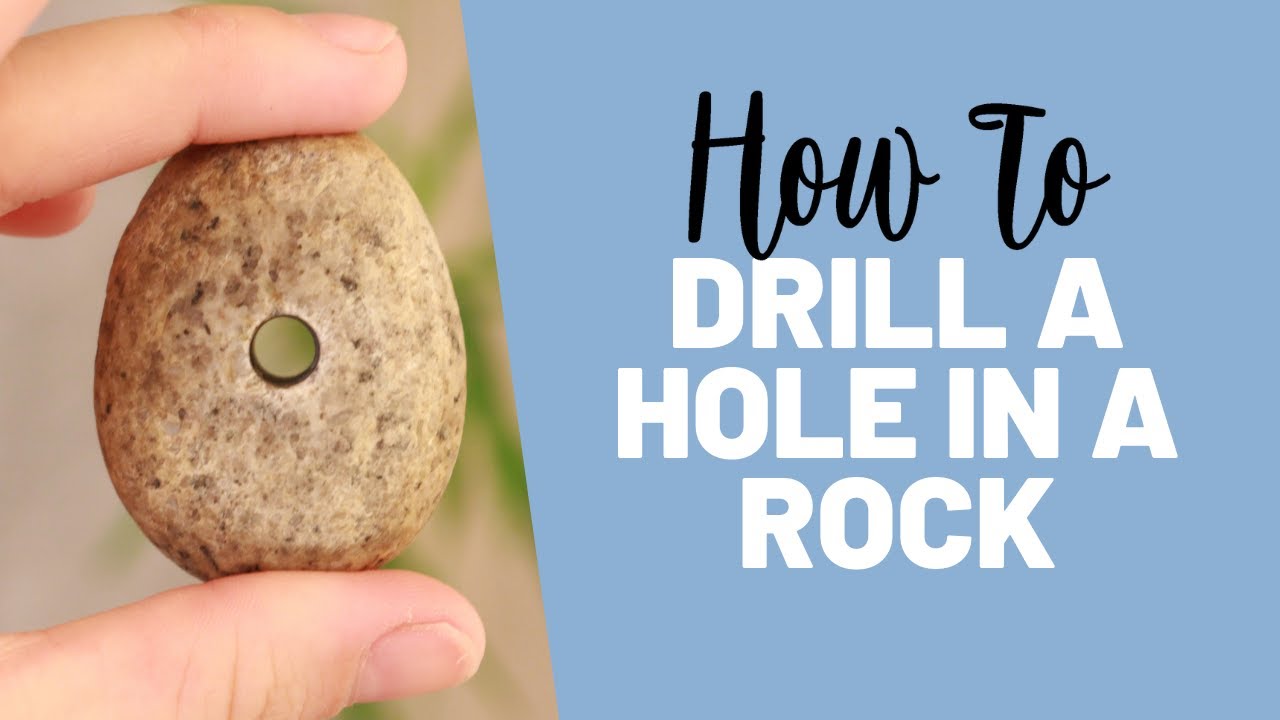
Can you drill a hole in a rock? Yes, you can drill a hole in a rock, but it requires the right tools, techniques, and a strong focus on safety. This guide will walk you through the process of creating holes in stone, whether you’re a DIY enthusiast or a professional. We’ll cover everything from choosing the best drill bits for rock to understanding rock drilling safety protocols.
Getting Started: Essential Drilling Equipment for Rocks
Before you even think about drilling, you need the right gear. Using household drills or the wrong bits can lead to frustration, broken tools, and even injury.
Choosing Your Drill
For drilling into harder materials like stone, a standard hammer drill is usually your best bet for DIY projects. A rotary hammer drill offers more power and is ideal for larger or more frequent tasks. For very hard stone or extensive work, a dedicated diamond core drill rig is the professional choice, offering precision and efficiency.
- Hammer Drill: Good for general-purpose drilling into masonry and softer rocks like sandstone.
- Rotary Hammer Drill: Offers higher impact force and rotation, suitable for denser rocks and larger holes.
- Diamond Core Drill Rig: The most powerful option, using a hollow diamond-tipped bit to cut through the hardest stone, like granite, with water cooling.
Best Drill Bits for Rock
The type of drill bit is crucial for successful rock drilling. Using the wrong bit will result in slow progress, overheating, and damage to both the bit and your drill.
- Carbide-Tipped Masonry Bits: These are excellent for softer stones like sandstone, brick, and some concrete. They have a hardened carbide tip that chips away at the material.
- Masonry or Concrete Bits: Similar to carbide-tipped bits, but may be less durable for harder rocks.
- Diamond Core Bits: These are the champions for drilling through hard stone. They have a cylindrical hollow core with diamond particles embedded along the cutting edge. They cut by grinding rather than chipping. These are often used with a continuous water supply to keep them cool and flush away debris.
Table 1: Drill Bit Selection Guide
| Rock Type | Recommended Drill Bit Type | Drill Type Needed | Notes |
|---|---|---|---|
| Sandstone | Carbide-Tipped Masonry Bit | Hammer Drill (minimum) | Start with a pilot hole. |
| Limestone | Carbide-Tipped Masonry Bit | Hammer Drill (minimum) | Can be dusty. |
| Granite | Diamond Core Bit | Rotary Hammer or Core Drill | Water cooling is essential. Use slow speeds for control. |
| Basalt | Diamond Core Bit | Rotary Hammer or Core Drill | Extremely hard. Requires patience and consistent cooling. |
| Slate | Carbide-Tipped Masonry Bit | Hammer Drill | Can be prone to splitting, drill slowly and with light pressure. |
| Concrete (dense) | Carbide-Tipped Masonry Bit or SDS bit | Hammer Drill or Rotary Hammer | Use the hammer function judiciously. |
Safety Gear: Non-Negotiable Essentials
Rock drilling safety is paramount. Without proper protection, you risk serious injury.
- Safety Glasses or Goggles: Protect your eyes from flying debris and dust.
- Hearing Protection: Drills can be very loud, especially hammer drills and rotary hammers.
- Dust Mask or Respirator: Rock dust, especially from harder stones like granite, can contain silica and is harmful to your lungs. Use a P100 respirator for best protection.
- Work Gloves: Protect your hands from vibrations, sharp edges, and potential slips.
- Sturdy Footwear: Protect your feet from dropped tools or rocks.
Mastering Rock Drilling Techniques: Step-by-Step
Now that you have your equipment, let’s delve into the techniques for creating holes in stone.
Step 1: Planning and Marking Your Hole
Careful planning prevents mistakes.
- Determine Hole Size and Depth: Decide exactly how large and how deep your hole needs to be.
- Mark the Location: Use a pencil, chalk, or a permanent marker to clearly mark the center of where you want to drill. For precision, you can use a center punch to create a small indentation, which will help prevent the drill bit from “walking” when you start.
- Assess the Rock Surface: Look for any existing cracks or weak points. It’s generally best to drill on a solid, flat surface.
Step 2: Setting Up for Success (and Safety!)
Proper setup is key to a safe and effective drilling experience.
- Secure the Rock: If possible, secure the rock you are drilling into. For smaller rocks, a vise or clamps can work. For larger installations, ensure the rock is stable and won’t move during drilling.
- Clear the Area: Remove any loose debris, tools, or anything that could be a trip hazard around your workspace.
- Prepare Your Drill:
- Insert the correct drill bit securely into the chuck.
- Set the drill to the appropriate mode. For hammer drills, select the “hammer” setting for masonry and stone. For rotary hammers, select the appropriate hammer and rotation combination. For diamond core bits without a hammer function, ensure it’s set to rotation only.
- If using a diamond core bit, connect your water supply. This is critical for cooling and dust suppression.
Step 3: The Drilling Process
This is where the action happens. Patience and a steady hand are vital.
Drilling with Carbide-Tipped or Masonry Bits (Sandstone, Softer Rocks)
- Start Slow and Steady: Begin drilling at a slow speed with minimal pressure. This helps the bit bite into the rock and prevents the bit from wandering.
- Engage Hammer Function: Once you have a small indentation (or if you used a center punch), engage the hammer function on your drill.
- Apply Steady Pressure: Apply firm, consistent pressure. Let the drill do the work. Avoid forcing the drill.
- Periodically Withdraw the Bit: Every 10-15 seconds, pull the drill bit back slightly while it’s still spinning. This helps clear dust and debris from the hole, preventing the bit from binding and overheating.
- Listen to Your Drill: If the drill sounds like it’s straining or overheating, stop and let it cool. You may be pushing too hard or drilling too fast.
- Cooling: While not as critical as with diamond bits, a quick spray of water into the hole periodically can help cool the bit and reduce dust.
Drilling Through Granite or Very Hard Stone with Diamond Core Bits
This method is a bit different and requires a more controlled approach.
- Water is Crucial: Ensure a continuous flow of water onto the drilling area. This cools the diamond bit, prevents it from overheating and degrading, and flushes away the slurry of rock particles and water.
- Pilot Hole (Optional but Recommended): For larger core bits, drilling a smaller pilot hole first can help guide the larger bit.
- Start at a Slight Angle: Begin drilling at a slight angle (around 45 degrees) to create an initial groove.
- Straighten Up: Once the bit has a good starting groove, gradually bring the drill to a perpendicular (90-degree) angle to the rock surface.
- Slow and Steady Speed: Use a moderate, consistent speed. High speeds can generate excessive heat.
- Apply Even Pressure: Apply consistent, even downward pressure. Let the diamond particles do the grinding.
- Maintain Water Flow: Never let the drill run dry. If using a specialized core drill rig, ensure the water reservoir is full.
- Withdraw and Clear: Periodically, withdraw the core bit to allow fresh water to enter the hole and to flush out the slurry.
- Patience is Key: Drilling through granite can take a significant amount of time. Do not rush the process.
Step 4: Finishing the Hole
Once you’ve reached the desired depth, it’s time to finish up.
- Withdraw the Bit: Slowly withdraw the drill bit from the hole while it’s still spinning. This helps to clean out any remaining loose material.
- Clean the Hole: Use compressed air or a hose to thoroughly clean the hole of any dust or debris.
- Inspect the Hole: Check the edges of the hole for any chipping or imperfections.
Special Considerations for Different Rock Types
Fathoming the nuances of drilling different types of stone will lead to better results.
Drilling Through Sandstone
Sandstone is generally softer and more porous than granite.
- Bits: Carbide-tipped masonry bits are usually sufficient.
- Technique: Start with a smaller bit for a pilot hole. Use the hammer function, but apply moderate pressure to avoid excessive chipping. Regular withdrawal of the bit to clear dust is important.
- Dust: Sandstone can be very dusty, so a good respirator is essential.
Drilling Through Granite
Granite is notoriously hard and requires specialized tools and techniques.
- Bits: Diamond core bits are the only effective option for clean, precise holes in granite.
- Technique: As detailed above, consistent water cooling is absolutely critical. Slow speeds and steady pressure are vital to prevent overheating and premature bit wear.
- Patience: Be prepared for this to be a time-consuming process.
Drilling Through Concrete
While concrete isn’t technically “rock,” it’s a common material that requires similar drilling methods.
- Bits: Carbide-tipped masonry bits or SDS bits are suitable. For reinforced concrete, a hammer drill or rotary hammer is necessary.
- Technique: Use the hammer function. For very hard concrete with aggregate, a rotary hammer is more efficient. Clear dust regularly.
Rock Drilling Safety: A Deeper Dive
Safety cannot be stressed enough. Let’s reinforce the critical aspects of rock drilling safety.
Personal Protective Equipment (PPE)
- Eye Protection: ANSI Z87.1 certified safety glasses or goggles are a must.
- Hearing Protection: Earplugs or earmuffs rated for the noise levels of your drill.
- Respiratory Protection: For any stone drilling, especially granite, silica dust is a major concern. Use a properly fitted N95 or P100 respirator.
- Hand Protection: Durable work gloves.
- Foot Protection: Steel-toed boots are recommended.
Tool and Equipment Safety
- Inspect Your Tools: Before each use, check your drill for any damage, frayed cords, or loose parts. Ensure bits are securely seated.
- Proper Ventilation: Work in a well-ventilated area, especially when dealing with dust.
- Electrical Safety: If using a corded drill, ensure the power cord is in good condition and never operate in wet conditions unless the drill is specifically rated for it. GFCI outlets are recommended.
- Securing the Workpiece: Never drill freehand on a rock that isn’t firmly secured.
Dust Control and Health
- Water Cooling: For diamond core drilling, water is not just for cooling; it’s also the primary method of dust suppression.
- Vacuum Systems: Some professional core drilling setups include vacuum systems to capture dust and water.
- Post-Drilling Cleanup: Clean up all dust and debris thoroughly after you finish.
Troubleshooting Common Drilling Issues
Even with the best preparation, you might encounter problems.
Drill Bit Not Cutting
- Cause: Dull bit, wrong bit for the material, insufficient speed or pressure, lack of cooling (for diamond bits).
- Solution: Ensure you have the correct bit type. Sharpen or replace carbide bits. For diamond bits, check water flow and speed. Apply steady pressure.
Drill Bit Binding or Sticking
- Cause: Dust buildup in the hole, drilling too fast, excessive pressure, drilling into a hidden crack.
- Solution: Withdraw the bit more frequently to clear dust. Reduce speed and pressure. If it feels stuck, try wiggling it gently while it’s still spinning. If it’s truly jammed, power off and carefully try to ease it out.
Overheating Bit
- Cause: Insufficient cooling (especially with diamond bits), drilling too fast or with too much pressure.
- Solution: Ensure adequate water flow for diamond bits. Let the bit cool down between drilling intervals. Reduce speed and pressure.
Chipping or Cracking Around the Hole
- Cause: Too much hammer action on brittle rock, drilling too fast, excessive pressure, existing fissures in the rock.
- Solution: Reduce or disable the hammer function for softer or brittle stones. Slow down your drilling speed and apply more controlled pressure. Sometimes, starting with a small pilot hole can help guide the bit and reduce stress.
Frequently Asked Questions (FAQ)
Q1: Can I use a regular drill bit for stone?
A: No, standard metal drill bits are not designed for drilling into stone. They will dull very quickly and will not penetrate hard materials effectively. You need specialized masonry or diamond bits.
Q2: How deep can I drill a hole in a rock?
A: The depth you can drill depends on the length of your drill bit and the power of your drill. Diamond core bits are available in various lengths, allowing for significant depth, but it’s a gradual process.
Q3: What is the best way to drill a clean hole in a rock?
A: For clean, precise holes, especially in hard stone, using a diamond core bit with a water cooling system is the best method. Slow speeds and steady pressure also contribute to a cleaner result.
Q4: How do I prevent dust when drilling rocks?
A: Water cooling is the most effective method for dust suppression, particularly with diamond core bits. For other types of bits, periodically wetting the area or using a vacuum attachment can help manage dust. Always wear a respirator.
Q5: Is it safe to drill a hole in a rock I found in my garden?
A: Yes, if you take the necessary safety precautions. Ensure the rock is stable, wear all appropriate PPE, and use the correct drill bits for the type of stone. Start slowly and apply steady pressure.
Conclusion
Creating holes in stone is an achievable task for any DIYer or professional with the right knowledge and equipment. By focusing on selecting the best drill bits for rock, utilizing appropriate rock drilling techniques, and strictly adhering to rock drilling safety protocols, you can successfully and safely drill through even the hardest materials. Remember, patience, the right tools, and safety gear are your keys to success in any stone drilling endeavor.