
Imagine biting into a juicy, home-grown tomato in the middle of winter. Or perhaps enjoying crisp lettuce from your own windowsill, even when the snow is falling outside. This dream of year-round fresh vegetables is within reach, but it often hinges on one crucial element: the right grow light.
Choosing grow lights for your vegetable garden can feel like navigating a maze. There are so many types, wattages, and spectrums to consider! It’s easy to get confused and wonder if you’re making the best choice for your plants. But don’t worry, we’re here to help you cut through the confusion.
In this post, we’ll break down the basics of grow lights specifically for vegetables. You’ll learn what makes a light good for plant growth, understand the different types available, and discover how to pick the perfect one for your needs. By the end, you’ll feel confident in your choice and ready to grow delicious veggies all year long.
Our Top 5 Grow Lights For Vegetables Recommendations at a Glance
Top 5 Grow Lights For Vegetables Detailed Reviews
1. GooingTop LED Grow Light
Rating: 9.1/10
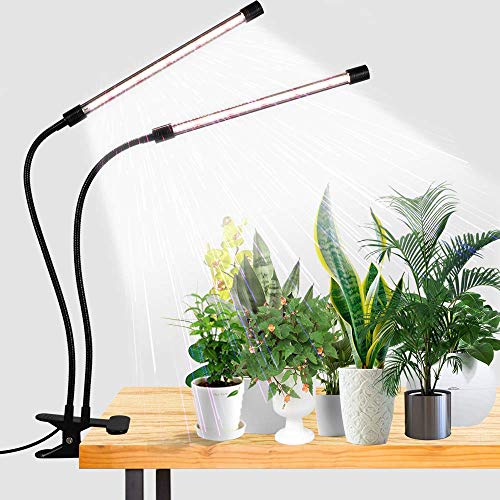
The GooingTop LED Grow Light is a versatile and efficient solution for indoor plant enthusiasts. It mimics natural sunlight with its 6000K full spectrum, featuring a blend of white and red LEDs. This lamp is designed to support the growth of your indoor plants, offering a soft, flicker-free light that’s also great for reading. Its user-friendly design makes it easy to install and adjust, providing the perfect light for your green companions.
What We Like:
- The 6000K full spectrum light, with 10 red and 74 white LEDs, closely resembles midday sunlight, promoting healthy plant growth.
- It boasts a high color rendering index of 95, making the light soft and pleasant, even suitable for use as a reading lamp.
- The convenient timer function allows you to set your light to turn on for 4, 8, or 12 hours within a 24-hour cycle, automating your plant care routine.
- Installation is a breeze thanks to the flexible gooseneck and strong clip, letting you position the light precisely where your plants need it.
- Powered by USB or an AC adapter, it offers flexibility in placement.
- This LED lamp is highly energy-efficient, consuming only about 10 watts while providing the equivalent light of a 50-watt halogen bulb, costing roughly $2 per month to run 12 hours a day.
- The lamp neck is stable and offers 360-degree adjustability, making it perfect for tabletop plants and ensuring even light coverage.
- GooingTop provides a 365-day warranty and friendly customer service, ensuring peace of mind.
What Could Be Improved:
- While the description mentions 5-level dimming, the provided features do not explicitly detail how to adjust the brightness levels.
- The product description focuses heavily on plants; its dual use as a reading lamp, while mentioned, could be further highlighted.
Overall, the GooingTop LED Grow Light is a fantastic choice for anyone looking to give their indoor plants a little extra boost. Its thoughtful design and energy efficiency make it a smart and practical addition to any home garden.
2. yentbokj Grow Lights for Indoor Plants
Rating: 9.0/10
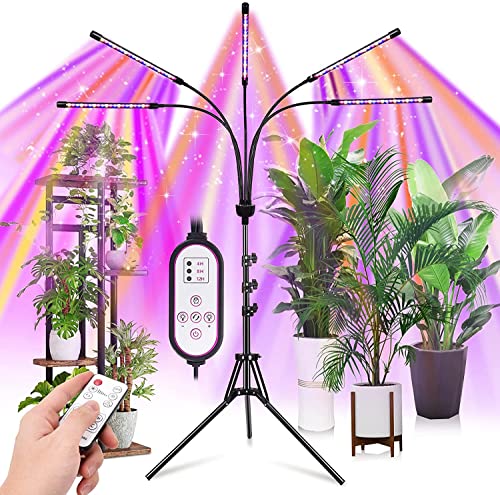
The yentbokj Grow Lights for Indoor Plants is a versatile and powerful lighting solution designed to help your indoor plants thrive. With its adjustable tripod stand, multiple light spectrum options, and smart timer functions, this grow lamp provides the perfect light for plants at every stage of growth, even in low-light conditions.
What We Like:
- The 15-63 inch adjustable tripod stand and 360-degree flexible goosenecks let you position the light exactly where your plants need it.
- You can choose between Red+Blue, White, or a Full Spectrum (White+Red+Blue) light to match your plants’ specific needs.
- Ten brightness levels, from 10% to 100%, allow for precise light control.
- The auto on/off timer function (4H, 8H, 12H) with remote control means you don’t have to remember to turn the light on or off every day.
- Assembly is super quick and easy – no complicated setups needed.
- The aviation-grade heat sink and aluminum shell ensure the light stays cool and lasts a long time (50,000 hours).
- Each of the five LED heads can be controlled separately, giving you even more control.
What Could Be Improved:
- While the tripod is adjustable, some users might prefer even greater height flexibility beyond 63 inches for very tall plants.
- The RF remote range of 30 meters is good, but for very large growing spaces, a longer range might be beneficial.
This yentbokj grow light is a fantastic tool for any indoor gardener looking to give their plants the best possible light. It’s easy to use, highly adjustable, and packed with features that make plant care simpler and more effective.
3. FREELICHT 1 Pack 4ft LED Grow Light

Rating: 8.6/10
The FREELICHT 1 Pack 4ft LED Grow Light is a fantastic tool for anyone looking to give their indoor plants the best light. It’s designed to mimic natural sunlight, which helps plants grow strong from the very beginning, through their leafy green stage, and even when they’re getting ready to bloom. This light uses less energy but gives you as much light as a much bigger, older type of grow light. It’s also very thin and light, making it super easy to set up. You can hang it or mount it on a surface, and it connects to other lights if you need more coverage. Plus, you don’t need to buy extra bulbs!
What We Like:
- The sunlike full spectrum light is great for all plant growing stages.
- It saves a lot of money on electricity bills because it uses only 60W but acts like a 350W light.
- The slim and light design makes installation quick and simple.
- You can choose to hang it or mount it on a surface, giving you flexible setup options.
- It’s perfect for many indoor plants in shelves, kitchens, greenhouses, and gardens.
- No need to buy replacement bulbs, which saves more money and hassle.
What Could Be Improved:
- While you can link up to 4 units, the initial pack only contains one light.
- The “350W Equivalent” is a comparison, and actual light output might vary slightly from a true 350W HPS.
This FREELICHT grow light offers a cost-effective and efficient way to boost your indoor plant growth. It’s a smart choice for plant lovers seeking better results with less effort and expense.
4. LEOTER Grow Light for Indoor Plants – Upgraded Version 80 LED Lamps with Full Spectrum & Red Blue Spectrum
Rating: 8.7/10
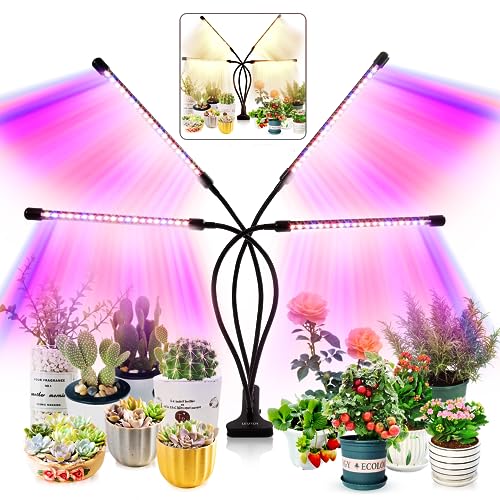
Give your indoor plants the light they crave with the LEOTER Grow Light. This upgraded version features 80 efficient LEDs that provide a full spectrum and red/blue light. It has a timer, dimmable levels, and an adjustable gooseneck, making it a versatile tool for plant lovers.
What We Like:
- The 80 LEDs offer a great mix of full spectrum, red, and blue light. This helps plants grow strong and produce flowers or fruits.
- The built-in timer with 3, 9, or 12-hour settings takes the guesswork out of lighting. Your plants get the right amount of light automatically, even when you’re busy or away.
- You can adjust the brightness with 10 different levels. This is perfect for plants at different stages of growth.
- The flexible gooseneck lets you position the light exactly where your plants need it. The sturdy clamp keeps it in place.
- It has a smart heat dissipation system to keep the light cool and safe.
- The USB connector makes it easy to power up from various sources.
What Could Be Improved:
- The timer needs to be reset if the grow light is turned off.
This LEOTER Grow Light is a fantastic option for anyone wanting to boost their indoor plant’s health and growth. It offers a lot of features at a great value.
5. SYEIORAOM Grow Lights for Indoor Plants

Rating: 8.9/10
The SYEIORAOM Grow Lights for Indoor Plants offer a powerful and flexible lighting solution for your green friends. This four-head LED lamp provides a full spectrum of light, including crucial red wavelengths, to mimic natural sunlight and boost plant growth. Its adjustable design makes it easy to position the light exactly where your plants need it most.
What We Like:
- The adjustable gooseneck and telescopic pole let you easily move the light closer or further from your plants.
- It has both white and red LED beads. The red light helps plants make food through photosynthesis.
- The full-spectrum light with 72 LEDs ensures your plants get all the light they need, even without sunshine.
- This light is designed for all stages of plant growth, from seedlings to fruiting plants.
- It’s super versatile and can be used in many places like balconies, living rooms, offices, or greenhouses.
- It’s especially helpful for growing plants in dark spots or during rainy days.
What Could Be Improved:
- The light might be too bright for very small seedlings if not positioned carefully.
- While it has many uses, it’s an additional piece of equipment to manage.
This SYEIORAOM grow light is a fantastic tool for any indoor gardener. It provides the essential light your plants need to thrive, no matter the season or your home’s natural light conditions.
Shine a Light on Your Veggies: The Ultimate Grow Light Buying Guide
Growing delicious vegetables indoors can be a rewarding experience. But without enough natural sunlight, your plants might struggle. That’s where grow lights come in! These special lights give your plants the energy they need to grow strong and healthy, even in the darkest corners of your home. This guide will help you choose the best grow lights for your vegetable garden.
Key Features to Look For
When you’re shopping for grow lights, keep these important features in mind:
- Spectrum: Plants need different colors of light to grow.
- Blue light helps with leafy growth and makes plants compact.
- Red light is important for flowering and fruiting.
- A good grow light will offer a full spectrum, meaning it provides a mix of colors that plants use most effectively. Look for lights that mention “full spectrum” or “broad spectrum.”
- Wattage (Power): This tells you how much energy the light uses. Higher wattage usually means more light output. For vegetables, you’ll generally need more powerful lights than for simple houseplants.
- PAR (Photosynthetically Active Radiation): This measures the light that plants can actually use for photosynthesis. Higher PAR values are better. Some lights will list their PAR output at different distances.
- Coverage Area: How big of an area can the light effectively cover? Make sure the light you choose is powerful enough for the number of plants you want to grow.
- Adjustability: Can you raise or lower the light? This is important because plants need different light intensity as they grow. You can move the light closer for seedlings and further away for mature plants.
- Cooling: Grow lights can get hot. Good lights have built-in fans or heatsinks to keep them from overheating. This protects your plants and makes the light last longer.
Important Materials
The materials used in grow lights affect their durability and performance:
- LEDs (Light Emitting Diodes): These are the most popular choice today. They are energy-efficient, last a long time, and produce less heat than older types of lights. High-quality LEDs are crucial for good performance.
- Housing: The casing of the grow light should be made of durable materials. Aluminum is often used because it’s lightweight and helps with heat dissipation.
- Reflectors: Some lights have reflectors to direct light down onto your plants. These are often made of shiny, reflective materials.
Factors That Improve or Reduce Quality
Several things can make a grow light better or worse:
- Improved Quality:
- High-quality LEDs: The brand and type of LEDs used make a big difference in light output and lifespan.
- Good heat management: Proper cooling prevents the light from burning out or damaging your plants.
- Even light distribution: A well-designed light spreads light evenly across your plants, so all of them get what they need.
- Energy efficiency: Lights that use less electricity while providing the same amount of usable light are a better investment.
- Reduced Quality:
- Cheap, low-quality LEDs: These might not provide the right spectrum of light or might burn out quickly.
- Poor heat dissipation: Lights that get too hot can harm your plants and fail prematurely.
- Uneven light patterns: Some lights create “hot spots” where plants get too much light and “dark spots” where they don’t get enough.
- Limited spectrum: Lights that only offer a narrow range of colors might not support all stages of plant growth.
User Experience and Use Cases
Grow lights are versatile tools for any indoor gardener:
- Starting Seeds: Seedlings need gentle, consistent light. A full-spectrum LED grow light on a lower setting is perfect for this.
- Growing Leafy Greens: Lettuces, spinach, and herbs thrive under lights that emphasize blue spectrum. You can grow these year-round!
- Fruiting Plants: Tomatoes, peppers, and strawberries need a good balance of blue and red light, especially when they start to flower and produce fruit. You might need a more powerful light for these.
- Supplementing Natural Light: If your windows don’t get enough sun, grow lights can give your plants the extra boost they need.
- Small Spaces: Grow lights are great for balconies, small apartments, or even kitchen countertops where you want to grow a few herbs or greens.
Choosing the right grow light means understanding your plants’ needs and the features of different lights. With a little research, you can find a light that will help your vegetable garden flourish!
Frequently Asked Questions About Grow Lights for Vegetables
Q: What is the most important thing to look for in a grow light for vegetables?
A: The most important thing is the light spectrum. Vegetables need a full spectrum of light, including blue and red, to grow well.
Q: Do I need a special type of light for vegetables?
A: Yes, you need a grow light designed for plants. Regular household lights don’t provide the right kind of light energy for photosynthesis.
Q: How close should I hang my grow light?
A: This depends on the light’s power and your plants. Seedlings need to be closer, while mature plants might need the light further away. Always check the manufacturer’s recommendations.
Q: Can I use one grow light for many plants?
A: Yes, but you need to make sure the light’s coverage area is large enough for all your plants and that it’s powerful enough for the types of vegetables you are growing.
Q: How long should I leave my grow lights on each day?
A: Most vegetables need about 14-16 hours of light per day. They also need a period of darkness, usually 8-10 hours, to rest and grow.
Q: Are LED grow lights better than other types?
A: Yes, LED grow lights are generally better because they are energy-efficient, produce less heat, and last much longer than older types of grow lights.
Q: What does “full spectrum” mean for a grow light?
A: “Full spectrum” means the light includes all the colors of light that plants need for different stages of growth, similar to sunlight.
Q: Will a grow light help my vegetables produce fruit?
A: Yes, especially lights with a good amount of red spectrum, which is important for flowering and fruiting.
Q: How do I know if my grow light is too hot?
A: If the light feels very hot to the touch, or if your plants’ leaves are wilting or turning brown near the light, it might be too hot or too close.
Q: Can I grow any vegetable indoors with a grow light?
A: You can grow many vegetables indoors, especially leafy greens, herbs, and smaller fruiting plants. Larger plants like pumpkins might be more challenging due to space and light requirements.
In conclusion, every product has unique features and benefits. We hope this review helps you decide if it meets your needs. An informed choice ensures the best experience.
If you have any questions or feedback, please share them in the comments. Your input helps everyone. Thank you for reading.