
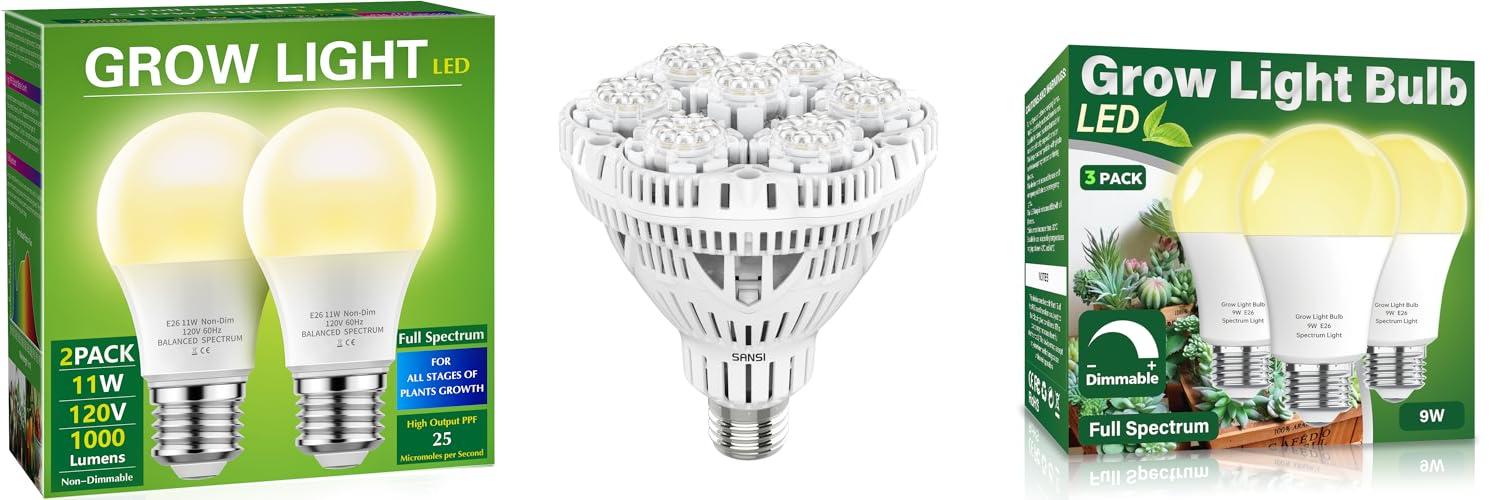
Imagine your favorite houseplants looking a little sad, their leaves pale and droopy, no matter how much you water them. You might be wondering why they aren’t thriving, especially if they don’t get enough sunshine. The answer is often simple: they need the right kind of light. But stepping into the world of grow light bulbs can feel like a jungle itself, with so many choices and technical terms that can make your head spin.
Choosing the perfect grow light bulb can be confusing. Do you need a special kind? What does “full spectrum” even mean? It’s easy to feel overwhelmed and make a choice that doesn’t give your plants the boost they need. You want your plants to be happy and healthy, and picking the wrong light bulb can be a frustrating setback.
But don’t worry! This blog post is here to clear the fog. We’ll break down what makes a grow light bulb work its magic for your plants. By the time you finish reading, you’ll understand the basics and feel confident about choosing the best light to help your green friends reach their full potential. Get ready to turn your indoor garden into a vibrant oasis!
Our Top 5 Grow Light Bulbs Recommendations at a Glance
| Image | Product | Rating | Links |
|---|---|---|---|
 |
Grow Light Bulbs | 8.6/10 | Check Price |
 |
SANSI Grow Lights for Indoor Plants Full Spectrum | 9.0/10 | Check Price |
 |
Wiyifada 3 Pack Full Spectrum Grow Light Bulbs | 9.1/10 | Check Price |
 |
mfxmf 2 Pack LED Grow Light Bulbs A19 Bulb | 8.7/10 | Check Price |
 |
SANSI LED Grow Light Bulb for Seeds and Greens | 8.6/10 | Check Price |
Top 5 Grow Light Bulbs Detailed Reviews
1. Grow Light Bulbs
Rating: 8.8/10
The Briignite LED Grow Light Bulb A19 Bulb is a full-spectrum grow light designed to help your indoor plants thrive. It mimics natural sunlight, providing the perfect light for all stages of plant growth, from starting seeds to fruiting vegetables like tomatoes and peppers. This bulb is an energy-saving option that won’t make your home look like a science experiment.
What We Like:
- It’s a full-spectrum light, just like sunshine. This helps plants grow at every stage.
- It uses only 11 watts but shines as brightly as a 100-watt traditional bulb. This saves a lot of money on electricity bills.
- The light is a natural white color (4000K), so your plants look good and your home stays nicely lit. No weird purple or red light!
- It’s made with plastic and aluminum for good cooling, so it lasts a long time.
- It fits into any standard E26 light socket, making it super easy to set up.
- The light output is efficient, meaning plants absorb more of the light they need.
What Could Be Improved:
- While it’s a great general light, very specific plant needs might require additional specialized lighting.
- The pack comes with two bulbs, which is great, but if you only need one, you’ll have a spare.
This Briignite grow light bulb is a fantastic choice for anyone wanting to grow plants indoors. It provides the right light, saves energy, and looks natural in your home.
2. SANSI Grow Lights for Indoor Plants Full Spectrum
Rating: 8.8/10
Bring the power of the sun indoors with the SANSI 36W Full Spectrum Grow Light Bulb. This powerful bulb mimics natural daylight, providing everything your plants need to thrive from seed to harvest. It’s designed to boost growth and improve the quality and yield of your indoor garden.
What We Like:
- Full Spectrum Daylight: The 4000K daylight setting perfectly imitates the sun, covering all the light colors plants need (400nm-780nm) for every stage of growth. It has a high color rendering index, making colors look natural.
- Efficient Light Distribution: The secondary optical lens focuses light where plants need it most. This means better light use and stronger growth, with a PPFD of 265.58 μmol/s/㎡ at 1 foot.
- Advanced Cooling: SANSI’s patented Chip on Ceramic (COC) technology uses ceramic instead of aluminum for better heat management. This makes the bulb last longer (25,000 hours) and work more efficiently.
- Safe and Durable: Made from special ceramic material, this bulb is flame-retardant and safe to use. Its design prevents electric shock, and it’s resistant to corrosion. It also emits less heat, so it won’t burn your plants even when close.
- Certified and Guaranteed: The bulb is ETL listed, meaning it’s tested and safe. You also get a 5-year protection plan for peace of mind.
What Could Be Improved:
- While powerful, the 36W might be best suited for smaller grow areas or as a supplementary light for larger setups.
- The unit is a bulb only, requiring a compatible fixture or lamp holder to be used.
The SANSI 36W Grow Light Bulb is a smart, safe, and effective choice for any indoor gardener looking to give their plants the best light possible. Invest in your plants’ health and watch them flourish.
3. Wiyifada 3 Pack Full Spectrum Grow Light Bulbs
Rating: 8.6/10
Tired of your indoor plants looking a little sad? The Wiyifada 3 Pack Full Spectrum Grow Light Bulbs are here to help! These A19 bulbs are designed to give your plants the light they need to thrive, no matter the season. They fit into regular E26 sockets, so you don’t need any special lamps. Plus, they save a lot of energy compared to old-fashioned bulbs.
What We Like:
- These bulbs are super energy efficient! They use only 9W but give off as much light as a 100W bulb, saving you over 85% on electricity.
- They provide a full spectrum of light (400-740nm), which is perfect for every stage of your plant’s life, from sprouting to flowering. This helps plants grow faster and healthier.
- The bulbs are built to last with plastic and aluminum for good cooling. They can even run for 24 hours without harming your plants, and they’re rated for 20,000 hours of use.
- Installation is a breeze. Just screw them into any standard E26 socket. No extra fixtures needed!
- These lights are great for all sorts of indoor growing. Use them in a greenhouse, on your kitchen counter for herbs and veggies, or to make your indoor flowers bloom.
What Could Be Improved:
- The description mentions they are “Dimmable,” but the specific dimming capabilities or requirements aren’t detailed.
- While they replace up to 100W, it’s worth noting that 9W is still a relatively low wattage, so for very large or demanding plants, multiple bulbs might be necessary.
These Wiyifada grow light bulbs are a smart and easy way to give your indoor plants the boost they need. They offer great value and performance for any plant lover.
4. mfxmf 2 Pack LED Grow Light Bulbs A19 Bulb
Rating: 8.7/10
Growing plants indoors can be a challenge, but the mfxmf 2 Pack LED Grow Light Bulbs are here to help. These A19 bulbs are designed to give your plants the light they need to thrive, no matter the season. They provide a full spectrum of light, mimicking sunlight, which is great for all stages of plant growth. Plus, they are energy-efficient, saving you money on your electricity bill.
What We Like:
- These bulbs are very energy-efficient. They use only 9W but can replace an 80W regular bulb, saving over 85% on energy.
- The full spectrum light (400-740nm) is perfect for all plant growth stages. It helps plants grow faster and healthier.
- They have a long lifespan of 20,000 hours, meaning they will last a long time.
- The bulbs are made with plastic and aluminum for good cooling, so they won’t overheat and harm your plants, even after 24 hours of use.
- Installation is super easy. They fit standard E26 sockets, so you don’t need any special fixtures.
- These lights work well in greenhouses, indoor gardens, and even for growing herbs and vegetables in your kitchen.
What Could Be Improved:
- The light output is described as 150-degree. Some plants might benefit from a wider or more focused beam depending on their specific needs.
- While they replace up to 80W, this is a comparison to traditional incandescent bulbs. It’s helpful to know the actual lumen output to compare with other LED grow lights.
These mfxmf LED grow light bulbs offer a simple and effective way to boost your indoor plant’s growth. They are a smart choice for anyone looking to bring a bit more green into their home.
5. SANSI LED Grow Light Bulb for Seeds and Greens
Rating: 8.9/10
This SANSI LED Grow Light Bulb 2-Pack is a game-changer for indoor gardeners. It’s designed to give your seeds and greens the perfect light they need to thrive, mimicking natural sunlight. This full-spectrum bulb is powerful, using only 10W but acting like a 150W bulb, saving you energy. It’s perfect for getting your plants started or keeping your greens happy all year round.
What We Like:
- The 4000K daylight color temperature is like natural sunlight, covering all the colors plants need to grow.
- It has a special lens that focuses the light better, making sure your plants get the most out of it.
- SANSI’s unique Chip on Ceramic (COC) technology makes the bulb run cooler and last longer, up to 25,000 hours.
- The bulb is made of safe ceramic material that won’t catch fire and is protected against corrosion, making it very reliable.
- It’s ETL listed and CE certified, so you know it’s safe and good quality.
- You get a 5-year warranty and 24/7 customer support.
What Could Be Improved:
- The 10W power might be a bit low for very large or mature plants that need intense light.
- The 2-pack might not be enough for a large indoor garden.
This SANSI grow light pack is an excellent choice for anyone wanting to grow healthy plants indoors. It provides the right kind of light and is built to last.
Your Guide to the Best Grow Light Bulbs
Growing plants indoors can be rewarding. You can have fresh herbs, beautiful flowers, or even vegetables year-round. But sometimes, your plants need a little extra help to thrive, especially when sunlight is limited. That’s where grow light bulbs come in. These special bulbs mimic sunlight, giving your plants the light they need to grow strong and healthy.
Key Features to Look For
When you’re picking out a grow light bulb, keep these important features in mind:
- Spectrum: Plants need different types of light for different stages of growth. Look for bulbs that offer a full spectrum. This means they provide a mix of red and blue light, which are crucial for photosynthesis (how plants make food). Some bulbs also include green and yellow light, which can help plants grow bushier and stronger.
- Wattage: This tells you how much power the bulb uses. Higher wattage generally means a brighter light. The right wattage depends on the size of your plant and how much light it needs. Small plants or seedlings might only need 15-30 watts, while larger or fruiting plants could need 100 watts or more.
- PAR (Photosynthetically Active Radiation): This is a measure of how much light is actually useful for plant growth. Higher PAR values mean more effective light. Look for bulbs that provide good PAR levels for your specific plants.
- Lifespan: Grow light bulbs can last a long time. Check the estimated lifespan, usually measured in hours. A longer lifespan means you won’t have to replace the bulb as often.
- Base Type: Most grow light bulbs use a standard screw-in base (like E26 or E27), which fits in regular lamps. Make sure the base type matches your lamp fixture.
Important Materials
Grow light bulbs are made with different technologies. The most common ones are:
- LED (Light Emitting Diode): These are very popular. They are energy-efficient, produce less heat, and last a long time. Many LED grow lights offer adjustable spectrums.
- Fluorescent: These are older but still a good option for seedlings and leafy greens. They are less expensive but use more energy and don’t last as long as LEDs.
- HID (High-Intensity Discharge): These include Metal Halide (MH) and High-Pressure Sodium (HPS) bulbs. They are very powerful and good for flowering and fruiting plants, but they produce a lot of heat and use more electricity.
Factors That Improve or Reduce Quality
Several things affect how good a grow light bulb is:
- Light Quality: A bulb with a balanced spectrum that matches your plant’s needs will produce better growth. Poor spectrum balance can lead to weak or leggy plants.
- Heat Output: Some bulbs get very hot. This can scorch your plants if they are too close. LEDs are much cooler than other types, which is a big plus.
- Energy Efficiency: A more efficient bulb uses less electricity to produce the same amount of light. This saves you money on your power bill.
- Durability: A well-made bulb will last longer and be more reliable.
User Experience and Use Cases
People use grow light bulbs for many reasons:
- Starting Seeds: Young plants need gentle light. A full-spectrum LED or fluorescent bulb is perfect for giving seedlings a strong start.
- Supplementing Natural Light: If your home doesn’t get enough sun, grow lights can fill the gap. You can use them for houseplants, herbs, or even small vegetable gardens on a windowsill.
- Growing Plants Year-Round: With grow lights, you can enjoy fresh produce or blooming flowers no matter the season.
- Specific Plant Needs: Different plants have different light requirements. Some need more blue light for vegetative growth, while others need more red light for flowering. You can choose bulbs designed for these specific needs.
Using grow lights is straightforward. You usually just screw them into a lamp or fixture and position them above your plants. The distance from the light to the plant is important. Too close can burn them, and too far can make them stretch for light.
Frequently Asked Questions (FAQs)
Q: What kind of grow light bulb is best for beginners?
A: For beginners, LED grow light bulbs are a great choice. They are energy-efficient, produce less heat, and offer a good range of light spectrums. They are also easy to use and don’t require special fixtures.
Q: Do I need a special lamp for grow light bulbs?
A: Most LED and fluorescent grow light bulbs use standard screw-in bases (like E26/E27) and fit in regular lamps. However, high-intensity HID bulbs often need special fixtures with ballasts.
Q: How close should I put my grow light to my plants?
A: The ideal distance depends on the bulb’s wattage and type. For most LED bulbs, start with 12-24 inches away. Always check the manufacturer’s recommendations and observe your plants for signs of stress (like wilting or leaf burn).
Q: Can I use a regular LED bulb for my plants?
A: Regular LED bulbs are not designed to provide the specific light spectrum plants need for growth. While they might offer some light, they won’t be as effective as a dedicated grow light bulb.
Q: How many hours a day should I run my grow lights?
A: Most plants need about 12-16 hours of light per day. Seedlings and leafy greens might need slightly less, while flowering or fruiting plants may need more. It’s good to give them a dark period too.
Q: What does “full spectrum” mean for grow lights?
A: Full spectrum means the light bulb emits a range of colors, similar to natural sunlight. This includes red and blue light, which are essential for photosynthesis, as well as other colors that help plants grow better.
Q: Are grow lights safe for my eyes?
A: Some grow lights can be very bright. It’s best to avoid looking directly into them for extended periods. If you’re working with powerful lights, wearing sunglasses can help protect your eyes.
Q: How do I know if my plant is getting enough light?
A: Signs of not enough light include plants stretching tall and thin (etiolation), pale leaves, or slow growth. If leaves are turning yellow or brown at the tips, the light might be too intense or too close.
Q: Can I use grow lights to dry herbs?
A: While grow lights provide light, they aren’t ideal for drying herbs. Drying usually requires good air circulation and low humidity, not intense light.
Q: How long do LED grow light bulbs typically last?
A: LED grow light bulbs are known for their long lifespan. Many can last for 25,000 to 50,000 hours or even more, which is significantly longer than other types of bulbs.
In conclusion, every product has unique features and benefits. We hope this review helps you decide if it meets your needs. An informed choice ensures the best experience.
If you have any questions or feedback, please share them in the comments. Your input helps everyone. Thank you for reading.