
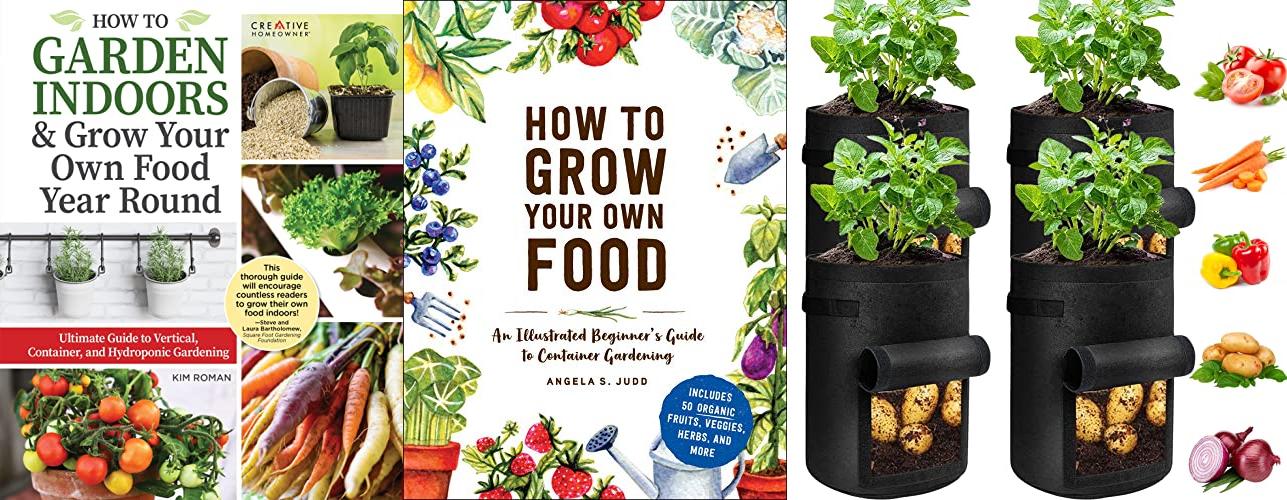
Imagine biting into a juicy, sun-ripened tomato you grew yourself, or the crisp snap of a bean fresh from your garden. Isn’t that a wonderful thought? But then comes the big question: what should you actually plant?
Choosing which garden vegetables to grow can feel overwhelming. You want to fill your plate with delicious, healthy food, but where do you even begin? So many plants look appealing, and you might worry about picking ones that won’t thrive in your yard or that will take too much work. It’s easy to get stuck, wondering if you’re making the best choices for your garden and your family.
Don’t let garden indecision spoil your harvest dreams! By the end of this post, you’ll have a clearer picture of fantastic vegetables perfect for home gardens. We’ll explore some easy-to-grow favorites and offer tips to help you pick the best ones for your space and your taste buds. Get ready to transform your garden into a bountiful source of fresh, homegrown goodness!
Our Top 5 Garden Vegetables To Grow Recommendations at a Glance
Top 5 Garden Vegetables To Grow Detailed Reviews
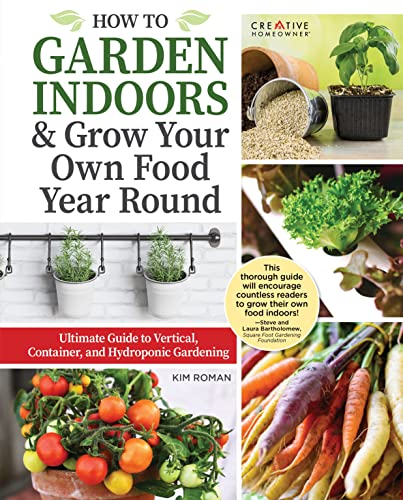
1. How to Garden Indoors & Grow Your Own Food Year Round: Ultimate Guide to Vertical
Rating: 8.8/10
Unlock the secret to fresh, homegrown food no matter the season with the “How to Garden Indoors & Grow Your Own Food Year Round” guide. This book is your ultimate resource for transforming any space into a productive garden. It covers everything from setting up vertical gardens on your walls to using containers on your balcony and even diving into the fascinating world of hydroponics. You’ll learn to grow delicious vegetables and fragrant herbs, tackle fun DIY projects, and even get started with composting. Plus, it sheds light on the best lighting options for your indoor growing adventures.
What We Like:
- It’s packed with practical advice for beginners.
- The guide explains different growing methods clearly.
- You’ll find helpful tips on choosing the right plants.
- It covers a wide range of topics, from soil to lighting.
- Growing your own food is rewarding and healthy.
What Could Be Improved:
- Some sections might feel a bit advanced for absolute beginners.
- More visual examples of successful indoor gardens would be great.
- The DIY project instructions could be more detailed in places.
This guide truly empowers you to start your indoor gardening journey with confidence. It makes growing your own food accessible and enjoyable, bringing the bounty of a garden right into your home.
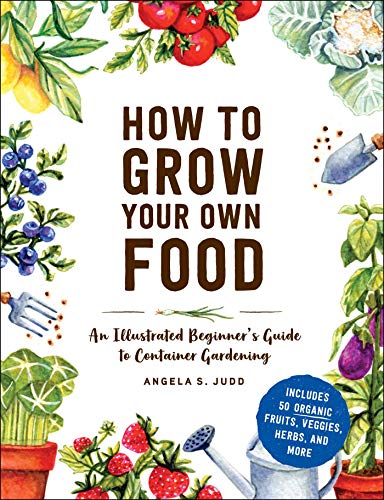
2. How to Grow Your Own Food: An Illustrated Beginner’s Guide to Container Gardening
Rating: 9.1/10
This “How to Grow Your Own Food: An Illustrated Beginner’s Guide to Container Gardening” is a fantastic resource for anyone wanting to start their own mini-garden, even with limited space. It breaks down the process of growing fresh food in containers into easy-to-understand steps, making it accessible for absolute beginners. You’ll learn the basics of what plants need to thrive and how to get started right away.
What We Like:
- The illustrations are very helpful and make learning fun.
- The guide clearly explains how to choose the right containers and soil.
- It covers a good variety of easy-to-grow vegetables and herbs perfect for containers.
- The instructions are simple enough for kids to follow along.
- It gives great tips on watering and sunlight needs for different plants.
What Could Be Improved:
- More advanced tips for troubleshooting common problems could be added.
- A section on pest control might be beneficial.
- A small index of plant problems and solutions would be useful.
This book empowers you to cultivate your own delicious produce. It’s an excellent starting point for anyone eager to experience the joy of harvesting food they’ve grown themselves.
3. JJGoo 4 Pack Potato Grow Bags 10 Gallon with Flap

Rating: 8.8/10
Grow your own delicious vegetables with the JJGoo 4 Pack Potato Grow Bags. These 10-gallon fabric bags are designed to give your plants the best environment to thrive. They are perfect for growing potatoes, onions, carrots, and many other veggies right in your garden or on your patio.
What We Like:
- These bags have great airflow. This means your plants’ roots get the air they need.
- The fabric keeps the soil moist but not too wet, which helps plants grow stronger.
- Each bag is a large 10 gallons, giving your veggies plenty of room to grow big and healthy.
- They have a special harvest window. You can easily check on your veggies and pick them without disturbing the whole plant.
- Strong handles make it easy to move the bags around, even when they are full of soil and plants.
- Unlike plastic pots, these fabric bags drain well. This stops roots from getting waterlogged and rotting.
- They are made of durable, BPA-free fabric that lasts for many growing seasons. You can use them year after year.
What Could Be Improved:
- The instructions suggest planting 4-6 seeds per bag. For some larger vegetables, you might want to plant fewer seeds to give them more space.
- While the fabric is durable, it might not be as rigid as a plastic pot, so you need to be mindful of placement.
These JJGoo grow bags offer a fantastic way to grow your own food. They provide a healthy space for plants to grow and make harvesting easy. You’ll love growing your own fresh vegetables with these convenient and durable bags.
4. CJGQ Fabric Raised Garden Bed 6x3x1ft Garden Grow Bed Bags for Growing Herbs

Rating: 8.9/10
Are you ready to start your own garden, even if you don’t have much space or great soil? The CJGQ Fabric Raised Garden Bed is a fantastic solution for growing your favorite herbs, colorful flowers, and tasty vegetables. This grow bag measures 6x3x1 feet and holds a generous 128 gallons, giving your plants plenty of room to thrive. It’s made from strong, non-woven fabric that’s built to last.
What We Like:
- Generous Size: The 6x3x1ft size offers plenty of space for a variety of plants, holding up to 128 gallons.
- Healthy Plant Growth: The fabric lets extra water drain away and lets air reach the roots, keeping your plants happy and healthy.
- Grow Anywhere: You can easily set up this garden bed and grow plants even in areas with poor soil quality.
- Organized Planting: The clever partition design divides the 18 square feet into 8 sections, making it simple to plant different things together without them crowding each other.
- User-Friendly: It’s incredibly easy to set up and start planting right away.
- Quality Assurance: CJGQ stands behind their products with good quality and helpful customer service.
What Could Be Improved:
- Durability Over Time: While made of durable fabric, long-term exposure to harsh weather might eventually affect its lifespan compared to rigid beds.
- Aesthetics: For those seeking a more polished look, fabric beds might not be as visually appealing as traditional wood or metal raised beds.
This fabric raised garden bed makes gardening accessible and efficient for everyone. It’s a smart way to enjoy fresh produce and beautiful blooms right in your own backyard.
5. MEKOLIFE Grow Bags 6Pack – 10 Gallon Potato Grow Bags with Window to Harvest

Rating: 9.1/10
Ready to level up your gardening game? The MEKOLIFE Grow Bags 6Pack offers a fantastic solution for growing a variety of plants, from potatoes and tomatoes to chili peppers and carrots. These 10-gallon fabric pots are designed with gardeners in mind, making it easier to grow delicious produce right at home.
What We Like:
- These bags are made from strong, breathable double-layer non-woven fabric. This keeps your plants happy by letting air in and stopping too much water from building up.
- A super handy harvest window lets you peek in and see how your veggies are doing. You can even harvest them without disturbing the whole plant!
- Moving your plants is a breeze thanks to the sturdy handles on both sides. Plus, the strong stitching on the bottom means you can trust them to hold up.
- You can grow almost anything in these! Potatoes, taro, radishes, carrots, onions, cucumbers, eggplants, strawberries, tomatoes, peppers, and even flowers will thrive.
- When the growing season is over, these bags fold up small for easy storage. You can use them again next year, saving you money and space.
What Could Be Improved:
- While the fabric is durable, some users might prefer a slightly thicker material for extreme weather conditions.
- The 10-gallon size is great for many plants, but larger root vegetables might benefit from even bigger options.
These MEKOLIFE grow bags are a smart and convenient way to enjoy home-grown goodness. They make gardening simple and rewarding.
Your Guide to Growing Delicious Garden Vegetables
Growing your own vegetables is a rewarding experience. You get fresh, healthy food right from your backyard. This guide helps you choose the best vegetables to grow for your garden.
Key Features to Look For
When picking vegetables, think about what you like to eat. Do you love salads? Then leafy greens are a great choice. Do you enjoy cooking hearty meals? Root vegetables like carrots and potatoes work well.
- Sunlight Needs: Most vegetables need at least six hours of sunlight each day. Check how much sun your garden gets. Some plants, like lettuce, can grow with a little shade. Others, like tomatoes and peppers, need full sun.
- Space Requirements: Some plants get big, like zucchini or corn. Others, like radishes, are small and quick. Make sure you have enough space for the plants you choose. Read the seed packets or plant tags. They tell you how much room each plant needs.
- Growing Season: Different vegetables grow best at different times of the year. Some like cool weather, like broccoli and peas. Others love the heat, like cucumbers and beans. Know your local climate. This helps you plant at the right time.
- Ease of Growing: Are you new to gardening? Start with easy-to-grow vegetables. Bush beans, radishes, and lettuce are good for beginners. They don’t need much special care.
Important Materials
You don’t need much to start growing vegetables.
- Seeds or Seedlings: You can buy seeds or small plants called seedlings. Seeds are cheaper. Seedlings give you a head start.
- Good Soil: Healthy soil is very important. You can buy potting soil or compost. Mixing compost into your garden soil makes it richer.
- Watering Can or Hose: Vegetables need water to grow. Make sure you can water them regularly.
- Basic Tools: A small shovel or trowel and gardening gloves are helpful.
Factors That Improve or Reduce Quality
Good gardening practices lead to better vegetables.
- Sunlight: Enough sunlight makes plants strong and productive. Too little sun can make plants weak and produce fewer vegetables.
- Water: Consistent watering is key. Water deeply, but don’t let the soil stay soggy. Too much or too little water can hurt your plants.
- Soil Health: Rich, healthy soil gives plants the nutrients they need. Poor soil can lead to small, unhealthy vegetables.
- Pest and Disease Control: Healthy plants resist pests and diseases better. Sometimes you might need to use natural pest sprays.
User Experience and Use Cases
Growing vegetables is a fun hobby. It’s also a great way to teach kids about where food comes from.
- Fresh Food: The best part is eating your own harvest! You get the freshest flavors. You can pick vegetables right before you cook them.
- Healthy Eating: Homegrown vegetables are often more nutritious. You know exactly what went into growing them.
- Gardening as a Hobby: Many people find gardening relaxing and rewarding. It connects you with nature.
- Cooking and Sharing: You can use your vegetables in all sorts of dishes. You can also share your extra harvest with friends and family.
Frequently Asked Questions (FAQ)
Q: What are the easiest vegetables for beginners to grow?
A: Easy vegetables include radishes, lettuce, bush beans, and cherry tomatoes. They grow quickly and don’t need much fuss.
Q: How much sunlight do most vegetables need?
A: Most vegetables need at least six hours of direct sunlight each day. Some, like leafy greens, can tolerate partial shade.
Q: What is the best type of soil for growing vegetables?
A: Well-draining soil that is rich in organic matter is best. You can improve your soil with compost.
Q: When is the best time to plant vegetables?
A: The best time depends on the vegetable and your local climate. Some plants like cooler weather, while others prefer warmth.
Q: How often should I water my vegetables?
A: Water when the top inch of soil feels dry. This might be every day in hot weather or every few days when it’s cooler.
Q: Can I grow vegetables in containers?
A: Yes! Many vegetables grow well in pots. This is great if you have limited space or a small yard.
Q: What are seedlings?
A: Seedlings are young plants that have already sprouted from seeds. They give you a faster start in the garden.
Q: How do I deal with pests on my vegetables?
A: Healthy plants are less likely to have pests. You can try washing pests off with water or using natural insecticidal soaps.
Q: What’s the difference between a vegetable and a fruit?
A: In gardening terms, we call vegetables the edible parts of plants like roots, stems, and leaves. Fruits, like tomatoes and peppers, develop from the flower of a plant and contain seeds.
Q: How much space do I need to grow vegetables?
A: The space needed varies by plant. Check the seed packet or plant tag for spacing information. Some plants need more room than others.
In conclusion, every product has unique features and benefits. We hope this review helps you decide if it meets your needs. An informed choice ensures the best experience.
If you have any questions or feedback, please share them in the comments. Your input helps everyone. Thank you for reading.