
Imagine your beautiful wooden deck or fence looking dull and worn out after just one season. It’s a common problem for homeowners, and the culprit often lies beneath the colorful topcoat. That’s where exterior primer for wood comes in, acting as the unsung hero of any successful outdoor painting project.
Choosing the right primer can feel like navigating a maze. You want your paint job to last, to protect your wood from sun, rain, and bugs, and to look fantastic for years. But with so many types of primers out there – oil-based, water-based, stain-blocking, adhesion-promoting – it’s easy to get overwhelmed and pick one that just doesn’t do the job. This can lead to peeling paint, wood rot, and a lot of wasted time and money.
But don’t worry! By the end of this post, you’ll understand exactly what exterior primer paint for wood does, why it’s so important, and how to pick the perfect one for your project. We’ll break down the different types, explain their benefits, and give you the confidence to make the best choice. Get ready to give your wooden surfaces the protection and beauty they deserve.
Our Top 5 Exterior Primer Paint For Wood Recommendations at a Glance
Top 5 Exterior Primer Paint For Wood Detailed Reviews
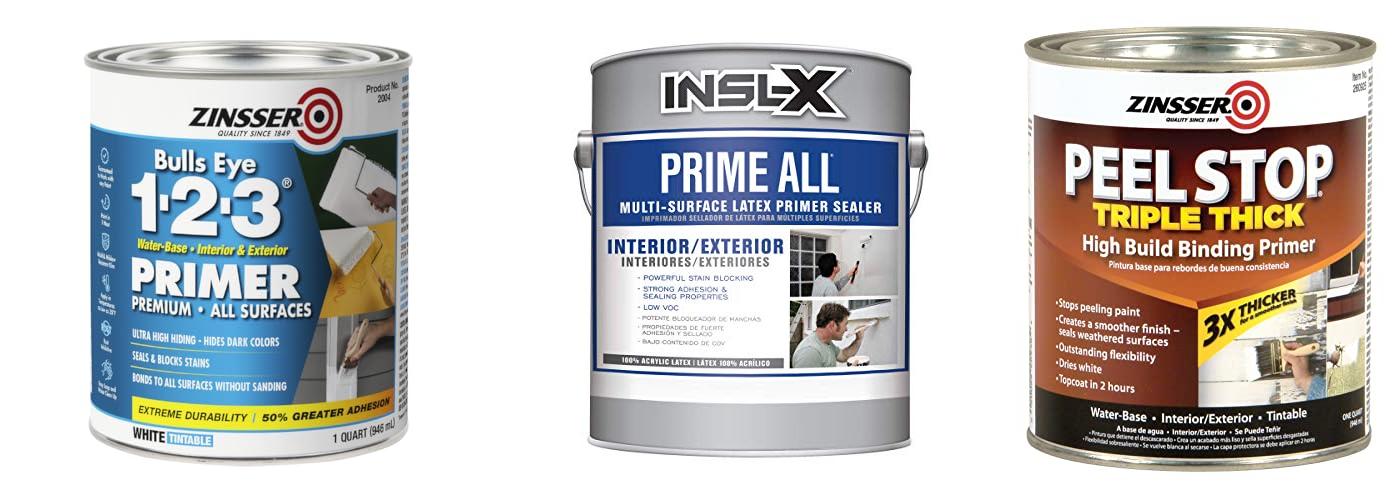
1. 1 Quart Bulls Eye 1-2-3 Primer Sealer Stain Killer

Rating: 9.4/10
This 1 Quart Bulls Eye 1-2-3 Primer Sealer Stain Killer is a real workhorse for your painting projects. It tackles tough jobs and helps your paint look its best.
What We Like:
- This primer works on almost any surface, inside or out.
- It sticks to shiny surfaces without needing to rough them up first.
- You can paint even when it’s a bit chilly, down to 35°F.
- It’s great at blocking stains from showing through your new paint.
- It stops rust, so you can use it on metal, too.
What Could Be Improved:
- It comes in a 1-quart size, so for very large projects, you’ll need multiple cans.
- While it bonds well, very porous or damaged surfaces might still benefit from some prep work.
The Bulls Eye 1-2-3 primer is a reliable choice that makes painting easier and gives a smoother finish. It’s a smart pick for anyone wanting professional-looking results.
2. INSL-X AP100009A-01 Prime All Multi-Surface Primer

Rating: 9.4/10
The INSL-X AP100009A-01 Prime All Multi-Surface Primer in White is a versatile painting helper. It’s a 100% acrylic primer that works on many different surfaces inside and outside your home. This primer seals surfaces well, making them ready for your topcoat of paint. It’s also easy to use and dries fast.
What We Like:
- It sticks to surfaces really well.
- It covers up stains like a pro.
- It dries quickly, so you can paint over it in just one hour.
- It helps prevent mildew from growing.
- It covers a large area, about 400-450 square feet with one gallon.
What Could Be Improved:
- It should only be used when the temperature is between 40°F and 90°F.
- It’s not meant for use on floors.
This primer is a strong choice for preparing walls and other surfaces for paint. It offers excellent adhesion and stain blocking, making your painting job smoother.
3. Zinsser Peel Stop Triple Thick High Build Binding Primer

Rating: 8.9/10
Tired of paint flaking off your walls? The Zinsser Peel Stop Triple Thick High Build Binding Primer is here to help. This primer is designed to tackle those stubborn peeling paint problems. It creates a smooth surface for your new paint. It also seals up old, weathered areas. This makes your painting job look much better.
What We Like:
- It stops peeling paint in its tracks.
- It creates a super smooth finish for a professional look.
- It seals up old, weathered surfaces, making them ready for new paint.
- It has great flexibility, so it can handle surfaces that might move a little.
- It dries to a clean white color, which is good for most paint colors.
What Could Be Improved:
- The “Triple Thick” name suggests it’s very thick, but it might not be as thick as some expect.
- Can be a bit messy to apply if you’re not careful.
This primer is a strong choice for anyone facing peeling paint or rough surfaces. It prepares your walls for a beautiful, long-lasting paint job.
4. Rust-Oleum 312283 Deck Start Wood Primer

Rating: 9.4/10
Revitalize your outdoor wood projects with Rust-Oleum 312283 Deck Start Wood Primer. This clear primer is a game-changer for decks, fences, docks, and furniture. It works on wood that’s weathered, worn, or already has a coating. You can use it under any solid exterior stain, paint, or topcoat. This primer makes your painting job much easier.
What We Like:
- Saves you time because you don’t need to sand or strip old paint.
- It sticks really well to surfaces, creating a strong bond for your new coat.
- Dries fast, letting you touch it in just 1 hour.
- Covers a large area, up to 450 square feet.
- You can even put it on damp wood, which means less waiting.
- It’s water-based and has low VOCs, so it’s better for the environment and has a mild smell.
- It looks milky white when you apply it but dries completely clear.
What Could Be Improved:
- You need to wait 1 to 2 hours before applying your solid color topcoat.
This primer is a smart choice for anyone looking to refresh their outdoor wood. It simplifies the process and gives you a great base for a beautiful, lasting finish.
5. Rust-Oleum 334019 Painter’s Touch 2X Ultra Cover Primer Spray

Rating: 9.3/10
Get your projects ready for paint with the Rust-Oleum 334019 Painter’s Touch 2X Ultra Cover Primer Spray in Flat White. This primer is a game-changer for anyone looking to create a smooth, even surface for their paint jobs. It works on almost anything! You can use it on wood, plastic, metal, and even things like plaster and unglazed ceramic. It’s perfect for both inside and outside projects.
What We Like:
- This primer works on many different surfaces like wood, plastic, metal, and masonry.
- Its oil-based formula is low odor, which is nice to work with.
- It resists chips and offers protection that lasts.
- You can touch it in just 20 minutes, so you don’t have to wait long.
- Each can covers about 12 square feet, making it efficient.
- The primer provides excellent coverage and goes on smoothly for a great finish.
- It’s sandable when wet or dry, giving you more options.
- The comfort spray tip and any-angle spray feature make it easy to use without getting tired.
- It dries fast, saving you time.
What Could Be Improved:
- This product cannot be sold or shipped to Catalina Island.
This Rust-Oleum primer helps your paint stick better and look its best. It’s a reliable choice for preparing surfaces for a beautiful, lasting finish.
Your Wood’s Best Friend: Choosing Exterior Primer Paint
When you want your wooden fences, decks, or trim to look great and last a long time, you need the right primer. Exterior primer paint for wood is like a shield and a glue. It prepares the wood for topcoat paint, making it stick better and protecting it from the weather. This guide will help you pick the best primer for your project.
What to Look For: Key Features of Exterior Wood Primer
1. Adhesion: The Grip of the Primer
Good primer sticks really well to the wood. This is called adhesion. It makes sure the paint on top won’t peel or flake off easily. Look for primers that promise excellent adhesion, especially if your wood is smooth or has been painted before.
2. Stain Blocking: Hiding the Imperfections
Some wood has natural stains, like knots or tannins, that can bleed through paint. A good stain-blocking primer stops these stains from showing up. This means your final paint job will look clean and uniform. If you’re painting over dark wood or wood with known stain issues, this feature is a must.
3. Moisture Resistance: Keeping Water Out
Wood can swell and shrink with changes in weather. Primer with moisture resistance helps protect the wood from water damage. It creates a barrier that keeps moisture from getting into the wood and causing rot or mildew. This is super important for anything outside.
4. Mildew Resistance: Fighting Off Grime
In damp or shady areas, mildew can grow on painted surfaces. Some primers have additives that fight mildew. This keeps your painted wood looking fresh and clean for longer, reducing the need for frequent repainting.
5. Durability: Standing Up to the Elements
Exterior primers need to be tough. They face sun, rain, snow, and wind. A durable primer holds up well over time. It won’t break down easily, giving your paint job a strong foundation.
What’s Inside Matters: Important Materials
1. Oil-Based vs. Water-Based (Latex)
Oil-based primers are known for their excellent adhesion and stain-blocking power. They create a hard, durable finish. However, they can be harder to clean up and have stronger fumes.
Water-based (latex) primers are easier to use and clean up. They are more flexible, which can be good for wood that expands and contracts. Many modern latex primers offer great stain blocking and durability.
2. Additives for Performance
Primers often contain special ingredients. These can include mildewcides to prevent mold and fungicides to protect against rot. Some also have fillers that create a smoother surface for paint.
Making the Grade: Factors That Improve or Reduce Quality
Factors That Improve Quality:
- Reputable Brands: Well-known brands often have better quality control and use better ingredients.
- High Solids Content: More “stuff” in the can means a thicker, more protective coat.
- Good Reviews: See what other users say about how well the primer performs.
Factors That Reduce Quality:
- Low Price (Too Good to Be True): Very cheap primers might cut corners on important ingredients.
- Poor Application: Not prepping the wood correctly or applying the primer too thinly can hurt its performance.
- Wrong Type for the Job: Using an interior primer outside, for example, will not work well.
Putting It to Work: User Experience and Use Cases
1. Getting Ready: Surface Preparation
Before you even open the can, clean your wood. Remove dirt, old paint, and any loose splinters. Sanding the wood helps the primer stick better. A clean, smooth surface is key for a great finish.
2. Applying the Primer
Use a good brush or roller. Apply an even coat. Don’t rush the drying time. Most primers need a few hours to dry completely before you paint over them. Check the can for specific instructions.
3. Where You Can Use It: Common Use Cases
- Fences: Protects against sun and rain, making paint last longer.
- Decks: Seals wood, preventing rot and giving a smooth surface for deck paint.
- Siding: Creates a uniform base for painting house siding.
- Trim and Doors: Seals knots and provides a smooth finish for detailed work.
- Outdoor Furniture: Extends the life and beauty of wooden chairs, tables, and benches.
Choosing the right exterior wood primer paint is an important step. It sets the stage for a beautiful and long-lasting paint job that will protect your wood from the elements.
Frequently Asked Questions (FAQ)
Q: What is the main purpose of exterior primer paint for wood?
A: Its main purpose is to prepare the wood for topcoat paint, help the paint stick better, and protect the wood from weather damage.
Q: Can I use interior primer outside?
A: No, you should not use interior primer outside. Exterior primers are made to withstand harsh weather conditions.
Q: How often should I prime my wood?
A: You should prime wood whenever you are painting it for the first time or if the old paint is peeling and you are starting fresh.
Q: Do I need to sand my wood before priming?
A: Yes, sanding your wood before priming usually helps the primer stick better, especially if the wood is smooth or has a glossy finish.
Q: How long does exterior primer take to dry?
A: Drying times vary, but most exterior primers need at least a few hours to dry to the touch before you can paint over them. Always check the product label for specific drying times.
Q: What’s the difference between oil-based and water-based primers?
A: Oil-based primers generally offer better adhesion and stain blocking but are harder to clean up. Water-based (latex) primers are easier to use and clean up and are more flexible.
Q: Will primer cover up dark stains or knots in the wood?
A: A good stain-blocking primer will cover up dark stains and knots, preventing them from showing through the topcoat paint.
Q: How many coats of primer should I apply?
A: Usually, one good coat of primer is enough. However, if the wood has very dark stains or is very absorbent, you might need a second coat.
Q: Can I paint directly over primer without a topcoat?
A: While primer does offer some protection, it is not designed to be the final finish. A topcoat of exterior paint provides better color, durability, and protection.
Q: What should I do if the primer is not sticking to the wood?
A: This could be due to poor surface preparation, the wrong type of primer, or the wood being too wet. Clean the surface again, ensure it’s dry, and consider using a primer specifically designed for difficult surfaces.
In conclusion, every product has unique features and benefits. We hope this review helps you decide if it meets your needs. An informed choice ensures the best experience.
If you have any questions or feedback, please share them in the comments. Your input helps everyone. Thank you for reading.