
Ever wondered why some live music sounds crystal clear and others are a muddy mess? Often, the unsung hero is something called a DI box. It’s a small but mighty tool that helps your instruments, like guitars and keyboards, connect smoothly to big sound systems without losing their awesome sound.
But picking the right DI box can feel like a puzzle! You might be confused by all the different types and what they do. Maybe you’ve had buzzing noises or weak signals that ruin your performance. We get it, and that’s why we’re here to help clear the air.
By the end of this post, you’ll understand DI boxes like a pro. You’ll know what makes them tick and how to choose the perfect one for your needs. Get ready to say goodbye to sound problems and hello to fantastic audio!
Our Top 5 Di Box Recommendations at a Glance
Top 5 Di Box Detailed Reviews
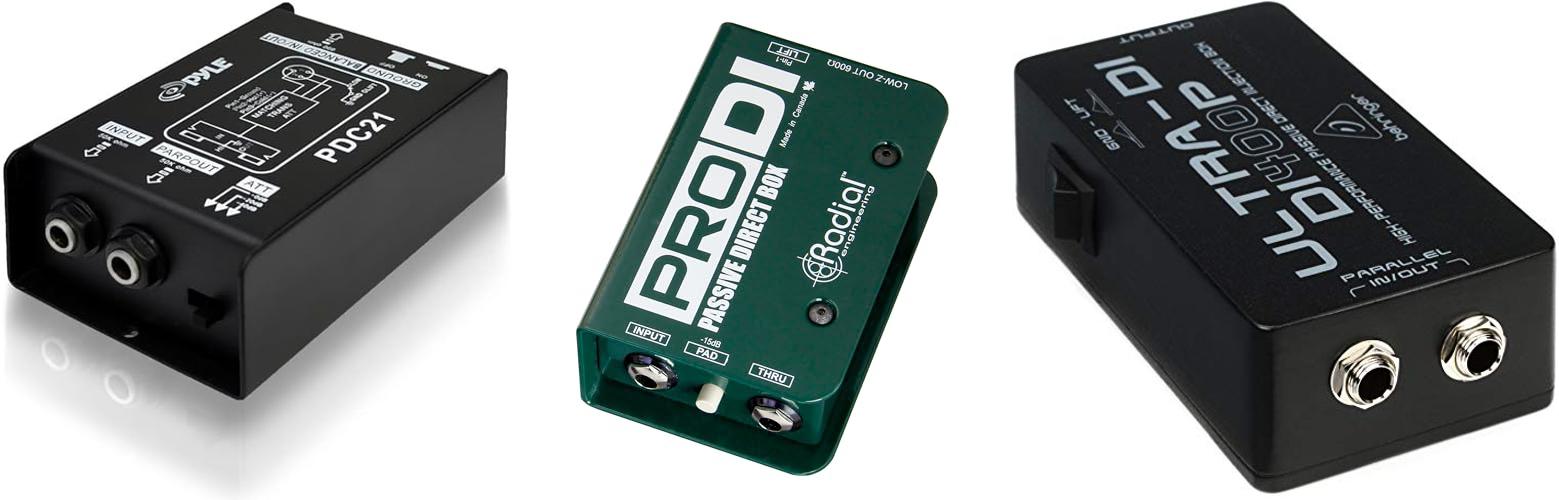
1. Pyle Premium Direct Injection Audio Box – 2.36″ x 4.09″ Passive DI Unit Hum Eliminator w/ Input Attenuator to Connect Guitar & Bass

Rating: 9.1/10
The Pyle Premium Direct Injection Audio Box is a handy tool for musicians and audio enthusiasts. This compact, black box helps you get a clean sound from your instruments to your sound system. It works by changing the signal from your gear so it can be sent through professional audio cables without any annoying buzzing or humming.
What We Like:
- It makes connecting instruments like guitars, basses, and keyboards to your PA system or recording mixer super easy.
- The DI box cancels out unwanted buzz and hum, giving you a pure and clean audio signal.
- You can even use it to connect other devices like boom boxes or old record players to sample sounds.
- It comes with a ¼ inch device connector and a detachable power cord for flexible use.
- The input attenuator helps adjust the signal level for different setups.
What Could Be Improved:
- While it’s great for many uses, it’s a passive DI, meaning it doesn’t boost the signal like active DI boxes can.
- The size is quite small, which is good for portability but might feel a little cramped for some connections.
This Pyle DI box is a solid choice for anyone needing a straightforward and effective way to improve their audio setup. It’s a reliable hum eliminator that delivers great sound quality.
2. Radial Pro DI Passive Direct Box

Rating: 9.3/10
The Radial Pro DI Passive Direct Box is a fantastic tool for musicians and sound engineers. It helps connect your instruments, like guitars or basses, to your sound system. This box makes your sound clear and strong. It’s built tough, so it can handle life on the road. Its special transformer makes your audio sound amazing.
What We Like:
- It has a custom transformer that makes your sound really good.
- The I-beam construction makes it super strong and durable.
- It’s a passive DI, so it doesn’t need power to work.
- It’s simple to plug in and use right away.
- It works well for mono instruments.
What Could Be Improved:
- It’s a passive DI, so it might not boost the signal as much as an active one.
- It’s a mono box, so it’s not ideal for stereo sources.
The Radial Pro DI is a reliable and high-quality direct box. It’s a solid choice for anyone needing a dependable way to get great sound from their instruments.
3. Behringer Ultra-Di Di400p High-Performance Passive Direct Injection Box

Rating: 8.6/10
The Behringer Ultra-Di Di400p High-Performance Passive Direct Injection Box is a simple yet powerful tool for any musician or sound engineer. It helps you connect your instruments, like guitars and basses, directly to your sound system. This box makes sure your sound stays clear and strong, even when you use long cables.
What We Like:
- It keeps your guitar or bass tone pure. You won’t lose sound quality because of bad connections or long wires.
- It turns your instrument’s signal into a balanced signal. This is what mixers need to work well.
- It matches the signal from your instrument to your mixer. This ensures a clean and strong connection.
- You can send your sound to your stage amp and the mixer at the same time. The Thru/Out jack makes this easy.
- It’s affordable and a great value for its performance.
What Could Be Improved:
- While it’s built well, some users might prefer a more rugged metal casing for heavy touring.
- The passive design means it doesn’t have its own power source, which is standard for passive DIs but something to be aware of.
The Behringer Ultra-Di Di400p is a fantastic, budget-friendly DI box. It delivers clean sound and reliable performance for live gigs and studio sessions.
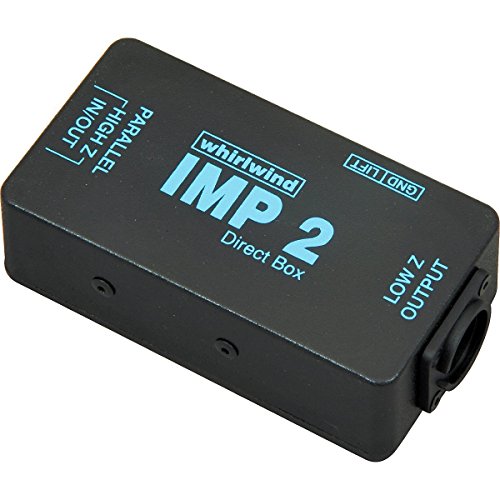
4. Whirlwind IMP 2 1-Channel Passive Instrument Direct Box
Rating: 9.0/10
The Whirlwind IMP 2 1-Channel Passive Instrument Direct Box is a budget-friendly tool that packs a punch. It’s small enough to fit anywhere in your setup and delivers impressive sound. This direct box takes your instrument’s signal and makes it ready for professional audio gear. It’s a great choice for musicians and sound engineers who need reliable performance without breaking the bank.
What We Like:
- It’s very inexpensive, making it accessible for many musicians.
- The compact size, or “footprint,” is fantastic; it takes up very little space.
- It offers great sound quality for its price.
- The IMP converts your unbalanced instrument signal into a balanced mic signal, which is needed for many sound systems.
- It’s built to last, offering professional quality and durability.
- Whirlwind uses a strong TRHL transformer that’s securely riveted, not just glued, in place.
What Could Be Improved:
- As a passive direct box, it doesn’t boost the signal, so very weak instrument signals might need a preamplifier.
- While durable, it’s a passive unit, so active direct boxes might offer more features for some users.
For anyone looking for a solid, affordable direct box, the Whirlwind IMP 2 is an excellent option. It delivers clear sound and reliable performance in a small package.
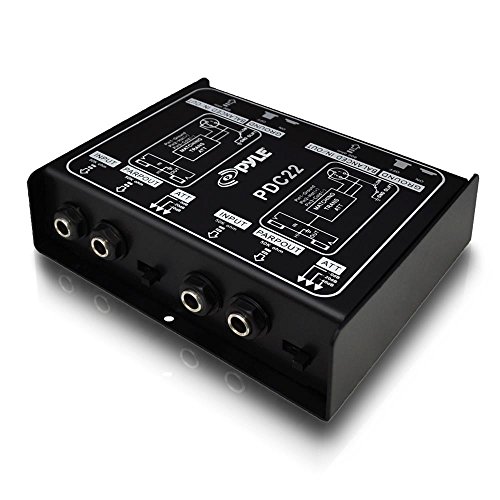
5. PYLE-PRO Premium Direct Injection Audio Box – Passive DI Unit Hum Eliminator w/ Input Attenuator to Connect Guitar & Bass – 1/4 Inch Impedance Transformer Connector to Balanced & Unbalanced XLR-PDC22
Rating: 9.0/10
The PYLE-PRO PDC22 is a passive direct injection (DI) box that helps musicians get a clean signal from their instruments to a sound system or recording mixer. It’s designed to eliminate annoying hum and buzz, giving you pure audio. This unit works well with guitars, basses, keyboards, and even older stereo systems. It’s built tough and comes with two DI boxes in one handy package.
What We Like:
- It easily connects instruments like guitars and basses to your PA system for clear sound.
- The hum and buzz cancellation feature works great for cleaner audio.
- It’s versatile and can connect various unbalanced devices, not just musical instruments.
- The all-steel chassis makes it very durable and built to last.
- You get two high-quality DI boxes in one enclosure, which is a good value.
What Could Be Improved:
- While it connects to many devices, some users might want more advanced features found in active DI boxes.
- The “detachable AC power cord” mentioned in the title might be confusing as it’s a passive unit and doesn’t require AC power for its core DI function.
Overall, the PYLE-PRO PDC22 is a solid and reliable DI box for musicians looking for straightforward hum elimination and clean audio. It’s a great addition to any live sound or recording setup.
Your Essential Guide to Buying a DI Box
So, you’re looking to improve your audio setup. Maybe you’re a musician, a sound engineer, or just someone who wants cleaner sound. A DI box is a fantastic tool that helps with this. Let’s dive into what makes a good DI box and how to pick the right one for you.
What is a DI Box?
A DI box, or direct input box, takes an unbalanced, high-impedance signal (like from a guitar or keyboard) and turns it into a balanced, low-impedance signal. This makes it perfect for sending to a mixer or audio interface without losing sound quality over long cables. Think of it as a translator for your instruments.
Key Features to Look For
When you’re shopping for a DI box, keep these important features in mind:
- Input/Output Types: Most DI boxes have a 1/4-inch instrument input. Look for XLR outputs, which are standard for professional audio. Some might have thru-puts, which let you send the original signal to your amp as well.
- Ground Lift Switch: This is super important. It helps get rid of unwanted hum or buzz from electrical interference. You’ll want this on most DI boxes.
- Pad Switch: This reduces the signal level. It’s useful if your instrument is very loud and might overload the DI box or mixer.
- Phantom Power: Some DI boxes get their power from your mixer via “phantom power” (usually +48V). This is common for active DI boxes.
- Build Quality: A sturdy DI box can handle being moved around and used often.
Important Materials
The materials used in a DI box affect its durability and sound.
- Enclosure: Metal enclosures, like aluminum or steel, are generally more robust than plastic ones. They protect the internal components better.
- Transformer: This is the heart of a passive DI box. High-quality transformers are made with good materials and windings, which lead to better sound. For active DI boxes, the electronic components are key.
Factors That Improve or Reduce Quality
Several things can make a DI box sound great or not so great.
- Transformer Quality (Passive DI Boxes): A well-made transformer captures your instrument’s sound faithfully. Cheaper transformers can sometimes color the sound or introduce noise.
- Circuit Design (Active DI Boxes): The electronic circuits in active DI boxes are designed to amplify and buffer the signal. Good design means a clean, clear signal.
- Component Quality: The individual parts inside the DI box, like resistors and capacitors, matter. High-quality components generally lead to better performance and longevity.
- Shielding: Good shielding inside the DI box helps prevent it from picking up unwanted noise from other electronic devices.
User Experience and Use Cases
Using a DI box is generally straightforward. You plug your instrument into the input, and an XLR cable from the output to your mixer or interface.
- Musicians: Guitarists, bassists, keyboardists, and drummers often use DI boxes to send their instrument’s signal directly to the sound system. This gives the sound engineer more control.
- Live Sound: For concerts and events, DI boxes are essential for getting clean signals from various instruments.
- Studio Recording: In the studio, DI boxes help capture a pure instrument sound for recording.
- Podcasters and Streamers: If you use a microphone with a high-impedance output or want to connect a keyboard to your computer, a DI box can help.
Frequently Asked Questions About DI Boxes
Here are some common questions people have about DI boxes.
Q: What’s the difference between active and passive DI boxes?
A: Passive DI boxes use a transformer to change the signal. They don’t need power. Active DI boxes use electronic circuits and usually need phantom power from your mixer. Active DI boxes are often better for instruments with weak signals, like passive basses.
Q: Do I really need a DI box for my guitar?
A: If you’re plugging directly into a PA system or mixer, yes. It helps get a cleaner signal and avoids hum. If you’re using a guitar amp, you might not need it for your sound on stage, but it’s still useful for sending your signal to the mixer.
Q: How do I know if I need a ground lift switch?
A: If you hear a humming or buzzing sound that goes away when you touch metal parts of your equipment, you probably need the ground lift switch. It helps break the “ground loop” that causes the noise.
Q: What does a “pad” setting do on a DI box?
A: A pad setting lowers the volume of the instrument’s signal. This is useful if your instrument is very loud and could create distortion when it goes into the DI box or mixer.
Q: Can I use a DI box with any instrument?
A: Mostly, yes. They are great for electric guitars, bass guitars, keyboards, and acoustic-electric instruments. They work with anything that has a 1/4-inch instrument output.
Q: How long can my instrument cable be before I need a DI box?
A: High-impedance signals from instruments can lose quality over longer cables, usually more than 15-20 feet. A DI box converts the signal to a low-impedance one, which can travel much further without losing quality.
Q: Are expensive DI boxes always better?
A: Not always, but often. Higher-priced DI boxes usually have better transformers or electronic components, which lead to better sound quality and durability. However, good budget options exist for many needs.
Q: Can I use a DI box as a microphone preamp?
A: No. A DI box is designed for instrument-level signals. A microphone preamp is specifically designed to boost the very low-level signal from a microphone.
Q: What is a “thru” or “link” output on a DI box?
A: This output lets you send the original, unbalanced signal from your instrument to another device, like your amplifier. So, your signal goes to the DI box, and then splits to go to the mixer and your amp.
Q: How do I connect a DI box to my computer?
A: You’ll need an audio interface with an XLR input. Plug your instrument into the DI box, then run an XLR cable from the DI box output to the audio interface’s microphone input. Your computer connects to the audio interface.
In conclusion, every product has unique features and benefits. We hope this review helps you decide if it meets your needs. An informed choice ensures the best experience.
If you have any questions or feedback, please share them in the comments. Your input helps everyone. Thank you for reading.