
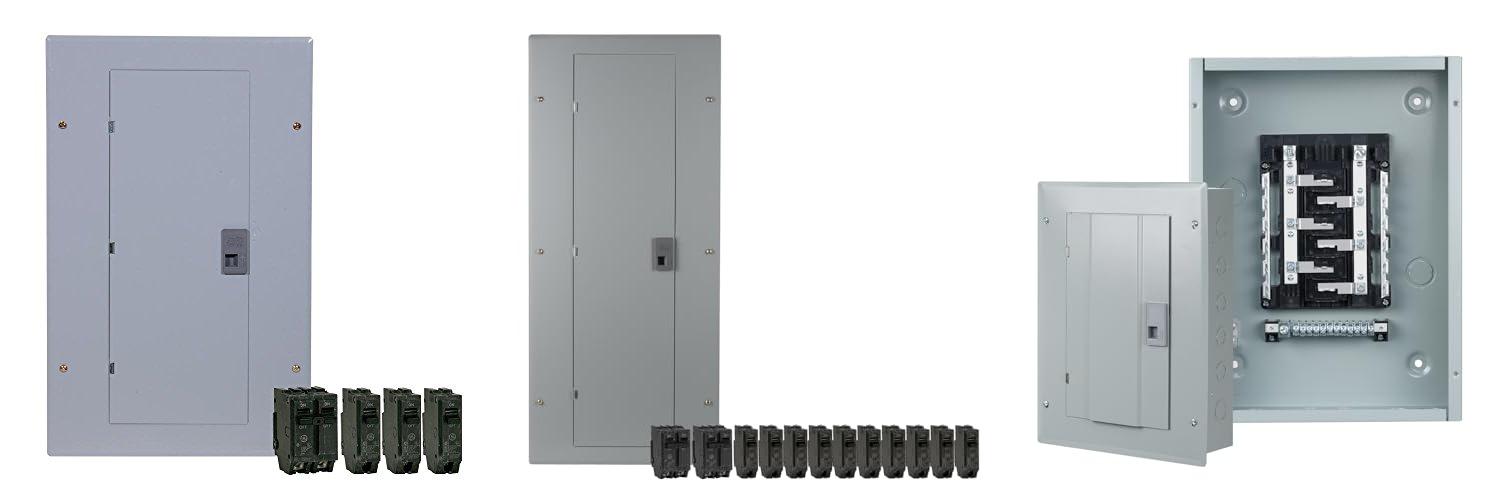
Imagine this: a storm rolls in, lights flicker, and suddenly, your home goes dark. That familiar feeling of being plunged into silence can be stressful. But what if that darkness was caused by something inside your home, something you might not even think about until it’s too late? That’s where the humble, yet mighty, breaker box comes in.
Choosing a breaker box might not be the most exciting part of homeownership, but it’s incredibly important. It’s the heart of your home’s electrical system, keeping everything running safely. Yet, facing a wall of confusing labels and technical jargon can make picking the right one feel like a puzzle. You want a box that’s reliable, safe, and fits your home’s needs, but where do you even start?
This guide is here to shine a light on that puzzle. We’ll break down what a breaker box is, why it matters, and the simple things you need to consider to make a smart choice. By the end, you’ll feel confident understanding your options and knowing how to pick the best breaker box to keep your home powered and protected, so you can avoid those unexpected dark moments.
Our Top 5 Breaker Box Recommendations at a Glance
Top 5 Breaker Box Detailed Reviews
1. ABB TM2010CCUBK1 100A Main Breaker Load Center • PowerMark Gold Indoor Panel • 120/240V AC

Rating: 9.2/10
The ABB TM2010CCUBK1 PowerMark Gold Load Center is a fantastic option for homeowners needing more power distribution. It’s perfect for expanding your home or updating older electrical systems. This indoor panel offers plenty of space for circuits in a compact design.
What We Like:
- It has 20 spaces and 20 circuits, giving you lots of room for your electrical needs.
- The panel comes with a 100 Amp main breaker and several other breakers already included, saving you extra shopping trips.
- Its galvanized steel box resists rust, and the copper bus bar helps power flow smoothly and reliably for a long time.
- The dead front adjusts itself, adding an extra layer of safety for users.
- It’s designed to work with many types of breakers and installs quickly, meeting modern electrical codes.
- The 22 kAIC interrupt rating provides strong protection against electrical surges, keeping your home safe.
What Could Be Improved:
- While it comes with some breakers, you might need to buy more depending on your specific setup.
- For a complete beginner, understanding all the circuit options might take a little research.
This load center is a solid choice for anyone needing a reliable and expandable electrical panel. It offers great value and safety features for your home.
2. ABB TM3220CCU2K 200A Main Breaker Load Center • 1-Phase Standard Main Circuit Breaker Load Center • 32 Space

Rating: 8.7/10
The ABB TM3220CCU2K 200A Main Breaker Load Center is a powerful and reliable unit designed to manage your home’s or small business’s electrical needs. It’s a standard load center that handles 1-phase power and offers plenty of room for circuits. Its strong enclosure protects it indoors, and it’s built with safety and ease of use in mind, making it a solid choice for many electrical projects.
What We Like:
- It’s a high-performance 200 amp load center. It has 32 spaces and can handle up to 40 circuits. This makes it great for distributing power efficiently in homes and small businesses.
- The NEMA 1 enclosure protects the load center from dust and other things indoors. This tough construction means it will last a long time in places like houses or offices.
- It offers superior safety with a 22 kAIC interrupt rating. This protects against dangerous fault currents, making your electrical system safer.
- Setup is easy and user-friendly. It’s made for simple installation on 1-phase, 120/240 VAC systems. The pre-installed main breaker and smart design help both pros and DIYers.
- ABB is a leader in innovation and quality. They bought GE Industrial Solutions, so you’re getting trusted electrical products.
What Could Be Improved:
- The description doesn’t mention specific details about the wire bending radius or knock-out sizes, which could be helpful for complex installations.
- While designed for indoor use, the NEMA 1 rating offers basic protection. For areas with more moisture or potential impact, a higher NEMA rating might be preferred.
This ABB load center is a dependable option for managing your electrical distribution. It balances robust performance with user-friendly features.
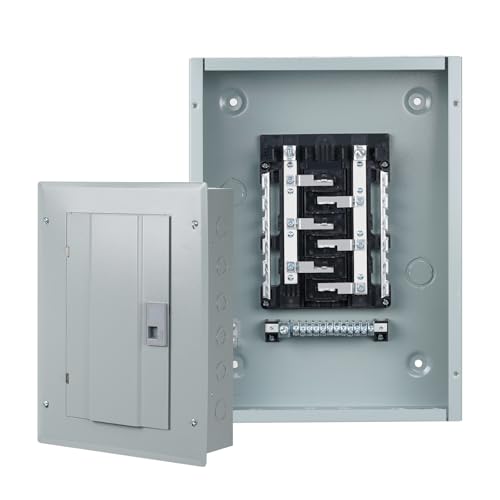
3. THQL Circuit Breaker Panels
Rating: 8.9/10
The THQL Circuit Breaker Panel is a 12-space, 125A distribution box designed for indoor use. It handles 120V/240V and acts as a main lug load center. This electrical enclosure is great for homes and small businesses. It keeps your electrical system safe and organized.
What We Like:
- It’s a high-performance 125A load center. It distributes power well for homes and small businesses.
- The NEMA 1 steel enclosure is strong. It protects against dust and keeps the inside safe.
- It offers excellent safety. The 12 spaces fit up to 12 single-pole breakers for good circuit protection.
- It’s reliable and easy to install. It works with single-phase, 120/240V AC systems and has a simple three-wire setup.
- It’s compatible with many THQL and QP series breakers.
What Could Be Improved:
- It is not compatible with 1/2 inch or 3/4 inch plug-in circuit breakers. This limits some breaker choices.
This load center is a solid choice for managing your home’s or small business’s electrical needs. It offers good protection and is straightforward to set up.
4. 60 Amp Single Phase

Rating: 8.8/10
This 60 Amp Single Phase, 3 Wire, Solid Neutral, 2 Spaces and 4 Circuits Outdoor Circuit Breaker Enclosure is a sturdy and reliable choice for your electrical needs. It measures 7 inches long by 5 inches wide by 3-1/16 inches deep and is designed for 120/240 volt systems. The enclosure is rated for 60 amps, offering plenty of power for various applications. It features two 1-inch spaces, allowing for up to four circuits. The gray enamel finish looks good and helps protect it from the elements. You can trust this enclosure because it’s CSA and UL listed, meaning it meets strict safety standards. It also follows all the rules set by the NEC and UL for Class CTL equipment.
What We Like:
- It’s built tough for outdoor use.
- It has enough room for your circuits.
- It meets important safety certifications.
- The gray finish is a nice touch.
- It’s easy to understand and install.
What Could Be Improved:
- The size might be a bit small for some larger projects.
- More color options would be a bonus.
This circuit breaker enclosure offers good protection and meets all the necessary safety requirements. It’s a solid option for anyone needing a dependable outdoor electrical enclosure.
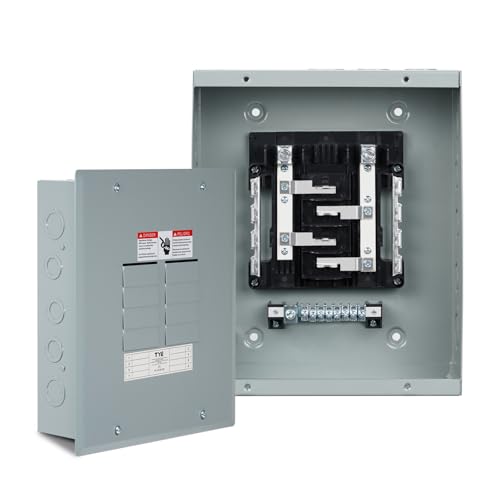
5. THQL Circuit Breaker Panels
Rating: 9.4/10
The THQL Circuit Breaker Panel is an 8-space, 125A distribution box designed for indoor use. It handles 120V/240V and acts as a main lug load center, offering reliable power distribution for homes and small businesses.
What We Like:
- HIGH PERFORMANCE 125A LOAD CENTER: This load center handles up to 125 amps, giving you strong and dependable power. It’s great for houses and small shops.
- NEMA 1 STEEL ENCLOSURE: Made from tough steel, this box protects your electrical system from dust and dirt indoors. It’s built to last in places like homes and offices.
- EXCELLENT SAFETY AND PROTECTION: With 8 spaces for 1-pole circuit breakers, this panel offers great safety. It helps make your power system more secure.
- RELIABLE & EASY TO INSTALL: Setting up this breaker box is straightforward. It works with single-phase, 120/240V AC systems and is easy for both pros and DIYers.
- COMPATIBILITY: It works with THQL and other specific series breakers.
What Could Be Improved:
- COMPATIBILITY: It is not compatible with 1/2 inch, 3/4 inch, or other plug-in circuit breakers.
This load center is a solid choice for safe and efficient power distribution. Its user-friendly design makes it accessible for various users.
Your Essential Breaker Box Buying Guide
A breaker box is a vital part of your home’s electrical system. It protects your wiring and appliances from electrical surges and overloads. Choosing the right one ensures your home stays safe and your electronics function properly. This guide will help you understand what to look for.
Key Features to Look For
When you shop for a breaker box, keep these important features in mind.
- Amperage Rating: This tells you how much electricity the box can handle. Homes typically need a 100, 150, or 200 amp service. Bigger homes with more appliances usually need a higher amperage.
- Number of Spaces: This refers to how many circuit breakers the box can hold. You need enough spaces for your current needs and some extra for future additions. Think about adding new lights or appliances.
- Type of Breakers: Most breaker boxes use plug-in or bolt-on breakers. Plug-in breakers are easier to install. Bolt-on breakers offer a more secure connection, which is good for high-vibration areas.
- Main Breaker Type: Some boxes have a main breaker that shuts off all power. Others use a main lug, which requires a separate breaker to shut off power. A main breaker offers more convenience for emergencies.
- Ground Fault Circuit Interrupter (GFCI) and Arc Fault Circuit Interrupter (AFCI) Compatibility: Modern codes often require GFCI breakers for wet areas like kitchens and bathrooms. AFCI breakers protect against electrical fires. Ensure the box can accommodate these safety features.
Important Materials
The materials used in a breaker box affect its durability and safety.
- Enclosure: The outer box is usually made of steel. Steel is strong and protects the internal components. Look for a sturdy, well-built enclosure that won’t rust easily. Powder-coated steel offers good protection against corrosion.
- Busbars: These are the metal strips inside that connect the breakers to the incoming power. Copper busbars are generally considered higher quality than aluminum. Copper is a better conductor of electricity and is less prone to overheating.
Factors That Improve or Reduce Quality
Several things can make a breaker box better or worse.
- Brand Reputation: Well-known brands often use better materials and have stricter quality control. They also tend to offer better warranties. Research brands you trust.
- Certifications: Look for certifications from organizations like UL (Underwriters Laboratories). UL listing means the product meets safety standards. This is a sign of a quality and safe product.
- Ease of Installation: A well-designed breaker box makes installation easier for electricians. This can save you money on labor costs. Features like clearly labeled slots and ample wiring room improve usability.
- Build Quality: Inspect the box for any sharp edges, loose parts, or poor finishing. A neatly assembled box indicates good manufacturing.
User Experience and Use Cases
A breaker box is something you interact with indirectly most of the time. Its quality shows when you need to use it.
- Safety: The primary use is safety. A good breaker box trips reliably when there’s a problem, preventing shocks and fires. This gives you peace of mind.
- Reliability: You want a breaker box that works consistently. You don’t want breakers tripping for no reason. A reliable box ensures your power stays on when it should.
- Future-Proofing: If you plan to add more appliances or renovate, a breaker box with extra spaces is a smart choice. It avoids the need for an expensive upgrade later.
- Emergency Preparedness: In an emergency, you might need to quickly shut off power. A breaker box with a clearly marked and easily accessible main breaker simplifies this process.
Frequently Asked Questions (FAQ) About Breaker Boxes
Q: What is the main job of a breaker box?
A: The main job of a breaker box is to protect your home’s electrical wiring and appliances from damage. It does this by shutting off the power if there’s too much electricity flowing, which is called an overload, or if there’s a short circuit.
Q: How do I know what amperage rating I need?
A: Most homes need between 100 to 200 amps. If your home is large or has many electric appliances like air conditioners, dryers, or electric stoves, you might need a higher amperage. It’s best to ask an electrician to figure out the right size for your home.
Q: What does “number of spaces” mean?
A: The “number of spaces” refers to how many individual circuit breakers can fit inside the breaker box. Each breaker protects a different circuit in your home, like the lights in a room or the outlets in the kitchen. You need enough spaces for all your current circuits and a few extra for future needs.
Q: Should I get a breaker box with a main breaker or main lugs?
A: A main breaker is a single switch that turns off all power to the house. This is very useful in emergencies. A main lug box requires a separate breaker to shut off all power. For convenience and safety, a main breaker is usually preferred.
Q: What are GFCI and AFCI breakers, and why do I need them?
A: GFCI (Ground Fault Circuit Interrupter) breakers protect you from electric shock, especially in wet areas like bathrooms and kitchens. AFCI (Arc Fault Circuit Interrupter) breakers protect against electrical fires caused by faulty wiring. Many building codes now require these for safety.
Q: Are all breaker boxes made the same?
A: No, they are not. The quality can differ based on the brand, the materials used (like copper versus aluminum busbars), and how well they are built. Higher-quality boxes are more reliable and safer.
Q: What does a UL listing mean?
A: A UL listing means the breaker box has been tested by Underwriters Laboratories (UL) and meets strict safety standards. It’s a good sign that the product is safe and reliable.
Q: Can I install a breaker box myself?
A: Installing a breaker box is a dangerous job that involves working with high voltage electricity. It is highly recommended that you hire a qualified electrician to install or replace your breaker box to ensure it’s done safely and correctly.
Q: How long do breaker boxes typically last?
A: A well-maintained breaker box can last for many years, often 30 to 40 years or even longer. However, if it’s old, damaged, or not up to current safety codes, it might need to be replaced sooner.
Q: What if I’m not sure which breaker box is right for my home?
A: The best thing to do is consult with a licensed electrician. They can assess your home’s electrical needs, check your current system, and recommend the most suitable breaker box for your situation.
In conclusion, every product has unique features and benefits. We hope this review helps you decide if it meets your needs. An informed choice ensures the best experience.
If you have any questions or feedback, please share them in the comments. Your input helps everyone. Thank you for reading.