
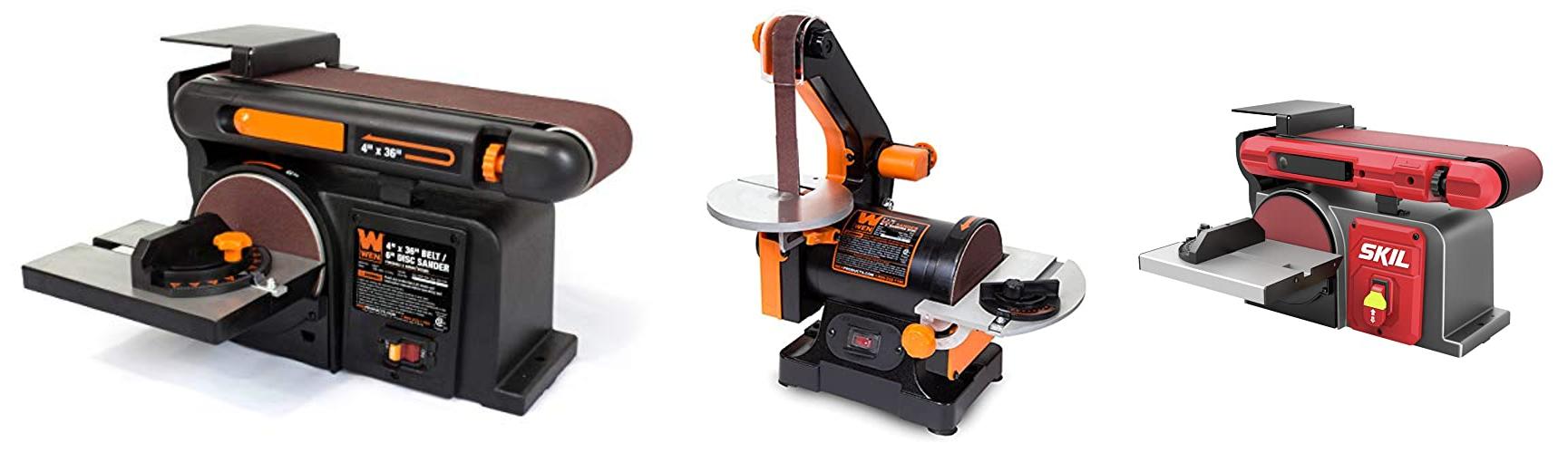
Imagine trying to smooth out a rough piece of wood with just sandpaper. It takes forever, right? That’s where a bench sander swoops in to save the day! These powerful tools are like magic wands for woodworkers, helping them create smooth, polished projects with ease.
But picking the perfect bench sander can feel like navigating a maze. There are so many different kinds, and it’s tough to know which one fits your needs. Are you a beginner looking for something simple, or a seasoned pro needing a heavy-duty machine? This can be confusing and lead to wasted money on the wrong tool.
Don’t worry! By the end of this post, you’ll understand the different types of bench sanders, what features to look for, and how to choose the one that will make your projects shine. We’ll break down the jargon and give you the confidence to find your ideal sanding companion.
Our Top 5 Bench Sander Recommendations at a Glance
Top 5 Bench Sander Detailed Reviews
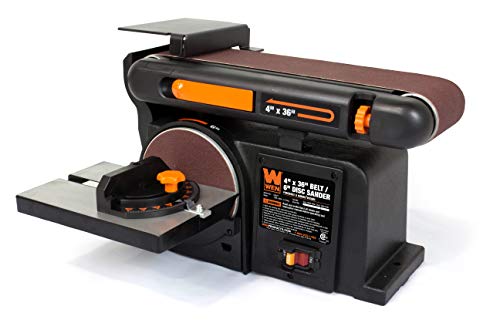
1. WEN Benchtop Belt and Disc Sander with 4 x 36 in. Belt
Rating: 8.8/10
The WEN Benchtop Belt and Disc Sander (6502T) is a versatile tool that helps you shape and smooth wood. It combines a belt sander and a disc sander into one machine. This makes it great for various woodworking projects, from small repairs to bigger creations.
What We Like:
- It’s a two-in-one machine, offering both a 4×36 inch belt and a 6×6 inch disc for different sanding needs.
- The belt can tilt from 0 to 90 degrees, letting you sand at many angles.
- Its strong cast iron base keeps it steady and stops it from shaking too much.
- The 4.3 Amp motor runs fast, up to 3600 RPM, for efficient sanding.
- A handy tension release lever makes changing sandpaper grits quick and easy.
What Could Be Improved:
- While powerful, it might be a bit noisy for some home workshops.
- For very large projects, a bigger machine might be preferred.
This WEN sander is a solid choice for hobbyists and DIYers. It delivers good performance and makes sanding tasks much simpler.
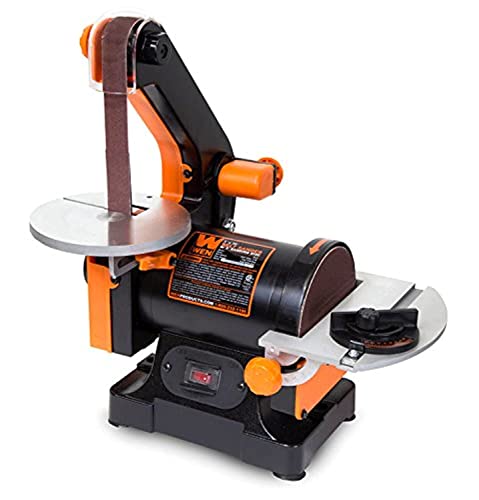
2. WEN Benchtop Belt and Disc Sander with 1 x 30 in. Belt and 5 in. Sanding Disc (6515T)
Rating: 9.2/10
The WEN Benchtop Belt and Disc Sander (6515T) is a handy tool for any DIYer or woodworker. It combines two sanders into one convenient machine. You get both a belt sander and a disc sander. This makes it great for shaping, smoothing, and finishing your projects.
What We Like:
- It’s a two-in-one machine, offering both a 1×30 inch belt and a 5-inch disc for different sanding jobs.
- A strong 2.3A motor powers the sander, providing fast and efficient sanding with up to 3160 FPM for the belt and 3450 RPM for the disc.
- The heavy-duty base keeps the sander steady and prevents it from moving around while you work.
- It has two separate dust ports, which helps a lot with cleaning up sawdust.
- The sander comes with a miter gauge and both an 80-grit and a 100-grit sanding accessory.
- WEN backs this product with a 2-year warranty, giving you peace of mind.
What Could Be Improved:
- For very large projects, the 1×30 inch belt might be a bit small.
- While the dust collection is good, a stronger vacuum might be needed for heavy dust.
This WEN sander is a solid choice for its versatility and performance. It’s a great addition to any home workshop.
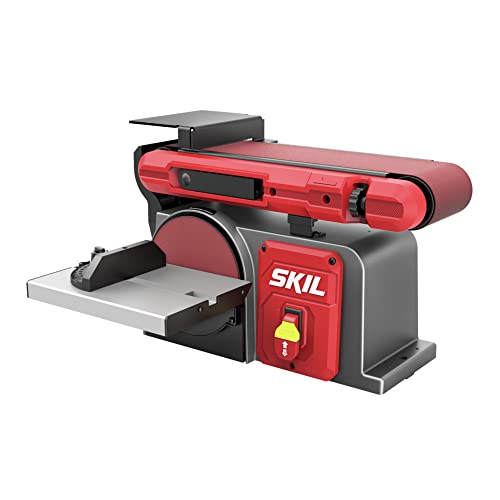
3. SKIL 4.5 Amp Belt and Disc Combination Benchtop Sander – BB9504-00
Rating: 8.8/10
The SKIL 4.5 Amp Belt and Disc Combination Benchtop Sander – BB9504-00 is a real workhorse for any home workshop. It combines two useful sanders into one compact machine, making it easy to tackle all sorts of sanding projects. Whether you’re shaping wood, smoothing edges, or cleaning up cuts, this sander offers a lot of bang for your buck.
What We Like:
- It’s a two-in-one sanding station, so you get both a belt sander and a disc sander. This means you can sand different shapes and angles easily.
- The belt can be adjusted from flat (0 degrees) all the way up to a vertical position (90 degrees). This gives you lots of options for how you sand.
- The tabletop can tilt from 0 to 45 degrees, letting you sand beveled edges.
- A miter gauge helps you make straight cuts on your workpiece.
- The 4.5 amp motor is strong and keeps going even when you’re working on tough materials.
- Changing sandpaper is quick and easy thanks to a special lever.
- It has a dust port so you can hook up a vacuum to keep your workspace clean.
- Mounting it to your workbench is simple with pre-drilled holes.
What Could Be Improved:
- While the dust collection is good, some users might wish for a more robust built-in dust collection system.
- The miter gauge is functional but could be more precise for very detailed work.
This SKIL sander is a fantastic addition for DIYers and hobbyists. It provides great versatility and power in a user-friendly package.
4. Woodskil 4.3A Belt Sander

Rating: 9.3/10
The Woodskil 4.3A Belt Sander is a powerful and versatile tool for any woodworking enthusiast. It combines a belt sander and a disc sander into one convenient benchtop unit. This sander helps you smooth out rough edges and shape your projects with ease.
What We Like:
- The 3/4 HP motor spins fast, reaching up to 3600 rpm. This means it sands quickly and efficiently.
- You can adjust the 4×36 inch belt from flat to vertical (0-90 degrees). This lets you sand different parts of your project.
- The 6×6 inch disc sander also has an adjustable work table that tilts from 0-45 degrees. A miter gauge helps guide your work.
- It has two dust exhaust ports, one for the belt and one for the disc. This helps keep your workspace cleaner.
- The belt tension adjustment keeps the belt tight, so it doesn’t slip. A clear guard lets you see the belt.
- The product comes with a 2-year warranty for peace of mind.
What Could Be Improved:
- The manual should be read carefully before use.
- It’s important to always use the sander safely.
This Woodskil belt sander offers a lot of sanding power and flexibility for its size. It’s a solid choice for tackling various woodworking sanding tasks.
5. BUCKTOOL Direct Drive Bench Belt Sander

Rating: 8.9/10
The BUCKTOOL Direct Drive Bench Belt Sander is a powerful tool for any woodworker. It combines a belt sander and a disc sander into one machine. This makes it a versatile choice for many projects. You can shape, smooth, and finish your wood pieces with ease.
What We Like:
- It has a strong 3/4 HP motor that delivers 3450 RPM for the disc. This means it works efficiently.
- The 4×36 inch belt can be used flat or upright. This gives you flexibility for different jobs.
- The 8-inch disc has a heavy steel cover to keep it steady.
- The worktables tilt up to 45 degrees. This helps you get the perfect angle for your wood.
- It has two work tables, one for the belt and one for the disc.
- Two dust ports let you connect a dust collector for a cleaner workspace.
- The machine is designed for easy maintenance. It has no belts or gears to adjust.
- The cast aluminum base with rubber feet keeps the sander from shaking.
What Could Be Improved:
- The included belt is 80-grit, which might be too coarse for some fine finishing tasks. You’ll likely need to buy finer grit belts.
- While the motor is powerful for its size, very demanding tasks might push its limits.
This BUCKTOOL sander offers a lot of features for its price. It’s a solid choice for both hobbyists and those who do woodworking regularly.
Choosing the Right Bench Sander: Your Guide to Smoother Projects
Bench sanders are powerful tools that help you smooth out wood and other materials. They make your projects look professional. This guide will help you pick the best one for your needs.
Why You Need a Bench Sander
Bench sanders are great for many tasks. You can use them to shape wood. They also remove old paint and rust. Craftsmen and DIYers use them for furniture making and woodworking.
Key Features to Look For
When you shop for a bench sander, check these things:
- Motor Power: A stronger motor means more power. It helps the sander cut through tough stuff. Look for at least 1/3 horsepower for most jobs. More power is better for heavy-duty work.
- Disc Size: Bench sanders have a sanding disc. Common sizes are 6 inches or 9 inches. A bigger disc can sand larger areas faster.
- Belt Size: Some bench sanders also have a sanding belt. The belt helps with shaping and sanding edges. Check the belt’s length and width.
- Tilting Table: A table that tilts lets you sand at different angles. This is useful for making precise cuts.
- Dust Collection: Sanding makes a lot of dust. A good dust collection system keeps your workspace clean. It also makes breathing easier. Look for a port that you can attach a shop vacuum to.
- Speed: Some sanders have variable speed. This lets you control how fast the disc or belt spins. Slower speeds are good for delicate work. Faster speeds work for rough sanding.
Important Materials
The materials used to build a bench sander affect how long it lasts.
- Base: A sturdy cast iron base keeps the sander from shaking. This makes it more stable and safer to use.
- Housing: The outer part of the sander should be made of strong metal. This protects the motor and other parts.
- Table: The sanding table should be made of metal. It needs to be flat and smooth.
Factors That Improve or Reduce Quality
Good quality sanders have features that make them work better.
- Smooth Operation: A high-quality sander runs without too much vibration. This means it’s well-balanced and built well.
- Durable Parts: Motors and bearings that last a long time are signs of good quality.
- Easy Sandpaper Changes: It should be simple to swap out sanding discs or belts.
Poor quality sanders might:
- Vibrate a lot.
- Have motors that overheat.
- Break down easily.
- Be difficult to adjust.
User Experience and Use Cases
Bench sanders are used by many people.
- Woodworkers: They use bench sanders to shape chair legs, smooth tabletops, and create precise edges.
- DIY Enthusiasts: For home projects, they can smooth rough lumber, refinish old furniture, or prepare surfaces for painting.
- Hobbyists: Model makers and crafters use smaller bench sanders for detailed work.
A good bench sander makes your work easier and your projects look better. Think about what you will use it for most. This will help you choose the right one.
Bench Sander FAQs
Q: What is the most important feature of a bench sander?
A: Motor power is very important. It determines how well the sander can sand different materials. A stronger motor handles tougher jobs.
Q: How do I change the sandpaper on a bench sander?
A: Most bench sanders have a quick-release system for sanding discs. For belts, you usually loosen a tension knob to slide the old belt off and put a new one on.
Q: Can I use a bench sander on metal?
A: Yes, you can. You need to use the right grit sandpaper. Coarser grits work for removing metal. Finer grits polish it.
Q: How much noise does a bench sander make?
A: Bench sanders can be noisy. Wearing ear protection is a good idea. Look for models that mention noise reduction if this is a concern.
Q: What is the difference between a disc sander and a belt sander?
A: A disc sander uses a spinning disc to sand. A belt sander uses a continuous loop of sandpaper that moves. Many bench sanders have both.
Q: How do I keep my bench sander clean?
A: Wipe it down after each use. Make sure the dust port is clear. Regularly check for dust buildup around the motor.
Q: What grit sandpaper should I use?
A: Start with a coarser grit for heavy material removal. Move to finer grits for a smoother finish. Always check the sandpaper manufacturer’s recommendations.
Q: Can a bench sander help with rust removal?
A: Yes, it can. Use a coarse grit sandpaper or a wire wheel attachment on the disc. This will effectively remove rust from metal surfaces.
Q: What is the lifespan of a bench sander?
A: With proper care and maintenance, a good quality bench sander can last for many years. Regular cleaning and replacing worn parts are key.
Q: Is a bench sander safe to use?
A: Bench sanders are powerful tools and require caution. Always wear safety glasses and ear protection. Keep your hands away from the spinning disc or belt. Read the user manual before operating.
In conclusion, every product has unique features and benefits. We hope this review helps you decide if it meets your needs. An informed choice ensures the best experience.
If you have any questions or feedback, please share them in the comments. Your input helps everyone. Thank you for reading.