
Ever found yourself staring at a pile of bandsaw blades, wondering which one will actually cut through your wood like butter, not like a dull butter knife? It’s a common frustration for woodworkers, from beginners to seasoned pros. The sheer variety can be overwhelming – different teeth, different materials, different widths – it feels like you need a degree in metallurgy just to pick the right blade!
Choosing the wrong bandsaw blade can lead to jagged cuts, wasted wood, and a whole lot of wasted time and effort. You might be struggling with blades that dull too quickly, skip teeth on tricky cuts, or just don’t give you the smooth, clean finish you’re aiming for. This is where understanding your bandsaw blades becomes a game-changer for your projects.
Fear not! This guide is here to cut through the confusion. We’ll break down what makes a good bandsaw blade for wood, explaining the key features in simple terms. By the end, you’ll feel confident in choosing the perfect blade for your next woodworking adventure, whether you’re ripping lumber, cutting curves, or tackling intricate scrollwork. Let’s dive in and discover the secrets to a perfect cut!
Our Top 5 Bandsaw Blades For Wood Recommendations at a Glance
Top 5 Bandsaw Blades For Wood Detailed Reviews
1. POWERTEC 93-1/2 Inch Bandsaw Blades Assortment for Woodworking

Rating: 9.1/10
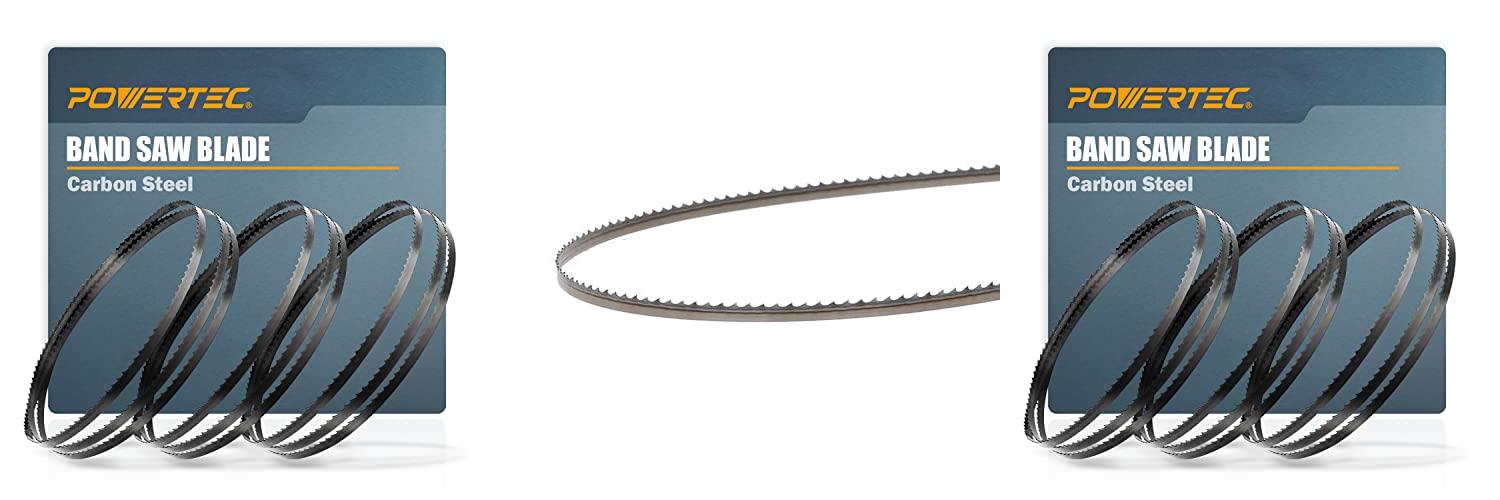
The POWERTEC 93-1/2 Inch Bandsaw Blades Assortment (13603) is a versatile set designed to tackle a variety of woodworking tasks. This 3-pack includes three different blades, each suited for specific cutting needs. You get a 6TPI wood blade for general cutting, a 14-TPI scroll cutting blade for intricate curves, and another 6TPI wood blade for ripping and crosscutting. These blades are made from high-quality carbon steel and are built for durability and performance on many popular 14-inch bandsaws. They work well with hard and soft woods, plastic, and even non-ferrous metals.
What We Like:
- Versatile set with three different blades for various cutting jobs.
- Includes blades for re-sawing, rip cuts, cross cuts, and tight curves.
- Made from premium high-grade carbon steel for long-lasting use.
- Features a geometric tooth arrangement for smooth cutting.
- Compatible with many popular 14″ bandsaws from brands like Delta, Grizzly, and Jet.
What Could Be Improved:
- Users need to double-check their bandsaw’s blade size before purchasing.
This POWERTEC bandsaw blade assortment provides a solid option for hobbyists and woodworkers looking for reliable blades for their 14-inch bandsaw. Make sure to confirm your blade length to ensure a perfect fit.
2. Timber Wolf Bandsaw Blade 1/4″ x 93-1/2″

Rating: 9.5/10
The Timber Wolf Bandsaw Blade 1/4″ x 93-1/2″, 6 TPI is a real workhorse for your bandsaw. It’s designed to handle tough jobs and keep cutting smoothly. This blade will help you get the most out of your wood. It makes resawing thick pieces of wood much easier.
What We Like:
- This blade is made from high silicon, low carbide steel. This makes it strong.
- It runs cooler and lasts longer than many other blades. You won’t have to change it as often.
- It’s ideal for resawing thick stock. This means you can cut big pieces of wood down to size with ease.
- It runs under low tension. This requires less horsepower from your bandsaw, saving energy.
- The thin kerf means it removes less wood with each cut. This saves you material.
What Could Be Improved:
- While durable, the 6 TPI (teeth per inch) might not be the best for very fine detail work.
- For some very light-duty tasks, a blade with fewer teeth might be slightly faster.
Overall, the Timber Wolf Bandsaw Blade is an excellent choice for serious woodworkers. It offers great performance and durability for demanding tasks.
3. POWERTEC 62 Inch Bandsaw Blades Assortment for Woodworking
Rating: 8.7/10
Upgrade your woodworking projects with the POWERTEC 62 Inch Bandsaw Blades Assortment. This 3-pack set equips you with versatile blades for various cutting tasks. You get a 6 TPI blade for ripping and re-sawing wood, a 14 TPI blade for detailed scroll cutting, and another 6 TPI blade for general wood cutting. These blades work with many popular 9-inch bandsaws, including brands like POWERTEC, Ryobi, WEN, Grizzly, Skil, and Sears Craftsman. They are designed for smooth, high-performance cuts on wood, plastic, and even some soft metals.
What We Like:
- Includes three different blades for a variety of woodworking needs.
- The 14 TPI blade is excellent for making tight, intricate curves.
- The 6 TPI blades are great for ripping and re-sawing thicker materials.
- Blades are made from high-grade carbon steel for durability.
- They offer good heat resistance for long cutting sessions.
- The precision tooth arrangement ensures clean cuts.
- Compatible with many common 9-inch bandsaw models.
What Could Be Improved:
- It’s important to double-check your bandsaw’s blade length before buying.
This assortment offers good value and performance for hobbyists and serious woodworkers alike. You can tackle a wide range of cuts with confidence.
4. Timber Wolf Bandsaw Blade 1/2″ X 93-1/2″

Rating: 9.3/10
Tackle your toughest resawing jobs with the Timber Wolf Bandsaw Blade. This 1/2″ wide blade is 93-1/2 inches long and has 4 teeth per inch (TPI). It’s designed to cut through thick wood easily.
What We Like:
- Cuts Thick Wood Easily: This blade is perfect for resawing thick lumber. It makes big cuts with less effort.
- Saves Power: The blade runs smoothly with low tension. This means your bandsaw needs less horsepower to do the job.
- Lasts Longer: It’s made from special steel. This steel stays sharp longer and doesn’t get as hot.
- Clean Cuts: The thin kerf means it removes less wood with each cut. This leads to narrower sawdust trails and less waste.
- Durable Material: The high silicon, low carbide steel makes the blade strong. It can handle hard work.
What Could Be Improved:
- TPI for Finer Work: With only 4 TPI, this blade is best for rough cutting and resawing. It might not be ideal for very detailed or fine cuts on thinner materials.
- Blade Width for Curves: The 1/2″ width is great for straight cuts but is not the best choice for making tight curves.
The Timber Wolf Bandsaw Blade is a solid choice for anyone who needs to resaw thick wood efficiently. It offers great performance and durability for its price.
5. FOXBC 44-7/8-inch Bandsaw Blades 14/18 TPI

Rating: 9.4/10
Get ready to slice through your projects with the FOXBC 44-7/8-inch Bandsaw Blades. These blades are built tough for your portable band saw. They fit many popular models, so you can get back to work quickly. This 3-pack ensures you have spares on hand.
What We Like:
- These blades are 44-7/8 inches long, 1/2 inch wide, and 0.020 inches thick.
- The 14/18 TPI (teeth per inch) is great for cutting through various materials smoothly.
- They are designed to fit many portable band saws, including popular brands like DeWalt and Milwaukee.
- Made from strong Bi-Metal M42 High Speed Steel, these blades can handle heat and wear.
- You get three blades in a pack, which is a good value.
- They help your band saw cut cleanly for better results.
What Could Be Improved:
- While compatible with many saws, always double-check your saw’s specific blade requirements.
- The TPI is a good all-around choice, but for very specific materials, a specialized blade might offer even better performance.
These FOXBC bandsaw blades offer a reliable and durable cutting solution for your portable band saw. You can trust them to help you get the job done right.
Choosing the Best Bandsaw Blades for Your Woodworking Projects
A bandsaw is a versatile tool for woodworkers. It can cut curves, rip lumber, and even resaw thick wood. But a great bandsaw needs a great blade. The right blade makes all the difference in your cuts. It affects how smoothly your saw runs and how good your finished pieces look. This guide will help you pick the perfect blade for your needs.
Key Features to Look For
When you shop for bandsaw blades, keep these features in mind:
- Blade Width: Wider blades are great for straight cuts and resawing. They offer more stability. Narrower blades are best for tight curves and intricate designs.
- Tooth Count (TPI): TPI stands for “teeth per inch.” More teeth mean smoother cuts but slower progress. Fewer teeth cut faster but can leave a rougher surface.
- Tooth Shape: Different tooth shapes are made for different jobs. Hook teeth are aggressive and good for ripping. Skip-tooth blades have more space between teeth, which helps clear sawdust.
- Blade Length: Make sure the blade length matches your bandsaw’s specifications. A blade that’s too long or too short won’t work.
Important Materials
The material of your bandsaw blade affects its durability and cutting ability.
- Carbon Steel: This is the most common and affordable material. It’s good for general woodworking. Carbon steel blades can dull over time, especially when cutting hardwoods.
- Bi-Metal: These blades combine a flexible spring steel body with hardened high-speed steel (HSS) teeth. They last longer and stay sharp much better than carbon steel. They are a good choice for demanding tasks and hardwoods.
- Carbide Tipped: These blades have carbide tips brazed onto the teeth. Carbide is extremely hard and stays sharp for a very long time. They are the most expensive but offer the best performance for heavy use and cutting abrasive materials.
Factors That Improve or Reduce Quality
Several things make a bandsaw blade perform better or worse.
Factors That Improve Quality:
- Heat Treatment: Properly heat-treated teeth are harder and stay sharp longer. This means fewer blade changes and better cuts.
- Sharpening: Sharp teeth cut cleanly and easily. A well-sharpened blade reduces strain on your saw.
- Blade Tension: Correctly tensioning your bandsaw is crucial. A blade that is too loose will wander. A blade that is too tight can break.
Factors That Reduce Quality:
- Dull Teeth: Dull teeth tear wood instead of cutting it. This leads to rough cuts and can burn your wood.
- Bent or Damaged Blades: A bent blade will not cut straight. Damaged teeth can snag and cause accidents.
- Improper Storage: Storing blades improperly can lead to rust or damage. Keep them clean and dry.
User Experience and Use Cases
The best blade for you depends on what you do with your bandsaw.
- Beginners: Start with a good quality carbon steel blade. A medium width (around 1/4 inch) with a moderate TPI (like 6 TPI) works well for most general tasks.
- Resawing: For cutting thick lumber into thinner pieces, use a wider blade (1/2 inch or wider) with fewer teeth per inch (2-4 TPI). A hook-tooth blade is excellent for this.
- Intricate Curves: For tight curves and scrollwork, you need a narrow blade (1/8 inch or 3/16 inch) with a higher TPI (10-14 TPI).
- Hardwoods and Frequent Use: If you cut a lot of hardwoods or use your bandsaw often, invest in a bi-metal or carbide-tipped blade. They last much longer and maintain their sharpness.
Choosing the right bandsaw blade might seem complicated at first. But by understanding these key features, materials, and how they affect performance, you can make an informed decision. A good blade will make your woodworking more enjoyable and your projects look professional.
Frequently Asked Questions About Bandsaw Blades for Wood
Q: What is the most important thing to consider when buying a bandsaw blade?
A: The most important thing is matching the blade to the type of cuts you want to make and the wood you are cutting. Blade width, tooth count, and tooth shape are key.
Q: How often should I replace my bandsaw blade?
A: It depends on the material, how much you cut, and the blade’s quality. Carbon steel blades might need replacing after many hours of use or when they become dull. Bi-metal and carbide blades last much longer.
Q: Can I use a blade that is too long or too short?
A: No, you should never use a blade that is too long or too short. A blade that is too short can fall off the wheels. A blade that is too long can break or damage your saw.
Q: What does TPI mean?
A: TPI stands for “teeth per inch.” It tells you how many teeth are on one inch of the blade. More TPI means smoother cuts but slower cutting speed.
Q: Which type of blade is best for cutting curves?
A: For cutting curves, you need a narrow blade. Blades that are 1/8 inch or 3/16 inch wide work best for tight curves. They also need a higher TPI for smoother results.
Q: What is the difference between carbon steel and bi-metal blades?
A: Carbon steel blades are more affordable and good for general use. Bi-metal blades have stronger teeth that stay sharp longer and are better for harder woods or more demanding jobs.
Q: When should I use a hook-tooth blade?
A: Hook-tooth blades are very aggressive. They are excellent for ripping thick lumber and for resawing because they cut quickly and clear sawdust well.
Q: How do I know if my blade is dull?
A: A dull blade will make your saw work harder. You might notice rough cuts, burning on the wood, or the blade struggling to cut through the material. The saw might also vibrate more.
Q: Can I sharpen my bandsaw blades?
A: While some specialized professionals can sharpen bandsaw blades, it’s often more practical and cost-effective for most woodworkers to replace them when they become dull, especially carbon steel blades.
Q: Where can I find the correct blade length for my bandsaw?
A: The correct blade length is usually listed in your bandsaw’s owner’s manual. It is also often printed on the saw itself or can be found on the manufacturer’s website.
In conclusion, every product has unique features and benefits. We hope this review helps you decide if it meets your needs. An informed choice ensures the best experience.
If you have any questions or feedback, please share them in the comments. Your input helps everyone. Thank you for reading.