
Ever stared at a pile of lumber, a powerful band saw humming, and felt a knot of confusion about which blade to grab? You’re not alone! Choosing the right band saw blade for wood can feel like navigating a maze. So many teeth, so many sizes, so many materials – it’s enough to make any woodworker scratch their head.
The wrong blade can lead to frustrating tear-out, slow cuts, and even dangerous kickback. It can turn a simple project into a battle. But what if you could unlock the full potential of your band saw, making smooth, precise cuts every time? What if you could confidently pick the perfect blade for any wood, any project?
This guide is your secret weapon. We’re going to break down the world of band saw blades for wood, making it easy to understand. You’ll learn what makes a blade tick, how to match it to your wood, and what to look for to avoid those common headaches. Get ready to transform your cutting experience and tackle your woodworking dreams with ease.
Our Top 5 Band Saw Blades For Wood Recommendations at a Glance
Top 5 Band Saw Blades For Wood Detailed Reviews
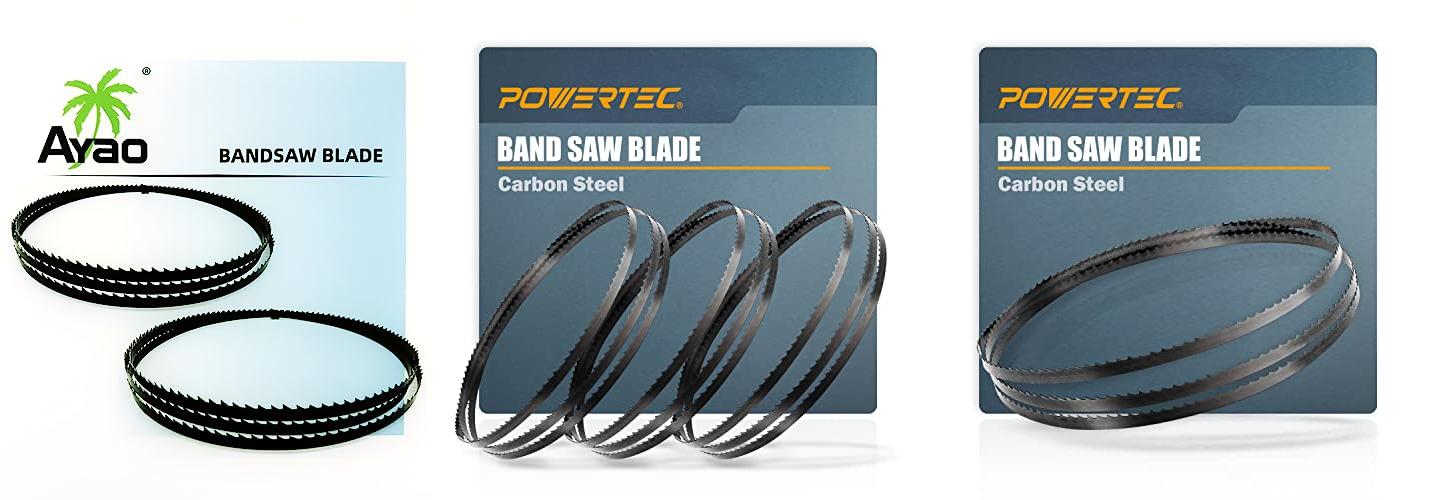
1. AYAO Pack of 2 Band Saw Blades 93-1/2 Inch X 1/4 Inch X 12TPI

Rating: 9.2/10
Tired of dull band saw blades slowing down your projects? The AYAO Pack of 2 Band Saw Blades 93-1/2 Inch X 1/4 Inch X 12TPI offers a solution for woodworkers. These blades are designed for general wood cutting and fit a wide range of 14-inch band saws from popular brands like Delta, Jet, and Rikon. You get two blades in this pack, so you’ll have a spare ready to go.
What We Like:
- These blades fit many different 14-inch band saws, making them very versatile.
- The unique welding technique creates a strong and smooth connection, which means the blade is less likely to break.
- The Raker set teeth are arranged evenly. This helps the blade cut wood smoothly and efficiently.
- You get two blades, which is a good value and ensures you always have a backup.
- They are designed for wood and general purpose cutting, so they can handle many tasks.
What Could Be Improved:
- The 1/4-inch width is great for general cuts but might be too wide for very intricate or detailed scroll work.
- While they are for general purpose cutting, they might not be the absolute best for specialized materials like metal or very hard plastics.
These AYAO band saw blades are a solid choice for most wood cutting needs. They offer good performance and value for the home workshop.
2. POWERTEC 93-1/2 Inch Bandsaw Blades Assortment for Woodworking

Rating: 8.6/10
Upgrade your woodworking projects with the POWERTEC 93-1/2 Inch Bandsaw Blades Assortment. This 3-pack includes three essential blades designed to handle a variety of cuts on both hard and soft woods, plastics, and non-ferrous metals. Whether you’re re-sawing thick lumber, making precise rip cuts, or creating intricate curves, these blades deliver reliable performance for your 14″ bandsaw.
What We Like:
- Versatile set includes blades for different cutting tasks.
- High-quality carbon steel construction ensures durability.
- Unique welding provides heat resistance for longer blade life.
- Precision tooth arrangement offers smooth and efficient cuts.
- Fits popular bandsaw brands like Delta, Grizzly, and Jet.
What Could Be Improved:
- Users must confirm their bandsaw’s blade size before purchasing.
- The set doesn’t specify if the blades are suitable for metal cutting beyond non-ferrous.
This POWERTEC blade assortment is a solid choice for woodworkers seeking reliable and versatile cutting tools. Ensure your bandsaw uses 93.5″ blades, and you’ll be ready to tackle a wide range of woodworking challenges.
3. POWERTEC 56-7/8 Inch Bandsaw Blades

Rating: 9.4/10
The POWERTEC 56-7/8 Inch Bandsaw Blades are a great choice for your woodworking projects. This single blade is designed for Sears Craftsman, Shopcraft, and Duracraft 3-wheel bandsaws. It’s made from strong carbon steel that can handle tough jobs. This blade will help you make clean cuts in many different materials.
What We Like:
- It’s made from high-quality carbon steel for durability.
- The blade has a special tooth design for smooth cutting.
- It works well on both hard and soft woods.
- It can also cut plastic and some metals.
- The 24 TPI (Teeth Per Inch) is good for fine detail work.
What Could Be Improved:
- This pack only includes one blade.
- It’s specifically for 3-wheel bandsaws, so it won’t fit other types.
This POWERTEC bandsaw blade offers good performance and versatility for many woodworking tasks. It’s a reliable option for anyone needing a precise cutting tool.
4. POWERTEC 80 Inch Bandsaw Blades

Rating: 8.8/10
Get ready to tackle your woodworking projects with the POWERTEC 80 Inch Bandsaw Blades. This 2-pack is designed for Sears Craftsman 12″ band saws and is perfect for cutting various materials. These blades are 80 inches long and 1/8 inch wide, making them a great fit for many 80-inch band saws. You’ll get two blades, so you’re always ready for your next cut.
What We Like:
- Comes with two blades, so you have a spare.
- Made from strong carbon steel for durability.
- The teeth are set up for smooth and fast cuts.
- Works well on wood, plastic, and even soft metals.
What Could Be Improved:
- Might be too thin for very thick or dense materials.
- The 14 TPI (teeth per inch) is best for thinner stock; thicker materials might cut slower.
These POWERTEC blades offer a good balance of quality and performance for your woodworking needs. They are a solid choice for anyone looking for reliable replacement blades for their Craftsman band saw.
5. FOXBC 80 Inch x 1/2 Inch x 6 TPI Bandsaw Blade for Sears Craftsman 12″ Band Saw – 2 Pack

Rating: 9.4/10
Upgrade your woodworking projects with the FOXBC 80 Inch x 1/2 Inch x 6 TPI Bandsaw Blade 2-Pack. These blades are designed to fit most Sears Craftsman 12″ Band Saws, including model 137.224320. They are made from strong, high-grade carbon steel that can handle heat. The special tooth design and welding help you cut smoothly and cleanly. These blades are thinner, which means they last longer. They work well on different materials like hard and soft woods, plastic, and even some metals. The 6 TPI (teeth per inch) with hook teeth are great for cutting intricate shapes. Your Craftsman saw will cut cleanly with these blades, giving you the best results for your projects.
-
What We Like:
- Made from premium, heat-resistant carbon steel for durability.
- Precision-sharpened hook teeth (6 TPI) provide smooth and clean cuts.
- Versatile for cutting hardwoods, softwoods, plastic, and non-ferrous metals.
- Thinner blade design contributes to a longer lifespan.
- Comes in a convenient 2-pack for extended use.
- Specifically designed to fit Sears Craftsman 12″ Band Saws.
-
What Could Be Improved:
- May require some adjustment for perfect fit on all compatible saws.
- Not designed for cutting very thick or dense metals.
These FOXBC bandsaw blades offer excellent performance for a variety of cutting tasks. They are a solid choice for hobbyists and woodworkers looking for reliable blades for their Craftsman band saw.
Choosing the Right Band Saw Blade for Your Woodworking Projects
Band saws are fantastic tools for cutting curves, resawing lumber, and making intricate shapes in wood. But a great band saw is only as good as the blade it uses. Picking the right blade makes a huge difference in how smoothly your cuts go and how clean your finished pieces look. This guide will help you find the perfect band saw blade for your woodworking needs.
Key Features to Look For
1. Blade Width
Blade width is super important. Wider blades are stronger and straighter. They are best for straight cuts and resawing thick lumber. Narrower blades are more flexible. They let you make tighter curves and more detailed cuts. Think about what kind of cuts you do most often. For general woodworking, a medium-width blade (around 1/2 inch) works well. For serious resawing, go wider. For intricate scrollwork, go narrow.
2. Tooth Count (TPI – Teeth Per Inch)
TPI tells you how many teeth are on the blade in one inch. Blades with fewer teeth per inch (lower TPI) cut faster. They are good for rough cuts and thicker wood. Blades with more teeth per inch (higher TPI) cut slower but smoother. They are better for thin wood and fine detail work. A good rule of thumb is: more TPI for thinner wood, less TPI for thicker wood.
3. Tooth Set
The tooth set is how the teeth are bent. Most wood blades have a “regular” or “wavy” set. This set helps clear sawdust from the cut. A wavy set is common on narrower blades. It helps prevent the blade from binding in softer woods. A regular set is more common on wider blades. It provides a strong, stable cut.
4. Hook Angle
The hook angle is the angle of the tooth’s cutting edge. Blades with a more aggressive hook angle (around 10-15 degrees) cut faster. They are great for softwoods and general cutting. Blades with a less aggressive hook angle (around 0-5 degrees) cut slower but are more durable. They are good for hardwoods and resawing.
Important Materials
The material of the blade affects its durability and cutting ability.
1. Carbon Steel
Carbon steel blades are the most common and affordable. They are good for general woodworking and light-duty tasks. They are easier to sharpen but can dull faster than other materials. They are a great choice for beginners.
2. Bi-Metal
Bi-metal blades have a high-speed steel (HSS) cutting edge welded onto a flexible spring steel body. These blades are much more durable and stay sharp longer than carbon steel blades. They are excellent for cutting hardwoods and for more demanding tasks.
3. Carbide Tipped
Carbide-tipped blades have small pieces of carbide brazed onto the tips of the teeth. These are the most durable and longest-lasting blades. They are ideal for heavy-duty cutting, resawing large timbers, and industrial use. They are also the most expensive.
Factors That Improve or Reduce Quality
Several things can make a band saw blade perform better or worse.
1. Blade Tension
Proper blade tension is crucial. Too little tension causes the blade to wander and makes cuts inaccurate. Too much tension can damage the band saw or break the blade. Always follow your band saw’s manual for the correct tension.
2. Blade Sharpening and Maintenance
A sharp blade cuts cleaner and faster. Dull blades require more force, can burn wood, and increase the risk of kickback. Regularly inspect your blades for dullness or damage. Keep them clean to prevent pitch buildup.
3. Blade Backing Material
The material the teeth are attached to matters. A good quality backing material, like strong spring steel, keeps the blade straight and true. Cheap backing material can lead to blade flexing and poor cut quality.
User Experience and Use Cases
Think about how you use your band saw. Are you a hobbyist making small crafts? Or are you a professional needing to resaw large logs? Your intended use will guide your choice.
- Beginners: Start with affordable carbon steel blades. They are forgiving and good for learning. A medium width (3/8″ to 1/2″) with a moderate TPI (4-6 TPI) is versatile.
- Hobbyists: Bi-metal blades offer a good balance of performance and price. They last longer and cut cleaner, making your projects look better.
- Professionals: For heavy-duty work like resawing, wider bi-metal or carbide-tipped blades are essential. They offer durability and efficiency.
- Scrollwork/Intricate Cuts: Very narrow blades (1/8″ to 1/4″) with higher TPI are needed for tight curves.
Choosing the right band saw blade makes your woodworking more enjoyable and productive. Consider the features, materials, and your specific needs to make the best choice.
Frequently Asked Questions (FAQ) About Band Saw Blades for Wood
Q: What is the most common type of band saw blade for wood?
A: The most common type is the carbon steel blade. It’s affordable and works well for most general woodworking tasks.
Q: How do I know if my band saw blade is dull?
A: A dull blade will require more effort to push the wood through. You might also see burn marks on your wood, and the cuts won’t be as clean.
Q: Can I use a metal-cutting band saw blade on wood?
A: No, you shouldn’t. Metal-cutting blades have different tooth designs and are too brittle for wood. They will likely break or perform very poorly.
Q: What does TPI stand for?
A: TPI stands for “Teeth Per Inch.” It tells you how many teeth are on the blade in every inch of its length.
Q: When should I use a wider band saw blade?
A: Use wider blades for straight cuts, resawing thick lumber, and when you need a very stable cut. They are stronger and less likely to wander.
Q: When should I use a narrower band saw blade?
A: Narrower blades are best for making curved cuts and intricate patterns. They are more flexible and can follow tighter turns.
Q: How often should I replace my band saw blades?
A: This depends on how much you use them and what materials you cut. Carbon steel blades dull faster than bi-metal or carbide blades. Inspect them regularly for sharpness and damage.
Q: What is blade “set” on a band saw blade?
A: The “set” is how the teeth are bent outwards. This bending creates a gap wider than the blade itself, which helps clear sawdust from the cut and prevents the blade from getting stuck.
Q: Are more expensive band saw blades always better?
A: Not necessarily. More expensive blades often use better materials like bi-metal or carbide, which last longer. However, for light use, a good quality carbon steel blade might be perfectly sufficient and more cost-effective.
Q: How does blade tension affect my cuts?
A: Proper tension is vital. If the blade is too loose, it will wander and make inaccurate cuts. If it’s too tight, it can break or damage your band saw.
In conclusion, every product has unique features and benefits. We hope this review helps you decide if it meets your needs. An informed choice ensures the best experience.
If you have any questions or feedback, please share them in the comments. Your input helps everyone. Thank you for reading.