
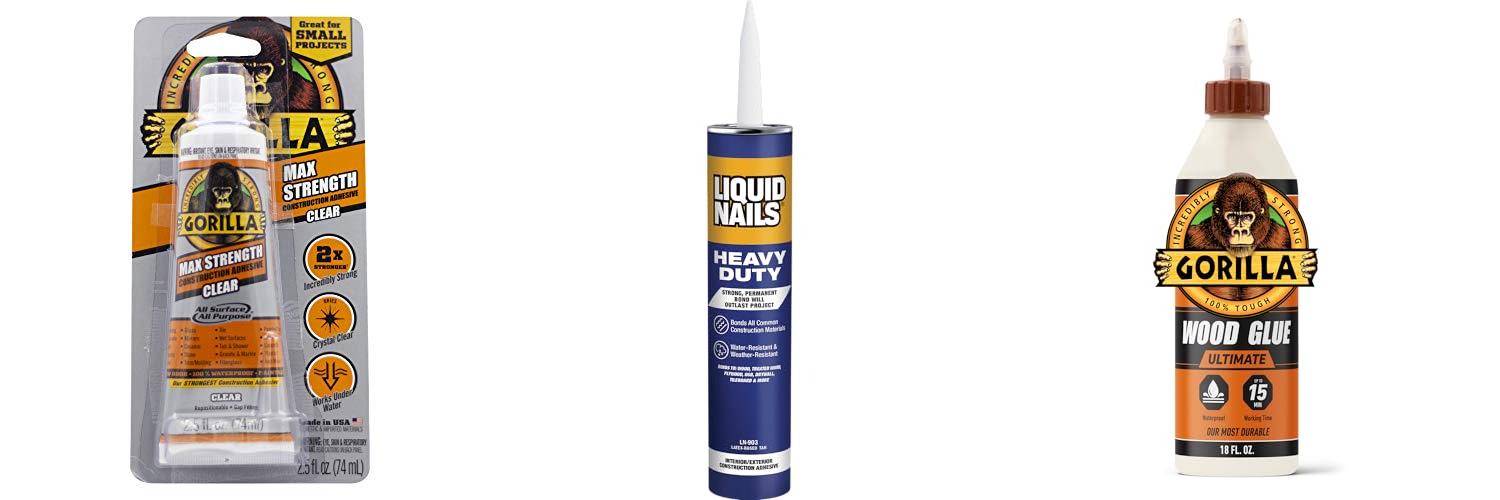
Ever tried to fix a wobbly chair or build a birdhouse, only to have your wood pieces fall apart? It’s frustrating when your hard work doesn’t stick! Choosing the right adhesive for wood can feel like a puzzle. There are so many types, and the wrong one can lead to weak joints or sticky messes.
But don’t worry! Understanding wood glues doesn’t have to be complicated. By the end of this post, you’ll know what makes different glues tick. You’ll learn how to pick the perfect sticky solution for your next project, whether it’s a small repair or a big build. Let’s dive in and make sure your wood projects stand the test of time!
Our Top 5 Adhesive For Wood Recommendations at a Glance
| Image | Product | Rating | Links |
|---|---|---|---|
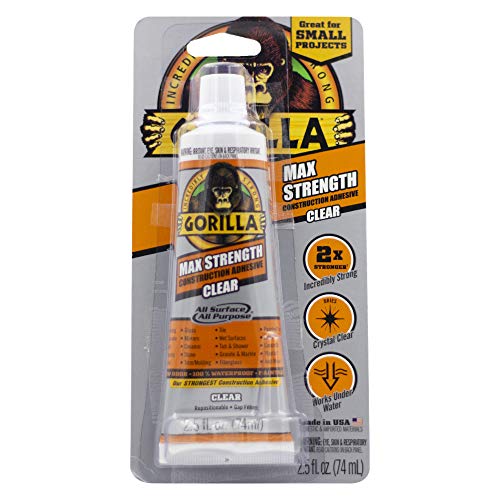 |
Gorilla Max Strength Construction Adhesive | 9.1/10 | Check Price |
 |
Liquid Nails Heavy Duty Construction Adhesive (LN903) | 9.5/10 | Check Price |
 |
Gorilla Ultimate Waterproof Wood Glue | 8.8/10 | Check Price |
 |
Franklin International 1412 Titebond-3 Glue | 9.1/10 | Check Price |
 |
Boncart Super Strong Wood Glue | 9.3/10 | Check Price |
Top 5 Adhesive For Wood Detailed Reviews
1. Gorilla Max Strength Construction Adhesive
Rating: 8.8/10
The Gorilla Max Strength Construction Adhesive is a seriously strong glue that can fix almost anything. It comes in a clear, 2.5-ounce squeeze tube, perfect for all your DIY projects and repairs. This glue is tough and waterproof, making it great for both inside and outside jobs. It even works underwater!
What We Like:
- It’s super strong, even stronger than other Gorilla glues.
- The glue dries clear, so your project looks neat and tidy.
- It works on lots of different materials, making it an all-purpose glue.
- It’s waterproof, so it can handle wet areas or outdoor use.
- You can paint over it once it dries, so it blends in perfectly.
- It can fill in small gaps, acting like a caulk for your home repairs.
What Could Be Improved:
- The 2.5-ounce tube might be a bit small for very large projects.
- It can be a little messy if you squeeze too hard.
This Gorilla Max Strength Construction Adhesive is a fantastic tool for anyone who likes to build or fix things. Its strength and versatility make it a must-have for your toolbox.
2. Liquid Nails Heavy Duty Construction Adhesive (LN903)
Rating: 9.4/10
When you need a bond that won’t quit, Liquid Nails Heavy Duty Construction Adhesive (LN903) is your go-to solution. This 10-ounce tube packs a serious punch, creating a strong bond that’s built to last longer than your project. It’s tough enough for the heaviest materials and works on a wide variety of surfaces, making it a versatile helper for any DIYer or professional.
What We Like:
- It creates a super strong bond that will last and last.
- This adhesive is waterproof and weatherproof, so it can handle any weather.
- It sticks to many building materials like wood, drywall, and tileboard.
- It holds things together really well.
- You can use it inside or outside.
- It fills gaps nicely, making your projects look neat.
- It’s also water resistant, durable, and flexible.
What Could Be Improved:
- The 10-ounce cartridge covers about 30 linear feet with a small bead, so larger projects might need multiple tubes.
- It can be a bit messy if you’re not careful when applying.
Liquid Nails Heavy Duty Construction Adhesive is a reliable choice for demanding jobs. Its strength and versatility make it a valuable tool for anyone building or repairing.
3. Gorilla Ultimate Waterproof Wood Glue
Rating: 8.8/10
The Gorilla Ultimate Waterproof Wood Glue is a game-changer for any DIYer or professional woodworker. This glue offers a super strong bond that can handle projects both inside and outside your home. It’s designed to be tough and resist all sorts of weather, making it perfect for furniture, decks, or anything else you can imagine. The natural wood color means your repairs will blend in beautifully.
What We Like:
- It works great inside and outside. It passes tough waterproof tests (ANSI/HPVA Type I).
- You get 15 minutes to work before it sets. This gives you plenty of time to get things just right.
- It holds strong against water, sun, and hot or cold weather.
- The glue dries to a natural tan color that looks good on different woods.
- It’s easy to sand and paint after it dries. This means you can finish your project perfectly.
- It’s a water-based glue that’s simple to use. You can easily clean it off your hands with soap and water.
What Could Be Improved:
- The 18-ounce bottle might be a lot for very small projects.
- While it’s versatile, it’s specifically for wood, so it won’t work on other materials.
This Gorilla glue provides a reliable and durable hold for any woodworking task. It’s an excellent choice for projects that need to last.
4. Franklin International 1412 Titebond-3 Glue
Rating: 9.2/10
The Franklin International 1412 Titebond-3 Glue is a strong, reliable choice for your DIY projects. This tan-colored glue comes in a convenient 4-ounce bottle. It’s made by Titebond, a trusted brand. You can use it for many different kinds of wood bonding. It dries to a tough finish.
What We Like:
- This glue is very strong.
- It holds wood pieces together firmly.
- The tan color blends well with many wood types.
- It is easy to spread and work with.
- The 4-ounce size is good for smaller projects.
What Could Be Improved:
- The country of origin is China, which might be a concern for some buyers.
- While the 4-ounce size is convenient, larger projects might require more glue.
This Titebond-3 glue is a solid performer for woodworking. It offers great strength and a natural look, making it a valuable addition to any toolkit.
5. Boncart Super Strong Wood Glue
Rating: 9.0/10
Tackling your next woodworking project? The Boncart Super Strong Wood Glue, 8.45fl.oz Clear, Waterproof for Heavy Duty Woodworking, Furniture Assembly (1 Pack) promises to be your go-to adhesive. This glue is designed to create super strong bonds for all your building and repair needs.
What We Like:
- It sticks really well to wood, making your projects last.
- The glue dries clear, so you won’t see messy lines.
- It’s waterproof, meaning it works inside and outside, no matter the weather.
- It sets up fast – clamped in just 20-30 minutes and fully dry in a day.
- Comes with a special tip and brushes for easy, even spreading.
- Works on many types of wood, from hard to soft, and even wood composites.
- It’s safe and not poisonous to use.
What Could Be Improved:
- The “super strong” claim is great, but it’s always good to test on scrap pieces first.
- While it’s quick to clamp, waiting the full 24 hours ensures maximum strength.
This Boncart wood glue is a reliable choice for anyone who loves to build, fix, or create with wood. It offers a strong, clean finish that will hold up to whatever you throw at it.
Choosing the Right Adhesive for Wood: A Smart Guide
When you work with wood, a strong bond is essential. Whether you’re building a birdhouse, fixing a wobbly chair, or creating a masterpiece, the right wood glue makes all the difference. This guide will help you pick the best adhesive for your project.
Key Features to Look For
When you shop for wood glue, keep these important features in mind:
- Bond Strength: This is how strong the glue holds two pieces of wood together. A strong bond means your project will last.
- Drying Time: Some glues dry fast, which is great for quick projects. Others dry slower, giving you more time to adjust your pieces.
- Water Resistance: If your project might get wet, choose a glue that can handle moisture. This prevents the wood from coming apart.
- Color: Wood glue comes in different colors. Clear glue is good for light-colored wood. Yellow or brown glue can match darker woods.
- Flexibility: Some glues dry hard and stiff. Others stay a little flexible, which is useful for joints that might move a bit.
- Toxicity/Fumes: Always check if the glue is safe to use indoors and if it has strong fumes. Look for low-VOC (volatile organic compounds) options for better air quality.
Important Materials and Types of Wood Adhesives
Different glues are made from different things. Knowing these materials helps you choose:
- PVA (Polyvinyl Acetate) Glues: These are the most common wood glues. They are water-based and easy to clean up.
- White PVA: Good for general woodworking and crafts. It dries clear and is not very water-resistant.
- Yellow PVA (Aliphatic Resin): This is stronger than white PVA and has better water resistance. It dries to a yellowish color, matching many woods.
- Polyurethane Glues: These glues are very strong and waterproof. They expand as they dry, filling small gaps. They can be a bit messy and require clamping.
- Cyanoacrylate (Super Glue): This glue dries very quickly and creates a strong bond. It’s best for small repairs or holding pieces in place while other glue dries. It’s not ideal for large areas.
- Epoxy: This is a two-part glue that, when mixed, creates an incredibly strong and waterproof bond. It’s excellent for structural repairs and projects that need to withstand a lot of stress.
- Hide Glue: This is an old-fashioned glue made from animal parts. It’s reversible with heat and moisture, which is useful for antique repairs. It’s not very water-resistant.
Factors That Improve or Reduce Quality
Several things affect how well your wood glue works:
- Surface Preparation: Wood surfaces must be clean and smooth for the best bond. Dust, oil, or old finishes can weaken the glue. Sanding the wood helps the glue stick better.
- Clamping: After applying glue, you need to clamp the pieces together. Clamps press the wood surfaces tightly against the glue, ensuring a strong bond. Without proper clamping, the glue joint will be weak.
- Moisture Content of Wood: Wood that is too wet or too dry can affect glue. Most glues work best on wood with normal moisture content.
- Temperature and Humidity: Extreme temperatures or very humid conditions can slow down drying or affect the glue’s strength. Follow the glue manufacturer’s recommendations for ideal conditions.
- Glue Application: Applying too little glue means a weak bond. Applying too much glue can squeeze out and create a mess, and it doesn’t necessarily make the bond stronger. A thin, even layer is usually best.
- Storage: Storing glue properly, with the cap on tight and in a cool, dry place, keeps it from drying out or becoming unusable. Old or improperly stored glue loses its effectiveness.
User Experience and Use Cases
The glue you choose depends on what you’re making and how you’ll use it.
- For Beginners and Small Projects: White or yellow PVA glues are easy to use. They are great for building simple furniture, assembling craft projects, or making repairs around the house. Cleanup is simple with water.
- For Outdoor Projects: If your project will be outside, like a garden bench or a bird feeder, choose waterproof glues like polyurethane or epoxy. These glues resist rain and moisture.
- For High-Stress Joints: When building furniture that needs to be very strong, like table legs or chair frames, epoxy or strong PVA glues are good choices. Proper clamping is crucial here.
- For Quick Fixes: For small breaks or when you need to hold something temporarily, cyanoacrylate glue is a lifesaver. It sets in seconds.
- For Fine Woodworking and Restoration: Hide glue is often used by woodworkers who want to be able to undo their work if needed, especially with valuable antique furniture.
Choosing the right wood adhesive might seem tricky, but by understanding these features and types, you can make a confident choice for your next project.
Frequently Asked Questions about Wood Adhesives
Q: What is the strongest type of wood glue?
A: Generally, epoxy and polyurethane glues offer the strongest bonds. However, a well-clamped PVA glue joint can be stronger than the wood itself.
Q: Can I use regular craft glue for wood?
A: Regular craft glue, often white PVA, can work for very light wood projects or paper-to-wood applications. For structural wood projects, it’s not strong enough.
Q: How long does wood glue take to dry?
A: Drying times vary. PVA glues can set in 30-60 minutes and reach full strength in 24 hours. Polyurethane and epoxy glues can have different curing times, often a few hours to full strength.
Q: Do I need to clamp wood after gluing?
A: Yes, clamping is very important. It holds the pieces tightly together while the glue dries, ensuring a strong connection.
Q: Can I paint or stain over wood glue?
A: Most PVA glues dry clear or yellowish and can be painted or stained. However, some glues may create a slight sheen that doesn’t take stain the same way as wood. Test in an inconspicuous area first.
Q: How do I clean up wood glue?
A: For water-based PVA glues, use a damp cloth before the glue dries. For polyurethane or epoxy, follow the manufacturer’s instructions, as they may require specific solvents.
Q: Is wood glue waterproof?
A: Not all wood glues are waterproof. PVA glues offer varying degrees of water resistance. Polyurethane and epoxy glues are typically waterproof.
Q: Can I use wood glue on particle board or MDF?
A: Yes, most wood glues work well on particle board and MDF. However, these materials can be porous, so you might need to use more glue or seal the surface first.
Q: What does “open time” mean for wood glue?
A: Open time is the period during which you can apply glue, assemble the pieces, and make adjustments before the glue starts to set.
Q: How should I store wood glue?
A: Store wood glue with the cap tightly closed in a cool, dry place away from direct sunlight and extreme temperatures to prevent it from drying out or freezing.
In conclusion, every product has unique features and benefits. We hope this review helps you decide if it meets your needs. An informed choice ensures the best experience.
If you have any questions or feedback, please share them in the comments. Your input helps everyone. Thank you for reading.