
Can you cut porcelain tile with a wet saw? Yes, absolutely! A wet saw is the ideal tool for precisely cutting through dense materials like porcelain tile, as well as ceramic tile and even floor tile. This comprehensive guide will walk you through everything you need to know about using a wet saw for your tiling projects, ensuring clean, accurate cuts every time. We’ll cover essential safety precautions, how to set up your saw, the proper technique for cutting, and crucial tile cutting tips to make your DIY tiling journey a success.
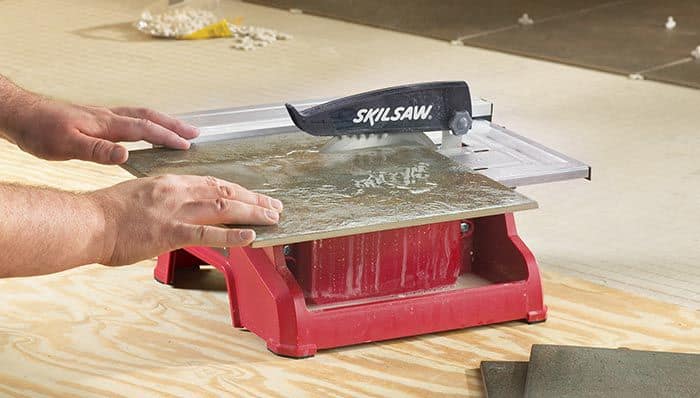
Image Source: mobileimages.lowes.com
Why Use a Wet Saw for Tile Cutting?
When it comes to achieving professional-looking results in your tiling projects, the right tools make all the difference. While other methods exist for cutting tile, the wet saw for tile stands out as the superior choice for several key reasons:
- Precision and Accuracy: A wet saw, with its rotating wet saw blade and water reservoir, allows for incredibly precise cuts. This is crucial for intricate designs, fitting tiles around obstacles, or creating perfect edges for a polished finish.
- Clean Cuts: The water system lubricates the blade and dramatically reduces dust. This not only makes for a cleaner working environment but also prevents the tile from chipping or cracking due to excessive heat build-up.
- Efficiency: For larger projects or when cutting a high volume of tiles, a wet saw significantly speeds up the process compared to manual methods. It can power through even the hardest materials like porcelain with relative ease.
- Versatility: Modern wet saws are designed to handle a wide range of tile types, including cutting porcelain tile, cutting ceramic tile, natural stone, and even cutting floor tile, which is often thicker and harder than wall tiles.
- Reduced Heat and Dust: The water spray cools the blade and the tile, preventing the blade from overheating and dulling quickly. It also suppresses the airborne silica dust, which is harmful to your lungs.
Essential Tile Saw Safety
Before you even think about powering on your wet saw for tile, prioritizing tile saw safety is paramount. Working with power tools, especially those that spin at high speeds, requires careful attention to prevent accidents.
Personal Protective Equipment (PPE)
- Safety Glasses or Goggles: This is non-negotiable. Tile chips and water can fly at high speeds. Always wear well-fitting safety glasses or goggles to protect your eyes from debris.
- Hearing Protection: While not all wet saws are excessively loud, prolonged exposure can still be damaging. Earplugs or earmuffs are recommended.
- Gloves: Waterproof gloves will keep your hands dry and protected from the water and any sharp edges of the tile.
- Closed-Toe Shoes: Protect your feet from falling tiles or accidental contact with the saw.
Safe Operating Procedures
- Read the Manual: Every wet saw for tile is slightly different. Always read and familiarize yourself with the manufacturer’s instructions and safety warnings before operation.
- Stable Surface: Ensure the saw is placed on a stable, level surface. A wobbly saw can lead to inaccurate cuts and increase the risk of accidents.
- Secure the Tile: Never try to hold the tile with your hands while it is being cut. Most wet saws have a sliding table or a miter gauge to guide the tile safely.
- Keep Hands Clear: Keep your hands and fingers well away from the spinning blade at all times.
- No Loose Clothing or Jewelry: Avoid wearing loose clothing, bracelets, necklaces, or anything that could get caught in the moving parts of the saw.
- Never Force the Cut: Let the wet saw blade do the work. Forcing the tile can cause it to chip, break, or kick back.
- Water Level: Always ensure the water reservoir is adequately filled. Low water levels can cause the blade to overheat and become damaged.
- Power Off When Not in Use: Turn off and unplug the saw before making any adjustments, cleaning it, or changing the blade.
Knowing Your Wet Saw Components
To effectively operate a wet saw for tile, it’s helpful to know the different parts and their functions:
- Motor: The powerhouse that spins the blade.
- Blade Arbor: The shaft where the wet saw blade is mounted.
- Water Reservoir/Tray: Holds the water that cools the blade and suppresses dust.
- Water Pump: Circulates water from the reservoir to the blade.
- Blade Guard: A protective cover for the blade.
- Sliding Table or Miter Guide: Guides the tile through the blade for accurate cuts.
- Water Supply/Hose (on some models): Connects to a water source for continuous cooling.
- On/Off Switch: To power the saw.
Choosing the Right Wet Saw Blade
The wet saw blade is the most critical component for successful tile cutting. Different blades are designed for different materials and types of cuts.
Blade Types
- Continuous Rim Blades: These are excellent for smooth, clean cuts on delicate materials like glass or polished porcelain. They produce less chipping.
- Segmented Blades: These have gaps or “segments” along the rim. They are designed for faster cutting and are better suited for harder, rougher materials like thick porcelain or natural stone. They can also handle a lot of material removal.
- Diamond Blades: All wet saw blades are diamond blades, meaning the cutting edge is impregnated with industrial diamonds. The difference lies in the rim design.
Blade Selection for Tile Types
- Cutting Ceramic Tile: Continuous rim blades are generally best for ceramic tile, especially glazed varieties, to ensure a smooth, chip-free finish.
- Cutting Porcelain Tile: Porcelain is much denser and harder than ceramic. A good quality continuous rim blade specifically rated for porcelain or a fine-segmented blade will work well. For very thick porcelain, a segmented blade might offer faster cutting.
- Cutting Floor Tile: Floor tiles can vary greatly. Thicker, harder floor tiles will benefit from a robust continuous rim or a fine-segmented blade.
Blade Maintenance
- Keep it Clean: After each use, rinse the blade thoroughly to remove any debris.
- Check for Wear: Inspect the blade regularly for signs of wear or damage. A worn blade will cut slower, produce more chipping, and can be dangerous.
- Replace When Necessary: Don’t try to push a blade beyond its lifespan. A new, sharp blade will make your job much easier and safer.
How to Use a Wet Saw: Step-by-Step
Now that you’re equipped with the knowledge of safety and blades, let’s dive into how to use a wet saw for effective tile cutting.
1. Setup and Preparation
- Choose a Location: Set up your wet saw for tile in a well-ventilated area, preferably outdoors or in a garage with the door open. Ensure it’s near a GFCI-protected electrical outlet.
- Fill the Water Reservoir: Remove the water tray and fill it with clean water according to the manufacturer’s instructions. Do not overfill. Reinsert the tray.
- Install the Blade: Ensure the saw is unplugged. Mount the wet saw blade onto the arbor, making sure it’s the correct direction of rotation (often indicated by an arrow on the blade or guard). Tighten the blade nut securely.
- Test the Water Pump: Plug in the saw and turn it on briefly to ensure the water pump is working and water is flowing to the blade. Turn it off.
- Adjust Guides: Familiarize yourself with the sliding table or miter guide. Ensure they move smoothly and are set to the desired cutting angle (usually 90 degrees for straight cuts).
2. Making Straight Cuts
Straight cuts are the most common type of tile cutting you’ll perform.
- Mark Your Cut Line: Use a pencil or marker to clearly mark the cut line on the tile. For precise cuts, especially when fitting around edges, it’s often best to line up the blade with the waste side of your mark.
- Position the Tile: Place the tile on the sliding table or against the miter guide. Align your marked cut line with the wet saw blade. Ensure the tile is flat and stable.
- Start the Saw: Turn on the wet saw for tile. Wait for the blade to reach full speed.
- Perform the Cut: Gently and steadily push the tile through the blade using the sliding table or miter guide. Do not force the tile. Let the blade do the work. Maintain a consistent, smooth motion.
- Complete the Cut: Continue pushing the tile until the entire cut is complete.
- Turn Off the Saw: Once the tile has passed through, turn off the saw and wait for the blade to stop completely before removing the cut tile.
3. Making Mitre and Bevel Cuts
Many wet saws allow for angled cuts, which are essential for corners and decorative edges.
- Adjust the Blade Angle: Most saws have a mechanism to tilt the blade or the cutting table to a specific angle (e.g., 45 degrees). Consult your saw’s manual for this adjustment.
- Mark and Position: Mark your tile and position it as you would for a straight cut, ensuring the angle adjustment is locked in place.
- Cut Carefully: Perform the cut as described for straight cuts, paying extra attention to maintaining a steady pace and keeping your hands clear.
4. Making Plunge Cuts (Cutting Out Sections)
Plunge cuts are used to remove sections from the middle of a tile, such as for cutouts around pipes or electrical boxes.
- Mark the Area: Clearly mark the area to be removed.
- Start the Saw: Turn on the wet saw.
- Slowly Lower Blade: Gently lower the wet saw blade into the tile at the starting point of your cut.
- Guide the Blade: Slowly guide the blade along your marked line to cut out the desired section.
- Complete and Remove: Once the section is removed, turn off the saw and wait for the blade to stop before removing the tile.
5. Cutting Floor Tile and Other Tough Materials
Cutting floor tile, especially porcelain, requires a bit more patience and a good quality wet saw blade.
- Use a Powerful Saw: Ensure your wet saw has sufficient power for dense materials.
- Sharp Blade: A sharp, appropriate blade (continuous rim for clean edges, segmented for speed on very hard tiles) is crucial.
- Slow and Steady: Do not rush the cut. A slower, consistent feed rate prevents overheating and chipping.
- Water Flow: Ensure the water flow is adequate to keep the blade and tile cool.
- Support Long Tiles: If cutting very long floor tiles, ensure they are well-supported to prevent them from sagging or breaking during the cut.
Tile Cutting Tips for Professional Results
Beyond the basic operation, these tile cutting tips will elevate your results and make the process smoother:
- Measure Twice, Cut Once: This old adage is especially true in tiling. Double-check all your measurements and markings before making a cut.
- Dry Fit: Before committing to a cut, place the uncut tile in its position to visualize the cut needed. This helps confirm measurements and angles.
- Use a Pencil for Marks: A pencil is usually the best marking tool as it can be easily wiped off.
- Score and Snap (for some straight cuts): For very simple, straight cuts on less dense tiles, a manual tile cutter might be sufficient. However, for precision and harder materials, the wet saw is superior.
- Practice on Scraps: If you’re new to tile cutting, practice on scrap pieces of tile first. Get a feel for how the saw cuts different materials.
- Blade Cooling is Key: Never let the water reservoir run dry. The water is your best friend for a good cut and a long-lasting blade.
- Clean the Saw After Use: Rinse out the water tray and wipe down the saw to prevent mineral buildup and rust. This prolongs the life of your tool.
- Manage Water Splash: While wet saws minimize dust, they do create water splash. Use a tarp or protective sheeting around the saw if indoors.
- Blade Alignment: Periodically check that the blade is properly aligned with the saw’s guides.
Maintaining Your Wet Saw
Proper maintenance ensures your wet saw for tile performs optimally and lasts for years.
Regular Cleaning
- Empty and Rinse: After each significant use, empty the water reservoir, rinse out all debris, and wipe it dry.
- Clean the Blade: Rinse the wet saw blade thoroughly.
- Wipe Down the Saw: Clean the exterior of the saw and any accessible internal components to remove water spots and debris.
Blade Care
- Inspect Regularly: Check your blade for dullness, chips, or excessive wear.
- Replace When Needed: A dull blade is inefficient and dangerous. Replace it promptly.
Water Pump and Filter
- Check for Blockages: Ensure the water pump intake is clear of debris. Some saws have a filter that needs cleaning.
- Pump Functionality: If you notice reduced water flow, the pump might be clogged or failing.
Troubleshooting Common Wet Saw Issues
Even with the best practices, you might encounter some challenges.
Issue: Excessive Chipping or Breaking
- Possible Cause: Dull blade, forcing the cut, wrong blade type for the material, insufficient water.
- Solution: Use a sharper blade, let the saw cut at its own pace, ensure you’re using a blade suitable for porcelain if cutting porcelain, check water flow.
Issue: Slow Cutting
- Possible Cause: Dull blade, material too hard for the blade, not enough water.
- Solution: Replace the blade, use a blade designed for harder materials, ensure adequate water flow.
Issue: Blade Wandering or Not Cutting Straight
- Possible Cause: Loose blade arbor nut, warped blade, inaccurate alignment of guides, uneven pressure.
- Solution: Check and tighten the blade arbor nut, inspect the blade for damage and replace if necessary, ensure guides are properly aligned and locked, maintain steady pressure.
Issue: Saw Not Cutting, Motor Humming
- Possible Cause: Blade is jammed, motor overload, or the blade is too dull and causing excessive resistance.
- Solution: Turn off the saw immediately. Check for jams. If the blade is extremely dull, it might be causing an overload. Try a fresh blade.
Frequently Asked Questions (FAQ)
Q1: Can I use a regular circular saw blade on a wet saw?
No, absolutely not. Wet saws are designed specifically for diamond-tipped wet saw blades. Using a standard circular saw blade will not only be ineffective but extremely dangerous, as it will likely shatter.
Q2: How often should I change the water in the reservoir?
It’s best to change the water whenever it becomes excessively cloudy or filled with debris. For extended projects, changing it daily or even more frequently is a good practice to keep the blade cool and the cut clean.
Q3: Can a wet saw cut stone tiles?
Yes, many wet saws can cut natural stone tiles like granite or marble. You will need to ensure you are using a high-quality, segmented diamond blade designed for stone, and always prioritize tile saw safety.
Q4: Do I need to score the tile before using a wet saw?
For most tile types and with a proper wet saw, scoring is not necessary. The saw’s blade is designed to cut directly through the material.
Q5: How do I cut curves with a wet saw?
While some specialized wet saws or accessories exist for curve cutting, standard wet saws are primarily designed for straight, miter, and bevel cuts. For intricate curves, a rotary tool with a diamond bit or specialized tile nippers might be more appropriate after making initial cuts with the wet saw.
By following this guide, you’ll be well-equipped to tackle your tile cutting needs with confidence and achieve professional results. Remember, safety first, always use the right tools, and take your time. Happy tiling!