
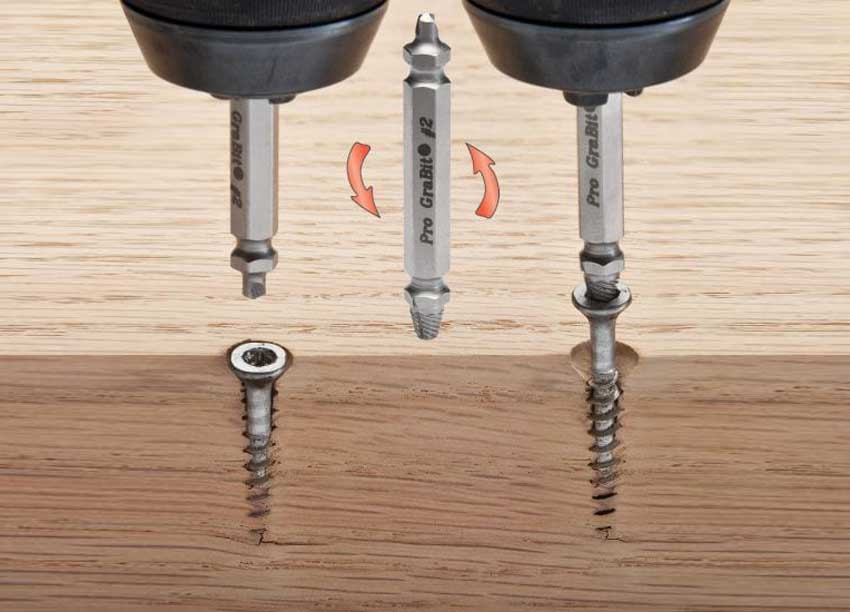
Image Source: www.protoolreviews.com
Easy Screw Extraction: How To Use A Screw Extractor Without A Drill
Can you use a screw extractor without a drill? Yes, you absolutely can use a screw extractor without a drill, especially for manual screw removal and stripped screw removal by hand. While drills are common tools for screw extraction, many situations and specific tools allow for effective hand-powered screw extractor use, making bolt extractor without drilling a viable option. This guide will walk you through extracting damaged screws manually using hand tools for broken screws, detailing various non-drilling screw removal techniques for those times you need replacing screws without a drill, removing stuck screws without power tools, or when you need manual extraction of stripped bolts.
Why You Might Need to Extract Screws Without a Drill
There are several common scenarios where a drill isn’t the best or even a possible solution for a stubborn or broken screw:
- Delicate Materials: When working with soft woods, plastics, or even certain metals, the pressure and torque from a drill can cause further damage, cracking, or stripping of the surrounding material. Manual methods offer more control.
- Confined Spaces: Sometimes, a screw is located in an area where a drill simply won’t fit or maneuver properly. Tight corners, intricate machinery, or furniture with tight clearances demand a more compact approach.
- Power Outages or Lack of Power: Not every project happens in a well-equipped workshop. You might be working outdoors, on a remote site, or simply experience a power cut. Manual tools are your reliable backup.
- Preventing Further Damage: If a screw head is already badly damaged or stripped, using a drill might make the situation worse by further eroding the remaining grip. Hand tools allow for a gentler, more precise application of force.
- Specific Screw Types: Some fasteners are designed for manual assembly and removal, and using a drill on them can be counterproductive or unnecessary.
Types of Screw Extractors and Their Manual Application
Screw extractors are ingenious tools designed to bite into damaged screw heads, providing a grip where the original screwdriver or wrench failed. While many are designed for use with a drill, several types are perfectly suited for manual operation.
1. Screw Extractors with a Tapered, Spiral Flute (The Most Common Manual Type)
These are the most widely recognized screw extractors. They typically come in sets with varying sizes.
- How they work: The extractor has a reverse spiral flute. You create a pilot hole (sometimes necessary, but not always when working without a drill) and then thread the extractor into the damaged screw counter-clockwise. As you turn the extractor, its flutes dig into the screw, and the reverse threading action unscrews the damaged fastener.
- Manual Use:
- Preparation: Ensure the screw head is as clean as possible. If there’s debris in the slot or recess, try to remove it with a pick or small brush.
- Center Punching: This is a crucial first step for manual extraction. Use a center punch and a hammer to create a small indentation precisely in the center of the damaged screw head. This guides the extractor and prevents it from wandering.
- Selecting the Right Size: Choose an extractor that is slightly smaller than the diameter of the screw shaft. The set will usually provide guidance on which extractor to use for specific screw sizes.
- Initial Insertion: Gently tap the end of the extractor with a hammer to seat it firmly into the center punch mark.
- Turning the Extractor: This is where the “without a drill” part comes in. You’ll need a tool to turn the extractor. Common options include:
- Tap Wrench (or T-Handle Wrench): This is the ideal tool for manual extraction. It provides excellent leverage and control for turning the extractor slowly and steadily.
- Adjustable Wrench or Pliers: For smaller extractors, an adjustable wrench or a good quality pair of locking pliers (like Vise-Grips) can be used to grip the hexagonal or square shank of the extractor.
- Socket Wrench: If the extractor has a hexagonal base, a socket wrench is a great option for applying steady torque.
- The Extraction Process: Apply firm, consistent downward pressure while slowly turning the tap wrench or your chosen turning tool counter-clockwise. You’re aiming for the extractor to bite into the screw material. As it bites, the damaged screw should start to turn out. Don’t rush; steady pressure is key. If the extractor slips, you might need to re-center punch and try again, or use a slightly larger extractor.
2. Screw Grab or Screw Glue
While not a traditional “extractor” in the sense of a tool that bites, these products are excellent for stripped screw removal by hand when the screw head is mostly intact but the slot or recess is too damaged for a screwdriver.
- How they work: These are typically abrasive compounds or special glues that increase friction between your screwdriver and the stripped screw head.
- Manual Use:
- Apply a small amount of the screw grab compound to the stripped screw head’s recess.
- Insert your screwdriver firmly into the head.
- Apply downward pressure and slowly attempt to turn the screw. The compound fills the gaps and provides a much better grip for the screwdriver.
- For screw glues, you might need to let it cure for a short period (follow product instructions) to create a solid bond before attempting to turn.
3. Pliers and Locking Pliers (Vise-Grips) for Exposed Screw Heads
If the screw head is raised enough above the surface, you might be able to grip it directly.
- How they work: These tools physically grip the outside of the screw head.
- Manual Use:
- Preparation: Ensure the screw head is accessible and relatively clean.
- Grip: Use a pair of strong pliers or, ideally, locking pliers. Lock the pliers firmly around the circumference of the screw head.
- Turning: Slowly and steadily turn the pliers counter-clockwise. Apply a slight upward pull as you turn, if possible, to help break the screw’s seal. Be careful not to crush the screw head too much, as this can make it harder to grip.
4. Specialized Manual Screw Extractors (Less Common but Effective)
Some kits are designed specifically for manual operation, often featuring robust T-handles or ratcheting mechanisms that work directly with extractor bits.
- How they work: These are integrated systems where the extractor bit is held by a handle designed for hand torque.
- Manual Use: Follow the instructions for the specific kit. Typically, it involves selecting the correct extractor bit, seating it in the damaged screw head, and then using the handle to slowly turn it counter-clockwise.
Step-by-Step Guide to Using a Screw Extractor Manually
Let’s break down the process for the most common type of manual screw extractor (tapered, spiral flute).
Step 1: Assess the Damage and Select Your Tools
- Examine the Screw: How badly is the head damaged? Is the slot stripped? Is the head broken off?
- Gather Your Tools:
- Screw extractor set (with a tap wrench or suitable alternative for turning)
- Center punch and hammer
- Safety glasses (essential!)
- Gloves (optional, but recommended for grip and protection)
- Penetrating oil (like WD-40 or PB Blaster)
- Cleaning brush or pick
- Piece of cloth
Step 2: Prepare the Screw Head
- Clean: Remove any dirt, paint, or debris from the screw head. This ensures better grip for your tools and the extractor.
- Apply Penetrating Oil: If the screw is seized or rusted, spray a generous amount of penetrating oil onto the screw and surrounding area. Let it soak in for at least 15-30 minutes, or even longer if possible. Tap the screw head lightly with a hammer to help the oil penetrate the threads.
Step 3: Create a Pilot Indentation (Center Punching)
- Safety First: Put on your safety glasses.
- Position the Punch: Place the sharp point of the center punch directly in the center of the damaged screw head.
- Hammer Gently: Give the end of the center punch a firm tap with the hammer. You’re not trying to drill a hole, just create a small, conical indentation. This indentation will guide the screw extractor and prevent it from slipping sideways. Repeat with a slightly harder tap if the initial indentation isn’t deep enough for the extractor’s tip.
Step 4: Select and Insert the Correct Screw Extractor
- Choose the Extractor: Select an extractor from your set that is appropriately sized for the screw you are trying to remove. The wider end of the extractor should be slightly smaller than the screw’s shaft diameter, and the tapered end should fit into the indentation you made.
- Seat the Extractor: Place the tapered end of the screw extractor into the center-punched indentation.
- Tap it In: Gently tap the blunt end of the extractor with your hammer. This helps the extractor’s sharp edges to bite into the screw material, creating a more secure connection.
Step 5: The Manual Extraction Process
- Attach Your Turning Tool:
- If using a tap wrench, slide the extractor’s shank into the chuck of the tap wrench and tighten it securely.
- If using an adjustable wrench or socket, fit it over the hexagonal or square base of the extractor.
- Apply Pressure and Turn:
- Hold the extractor firmly in place with your turning tool.
- Apply steady downward pressure on the extractor. This is crucial to keep the extractor engaged with the screw.
- Slowly begin to turn the tap wrench (or your chosen tool) counter-clockwise. You’ll feel the extractor starting to bite into the screw.
- Continue turning slowly and steadily. As the extractor bites deeper, the damaged screw should begin to unscrew.
- Troubleshooting During Extraction:
- Slipping: If the extractor slips, stop immediately. You might need to re-center punch the screw head or try a slightly larger extractor. Ensure you are applying enough downward pressure.
- Stubborn Screw: If the screw doesn’t budge, apply more penetrating oil and let it soak longer. Gentle tapping with the hammer on the turning tool can sometimes help break the seizure.
- Extractor Breaking: This is rare with proper manual use, but if the extractor itself breaks inside the screw, you have a more difficult problem that might require drilling or professional help.
Step 6: Final Removal and Cleanup
- Once Loose: Once the screw is free, you can usually remove it by hand or with pliers if it’s still partially gripped by the extractor.
- Clean the Hole: Clean out any metal shavings or debris from the screw hole.
- Replace the Screw: Use a new screw of the correct size and type. If the threads in the material were damaged, you might need to use a tap to clean them or consider a slightly larger screw or a thread repair insert.
Alternative Non-Drilling Screw Removal Techniques
Beyond standard screw extractors, other hand tools for broken screws and methods can be effective for extracting damaged screws manually.
1. Using a Dremel or Rotary Tool with a Cutting Disc
While a drill is a power tool, a Dremel or similar rotary tool offers more precision for creating a new slot.
- How it works: You use a thin cutting disc attachment to carefully cut a new, deeper slot across the damaged screw head.
- Manual Use:
- Safety: Wear safety glasses and gloves.
- Cut a New Slot: Carefully guide the cutting disc across the screw head, creating a straight, clean slot. The slot should be deep enough for a flathead screwdriver to get a good grip.
- Extract: Insert a flathead screwdriver into the newly cut slot and attempt to turn the screw counter-clockwise.
2. Left-Handed Drill Bits (Used Manually)
While primarily designed for use with a drill, left-handed drill bits can sometimes be used manually if the screw head isn’t completely destroyed.
- How it works: These bits are designed to cut in the reverse (counter-clockwise) direction. As you attempt to drill, the bit can sometimes catch the damaged screw and unscrew it.
- Manual Use:
- Center Punch: Create a center punch mark.
- Select Bit: Choose a left-handed drill bit that is smaller than the screw shaft.
- Manual Turning: Use a tap wrench or a suitable tool to turn the left-handed drill bit counter-clockwise. Apply steady pressure. If the bit bites into the screw, it might unscrew it. This method requires significant hand strength and control.
3. Hammer and Chisel for Stuck Fasteners
For very stubborn screws where the head is accessible and somewhat intact, a hammer and chisel can sometimes work.
- How it works: You use a sharp chisel to tap the edge of the screw head, rotating it counter-clockwise.
- Manual Use:
- Position the Chisel: Place the sharp edge of a chisel against the outer edge of the screw head, at an angle that will encourage counter-clockwise rotation.
- Tap and Turn: Strike the end of the chisel firmly with a hammer, imparting a rotational force to the screw. Move the chisel to a new spot on the screw head and repeat, gradually turning the screw out.
4. Using a Nut Splitter (for bolts, not screws, but relevant for similar situations)
While not for screws, if you encounter a seized bolt where the nut is the problem, a nut splitter is a purely manual tool that cracks the nut open.
- How it works: A wedge is driven into a slit in the nut, forcing it apart and breaking the grip on the bolt threads.
- Manual Use: Place the nut splitter around the nut, position the wedge, and use a hammer or wrench to drive the wedge, splitting the nut.
Best Practices for Manual Screw Extraction
- Patience is Key: Rushing the process often leads to more damage or broken tools. Take your time.
- Firm Downward Pressure: Most manual extraction methods rely on keeping the tool firmly engaged with the screw.
- Steady, Consistent Torque: Avoid jerky movements. Smooth, controlled turning is more effective and less likely to cause further damage.
- Lubrication: Always try penetrating oil first on seized fasteners.
- Safety Gear: Always wear safety glasses. Metal shards can fly unexpectedly.
- Right Tool for the Job: Ensure you have the correct size extractor and a suitable tool for turning it.
- Know When to Stop: If a method isn’t working and you’re making the situation worse, it’s better to stop and reassess, or seek professional help.
When Manual Extraction Might Not Be Enough
While this guide focuses on removing stuck screws without power tools, there are situations where manual methods will struggle, and drilling might become unavoidable or even the only recourse.
- Completely Broken-Off Screw Heads: If the screw head has broken off flush with or below the surface, creating a new slot or grip point is impossible.
- Extremely Hard Materials: Some hardened steel screws or fasteners in very hard metal might be too tough for manual extractors to bite into effectively.
- Deeply Seized Threads: Extremely corroded or cross-threaded fasteners may require the power and precision of a drill to break free.
- Very Small or Delicate Screws: While some small extractors exist, working with very tiny, damaged screws manually can be challenging due to the limited grip and control.
In these instances, you might need to resort to drilling a pilot hole for a more robust extractor bit designed for a drill, or even drilling the entire screw out. However, for many common household and workshop problems, these manual techniques provide effective solutions for manual extraction of stripped bolts and other fasteners.
Frequently Asked Questions (FAQ)
Q1: Do I really need a special screw extractor, or can I use other tools?
While various tools like pliers and chisels can work in some specific situations for manual screw removal, dedicated screw extractors are designed with reverse threads that bite into the damaged screw head. They offer a much higher success rate, especially for stripped screw removal by hand where the original slot is unusable. Using a hand-powered screw extractor is often more effective than improvising with general tools.
Q2: What if the screw is broken off flush with the surface?
If the screw head is completely broken off and flush with the surface, non-drilling screw removal techniques become very difficult. Standard screw extractors require some part of the screw head to remain so you can center punch and seat the extractor. In such cases, you might need to use a specialized center drill or a very small left-handed drill bit manually to create a starting point for an extractor, or consider professional tools.
Q3: How do I prevent stripping screws in the first place?
Using the correct size and type of screwdriver bit is crucial. Ensure the bit is fully seated in the screw head before applying torque. Don’t overtighten screws, especially in softer materials. If a screw feels like it’s starting to strip, stop immediately and reassess.
Q4: Can I use screw extractors on machine screws and bolts?
Yes, screw extractors can be used on both machine screws and bolts, provided they have a head that can be accessed for center punching and seating the extractor. The principle of manual extraction of stripped bolts is the same as for screws.
Q5: My screw extractor broke inside the screw. What now?
This is a frustrating situation. If the extractor broke off flush or below the surface, and it’s made of hardened steel, manual methods are unlikely to work. You may need to use a Dremel with a grinding bit to try and grind down the broken extractor, or use a very small, sharp chisel to try and break it apart. In severe cases, professional assistance or specialized drilling techniques might be required. This highlights the importance of using the correct size extractor and applying steady, controlled force.
Q6: What’s the difference between a screw extractor and a screw extractor bit?
A screw extractor generally refers to the conical, reverse-threaded piece of metal itself. A screw extractor bit is typically the same type of extractor but designed with a shank that fits directly into the chuck of a drill or a T-handle driver. For manual screw removal, you’ll often use an extractor bit with a T-handle or tap wrench.
Q7: Is there a way to remove a screw without damaging the surrounding material?
Manual methods are generally gentler than power tools. By using controlled pressure with a hand-powered screw extractor and a tap wrench, you minimize the risk of damaging the material around the screw. Taking care during the center punching and extraction phases is key to replacing screws without a drill and keeping the surrounding material intact.