
Curious about the cost to drill a water well? The average well drilling cost can range significantly, typically from $6,000 to $15,000 or more, depending on many factors. This guide will break down what influences well drilling cost, help you get a well drilling estimate, and explain the cost of water well system installation. We’ll cover everything from water well drilling prices to residential well drilling cost and the specifics of rural water well cost and drilling a new well cost.
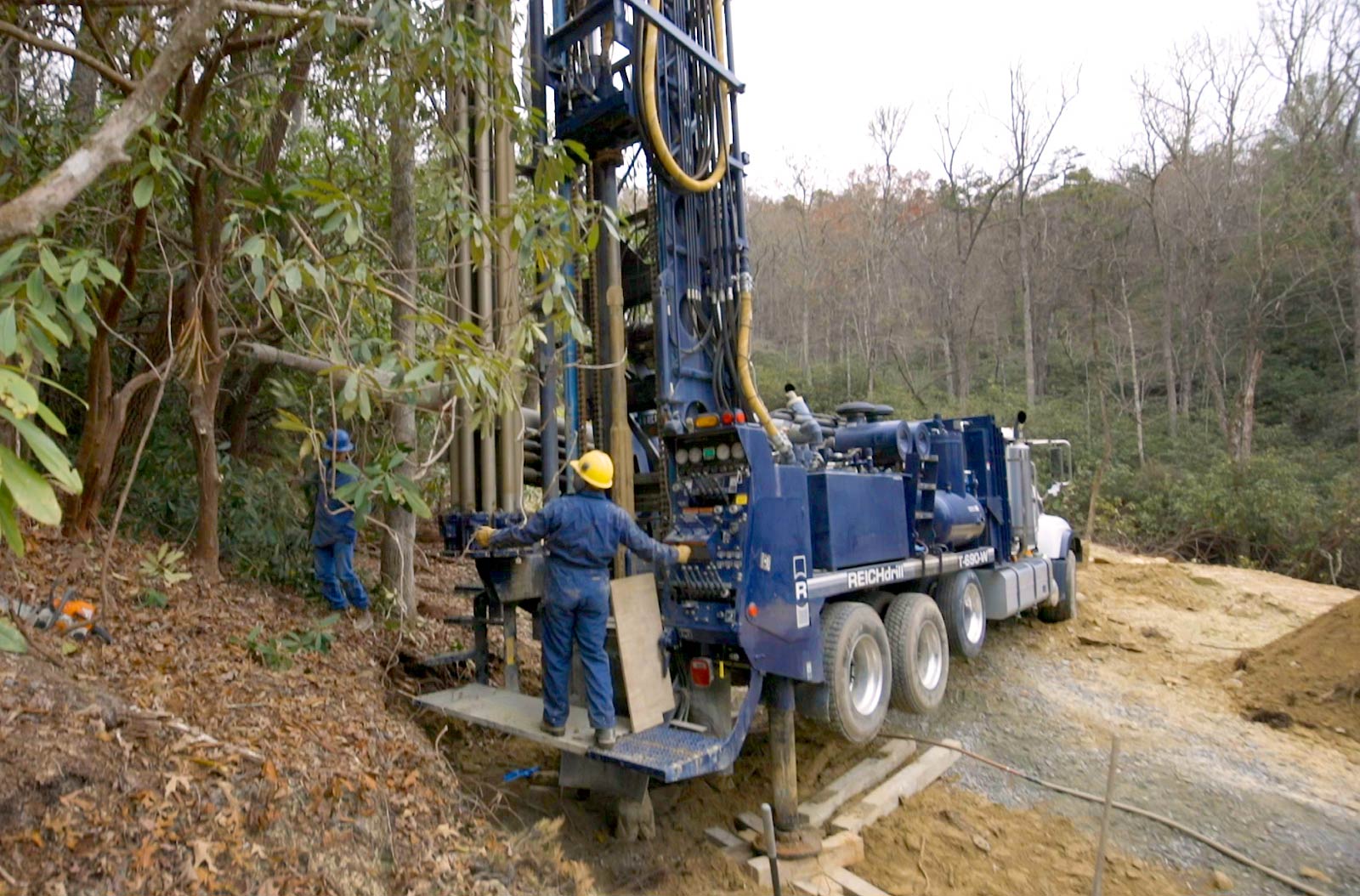
Image Source: merrillresources.com
The Basics of Well Drilling Costs
Drilling a water well is a significant investment, but it can provide a reliable, independent water source for your home, farm, or business. Understanding the various components that contribute to the overall water well installation cost is crucial for budgeting and making informed decisions. It’s not just about the depth; many other elements play a role.
What Determines the Price of a Water Well?
Several key factors influence how much you’ll pay. Think of it like building a house – the size, materials, and location all impact the final price. Similarly, for a water well, the following are primary cost drivers:
- Depth of the Well: This is often the biggest factor. The deeper you need to drill to reach a reliable aquifer, the more time, labor, and materials will be required.
- Geological Conditions: The type of soil and rock you encounter during drilling can significantly affect the well drilling cost. Hard rock requires specialized equipment and more time, driving up prices. Soft soil or sand can be easier but may require more casing to prevent collapse.
- Location and Accessibility: If your property is remote or difficult to access, the drilling company will incur higher transportation costs for their equipment and crew. This will be reflected in the water well drilling prices.
- Well Casing and Screen: These are essential components that support the well bore and filter out sediment. The type of material (steel, PVC), diameter, and length all affect the cost.
- Pump and Water Storage: While not strictly part of the drilling itself, the pump, pressure tank, and any necessary storage tanks are crucial parts of the cost of water well system and are usually factored into the total project.
- Permits and Regulations: Local government agencies often require permits for drilling a well, and these come with fees. Regulations might also dictate specific casing requirements or testing procedures, adding to the overall expense.
- Water Quality Testing: After drilling, the water will need to be tested for contaminants. While often a separate cost, it’s a necessary part of ensuring a safe water supply.
- Contractor’s Overhead and Profit: Like any business, drilling companies have operational costs, including insurance, equipment maintenance, and employee wages, which are factored into their bids.
Breaking Down the Costs: What You’re Paying For
When you receive a well drilling estimate, it’s usually broken down into several line items. Comprehending these elements helps you appreciate the water well installation cost.
1. Drilling and Labor
This is the core of the expense. It covers:
- Drilling Rig Mobilization: Bringing the drilling equipment to your site.
- Drilling Operations: The actual process of drilling, which can be time-consuming, especially in difficult conditions.
- Labor Costs: The wages for the skilled drillers and their crew.
- Fuel and Maintenance: The cost of operating and maintaining the drilling machinery.
Drilling a new well cost can vary greatly based on the depth and the type of drilling method used (e.g., rotary drilling, cable tool drilling).
2. Well Casing and Screen
This is the structural integrity of your well.
- Casing: This is the pipe that lines the borehole. It prevents the sides from caving in and protects the water from surface contamination. Common materials include PVC, steel, or stainless steel.
- Screen: This is a perforated section of pipe placed at the bottom of the well, just above the aquifer. It allows water to enter the well while keeping sand and gravel out.
The diameter and thickness of the casing, as well as the type and length of the screen, will influence the price. A deeper well will naturally require more casing.
3. Pump System Installation
While sometimes quoted separately, the pump system is integral to the cost of water well system.
- Submersible Pump: Most common for residential wells, these are placed down in the well.
- Jet Pump: Often used for shallower wells.
- Pressure Tank: Stores water under pressure, so your pump doesn’t run every time you turn on a faucet.
- Control Box and Wiring: Manages the pump’s operation.
- Plumbing and Fittings: Connects the pump system to your home’s water lines.
The horsepower of the pump, the type of pressure tank, and the complexity of the installation will impact this cost.
4. Ancillary Costs
These are the often-overlooked expenses that contribute to the water well drilling prices.
- Permits and Inspections: Fees charged by local authorities.
- Geophysical Survey (Optional): Some companies may use specialized equipment to locate potential water sources, which adds to the initial cost but can improve the chances of a successful well.
- Well Sealing/Grouting: The area around the casing near the surface is sealed to prevent contamination from surface runoff.
- Water Testing: Essential for ensuring your water is safe to drink.
- Roads and Site Preparation: If access to the drill site is poor, you might need to pay for grading or temporary road construction.
- Development and Cleaning: After drilling, the well often needs to be “developed” to remove drilling fluids and sediment, improving water flow.
Factors Influencing Your Specific Well Drilling Cost
Let’s dive deeper into the elements that make your situation unique and affect the final well drilling cost.
4.1 Depth of the Well: The Primary Driver
The deeper you need to drill, the higher the cost. This is because:
- More Time: Drilling takes longer at greater depths.
- More Materials: You’ll need more casing, screen, and potentially more pipe for the pump.
- More Powerful Equipment: Deeper wells may require heavier-duty drilling rigs.
- Increased Risk: Deeper drilling can encounter more complex geological formations and potentially underground water challenges.
Average Well Drilling Cost Breakdown by Depth (Illustrative):
| Well Depth (Feet) | Typical Cost Range ($) |
|---|---|
| 100-200 | $3,000 – $7,000 |
| 200-400 | $6,000 – $12,000 |
| 400-600 | $9,000 – $18,000 |
| 600+ | $12,000 – $30,000+ |
Note: These are estimates and can vary significantly based on other factors.
4.2 Geological Formations: The Underground Challenge
The earth’s subsurface is not uniform. Different geological conditions will impact the cost to dig a water well:
- Soft Sediments (Sand, Gravel, Clay): These are generally easier and faster to drill through. However, they might require more robust casing and screens to prevent collapse or sediment infiltration.
- Hard Rock (Granite, Limestone, Shale): Drilling through rock is slower, requires specialized drill bits (like diamond or carbide-tipped bits), and can be more expensive. Fractured rock might also present stability issues.
- Mixed Formations: Encountering a combination of soil and rock can be unpredictable, potentially increasing drilling time and complexity.
4.3 Location: Accessibility Matters
Your property’s location plays a crucial role in the well drilling estimate:
- Rural vs. Suburban: Rural water well cost can sometimes be higher due to longer travel distances for drilling crews and equipment. However, in some rural areas, local regulations might be less stringent, potentially offsetting some costs. Suburban locations might have easier access but could face more permitting hurdles.
- Remote or Difficult Terrain: If your drilling site is far from roads or requires navigating steep slopes, obstacles, or clearing vegetation, expect higher mobilization costs and potentially more labor for site preparation. This significantly affects water well drilling prices.
- Proximity to Services: Being closer to towns can mean better access to experienced drilling companies and readily available parts, which can sometimes lead to more competitive pricing.
4.4 Water Availability and Aquifer Depth
The most significant factor for the success of your well is finding a reliable water source.
- Shallow Aquifers: If water is plentiful and close to the surface, your well will be shallower, and the cost to drill a water well will be lower.
- Deep Aquifers: In areas where water tables are low, you’ll need to drill much deeper. This dramatically increases the drilling a new well cost.
- Well Yield: The amount of water a well can produce (measured in gallons per minute, GPM) also influences the system. A well needing a higher yield might require a larger diameter or a more powerful pump, impacting the cost of water well system.
4.5 Casing and Screen Materials
The choice of materials for your well’s structural components affects the water well installation cost:
- Casing Diameter: Common diameters are 4, 6, or 8 inches. Larger diameters generally cost more but can allow for higher flow rates and larger pumps.
- Casing Material:
- PVC: Typically the most affordable option, suitable for many conditions.
- Steel: Stronger and more durable, often used in areas with unstable ground or where there’s a risk of heavy equipment passing over the wellhead. It’s more expensive than PVC.
- Stainless Steel: The most durable and corrosion-resistant, but also the most expensive.
- Screen Type: Different slot sizes and materials are used depending on the aquifer’s characteristics to prevent sediment entry while maximizing water flow.
4.6 Pump System Choice
The pump is the heart of your water system. The cost of water well system often includes this:
- Pump Type and Size: Submersible pumps are standard for deeper wells. The horsepower needed depends on the well’s depth, the required flow rate, and the pressure needed. Higher horsepower pumps cost more.
- Pressure Tank: Available in various sizes and types (e.g., bladder tanks, conventional tanks).
- Controls and Accessories: Pressure switches, electrical wiring, pitless adapters (which allow water to exit the well below the frost line), and potentially surge protectors.
4.7 Permitting and Regulations
Navigating local requirements is essential and adds to the expense.
- Permit Fees: These vary by municipality or county.
- Well Logs: Some areas require submitting detailed logs of the drilling process.
- Testing Requirements: Specific water quality or flow tests might be mandated.
- Setback Requirements: Regulations dictating how far a well must be from property lines, septic systems, or other structures.
Getting a Well Drilling Estimate: What to Expect
When you contact drilling companies for a well drilling estimate, here’s what you should discuss and what they should provide:
What to Discuss with Potential Drillers
- Your Location: Be precise about your address.
- Property Characteristics: Mention any known geological conditions, accessibility issues, or existing water sources.
- Water Needs: How much water do you anticipate using daily (gallons)? This helps them size the pump.
- Desired Well Depth (if known): Do you have any information from neighbors or previous surveys?
- Timeline: When do you ideally want the work completed?
What Your Well Drilling Estimate Should Include
A professional well drilling estimate should be detailed and transparent. Look for:
- Drilling Rate: Often quoted per foot, varying by geological conditions.
- Casing and Screen Costs: Itemized by material and diameter.
- Pump System Costs: A breakdown of the pump, tank, and installation.
- Mobilization Fees: The cost of bringing equipment to your site.
- Permit Fees: If they handle the permitting process.
- Ancillary Costs: Itemization of any other potential fees (e.g., site prep, development).
- Payment Schedule: When payments are due.
- Warranty Information: On both the drilling work and the equipment.
Tips for Choosing a Driller:
- Get Multiple Quotes: Obtain at least three well drilling estimates from reputable, licensed, and insured contractors.
- Check References: Ask for and contact previous clients.
- Verify Licensing and Insurance: Ensure they are properly certified and insured.
- Look for Experience: Prioritize drillers with experience in your specific area.
- Review Contracts Carefully: Make sure you understand all terms and conditions before signing.
The Cost of a Complete Water Well System
When people ask about the cost of water well system, they’re usually thinking about the entire package needed to get water from the ground into their home. This includes the drilling, casing, pump, pressure tank, and basic plumbing hookups.
Typical Components and Their Estimated Costs:
| Component | Estimated Cost Range ($) | Notes |
|---|---|---|
| Well Drilling (per foot) | $25 – $75+ | Varies significantly by depth and geology. |
| Well Casing (per foot) | $5 – $20+ | PVC is cheaper; steel and stainless steel are more expensive. |
| Well Screen (per foot) | $10 – $30+ | Varies by material and slot size. |
| Submersible Pump | $500 – $2,500+ | Depends on horsepower, brand, and features. |
| Pressure Tank | $200 – $800+ | Size and type (bladder vs. conventional). |
| Pump Installation | $500 – $2,000 | Labor for setting the pump, wiring, and connecting to the tank. |
| Pitless Adapter | $200 – $500 | Essential for frost protection and proper water exit. |
| Permits & Testing | $100 – $500+ | Varies by local regulations. |
| Site Prep/Misc. | $100 – $1,000+ | Depending on accessibility and any required grading. |
Total Estimated Cost for a Complete System (500 ft well):
- Drilling: 500 ft * $40/ft = $20,000
- Casing: 500 ft * $8/ft = $4,000
- Screen: 50 ft * $20/ft = $1,000
- Pump System (Pump, Tank, Install): $2,500
- Pitless Adapter: $300
- Permits/Testing: $300
- Site Prep/Misc: $500
Total Estimated Cost: ~$28,600
This is a simplified example. Actual costs can be lower or significantly higher depending on the specific circumstances. The average well drilling cost for a complete system often falls in the $6,000 to $15,000 range for shallower wells, but can easily exceed $20,000 for deeper or more challenging installations.
Factors Affecting the Cost of the Pump System
The pump is a significant part of the cost of water well system.
- Depth: The deeper the well, the more powerful (and expensive) the pump needs to be to lift water to the surface.
- Flow Rate (GPM): If you need a high flow rate for irrigation or multiple bathrooms, you’ll need a larger, more expensive pump.
- Pressure Requirements: Higher household water pressure needs might necessitate a more robust pump and tank system.
- Brand and Quality: Reputable brands with longer warranties tend to be more expensive but offer better reliability.
- Power Source: While most residential wells use electricity, any alternative power considerations could add costs.
Frequently Asked Questions (FAQ)
Q1: What is the average cost to drill a water well?
A1: The average well drilling cost typically ranges from $6,000 to $15,000, but can go much higher depending on depth, geological conditions, and other factors.
Q2: Can I get a discount on my property taxes if I drill a well?
A2: Some areas offer property tax incentives for installing a well, especially in agricultural settings, but this is not universal. Check with your local tax assessor’s office.
Q3: How long does it take to drill a water well?
A3: Drilling itself can take anywhere from a few days to a week or more, depending on the depth, geology, and the drilling crew’s efficiency. The entire process, including permitting, site prep, and pump installation, can take several weeks.
Q4: Who is responsible for obtaining well drilling permits?
A4: Typically, the well drilling contractor will handle the permit application process, but the property owner is ultimately responsible for ensuring all necessary permits are obtained.
Q5: What is the typical lifespan of a water well system?
A5: A properly constructed and maintained well can last for many decades (50 years or more). The pump system, however, typically has a lifespan of 10-15 years and will eventually need replacement.
Q6: What are the ongoing costs of owning a water well?
A6: Ongoing costs include electricity to run the pump, regular maintenance (checking pressure, water quality testing), and eventual replacement of the pump and pressure tank.
Q7: How do I find a reputable well driller?
A7: Look for licensed, insured, and experienced contractors in your area. Get multiple well drilling estimates, check references, and read reviews.
Q8: Is drilling a well more expensive in rural areas?
A8: Rural water well cost can sometimes be higher due to travel distances, but it can also be lower if there are fewer regulations or less competition in more remote areas. It’s highly location-dependent.
Q9: What does “well development” mean?
A9: Well development is a process used after drilling to improve the flow of water into the well by removing fine sediment and drilling fluids from the aquifer and the well screen. This is usually included in the water well installation cost.
Q10: Should I consider a water treatment system with my new well?
A10: It’s highly recommended. While your well water might be clean, testing is crucial. Many wells require treatment systems (e.g., for iron, hardness, bacteria, or pH balancing) to ensure the water is safe and palatable. This adds to the overall cost of water well system.
Drilling a water well is a significant undertaking, but with careful planning and research, you can navigate the costs and ensure a reliable water supply for your property. Getting detailed well drilling estimates and discussing all these factors with your chosen contractor will give you the clearest picture of your investment.