
Can you cut melamine with a regular circular saw blade? Yes, but it’s not ideal. Using the right techniques and the best blade will make a huge difference. This guide will show you how to achieve clean melamine cuts with your circular saw, preventing frustrating chipping and splintering.
Melamine is a popular material for furniture, cabinetry, and shelving due to its affordability, durability, and attractive finish. However, cutting melamine can be a challenge for DIYers and professionals alike. The plastic-like coating can easily chip and tear, ruining the aesthetic appeal of your project. Thankfully, with the right approach, you can achieve smooth, clean cuts every time. We’ll cover everything from selecting the best blade for melamine to implementing melamine cutting techniques that minimize chip-out.
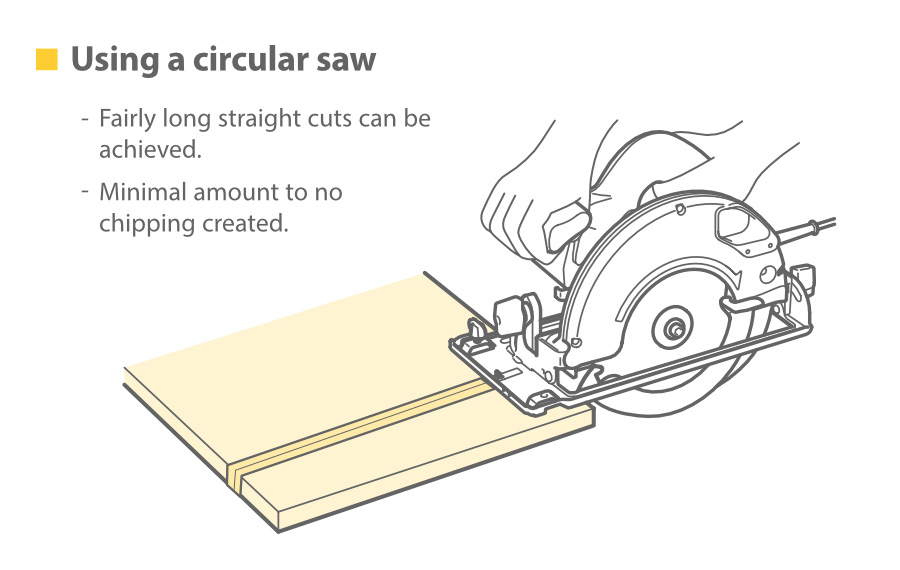
Image Source: www.wardrobedoorsdirect.co.uk
Fathoming the Melamine Cutting Challenge
Melamine is essentially particleboard or MDF that has been coated with a melamine resin. This resin creates a hard, smooth surface that is resistant to scratches and stains. However, it’s this very hardness and the way the resin bonds to the underlying material that causes cutting difficulties. When a standard saw blade, especially one designed for wood, engages the melamine surface, the resin doesn’t cleanly break away. Instead, it can grab, pull, and splinter the material, resulting in unsightly chipping along the cut line.
Why Standard Blades Struggle
- Tooth Count and Angle: Standard wood blades often have fewer teeth and a more aggressive tooth angle. This can cause the teeth to “bite” into the melamine rather than shear through it cleanly.
- Tooth Geometry: The shape and sharpness of the teeth are crucial. Dull or improperly designed teeth can snag the melamine’s surface.
- Blade Wobble: Even slight wobble in a blade can lead to a rougher cut on delicate materials like melamine.
Essential Tools and Preparation for Melamine Cutting
Before you even power up your saw, a few key preparations will set you up for success. Getting your melamine saw setup right is half the battle.
The Right Blade: Your Melamine Cutting Ally
This is arguably the most critical factor in achieving clean cuts. Investing in a specialized circular saw melamine blade is highly recommended.
Features of the Best Blade for Melamine:
- High Tooth Count: Blades with a higher number of teeth (e.g., 60-100 teeth for a standard 7-1/4 inch blade) allow for more cutting points. This means each tooth takes a smaller bite, resulting in a smoother cut.
- Alternate Top Bevel (ATB) or High Alternate Top Bevel (Hi-ATB): These tooth configurations are designed to shear the material cleanly. The ATB tooth is angled alternately to the left and right, providing a cleaner slicing action.
- Thin Kerf: A thinner blade removes less material, which can reduce tear-out.
- Carbide Tipped: High-quality carbide teeth maintain their sharpness longer, which is essential for consistent clean cuts on melamine.
- Anti-Vibration Slots: Some premium blades have slots that help reduce vibration, leading to a more stable cut.
| Blade Type | Tooth Count (Typical) | Best Use | Melamine Suitability |
|---|---|---|---|
| Standard Wood Blade | 24-40 | Rough carpentry, general lumber | Poor |
| Plywood/Fine Finish Blade | 50-60 | Plywood, hardwoods, trim | Moderate |
| Melamine/Laminate Blade | 60-100 | Melamine, laminates, veneers, particleboard | Excellent |
| Carbide-Tipped Scoring Blade | 80-120 | High-quality fine cuts on coated boards | Superior |
Saw Setup for Precision
- Blade Depth: Set your circular saw’s blade depth so that it extends just slightly below the melamine surface – about one or two teeth’s depth. Too much blade exposure increases the risk of chip-out and makes the cut more aggressive.
- Speed: Melamine cuts best at a moderate to high speed. This allows the blade to shear through the material efficiently rather than grinding. Ensure your saw is capable of maintaining consistent RPMs under load.
- Check for Wobble: Ensure the blade is securely fastened to the saw arbor and doesn’t exhibit any wobble.
Securing Your Workpiece
Firmly clamping your melamine sheet to your workbench or saw horses is crucial. Any movement during the cut will lead to inaccuracies and potentially worse chipping. Use C-clamps, bar clamps, or quick-grip clamps to hold the workpiece securely.
Dust Management
Melamine produces fine dust. Good melamine dust collection is important for your health and for a cleaner work environment.
- Vacuum Attachment: Connect your shop vacuum to the dust port on your circular saw if it has one.
- Dust Collection Systems: For larger projects, consider a dedicated dust collection system.
- Face Mask and Safety Glasses: Always wear appropriate safety gear to protect yourself from dust and debris.
Mastering Melamine Cutting Techniques
Now that your tools and materials are prepped, let’s dive into the actual cutting process. Employing specific melamine cutting techniques will significantly improve your results.
The “Sacrificial” or “Backer” Board Method
One of the most effective ways to prevent chip-out on the exit side of the cut is to use a sacrificial or backer board.
How it works:
- Lay a strip of thin, scrap wood (like 1/8-inch hardboard or plywood) along your cut line.
- Ensure the backer board is perfectly aligned with your cut line.
- Clamp both the melamine and the backer board together securely.
- Make your cut through both the melamine and the backer board simultaneously.
The backer board supports the melamine’s edge as the blade exits, catching any splintering material and leaving a clean edge on the melamine.
Scoring the Cut Line
Scoring melamine edge before making the main cut is another highly effective technique. This creates a shallow groove that guides the blade and pre-cuts the melamine’s surface, preventing the main blade pass from tearing it.
How to score:
- Method 1 (Utility Knife): Use a sharp utility knife and a metal straight edge (like a ruler or framing square). Carefully score along your cut line multiple times. Apply firm, consistent pressure to create a noticeable groove.
- Method 2 (Shallow Blade Cut): Set your circular saw blade depth to its absolute minimum (just enough to cut the surface coating). Make a very shallow pass along your cut line. This effectively scores the melamine. If you have a router, a melamine router table with a straight bit can also be used for a precise score line.
After scoring, make your main cut with the circular saw at the appropriate depth. The score line will help guide the blade and minimize chipping.
Using a Circular Saw Guide for Melamine
A straight and steady hand is good, but a circular saw guide for melamine is even better. These guides ensure a perfectly straight cut and provide a stable surface for the saw’s base plate to glide against.
- Commercial Edge Guides: Many companies produce high-quality edge guides that attach to your saw or clamp directly to the workpiece.
- DIY Guides: You can create a simple guide by clamping a straight piece of wood (like a level or a long, straight scrap piece of plywood) to your melamine sheet. Ensure the edge of the guide is the exact distance from your blade’s cutting edge to your desired cut line.
Key for using a guide:
- Measure accurately from the blade’s cutting edge to the guide fence.
- Clamp the guide securely to the melamine, ensuring it doesn’t shift.
- Run the base plate of your circular saw smoothly against the guide as you cut.
The “Up-Cut” vs. “Down-Cut” Blade Principle
Circular saws typically have blades that rotate downwards on the front of the saw and upwards on the back. This means as the blade cuts, the teeth are pulling material up from below the cut line on the leading edge and pushing down on the trailing edge.
For melamine, you want the blade to cut cleanly on the visible surface. When making a cut where the visible surface is on top:
- A standard circular saw blade will tend to lift and chip the top surface as it exits.
- To mitigate this: When possible, cut with the “good” side of the melamine facing down. This way, the blade is exiting on the bottom, and any chipping will occur on the less visible side. However, this isn’t always practical depending on your setup and the size of the sheet.
Slow and Steady Wins the Race
While speed is important for efficiency, rushing a melamine cut is a recipe for disaster.
- Maintain a Consistent Speed: Let the blade do the work. Don’t force the saw.
- Smooth Motion: Push the saw forward at a steady, deliberate pace. Avoid jerky movements.
- Support the Offcut: As you reach the end of the cut, support the piece being cut off. If it falls freely, it can tear the melamine at the end of the cut.
“Melamine Router Table” for Edge Banding and Trimming
While this article focuses on circular saws, it’s worth mentioning that a melamine router table can be an excellent tool for specific melamine tasks, especially if you need to trim edge banding or create precise dados. Using a straight bit or a specialized laminate bit on a router table can produce extremely clean results. However, for cutting large sheets, the circular saw remains the primary tool.
Advanced Tips for Achieving Clean Melamine Cuts
Beyond the basic techniques, a few advanced strategies can elevate your melamine cutting to a professional level.
Using a Track Saw or Plunge Saw
If your budget allows and you do a lot of melamine work, a track saw or plunge saw offers superior control and precision. These tools use a guide rail system and often have blades specifically designed for laminated materials, virtually eliminating chip-out.
Specialized Melamine Blades with Splinter Guards
Some high-end circular saw melamine blades come with built-in “splinter guards” or specific tooth designs that are more aggressive at preventing tear-out. Research brands known for their quality in cutting laminate and melamine.
The “Score and Snap” Method (for thinner melamine)
For very thin melamine sheets (e.g., 1/8 inch or 1/4 inch), you might be able to use a score and snap method.
- Score deeply along your cut line with a sharp utility knife and a straight edge.
- Score multiple times, creating a substantial groove.
- Carefully bend the melamine along the score line until it snaps cleanly. This method is less common for standard cabinet-grade melamine but can work for thinner panels.
Temporary Edge Protection
As a quick fix, some woodworkers tape the cut line with painter’s tape or specialized masking tape.
- How it helps: The tape creates a barrier that can help hold the melamine surface together.
- Best Practice: Apply the tape firmly and ensure it’s perfectly aligned with your cut line. For best results, use two strips of tape, one on each side of the cut line, overlapping slightly. This offers the best chance of preventing melamine chip-out.
Troubleshooting Common Melamine Cutting Issues
Even with the best preparation, occasional issues can arise.
Stubborn Chip-Out
If you’re still experiencing chip-out despite following these steps:
- Check Blade Sharpness: A dull blade is the most common culprit. Ensure your blade is sharp and designed for melamine.
- Slow Down: If you’re pushing too fast, the blade doesn’t have time to cut cleanly.
- Improve Support: Make sure your workpiece is extremely stable and well-supported.
- Try Scoring Again: A deeper score line might be needed.
Inaccurate Cuts
If your cuts aren’t straight:
- Re-check Your Guide: Ensure your circular saw guide for melamine is securely clamped and perfectly aligned.
- Base Plate Condition: Make sure the base plate of your circular saw is flat and clean.
- Practice: Straight cuts require practice. Focus on smooth, consistent movement.
Maintaining Your Tools for Clean Melamine Cuts
Proper tool maintenance is key to consistent, clean results.
Blade Care
- Clean Blades: Resin and dust build-up on blades can affect cutting performance. Clean your blades periodically with a blade cleaner.
- Sharpening: Have your blades professionally sharpened when they become dull. For melamine, it’s often better to replace a worn-out blade than to try and sharpen it yourself if you don’t have the specialized equipment.
Saw Maintenance
- Motor Brushes: If your saw is corded, check and replace motor brushes as needed.
- Base Plate: Keep the base plate clean and free of debris.
Frequently Asked Questions (FAQ)
Q: Can I use a table saw for cutting melamine?
A: Yes, a table saw can also be used, and many prefer it for larger panels. The same principles apply: use a high-tooth count blade designed for melamine, set the blade depth correctly, and use a zero-clearance insert if possible. A good crosscut sled or a quality fence is crucial for accuracy.
Q: Is it better to cut melamine from the front or back?
A: Generally, it’s better to have the finished side facing down when cutting with a standard circular saw. This way, the blade exits on the unfinished side, and any chipping occurs on the less visible surface. However, scoring and using a guide can often make cutting with the finished side up perfectly acceptable.
Q: How many times can I cut melamine before needing a new blade?
A: This depends on the quality of the blade, the thickness of the melamine, and the number of cuts. A good quality melamine blade can last for many cuts, but it’s crucial to monitor its performance. When you start noticing increased chip-out, it’s time for a new or sharpened blade.
Q: What’s the difference between a melamine blade and a plywood blade?
A: Melamine blades typically have a higher tooth count and often a specific tooth geometry (like Hi-ATB) optimized for slicing through the hard melamine resin with minimal tear-out. Plywood blades are also good for fine cuts but may not perform quite as well on the extremely smooth, hard surface of melamine.
Q: Can I use a jigsaw to cut melamine?
A: While you can cut melamine with a jigsaw, it’s very difficult to achieve clean, straight cuts. Jigsaws are designed for curves and intricate shapes, and the blade action tends to cause significant chipping and ragged edges on melamine. It’s not recommended for furniture-grade cuts.
Q: What about using a track saw?
A: Track saws are excellent for cutting melamine. They use a guide rail system that keeps the saw perfectly straight, and many track saw blades are designed for cutting laminate and melamine, providing exceptionally clean results with minimal chip-out.
Conclusion
Cutting melamine smoothly with a circular saw is achievable with the right knowledge, tools, and techniques. By selecting the best blade for melamine, properly preparing your melamine saw setup, and employing melamine cutting techniques like scoring and using guides, you can achieve professional-quality results and avoid the frustration of chip-out. Remember that practice and attention to detail are your greatest allies in mastering this common woodworking challenge. Happy cutting!