
Yes, you can drill into stucco safely and effectively with the right tools and techniques. Drilling into stucco requires a bit more care than drywall, but by following established methods, you can successfully mount items and complete projects without damaging your exterior or interior surfaces. This guide will walk you through the entire process, from preparing the stucco surface to selecting the best drill bits and ensuring secure mounting.
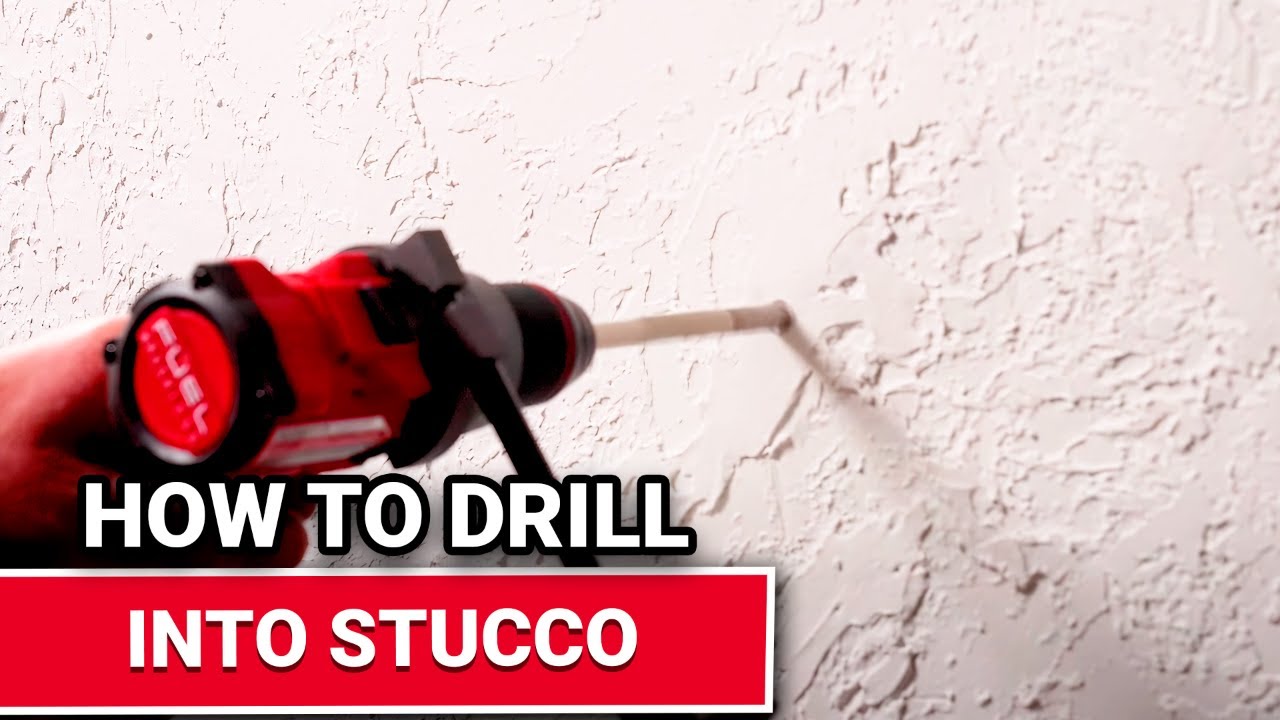
Image Source: i.ytimg.com
Preparing the Stucco Surface for Drilling
Before you even pick up a drill, stucco surface preparation is key. This step prevents chipping, cracking, and unwanted damage. Think of it as laying the groundwork for a smooth drilling experience.
Inspecting the Stucco
First, take a good look at the stucco. Is it old and brittle? Is it crumbly? Or is it in good condition?
- Old or Brittle Stucco: If the stucco is older, it might be more prone to chipping. You’ll need to be extra gentle.
- Cracked Stucco: If there are existing cracks, try to drill away from them. You might need to do some minor stucco wall repair before drilling nearby.
- Painted Stucco: Paint can sometimes cause the drill bit to bind or chip the surface.
Cleaning the Area
Dust and debris can get into your drill and make the job harder. Clean the area where you plan to drill with a soft brush or a damp cloth. This will also help you see the stucco more clearly.
Marking the Drilling Spot
Use a pencil or chalk to mark precisely where you want to drill. Make sure your mark is level and in the correct position for whatever you’re mounting.
Selecting the Best Drill Bit for Stucco
Choosing the best drill bit for stucco depends on what’s behind the stucco layer. Stucco is a finish coat, and what you’re drilling into underneath is what truly matters.
Understanding Stucco Layers
Traditional stucco is typically a three-coat system:
- Scratch Coat: The first layer, rough and applied directly to the lath (wire mesh or wood).
- Brown Coat: The second layer, smoothed and leveled.
- Finish Coat: The final layer, which can be smooth, textured, or colored.
However, many modern stucco homes have different backing materials, including:
- Wood Sheathing: Common in older homes.
- Gypsum Sheathing: Used in some newer construction.
- Concrete Block or Brick: Especially in commercial buildings or specific residential designs.
- Metal Lath: Wire mesh used as a base for stucco.
Recommended Drill Bits
- Masonry Drill Bits: These are essential for drilling into hard materials like concrete or brick that might be behind the stucco. Masonry drill bits stucco are designed with a carbide tip that can handle tougher surfaces. They often have a fluted design to help clear debris.
- Concrete Drill Bits: Similar to masonry bits, concrete drill bits stucco are specifically engineered for hard, abrasive materials. They are a good choice if you suspect you’ll encounter concrete or dense blockwork.
- All-Purpose Drill Bits: For softer materials like wood, standard twist drill bits will work. However, if you’re unsure what’s behind the stucco, starting with a masonry bit is often the safer bet, as it can handle both stucco and harder materials.
When to Use Different Bits
| Material Behind Stucco | Recommended Drill Bit Type | Why |
|---|---|---|
| Concrete/Brick | Masonry or Concrete Drill Bit | Carbide tip is strong enough to penetrate hard materials and resist wear. |
| Wood Sheathing | Standard Twist Drill Bit or Masonry Bit | Masonry bits can work, but a wood bit is ideal if you’re certain it’s wood. |
| Gypsum Sheathing | Standard Twist Drill Bit or Masonry Bit | Gypsum is softer than concrete but harder than drywall; masonry bits provide good stability. |
| Metal Lath | Standard Twist Drill Bit or Metal Drill Bit | A standard bit can often cut through thin metal lath. A metal bit provides better cutting action. |
The Drilling Process: Step-by-Step
Now that you have your tools and the area prepared, let’s get to the actual drilling.
Using the Right Drill
A hammer drill is highly recommended when drilling into exterior stucco, especially if you might encounter concrete or brick. The hammering action helps break up hard materials, making drilling much easier and faster. A standard drill can be used, but it will take longer and might overheat if drilling into hard surfaces.
Drilling Technique
- Start Slow: Begin drilling at a slow speed to create a small indentation. This prevents the drill bit from wandering.
- Apply Steady Pressure: Once you’re through the initial stucco layer, increase the speed slightly but maintain steady, consistent pressure.
- Clear Debris: Periodically pull the drill bit out of the hole while it’s still spinning slowly. This clears out dust and debris, preventing the bit from getting stuck and allowing you to see your progress.
- Listen and Feel: Pay attention to the sound and feel of the drill. If you hit a harder material, you might need to switch to your hammer drill setting or use a more robust drill bit.
Drilling Hollow Stucco
A common question is about drilling hollow stucco. Stucco is often applied over a lath, and there can be air pockets or voids behind the layers.
- Recognizing Hollow Spots: You might notice a change in sound or feel when drilling into a hollow spot. The resistance will suddenly decrease.
- Dealing with Hollow Spots: If you’re drilling into a hollow area, a standard screw or anchor might not hold securely. In these cases, you’ll need to use anchors designed for hollow walls. When mounting on stucco, using the right anchors is crucial. The goal is often to reach a solid backing material if possible. If you’re drilling into a void, you’ll need an anchor that can expand or grip the inside of the void. Toggle bolts or molly bolts are good options for hollow materials.
Mounting Items on Stucco
After drilling the hole, the next step is mounting on stucco. This involves choosing the right hardware for a secure attachment.
Selecting Appropriate Anchors
The type of anchor you need depends on what you’re mounting and what’s behind the stucco.
- For Solid Materials (Concrete, Brick):
- Masonry Anchors: These plastic or metal anchors are driven into the hole and expand when a screw is inserted. They provide a strong hold.
- Expansion Anchors: Similar to masonry anchors, these create a secure grip by expanding within the drilled hole.
- For Hollow Stucco or Lath:
- Toggle Bolts: These have wings that open up behind the surface, providing a wide surface area for support. They are excellent for hollow applications.
- Molly Bolts: These are metal anchors that expand behind the surface as you tighten them.
- Self-Drilling Anchors: Some plastic anchors can self-drill into softer materials, but for stucco, pre-drilling is usually recommended.
Stucco Anchor Installation
Proper stucco anchor installation is vital for the longevity of your mount.
- Clean the Hole: Blow out any remaining dust from the drilled hole using compressed air or a small brush.
- Insert the Anchor: Gently tap the anchor into the hole with a hammer until it’s flush with the stucco surface. If it’s a toggle bolt, you’ll insert the bolt through the wings first.
- Attach Your Item: Once the anchor is in place, you can screw your item to it.
Securing Heavy Items
If you are mounting on stucco with heavy items, like a large planter or a TV mount, it’s essential to:
- Locate Studs: If there’s wood framing behind the stucco, try to locate studs using a stud finder. Drilling directly into studs provides the most secure mounting.
- Use Longer Fasteners: Use screws or bolts that are long enough to pass through the stucco and any backing material, and into the stud or solid substrate.
- Consider Multiple Mounting Points: Distribute the weight by using several mounting points rather than relying on just one or two.
Removing Stucco Screws or Anchors
Sometimes, you might need to remove something you’ve mounted. Stucco screw removal is straightforward, but you might need to repair the stucco afterward.
The Removal Process
- Unscrew the Fastener: Use the appropriate screwdriver or wrench to remove the screw or bolt.
- Remove the Anchor:
- Plastic Anchors: These can often be pried out gently with a flathead screwdriver or pliers.
- Metal Anchors: Some metal anchors can be pulled out with pliers once the screw is removed. Others might need to be unscrewed. If the anchor spins with the screw, you might need to hold the anchor with pliers while unscrewing.
- Toggle Bolts: You’ll need to pull the bolt out, and the wings will collapse to come through the hole.
Stucco Wall Repair After Removal
After removing screws or anchors, you’ll likely have holes in your stucco.
- Small Holes: You can often fill small holes with exterior-grade caulk or a patching compound designed for stucco.
- Larger Holes: For larger holes, you may need a specialized stucco patching compound. Apply it in layers if the hole is deep, allowing each layer to dry. Sand smooth once dry, and then paint to match the surrounding area.
Troubleshooting Common Drilling Issues
Even with careful preparation, you might encounter problems.
Drill Bit Gets Stuck
- Cause: Debris buildup in the hole, hitting a hard spot unexpectedly, or the bit is too large for the material.
- Solution: Stop drilling immediately. Try to back the bit out slowly. If it’s really stuck, you might need to try a slightly smaller bit to clear debris or use more force to break through the obstruction. If you’re using a hammer drill, try switching to a non-hammering mode to back out.
Stucco Cracking or Chipping
- Cause: Drilling too fast, using the wrong bit, excessive pressure, or brittle stucco.
- Solution: Slow down your drilling speed. Use a sharper bit, preferably a masonry or concrete bit. Apply less pressure. For future projects, consider using painter’s tape around the drilling area to help reduce chipping. If chipping occurs, you may need to perform minor stucco wall repair.
Not Reaching Solid Material
- Cause: Drilling into a hollow void without using appropriate anchors.
- Solution: Back out the drill bit. Try drilling again slightly to the side to find a more solid spot. If you still can’t reach solid material, you’ll need to use anchors designed for hollow walls (toggle bolts, molly bolts) for secure stucco anchor installation.
Tools and Materials Checklist
Here’s a quick list of what you’ll need for drilling into stucco:
- Drill: Hammer drill recommended for tougher materials.
- Drill Bits: Masonry or concrete drill bits are best. Standard twist bits for wood or light materials.
- Measuring Tape and Pencil/Chalk: For marking the drilling spot.
- Safety Glasses: Always protect your eyes.
- Gloves: For better grip and protection.
- Dust Mask: To avoid inhaling stucco dust.
- Anchors and Screws/Bolts: Appropriate for the weight of the item and the material behind the stucco.
- Hammer: To tap in anchors.
- Pliers/Screwdriver: For removing anchors.
- Vacuum Cleaner or Brush: For cleaning out drilled holes.
- Painter’s Tape: Optional, to help minimize chipping.
- Stucco Patching Compound and Paint: For repairs.
Frequently Asked Questions (FAQ)
Can I use a regular drill bit for stucco?
While you can try to use a regular twist drill bit, it’s not ideal for drilling into exterior stucco, especially if you encounter hard materials behind it. A masonry or concrete drill bit with a carbide tip is specifically designed to cut through stucco and the materials commonly found beneath it, like brick or concrete. Using the wrong bit can lead to a dull bit, slow progress, and potential damage to the stucco.
How deep should I drill the hole?
The depth of the hole depends on the length of your anchor or screw and what you’re mounting. Generally, you want the hole to be slightly deeper than the anchor you are using to ensure it seats fully. Always refer to the anchor manufacturer’s recommendations for the correct drill bit size and hole depth. When stucco anchor installation, ensure the anchor will sit flush or slightly recessed in the stucco surface.
What if I hit metal lath behind the stucco?
If you hit metal lath, you’ll notice increased resistance. A good masonry bit should be able to cut through it. If you’re having trouble, slow down your drill speed and apply steady pressure. If the lath is thick or you’re using a less robust bit, you might need to switch to a metal drill bit. For mounting on stucco where you’ve encountered lath, ensure your anchors are suitable for this material. Toggle bolts or anchors that can grip hollow materials are often best.
How do I avoid cracking the stucco when drilling?
To avoid cracking, start with a slow drill speed to create an initial divot. Apply steady, even pressure without forcing the drill. Use sharp drill bits, preferably masonry bits. For older or more fragile stucco, applying painter’s tape over the drilling area can help hold the surface together during drilling and minimize chipping. If cracks do form, be prepared for some minor stucco wall repair afterward.
How do I know if I’m drilling into a stud?
If you’re drilling into a stud, you’ll feel a significant increase in resistance once you pass through the stucco and any sheathing. The drill bit will also be harder to turn. A stud finder can help you locate studs before drilling, making the process much more efficient. When mounting on stucco, hitting a stud is ideal for securing heavier items.
By following these guidelines, you can confidently drill into stucco and achieve secure, professional-looking results for all your mounting projects.