
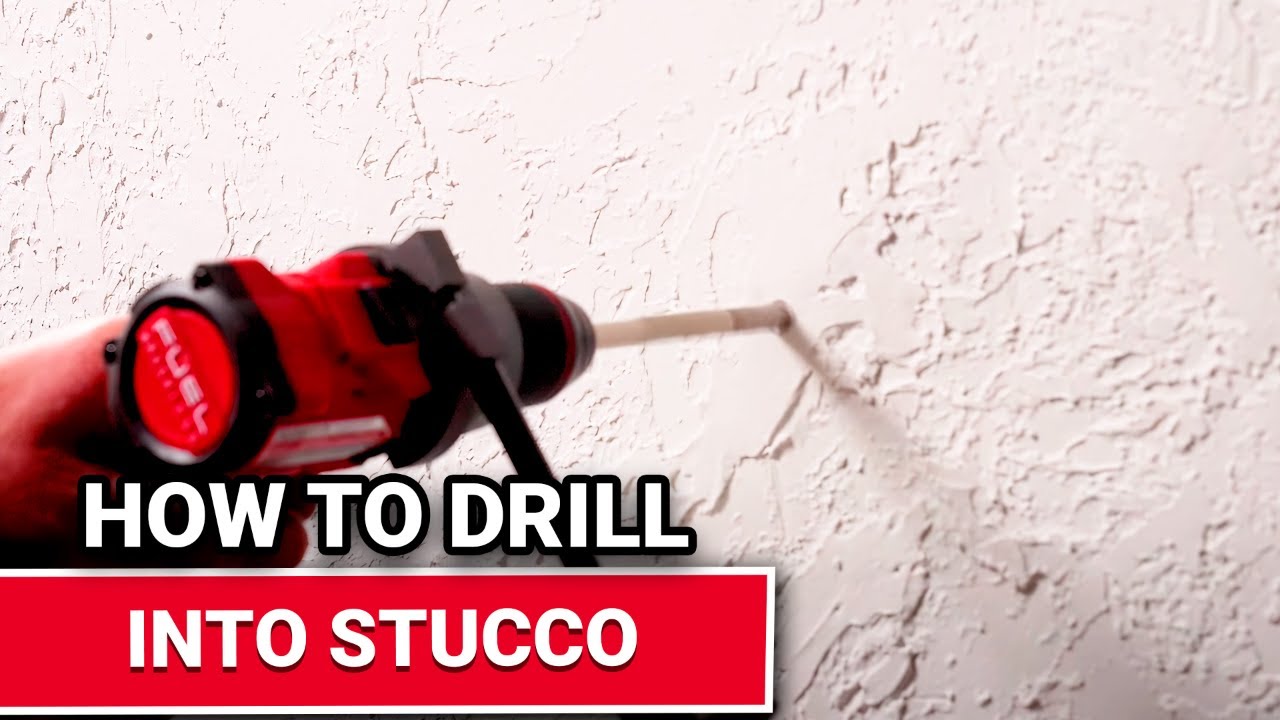
Image Source: i.ytimg.com
How To Drill Through Stucco Safely: A Step-by-Step Guide
Yes, you can drill through stucco safely, and with the right tools and techniques, it’s a straightforward DIY task. Whether you’re hanging a planter, mounting a shelf, or installing a security camera, knowing how to drill into stucco correctly is essential for a secure and lasting fixture. This guide will walk you through the entire process, from choosing the right equipment to finishing the job without damaging your stucco.
Choosing Your Tools: The Right Stuff for Stucco
When you’re drilling through stucco, the material itself presents unique challenges. Stucco is a cement-based plaster applied over a lath or mesh. Beneath the stucco, you might find wood, concrete, or even metal studs. The key to a successful drill project lies in having the right tools for the job.
The Best Drill for Stucco
For drilling stucco exterior surfaces, a powerful and versatile drill is a must. While a standard cordless drill can handle lighter tasks, for thicker stucco or for drilling into harder materials behind it, a hammer drill or a rotary hammer drill is highly recommended.
- Cordless Drill: Suitable for light-duty drilling, especially into softer stucco or thin layers. Look for one with a good torque setting.
- Hammer Drill: This is the go-to for most stucco drilling tasks. It combines rotational action with a hammering motion, which is perfect for breaking through hard materials like concrete or old stucco.
- Rotary Hammer Drill: For very tough materials or frequent heavy-duty drilling, a rotary hammer drill offers more power and efficiency due to its piston-driven hammer action.
Selecting the Right Stucco Drill Bits
The type of drill bit you use is critical for stucco screw installation and general drilling. You’ll need bits designed for masonry work.
- Masonry Drill Bits: These are specifically designed to cut through hard materials like brick, concrete, and, of course, stucco. They typically have a carbide tip that is very durable. You’ll see these often referred to as stucco drill bits.
- Carbide-Tipped Masonry Bits: For drilling through stucco and into concrete or brick, carbide-tipped bits are essential. They are heat-resistant and can handle the abrasion.
- Twist Drill Bits (for wood/metal): If you’ve identified that there’s a wooden or metal stud behind the stucco, you might need a standard twist drill bit after you’ve penetrated the stucco layer.
Other Essential Supplies
Beyond the drill and bits, gather these items:
- Safety Glasses: Protect your eyes from flying debris.
- Dust Mask: Stucco dust can be irritating to inhale.
- Gloves: For better grip and protection.
- Measuring Tape: For accurate placement.
- Pencil or Marker: To mark your drilling spot.
- Painter’s Tape or Masking Tape: Helps prevent the drill bit from slipping and reduces chipping around the hole.
- Vacuum Cleaner or Dustpan and Brush: For cleanup.
- Anchor Bolts or Screws: Appropriate for the weight of the item you’re mounting.
- Wall Anchors: If you’re not drilling into a stud, you’ll need anchors for secure mounting. This is crucial for stucco anchor installation.
- Level: To ensure your mounted item is straight.
- Stud Finder (optional but helpful): To locate studs behind the stucco.
Preparing for the Drill: Laying the Groundwork
Before you even think about drilling, proper preparation ensures a safer and cleaner job. This involves assessing your situation and setting up your workspace.
Locating What’s Behind the Stucco
This is a crucial step. Stucco itself is relatively soft, but what lies beneath can vary.
- Wood Studs: Common in older homes. They are easier to drill through once you’ve passed the stucco layer.
- Metal Studs: Also found in some construction. They require a bit more effort to drill than wood.
- Concrete Block or Brick: Often found in foundations or structural walls. This is where your masonry drill bits and hammer drill truly shine.
- Lath and Insulation: In some cases, you might just hit lath (wire mesh) and then insulation before reaching an interior wall.
How to find studs:
A stud finder is your best friend here. Run it horizontally and vertically across the area where you plan to drill. Mark the edges of any studs you find. If you’re unsure, you can try gently tapping the wall to listen for the solid sound of a stud versus the hollow sound of empty space.
Marking Your Drilling Spot
Accuracy is key. Use your measuring tape and pencil to mark the exact location for your hole.
- Use a Level: If you’re mounting something that needs to be straight (like a shelf or a picture frame), use a level to draw a straight line and mark your drilling points.
- Apply Painter’s Tape: Place a piece of painter’s tape over the marked spot. This does two things:
- It gives the drill bit a more stable surface to grip, preventing it from wandering.
- It helps to minimize chipping and cracking of the stucco surface around the hole.
You can even draw your drilling spot directly onto the tape.
The Drilling Process: Step-by-Step Execution
Now that you’re prepared, it’s time to drill. Remember to work methodically and safely.
Step 1: Setting Up Your Drill
- Insert the Correct Stucco Drill Bit: Make sure the bit is firmly secured in your drill chuck. If using a hammer drill, engage the hammer function. If you’re drilling into what you suspect is a stud, you might switch to a standard twist bit after the initial stucco penetration.
- Set the Drill Speed: For drilling stucco exterior surfaces, start with a slower speed. You can gradually increase it as needed. A slower speed gives you more control and reduces the risk of overheating the bit or damaging the stucco.
Step 2: Creating the Pilot Hole
A pilot hole in stucco is often a good idea, especially if you’re using a larger screw or bolt.
- Position the Drill Bit: Place the tip of the drill bit precisely on your marked spot, perpendicular to the wall.
- Start Slowly: Begin drilling at a slow speed. Apply firm, steady pressure.
- Maintain Perpendicularity: Keep the drill as straight as possible. Angled holes can cause stress on the stucco and the fastener.
Step 3: Drilling Through the Stucco Layer
As you drill, you’ll feel the bit break through the outer stucco layer.
- Hammer Drill Action: If you’re using a hammer drill, you’ll feel the characteristic pulsing. This is normal and helps break up the stucco material.
- Manage Debris: Stucco will produce dust and small chunks. If you’re drilling into a wall, you might want to hold a vacuum hose near the hole to catch some of the dust, or have someone else do it.
- Check for Obstructions: If you hit something unexpectedly hard and your drill struggles, stop. You might have encountered rebar or a very dense material. Re-evaluate your drilling location or consider a more powerful tool if necessary.
Step 4: Drilling into the Material Behind the Stucco
Once you’ve passed through the stucco, you’ll be drilling into the substrate.
- Switch Bits if Necessary: If you were using a masonry bit and now need to drill into wood or metal, switch to the appropriate twist bit.
- Adjust Pressure: You might need to adjust your pressure depending on the material. Drilling into concrete will require more force than drilling into wood.
- Continuous Drilling: Keep the drill running smoothly and steadily. Avoid excessive force that could break the bit or damage the wall.
Step 5: Achieving the Correct Hole Depth
- Measure Your Fastener: Before drilling, measure the length of your screw, bolt, or anchor. Mark this depth on your drill bit with a piece of painter’s tape or a marker.
- Drill to Depth: Stop drilling once the tape mark on your bit reaches the surface of the stucco. This ensures your fastener will seat properly without going too deep or not deep enough.
Step 6: Clearing the Hole
After drilling, you’ll want to ensure the hole is clear of debris.
- Use a Can of Compressed Air: A quick blast can clear out dust and small particles.
- Blow into the Hole: If you don’t have compressed air, you can carefully blow into the hole yourself (wear your dust mask!).
- Use a Wire Brush or Small Brush: Gently clean out the hole.
Fastener Installation: Securing Your Item
With the holes drilled, it’s time to install your fasteners. This is where stucco anchor installation and stucco screw installation come into play.
Using Anchors for Stucco
If you are not drilling into a stud, you will need wall anchors. The type of anchor depends on the weight of the item you’re hanging.
- Plastic Expansion Anchors: Suitable for light loads. Drill a pilot hole in stucco the size recommended for the anchor. Insert the anchor, then drive the screw into it.
- Toggle Bolts: Good for medium loads. Drill a larger hole (again, check the anchor’s specifications). Insert the toggle bolt.
- Sleeve Anchors or Lag Shields: These offer stronger holding power for heavier items. They typically require a larger hole drilled with a masonry drill bit. Follow the specific installation instructions for your chosen anchor.
Procedure for stucco anchor installation:
- Select the correct anchor for your load and the material behind the stucco.
- Drill the hole to the diameter specified by the anchor manufacturer, using the appropriate stucco drill bits.
- Clear the hole of debris.
- Insert the anchor into the hole. It should fit snugly. If it’s loose, you may need to use a slightly larger anchor or a different type.
- Drive your screw or bolt into the anchor. For screws, use a drill on a lower speed and torque setting to avoid stripping the anchor.
Driving Screws Directly into Studs
If you’ve successfully drilled into a stud:
- Use the Right Screw: Select a screw that is long enough to penetrate the stucco and at least 1 inch into the stud.
- Drive the Screw: Use your drill on a low-to-medium speed and torque setting. Drive the screw until it is flush with the stucco surface or the mounting bracket. Avoid over-tightening, which can strip the screw head or damage the stud.
Common Issues and How to Solve Them
Even with the best preparation, you might encounter minor problems.
- Stucco Cracking: If you see cracking, it usually means you’re using too much force, the wrong drill bit, or not enough support (like painter’s tape). Reduce speed, use a sharper stucco drill bit, and ensure your tape is firmly in place. For extensive cracking, you might need to repair the stucco after drilling.
- Drill Bit Slipping: This is often due to a smooth stucco surface. Painter’s tape is the best solution. Ensure you’re starting slowly and with firm pressure.
- Drilling into Metal Lath: You might hit metal lath embedded in the stucco. If this happens, switch to a metal-cutting drill bit and continue drilling.
- Drilling Through Plaster: While this guide focuses on stucco, the principles are similar for drilling into plaster. Plaster can be brittle, so extra care with slow speeds and support tape is important. The key difference is that plaster is typically applied over wooden lath or metal mesh, making it less dense than concrete stucco.
Advanced Tips for Drilling Stucco
To elevate your stucco drilling skills, consider these advanced techniques.
Using a Center Punch
For precise starting points, especially on very smooth stucco, a center punch can be helpful. Gently tap the punch at your marked spot to create a small indentation, which will guide the drill bit and prevent it from wandering.
Drilling Larger Holes for Anchors
When you need to install larger anchors or for specific mounting hardware, you’ll need to drill a larger diameter hole.
- Start with a Smaller Pilot Hole: Always begin with a smaller pilot hole in stucco to guide the larger bit.
- Use the Correct Masonry Bit: Ensure your larger bit is also a carbide-tipped masonry bit.
- Increase Drill Speed Gradually: As the hole gets larger, you might need to slightly increase your drill speed, but always prioritize control.
- Clear Debris Frequently: Larger holes produce more debris. Stop periodically to clear the hole.
Dealing with Old, Brittle Stucco
Older stucco can be more prone to chipping and crumbling.
- Lower Speeds: Always drill at the lowest effective speed.
- Less Pressure: Apply only enough pressure to keep the bit engaged. Let the drill and bit do the work.
- Reinforce with Epoxy: For critical fixings, you might consider using a masonry epoxy to reinforce the area around the drilled hole. This is an advanced technique, and thorough research into epoxy application is recommended.
Frequently Asked Questions About Drilling Stucco
Q1: What is the best drill for stucco?
A: A hammer drill is generally the best drill for stucco because its hammering action helps break through the hard material. A powerful cordless drill can work for lighter tasks, while a rotary hammer drill is ideal for heavy-duty or frequent use.
Q2: Can I drill into stucco with a regular drill bit?
A: No, it’s not recommended. Regular drill bits (like those for wood or metal) will dull quickly and struggle to penetrate stucco and the materials behind it. You need specialized stucco drill bits or masonry drill bits with carbide tips.
Q3: How deep should I drill a pilot hole in stucco?
A: The depth of your pilot hole depends on the fastener you’re using. Generally, a pilot hole should be slightly shallower than the screw or anchor you plan to use. Measure your fastener and mark your drill bit accordingly.
Q4: How do I prevent stucco from cracking when drilling?
A: To prevent cracking, use painter’s tape over the drilling area, start with a slow drill speed, use sharp stucco drill bits, and apply steady, even pressure. Avoid jerky movements or excessive force.
Q5: What kind of anchors are best for stucco?
A: The best anchors depend on the weight of the item you’re mounting. For light loads, plastic expansion anchors are fine. For heavier items, consider sleeve anchors or lag shields, which offer stronger holding power and require drilling a larger hole with masonry drill bits. Proper stucco anchor installation is key for security.
Q6: Can I drill through stucco siding?
A: Yes, you can drill through stucco siding. The process is the same as for any other stucco surface. Be mindful of the substrate behind the siding, which might be sheathing (wood or OSB) and then framing.
Q7: What if I don’t hit a stud when drilling into stucco?
A: If you don’t hit a stud, you’ll need to use a wall anchor for secure mounting. The type of anchor will depend on the weight of the object. Ensure you drill the correct size hole for the anchor during stucco anchor installation.
Q8: Is drilling into plaster the same as drilling into stucco?
A: While both are plaster finishes, drilling into plaster might require slightly more delicate handling as plaster can be more brittle than stucco. However, the use of masonry bits, slow speeds, and support tape remains crucial for both.
Q9: What is the proper way for stucco screw installation?
A: For stucco screw installation, first drill the appropriate sized hole using a stucco drill bit or masonry drill bit. If not hitting a stud, insert a wall anchor. Then, drive the screw directly into the anchor or stud using a drill on a controlled speed and torque setting until it’s flush with the surface.
By following these steps and using the right tools, you can confidently and safely drill through stucco for all your DIY needs. Remember to prioritize safety, prepare thoroughly, and work with precision.