
What is table saw kickback? Table saw kickback is when a workpiece is violently thrown back towards the operator by the spinning blade. Can I prevent table saw kickback? Yes, you absolutely can and must prevent table saw kickback through proper technique, machine setup, and safety equipment. Who is responsible for table saw safety? The operator is solely responsible for ensuring safe operation and preventing accidents like kickback.
The table saw is a woodworking powerhouse, capable of making precise cuts with speed and efficiency. However, its very power also presents a significant danger: kickback. This phenomenon, where a workpiece is violently propelled back towards the operator, can cause serious injury. Mastering table saw safety, and specifically preventing table saw kickback, is paramount for any woodworker. This comprehensive guide will equip you with the knowledge and techniques to keep yourself safe and your projects on track.
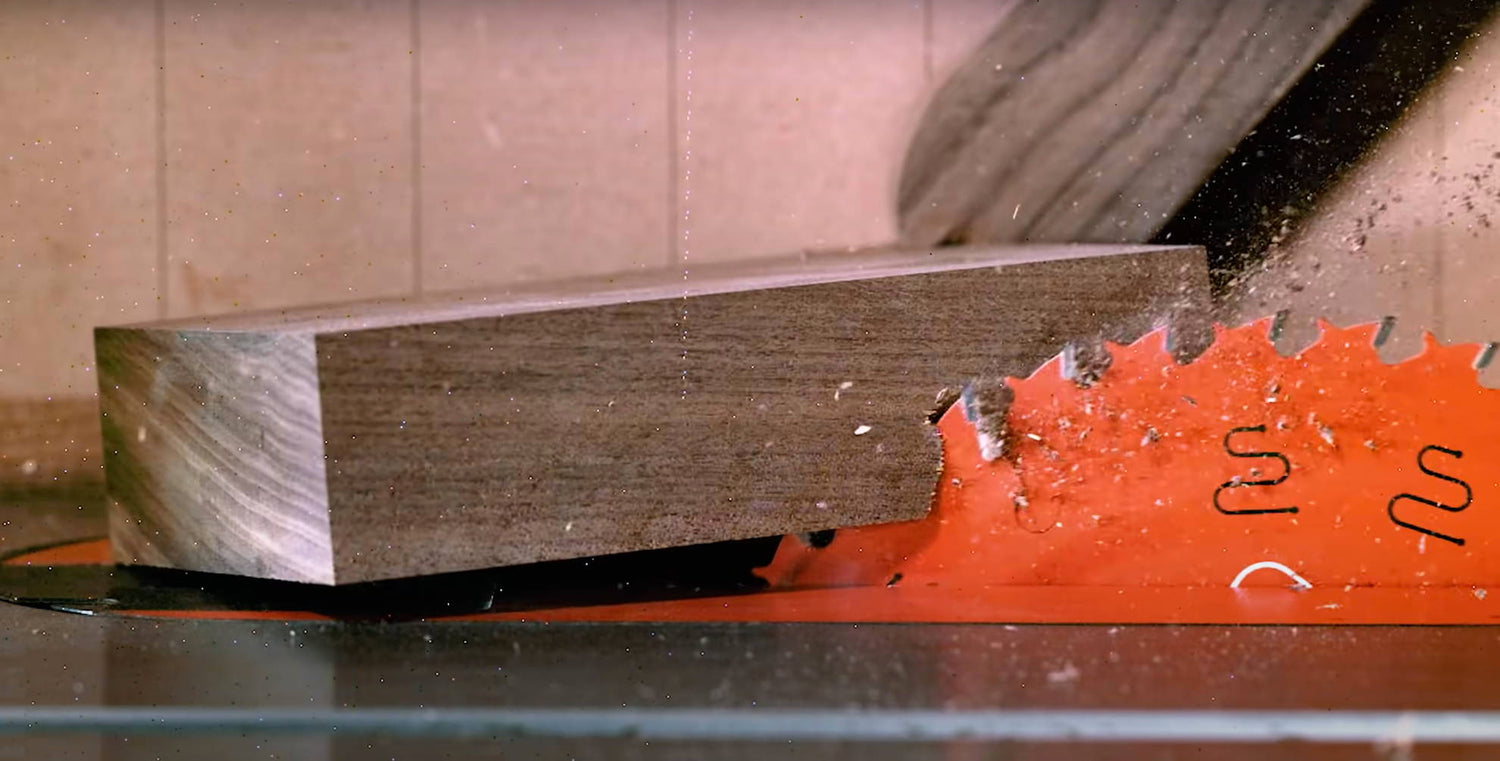
Image Source: kmtools.com
Fathoming the Causes of Kickback
Kickback isn’t a random event; it’s a consequence of specific interactions between the workpiece, the blade, and the table saw’s components. By understanding these root causes, we can implement effective preventative measures.
The Blade’s Role
The table saw blade rotates at extremely high speeds. When a workpiece is cut, the teeth on the blade engage the wood and push it through. However, if the wood isn’t supported or guided correctly, it can cause a disruptive interaction.
- Blade Contact Behind the Cut: The most common cause of kickback occurs when the workpiece binds against the rearward portion of the blade, after the cut has been completed. This can happen if the wood pinches the blade or if the offcut piece moves into the blade’s path from behind.
- Blade Binding: If the kerf (the slot cut by the blade) closes up on the blade due to the wood’s internal tension or being pushed into the blade from behind, the blade can become trapped. This binding action, combined with the blade’s rotation, forcefully ejects the workpiece.
- Blade Alignment Issues: A blade that is not perfectly perpendicular to the table can also lead to binding. If the blade is slightly angled, it can drag against the wood in an uneven manner, increasing the risk of pinching.
Workpiece Interactions
How the wood itself behaves during the cut is crucial to preventing table saw kickback.
- Uneven Wood: Warped, cupped, or twisted lumber can easily shift during a cut, leading to binding. As the blade cuts, the wood may move and pinch the blade.
- Internal Stress: Some wood species or dried lumber can have internal stresses that are released during cutting, causing the wood to close in on the blade.
- Workpiece Movement: If the workpiece is not held firmly against the fence and the table, it can drift. This drift can cause the rear of the workpiece to swing into the blade’s path after the cut is made, initiating kickback.
- Improper Feeding: Forcing the wood through the blade or twisting it during the cut creates uneven pressure and can easily lead to binding.
Machine Setup and Accessories
The table saw itself plays a vital role in kickback prevention. Proper setup and the correct use of accessories are non-negotiable.
- Table Saw Fence Alignment: A misaligned fence is a primary culprit. If the fence is not parallel to the blade, the wood will be guided at an angle, increasing the chance of binding. The offcut side of the fence should be slightly closer to the blade than the infeed side, creating a slight lead that helps prevent pinching.
- Table Saw Blade Guards: While some woodworkers remove them, table saw blade guards are designed to shield the blade and can, to some extent, deflect a kickback. However, they are not a foolproof solution and should be used in conjunction with other preventative measures.
- Table Saw Anti-Kickback Pawls: These are the small, sharp teeth mounted on the blade guard or as separate accessories. Table saw anti-kickback pawls are designed to dig into the wood if it starts to move backward, preventing it from being thrown towards the operator.
Implementing Effective Kickback Prevention Strategies
Now that we’ve delved into the causes, let’s focus on the practical steps you can take to significantly reduce the risk of table saw kickback.
Prioritizing Proper Table Saw Technique
Your technique at the table saw is your first line of defense.
- Use Push Sticks Table Saw: Always use push sticks table saw accessories when cutting narrow pieces or when your hands would be too close to the blade. These tools allow you to maintain control and pressure on the workpiece without putting your fingers in danger. They are essential for preventing workpieces from binding on the blade’s rear.
- Maintain a Firm Stance: Stand comfortably balanced, slightly to the side of the blade’s path. Never stand directly behind the blade. This positioning ensures that if kickback occurs, the workpiece will be thrown away from you.
- Feed Smoothly and Steadily: Push the workpiece through the blade with consistent, moderate pressure. Avoid forcing the wood, as this can cause binding. Let the blade do the work.
- Never Rip Freehand: Always use the rip fence for ripping operations. Freehand ripping, where you don’t use the fence for guidance, is extremely dangerous and a major cause of kickback.
- Support the Offcut: For longer cuts, especially rips, it’s crucial to support the offcut piece. As the cut is completed, the offcut can sag and pinch the blade. Using a outfeed table or a helper can prevent this.
- Be Mindful of Blade Exposure: Only expose the amount of blade necessary for the cut. A blade that protrudes too far above the workpiece increases the risk of accidental contact.
- Avoid Cutting Small Pieces: Small pieces are notoriously difficult to control and increase the risk of kickback. If you need to cut small pieces, consider using jigs or a band saw instead.
Ensuring Correct Machine Setup
A well-tuned table saw is a safer table saw.
- Table Saw Fence Alignment Verification: Regularly check your table saw fence alignment. A simple test is to set the fence to a known width, make a cut, and then measure the distance from the fence to the blade at both the front and back of the blade. They should be the same, or the back should be very slightly closer.
- Blade Type and Condition:
- Use the Right Blade: Ensure you are using the correct type of blade for the material and cut you are making. For rip cuts, a blade with fewer teeth (e.g., 24T) is generally better, while crosscuts benefit from blades with more teeth (e.g., 60T).
- Sharp Blades: Dull blades require more force to cut, increasing the likelihood of binding and kickback. Keep your blades sharp.
- Proper Blade Installation: Ensure the blade is installed correctly with the teeth angled to push the wood towards the fence.
- Blade Height Adjustment: Set the blade height so that only one or two teeth extend above the workpiece. This minimizes the amount of blade exposed and reduces the risk of it snagging the wood from above.
- Dado Set Usage: If you use a table saw dado insert, ensure it’s properly installed and that your blade guard and anti-kickback pawls are compatible or removed as per the manufacturer’s instructions. Dado blades can create wider kerfs, and proper setup is critical.
Leveraging Safety Accessories Effectively
Accessories are not optional; they are essential components of safe table saw operation.
- Push Sticks and Push Blocks: As mentioned, push sticks table saw are vital. Push blocks, which are taller and offer more control, are even better for some operations. They help maintain downward pressure on the workpiece, keeping it flat against the table.
- Table Saw Splitter/Riving Knife: This is arguably the most important safety device for preventing table saw kickback. A table saw splitter/riving knife is a thin piece of metal mounted behind the blade, aligned with the kerf. It remains in the kerf after the blade has passed, keeping the cut open and preventing the wood from closing up and binding the blade. Always ensure your saw has one installed and that it’s properly aligned with the blade.
- Table Saw Anti-Kickback Pawls: These devices are your last line of defense if kickback begins to occur. Ensure they are properly installed and that they can engage the wood.
Advanced Techniques for Avoiding Kickback Table Saw
Beyond the fundamental principles, there are advanced techniques that further enhance your safety.
Specialized Jigs and Fixtures
For repetitive tasks or cutting difficult materials, specialized jigs can dramatically improve safety.
- Crosscut Sleds: A crosscut sled provides excellent support and control for cutting smaller pieces to length. It keeps the workpiece firmly against a guide fence and the table, preventing any lateral movement that could lead to kickback.
- Tapering Jigs: When cutting tapers, a tapering jig guides the workpiece at a specific angle, ensuring consistent results and preventing the wood from twisting into the blade.
- Box Joint Jigs: These jigs are designed to create precise box joints and typically incorporate features to keep the workpiece securely against the fence.
Cutting Specific Materials Safely
Different materials require slightly different approaches to avoiding kickback table saw.
- Veneer and Thin Stock: Thin materials are prone to buckling and pinching the blade. Use a backing board made of MDF or plywood. This sandwiching technique provides rigidity and prevents the thin material from flexing into the blade.
- Plywood: The layered construction of plywood can sometimes cause tear-out, which can lead to binding. Use a sharp blade with a higher tooth count and consider using masking tape along the cut line to minimize tear-out. A zero-clearance insert can also help support the wood fibers.
- Laminates and Melamine: These materials can chip easily. Again, a sharp blade, masking tape, and a zero-clearance insert are your best friends. Cutting with the “good” side down can sometimes reduce chipping, but this requires careful consideration of the blade’s direction relative to the material.
When NOT to Use the Table Saw
Recognizing when the table saw is not the right tool is a crucial safety skill.
- Very Small or Oddly Shaped Pieces: If a piece is too small to be safely handled with push sticks or if it has an irregular shape that makes it difficult to control, use a different tool like a band saw or a scroll saw.
- Materials That Might Bind: If you suspect a piece of wood has extreme internal stress or is severely warped, consider alternative cutting methods.
- When Distracted or Tired: Never operate a table saw when you are tired, distracted, or under the influence of any substances. Your focus and judgment are critical.
Maintenance and Blade Management
Regular maintenance ensures your table saw operates safely and effectively.
Blade Cleaning and Sharpening
- Keep Blades Clean: Pitch and resin buildup on the blade can affect its cutting performance and increase friction, leading to binding. Clean your blades regularly with a specialized blade cleaner.
- Regular Sharpening: As mentioned, sharp blades are essential. Develop a schedule for sharpening or replacing dull blades.
Table Saw Components Check
- Check the riving knife/splitter: Ensure it is not bent or damaged and that it’s properly aligned with the blade.
- Inspect the blade guard: Make sure it moves freely and is not obstructed.
- Clean the Table and Fence: Dust and debris can interfere with smooth workpiece feeding. Keep the table and fence clean.
Frequently Asked Questions (FAQ)
Here are some common questions regarding table saw kickback prevention.
Q1: Is it ever okay to remove the table saw blade guard?
A1: It is strongly discouraged to remove the table saw blade guard. While some specialized operations might seem to require its removal, such as using a dado blade or certain jigs, it’s crucial to ensure that alternative safety measures, like a properly installed riving knife and anti-kickback pawls, are in place and functional. Manufacturer guidelines should always be followed.
Q2: What’s the difference between a splitter and a riving knife?
A2: A splitter is typically a piece of wood or metal that is slightly thinner than the kerf and is installed behind the blade. A riving knife is a factory-made metal blade that is precisely shaped to follow the blade’s kerf. Modern table saws are generally equipped with riving knives, which are considered more effective and safer than traditional splitters.
Q3: How can I safely cut small pieces on the table saw?
A3: Cutting small pieces requires extreme caution. Always use a push stick or a push block to maintain control. Jigs designed for small parts, such as zero-clearance inserts and specialized push blocks with handles, can greatly improve safety. For very small pieces, consider using a band saw or a router table instead.
Q4: My table saw fence seems to be slightly out of alignment. What should I do?
A4: A misaligned fence is a significant kickback hazard. You must adjust it to be parallel to the blade, or with the outfeed side of the fence slightly closer to the blade than the infeed side. Consult your table saw’s manual for specific instructions on how to align the fence.
Q5: Can a dull blade cause kickback?
A5: Yes, a dull blade requires more force to cut through wood. This increased force can lead to binding, where the wood pinches the blade, significantly increasing the risk of kickback. Always ensure your blades are sharp for safe and efficient operation.
By diligently applying these expert tips and prioritizing table saw safety in every operation, you can transform your table saw experience from potentially hazardous to safely productive. Mastering preventing table saw kickback is not just about avoiding injury; it’s about ensuring you can continue to enjoy the craft of woodworking for years to come.